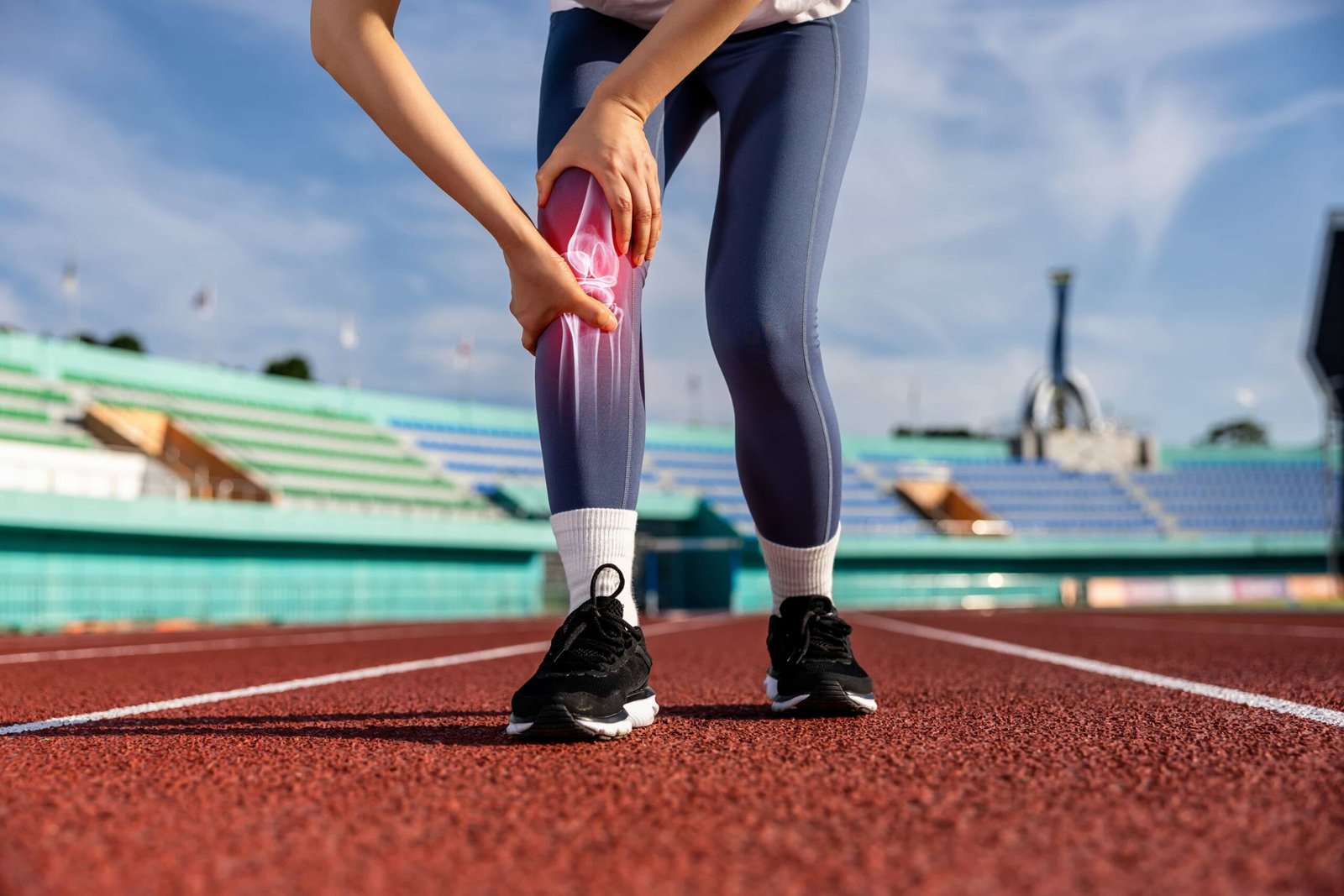
Runner’s Knee & Shin Splints Treatment
Specialist care for anterior knee pain and shin pain caused by repetitive running load, designed to identify the biomechanical reason symptoms keep returning and guide a safe return to running.
Egyptian Board Certified, Arab Board Certified. Fellowship: Orthopedic Surgery, University of Toronto, Canada. 23 years treating running-related overuse injuries in Dubai and the UAE.
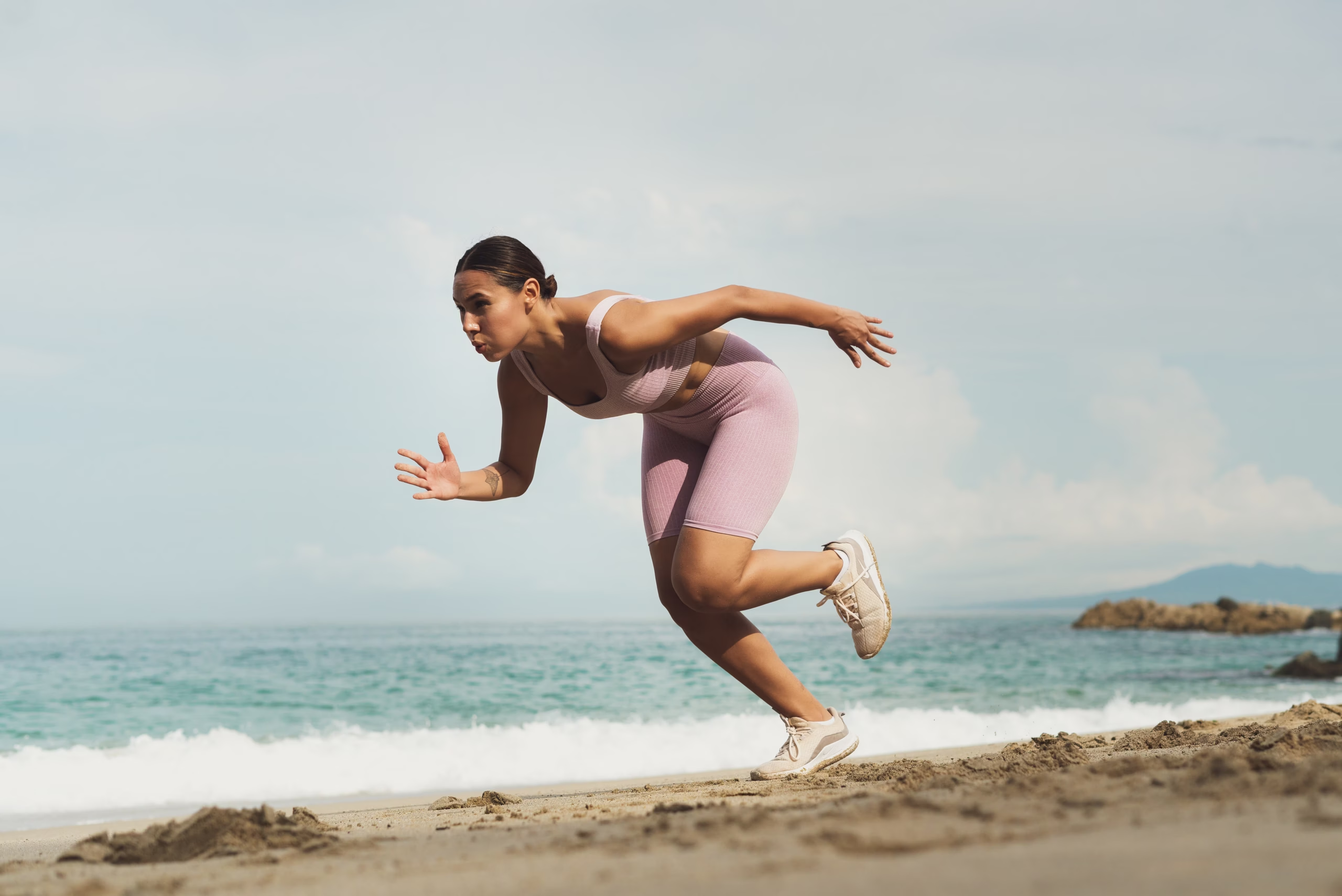
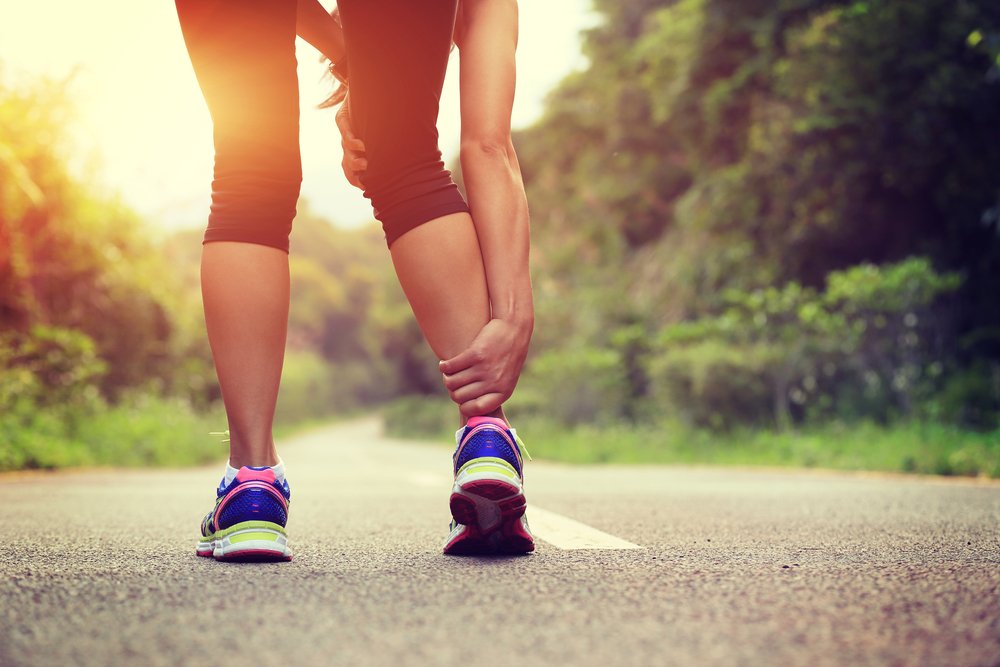
Dull ache around the kneecap or aching along the inner shin after repetitive running load.
Correct the cause, rebuild load tolerance and reduce recurrence.
Focused care for running-related overload.
Runner’s knee and shin splints often begin with the same story: training volume, intensity or surface changes rise faster than the tissues can adapt. The goal is to define which structure is overloaded and why.
What It Is
Anterior knee pain (runner’s knee) and shin pain (shin splints) caused by repetitive running load and overload patterns.
Who Treats It
Dr. Usama Saleh, fellowship-trained sports orthopedic surgeon with 23 years in Dubai.
Where
Medcare Orthopaedics and Spine Hospital (MOSH), Sheikh Zayed Road, Dubai.
University of Toronto fellowship-trained orthopedic surgeon with 23 years treating runner’s knee and shin splints in Dubai and the UAE.
Same training load. Different pain pattern.
Runner’s knee affects how the kneecap tracks during repeated bending. Shin splints develop when the tissues around the shinbone become overloaded by repetitive impact.
Runner’s Knee
A dull ache around or behind the kneecap, commonly aggravated by stairs, squatting, prolonged sitting and repetitive running.
Shin Splints
Aching or sharp pain along the inner edge of the shinbone, typically worse during and immediately after running.
Dr. Usama’s runner’s knee treatment protocols at Medcare MOSH begin by identifying exactly why the kneecap is tracking poorly, because the underlying biomechanical cause determines which rehabilitation exercises will work.
The exact pain pattern matters.
Shin splints develop when the muscles, tendons and bone tissue around the shinbone become overloaded often after a sudden increase in running mileage or intensity.
Broad, diffuse tenderness
Pain is spread along a wider section of the inner shin and commonly eases with rest.
Focal, pinpoint tenderness
A stress fracture is more likely to create sharply localized pain that can worsen even with normal walking.
Dr. Usama uses clinical examination, and imaging when needed, to distinguish the two before finalizing treatment.
Arrange assessment →Where the pain appears and when.
Both conditions often begin as discomfort that fades after activity, then progress to pain that lingers when the underlying overuse pattern is not corrected.
Runner’s Knee Symptoms
Dull, aching pain around or behind the kneecap, often worse going down stairs.
Pain after prolonged sitting with the knee bent, sometimes called theater sign.
A grinding or clicking sensation behind the kneecap during movement.
Mild swelling around the kneecap after activity.
Shin Splints Symptoms
Aching or throbbing pain along the inner edge of the shinbone.
Pain is worse during and immediately after running.
Mild swelling along the lower leg.
Tenderness along a broad section of the shin, not one pinpoint spot.
Early pain may settle after running. Persistent pain, pain with walking or sharply localized tenderness deserves a closer assessment.
Training errors meet biomechanical weak points.
Both conditions commonly appear when a training change outpaces the body’s ability to adapt.
Runner’s Knee Causes
Kneecap trackingCan allow the kneecap to track laterally.
Raises repetitive load before adaptation.
Including overstriding and excessive inward knee collapse.
May reduce support during repeated impact.
Shin Splints Causes
Impact overloadThe single most common cause seen in Dubai runners.
Especially without adequate adaptation time.
Changes how impact force is absorbed.
No longer provides adequate shock absorption.
Correct the training pattern—not only the pain.
Runner’s knee treatment and shin splints treatment both begin with identifying the load, surface, footwear or movement pattern that repeatedly exceeds the tissue’s current capacity.
The right diagnosis comes before the right plan.
The section is redesigned so the title, image and clinical process align cleanly—without the visual gap from the previous version. Diagnosis connects pain pattern, biomechanics, load history and selective imaging.
Clinical examination
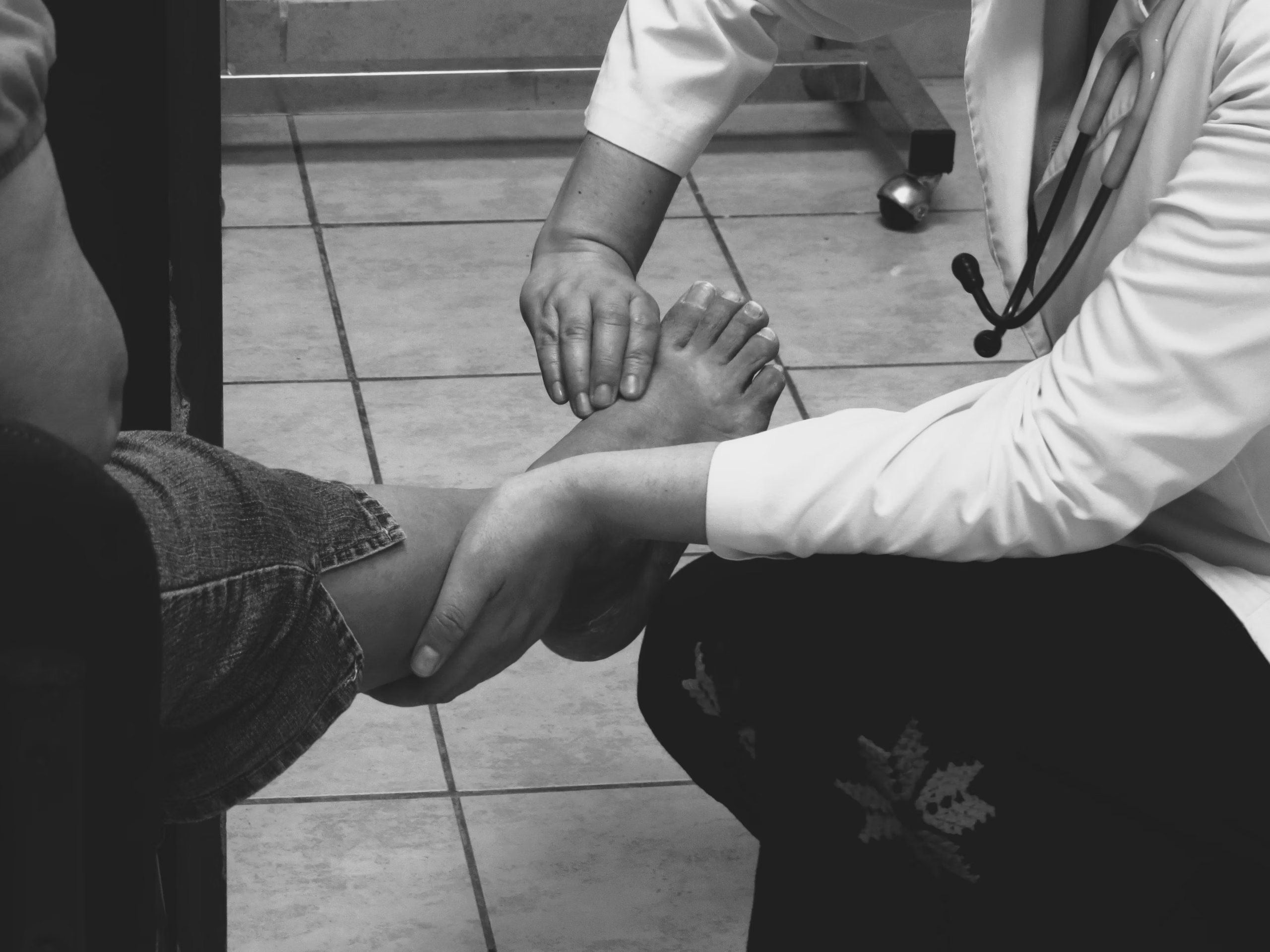
Assessment of kneecap tracking, hip and quadriceps strength, and palpation along the shin to locate the irritated structure.
Gait analysis
Identifies running mechanics and load patterns contributing to either runner’s knee or shin splints.
X-ray or MRI
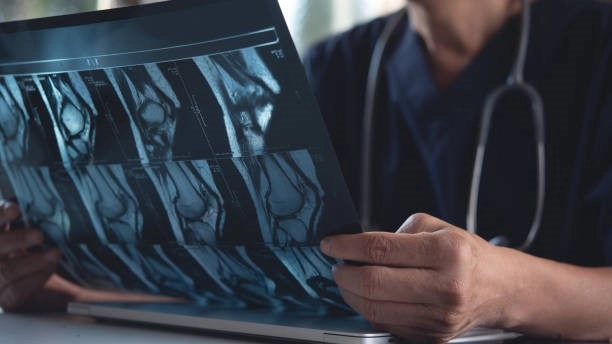
Used selectively to rule out a stress fracture or cartilage damage when symptoms are severe or not improving.
Training history review
Mileage, surfaces, footwear and recent changes in load are reviewed to understand why symptoms began.
An accurate diagnosis ensures treatment is matched to the real source of pain—not only the location where it is felt.
Book assessment →
Not every runner needs scans. Imaging is reserved for severe symptoms, persistent pain or when a stress fracture or cartilage injury must be ruled out.
Real People. Real Transformations.
I had Achilles tendon surgery earlier this year, and I couldn’t be more grateful for the care I received from Dr. Usama Hassan Saleh and his team. From the first consultation to the post-surgery follow-ups, everything was handled with professionalism, skill, and genuine compassion. The recovery process was smooth thanks to the clear guidance and support provided. I’m now fully recovered and almost back to my regular activities—truly thankful for the excellent care!
Dr. Usama is a great asset to the hospital, i was lucky enough that he did my operation and the amount of care and experience he has is priceless . A big thank as well to nurse Merin for her care, smile and professionalism. I am glads to be a patient for dr. Usama clinic 🙂
Local Guide
I have been using Dr. Usama medical advisory and treatment for over 3 years now for various skeletal and tendon issues I have had and every time I visit I am always being provided with top notch medical guidance, and treatment plans that has been proven most useful and reliable. On the other hand, his patient management and personal involvement are always great to have and very assuring.
I had my meniscus repair surgery with Dr Usama. Alhumdulillah from the get go he was honest and geniune about the whole process and recovery. Today I'm able to walk long distances and lift again with no pain. Hoping to run again soon inshallah.
Dr Usama Saleh is so professional and amazing everything with him went smoothly from before the surgery he prepared me mentally and after the surgery too, I highly recommend him to anybody having ACL or ligament or a shoulder problem now I’m 3 weeks after the surgery and my recovery process is faster because of the way he sitting my mind Thank you dr Usama and Medcare for the special treatment
Dr. Usama is amazing! He fixed my shoulder after spotting an MRI issue others missed, adjusting my physio for great results. He also performed flawless meniscus surgery on my knee, and his post-op care ensured a smooth recovery. When a minor issue arose later, he resolved it instantly. Grateful for his expertise and dedication—highly recommend!
Thank you Dr. Osama Hassan for your care and attention. Happy Eid.
Ma Shaa Allah Expert doctor with humanity manner Appreciate his work
Best doctor I've ever seen, highly recommend. He is very honest which is hard to find nowadays.


Despite reducing activity and allowing the initial irritation to settle.
This may indicate a stress fracture rather than diffuse shin splints.
Develops around the knee or shin.
Not only during running or exercise.
Despite following a runner’s knee or shin splints treatment plan.
A new exercise section with a different visual system.
The previous accordion-style block has been replaced with a more premium card layout so it does not repeat the diagnosis section. Exercises are clearer, faster to scan and visually stronger.
Straight leg raises
Build quadriceps strength without loading the kneecap directly.
3 sets × 15 reps dailyClamshells
Target the hip abductors that help control kneecap alignment.
3 sets × 15 reps per sideWall sits
Improve quadriceps endurance progressively without aggressive joint loading.
20–30 seconds × 3 repsStep-downs
Retrain controlled knee movement under load and improve alignment.
3 sets × 10 reps per legShin splints recovery work
Calf raises and ankle mobility help the lower leg tolerate gradual return to running.
Low-impact cross-training
Swimming or cycling can maintain fitness while reducing repetitive stress during recovery.
Exercises to avoid during a flare-up
- Hill running or sprinting, which load both the knee and shin more heavily.
- Any exercise that reproduces sharp pain rather than mild working discomfort.
Pushing through can create a larger problem.
Continued poor tracking or repetitive impact can progress beyond the original irritation and lengthen recovery.
Progression to Cartilage Damage
Continued poor kneecap tracking increases friction behind the kneecap with every stride, potentially progressing to cartilage wear over time.
Progression to Stress Fracture
Ignored shin splints can progress to a tibial stress fracture, requiring a significantly longer recovery and sometimes non-weight-bearing rest.
Chronic Compensation Patterns
Runners may shift stress to the hip, opposite leg or lower back, creating a second problem on top of the original injury.
A gradual return not a rushed restart.
Recovery varies with severity, diagnosis and adherence to the rehabilitation and load-management plan.
Settle and redirect load
Activity modification begins, with targeted strengthening or low-impact cross-training.
Progressive loading
Gradual reintroduction of running at reduced volume as symptoms and control improve.
Return to full running
Full mileage is restored progressively, with ongoing strength work to reduce recurrence.
| Condition | Light Activity | Full Running |
|---|---|---|
| Runner’s knee | 1 to 2 weeks | 6 to 8 weeks |
| Shin splints (mild) | 2 weeks | 4 to 6 weeks |
| Shin splints (moderate to severe) | 3 to 4 weeks | 8 to 12 weeks |
Dr. Usama Hassan Saleh
Fellowship-trained sports orthopedic surgeon with 23 years treating running-related overuse injuries in Dubai and the UAE.
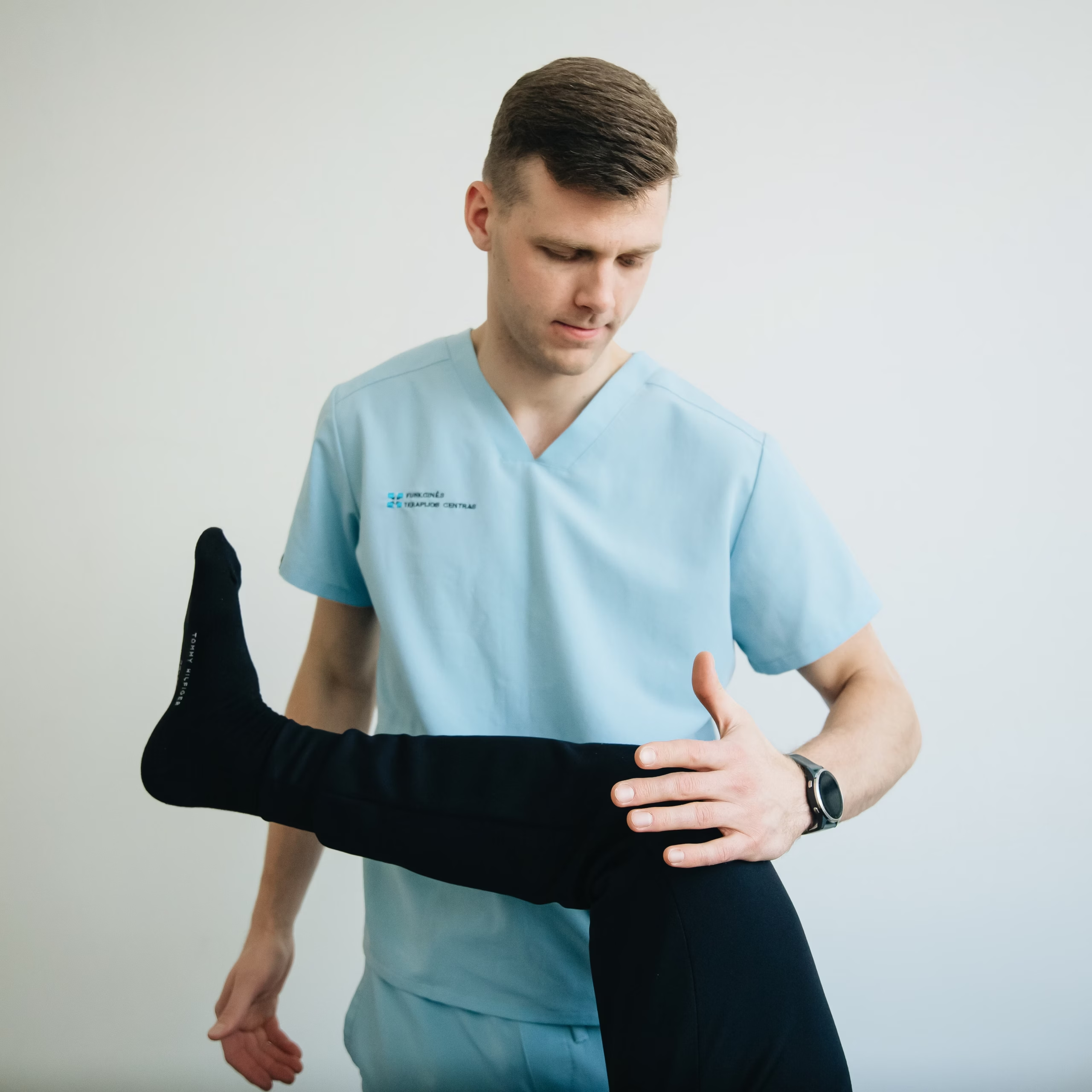
A root-cause approach for runners.
Runner’s knee treatment focuses on the biomechanical reason symptoms develop—not a generic rest prescription.
Sports Medicine Fellowship Training
Advanced training at the University of Toronto in running-related overuse injuries.
Root-Cause Treatment
Focus on correcting the biomechanical cause, not just resting and hoping symptoms fade.
In-House Physiotherapy Coordination
Rehabilitation programs are structured alongside Dr. Usama’s assessment.
23 Years in Dubai
Deep familiarity with the training patterns and surfaces common to Dubai runners.
Discuss recurrent knee or shin pain with a sports orthopedic specialist.
Book consultation →Return to the running routes you know.
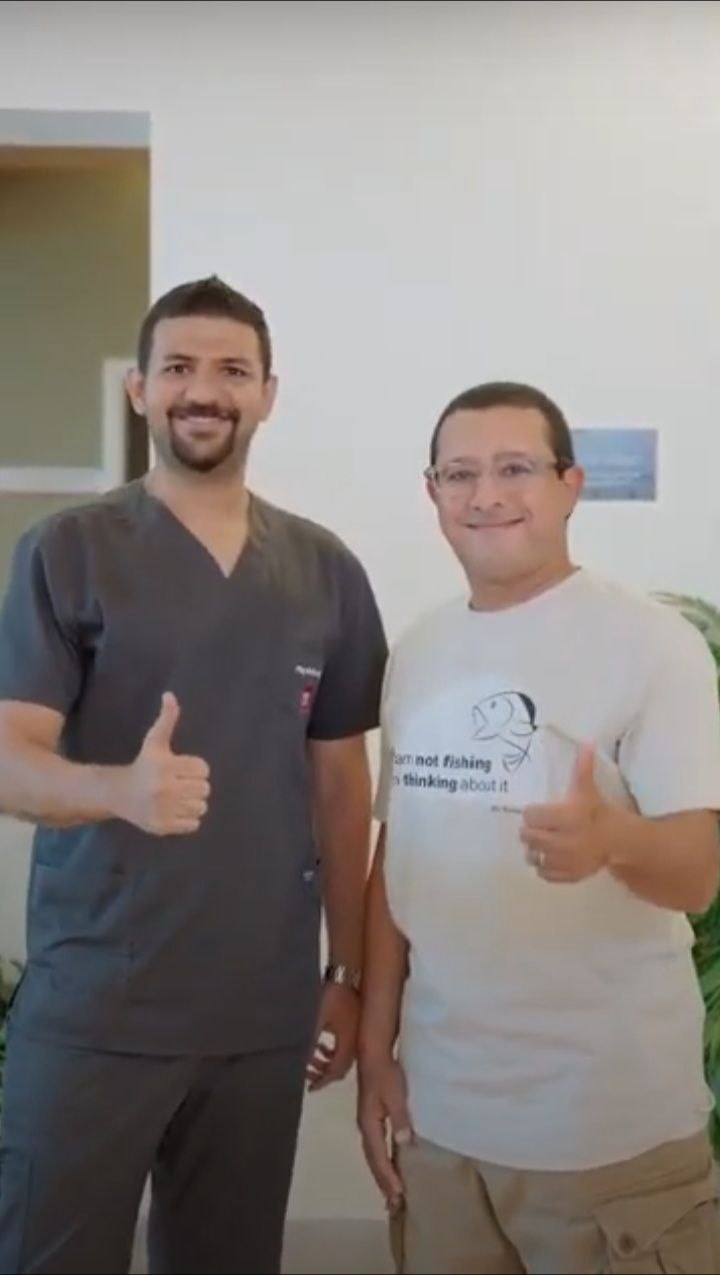
From the Kite Beach boardwalk to Dubai Marathon training season, runner’s knee and shin splints are conditions regularly assessed at Medcare MOSH on Sheikh Zayed Road.
Dr. Usama Hassan Saleh · Medcare MOSH
Sheikh Zayed Road, Dubai, UAE · Tel: (04) 4079 100 · WhatsApp: +971 56 785 3864
Frequently asked questions
These are the questions Dubai runners ask most often about runner’s knee treatment and shin splints, and Dr. Usama answers them at every Dubai consultation.
Runner's knee treatment centers on targeted hip and quad strengthening to correct kneecap tracking, combined with temporary activity modification. Most cases improve significantly within 6 to 8 weeks of consistent exercise, without needing surgery.
There is no true shortcut, but consistent hip and quad strengthening exercises, done correctly and combined with reduced high-impact load, produce the fastest genuine improvement in runner's knee treatment. Skipping straight to rest without addressing the underlying weakness often leads to recurrence.
Continuing to run through shin splints raises the risk of progressing to a tibial stress fracture. Shin splints treatment typically requires reducing or pausing running temporarily while maintaining fitness through low-impact cross-training such as swimming or cycling.
Shin splints cause diffuse pain along a broad section of the inner shin that eases with rest, while a stress fracture produces a more focal, pinpoint area of tenderness that can worsen even with walking. Persistent focal shin pain should be assessed rather than assumed to be simple shin splints.
Mild runner's knee can improve with reduced activity alone, but the underlying muscle imbalance that caused it typically does not resolve without targeted strengthening. Without addressing hip and quad weakness, runner's knee treatment through rest alone often results in symptoms returning once running resumes.
Most UAE insurance plans, including Daman, DHA, Cigna, AXA, Bupa, MetLife, GlobeMed, NAS, and NextCare, cover medically necessary runner's knee treatment and shin splints assessment. Dr. Usama's team at Medcare MOSH verifies your coverage before any treatment plan begins.
Related Conditions and Treatments
Explore related ligament conditions, joint-specific stabilization procedures, and non-surgical biological treatment options available across Dr. Usama Saleh’s sports injury practice in Dubai.
Sports Injuries Hub
Browse the complete overview of sports injury conditions, diagnostic pathways, non-surgical options, and surgical treatments provided by Dr. Usama Saleh in Dubai.
Take control of your health, mobility, and quality of life.
Your First Step Toward a Stronger Tomorrow Starts Now:
Book your personal consultation with Dr. Usama Saleh today and begin your journey to a better you.
Thank you — your message was sent.
erhan