01
Arthroscopic Capsular Release
Small keyhole incisions are used to cut through the tightened capsule under direct camera visualization, restoring motion with minimal tissue disruption.
Comprehensive solutions for shoulder conditions and advanced surgical repairs.
Expert care for ligament tears, joint degeneration, and knee reconstruction.
Specialized recovery plans to return athletes to peak performance.
Immediate and reconstructive care for complex bone injuries and trauma.
Expert management for spinal discs, sciatica, and hip impingement.
Advanced regenerative therapies and conservative treatment options.
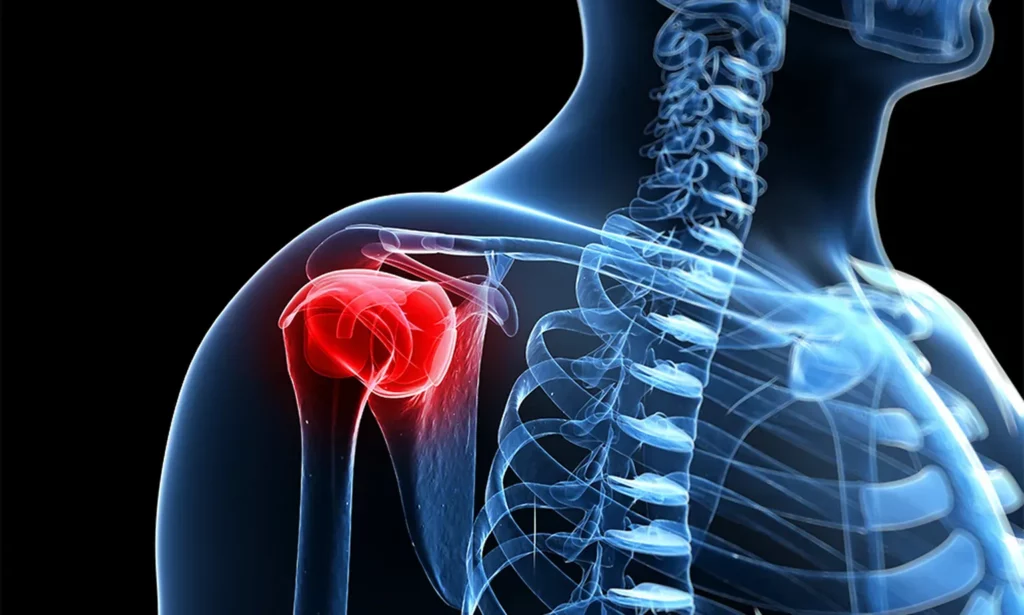
When months of physical therapy haven't restored movement, a frozen shoulder operation may be the next step. Dr. Usama Saleh performs arthroscopic frozen shoulder release in Dubai for patients whose adhesive capsulitis hasn't responded to conservative care.
 DR. USAMA SALEHOrthopedic Surgery
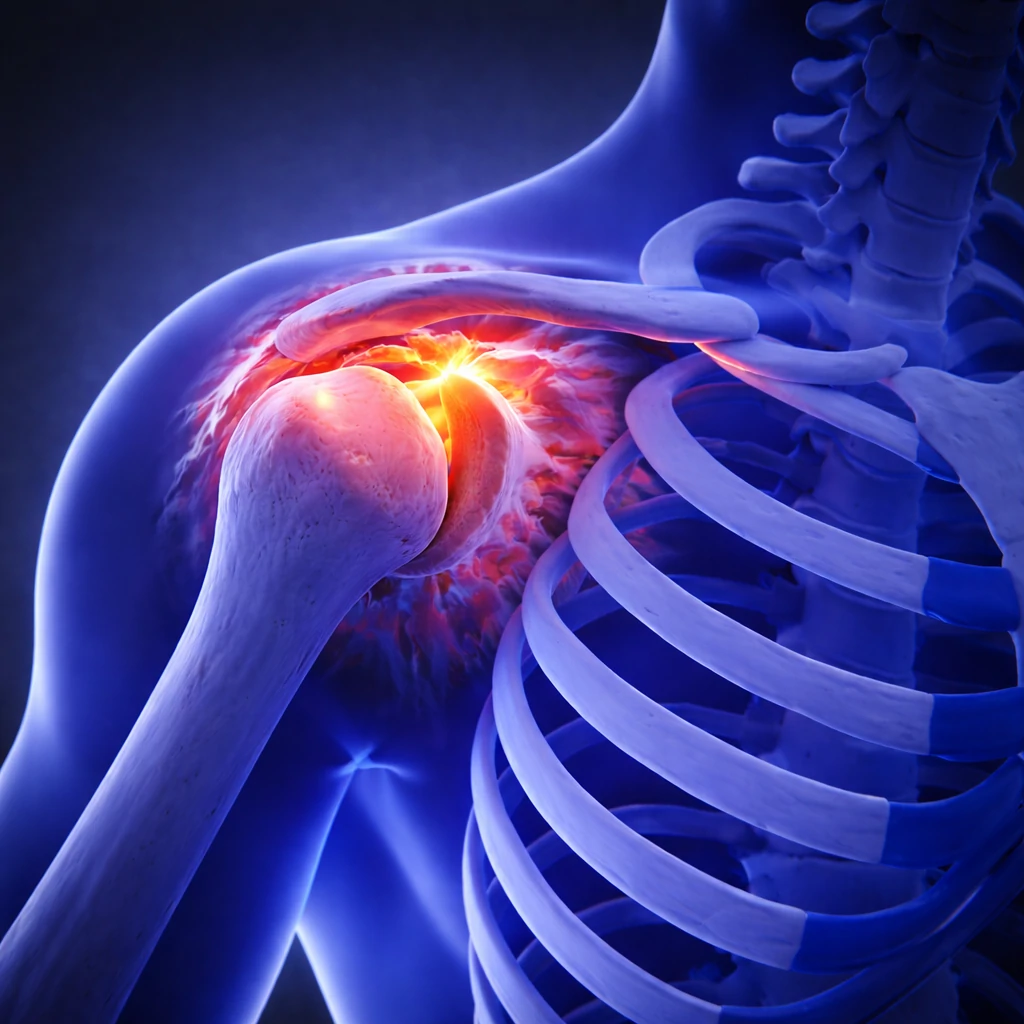
Frozen shoulder, medically called adhesive capsulitis, happens when the capsule surrounding the shoulder joint thickens and tightens, restricting movement in every direction. A frozen shoulder operation, most often an arthroscopic capsular release, surgically divides that tightened capsule to restore the joint's range of motion when stretching and physical therapy alone haven't been enough.
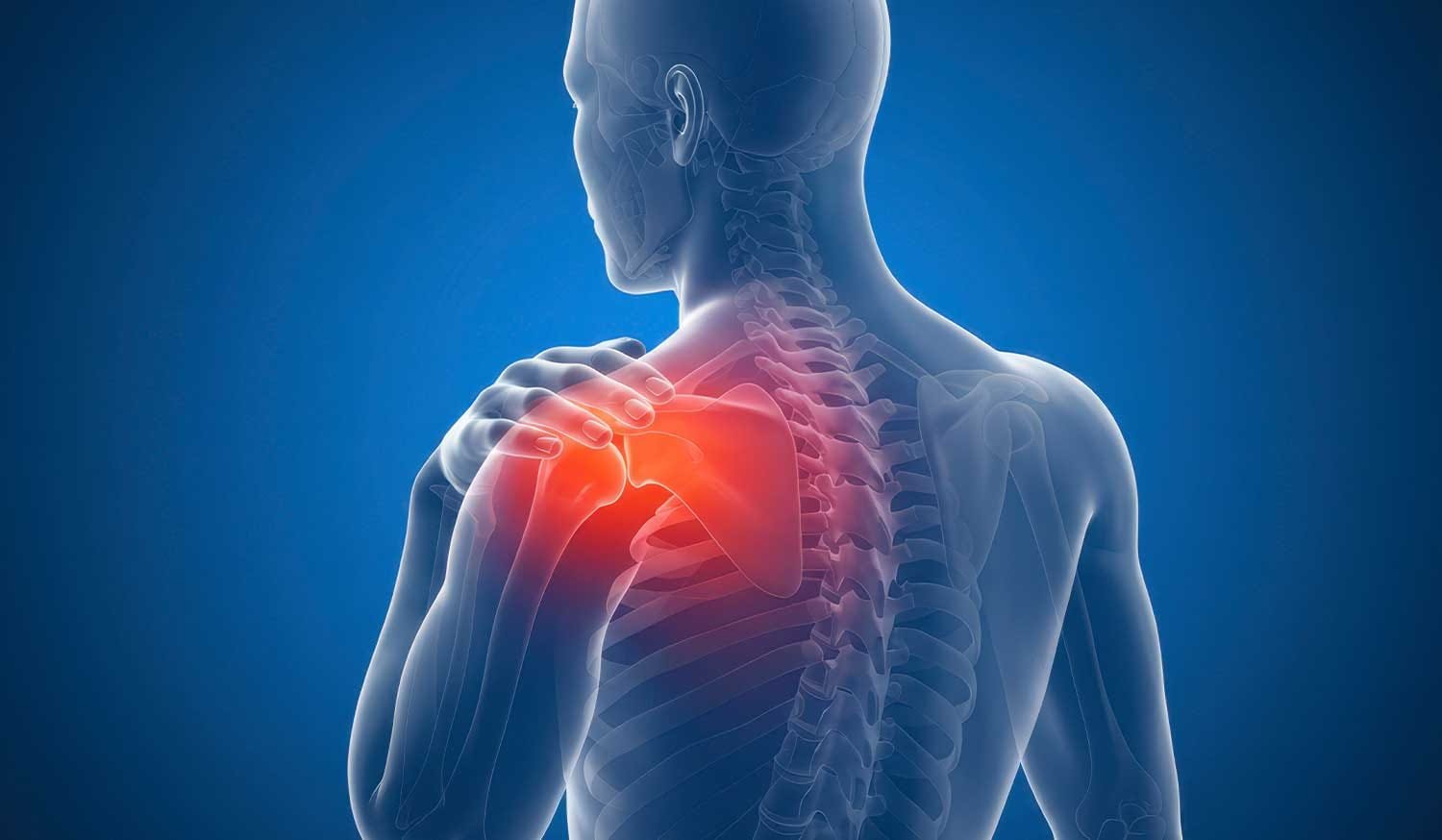
Small keyhole incisions are used to cut through the tightened capsule under direct camera visualization, restoring motion with minimal tissue disruption.
In select cases, the shoulder is gently moved through its full range while the patient is under anesthesia, stretching and tearing adhesions without incisions.
Not every stiff shoulder needs a frozen shoulder operation. The vast majority of adhesive capsulitis cases eventually loosen on their own with time and consistent stretching. A frozen shoulder operation becomes the right conversation only once that natural process has clearly stalled despite genuine effort at conservative treatment.
Frozen shoulder often resolves on its own over 12 to 18 months, and most patients are managed successfully with physical therapy, stretching, and sometimes a cortisone injection during that window. A frozen shoulder operation is considered specifically when:

Six or more months of structured physical therapy and stretching haven't meaningfully improved range of motion.
Pain and stiffness are severely limiting daily function: dressing, reaching, sleeping.
The frozen phase has plateaued rather than gradually improving, with no sign of the natural thawing stage beginning.
Imaging and examination confirm capsular thickening consistent with adhesive capsulitis rather than another cause of stiffness.
Every stage has a different treatment focus.
Pain management, gentle range-of-motion work, activity modification
Structured physical therapy, stretching, cortisone injection if needed
Continued mobility work as motion gradually returns
Surgery is never the first step. Dr. Usama Saleh exhausts non-surgical options first, and a frozen shoulder operation is only discussed once a genuine, structured course of conservative treatment hasn't produced the expected improvement. That threshold protects patients from an unnecessary procedure while making sure a frozen shoulder operation isn't delayed indefinitely once it's genuinely needed.
It's worth noting that frozen shoulder tends to progress through its three stages at very different speeds from one patient to the next, which is why Dr. Usama Saleh reassesses progress at each visit rather than applying a fixed timeline before considering a frozen shoulder operation.
Candidacy isn't just about how long you've had symptoms. Dr. Usama Saleh looks at how you've responded to therapy so far, what's driving the stiffness on imaging, and whether any underlying conditions like diabetes need to be optimized before surgery is scheduled.
You've completed at least 4 to 6 months of consistent physical therapy without meaningful improvement
Stiffness is significantly limiting work, sleep, or daily activities
Imaging confirms capsular thickening rather than a rotator cuff tear or arthritis as the primary cause
You're still in the early freezing stage and haven't completed a structured therapy course
Diabetes or thyroid conditions are poorly controlled, both of which affect frozen shoulder healing and surgical outcomes
Imaging suggests a different underlying cause that needs to be addressed first
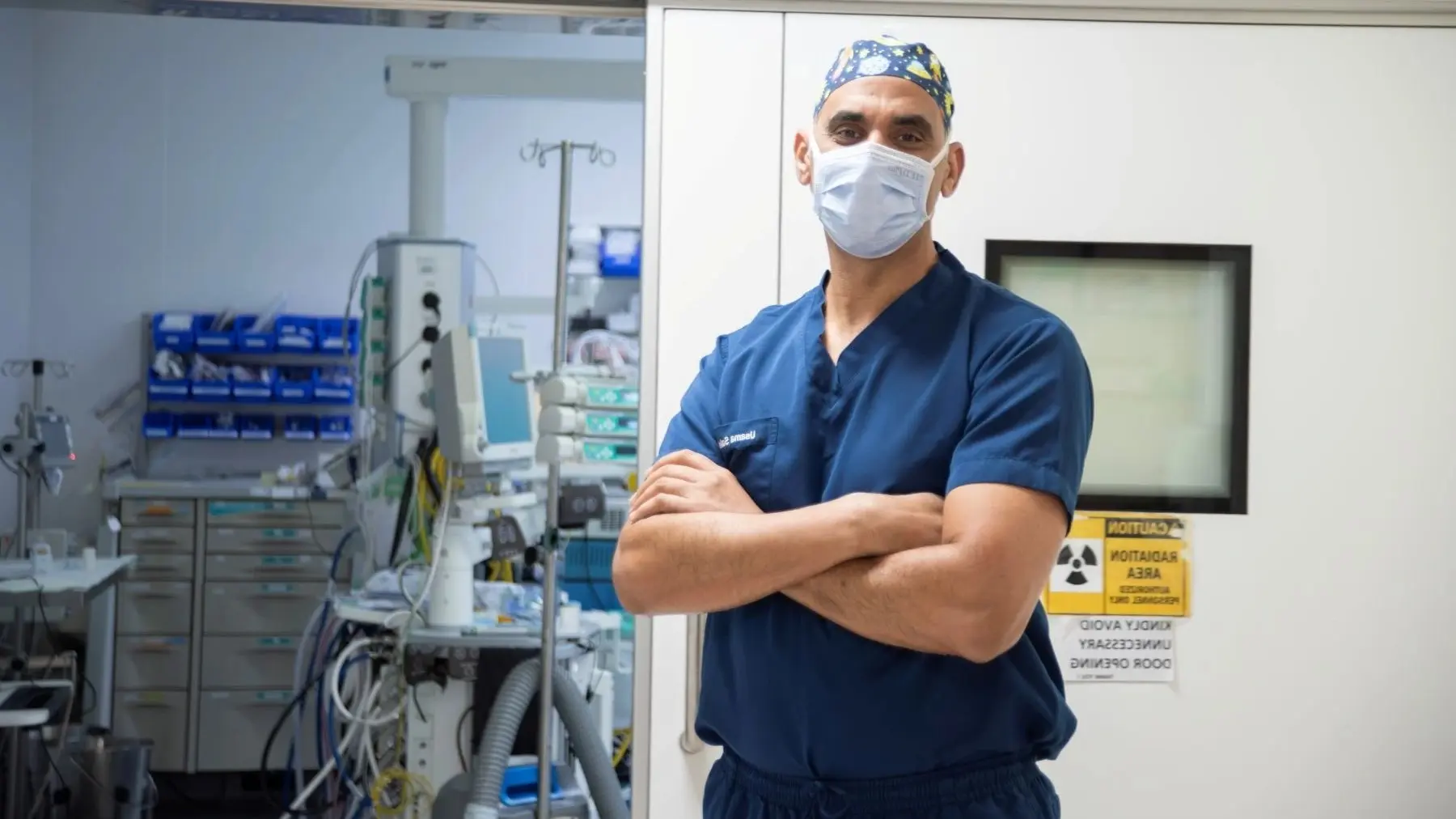
Good preparation makes a real difference to how smoothly the day of surgery goes and how quickly rehabilitation can start afterward. Here's what to expect in the lead-up:
Pre-operative consultation reviewing your therapy history, imaging, and overall health, including diabetes or thyroid screening if not already done.
Medication review: blood thinners and certain medications are adjusted in the days before surgery.
Smoking cessation is strongly advised in the weeks leading up to surgery, as it affects healing.
Fasting instructions before general or regional anesthesia, typically no food or drink after midnight the night before.
Arrange for someone to drive you home and help for the first few days, since the operated arm will be in a sling.
The procedure itself is typically completed within 30 to 60 minutes, though total time in the surgical suite including anesthesia will run longer. Here's the general sequence:
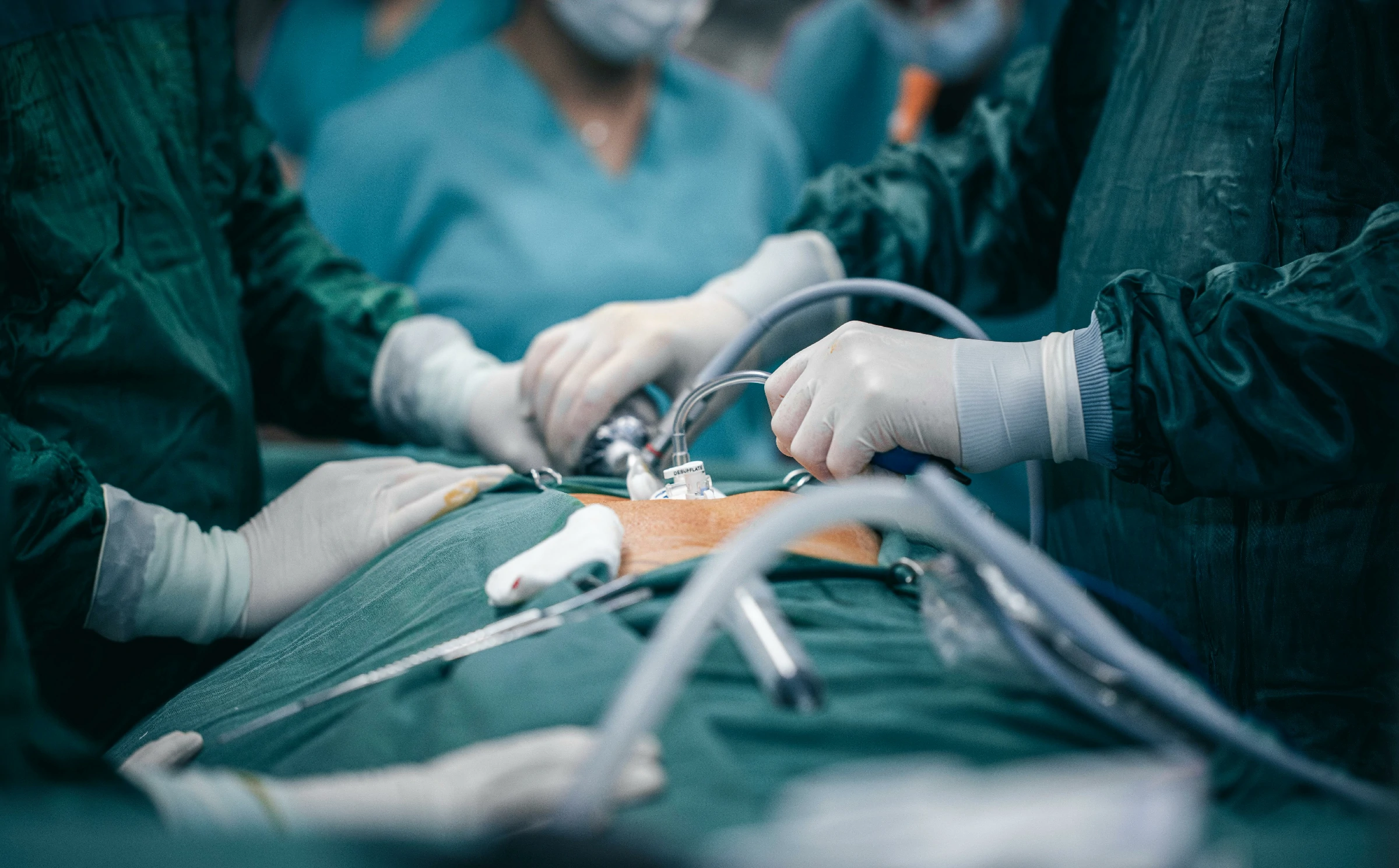
Anesthesia is administered, typically a regional nerve block combined with light sedation or general anesthesia.
Small arthroscopic portals, usually 2 to 3 keyhole incisions, are created around the shoulder.
A camera is inserted to directly visualize the thickened joint capsule.
Specialized instruments are used to carefully release the tightened capsule in a controlled sequence, restoring the joint's normal range.
If appropriate, gentle manipulation is performed to confirm the full range of motion has been restored.
The portals are closed with small sutures, and the arm is placed in a sling before you're moved to recovery.
This area is reserved for authentic patient testimonials once quotes are verified and approved for publication.
As with any surgical procedure, it's important to go in with realistic expectations about both the benefits and the risks. Here's an honest picture of what patients typically experience:
Temporary post-operative pain and swelling, managed with medication
Rare risk of infection, minimized with sterile arthroscopic technique
Stiffness can partially recur if post-operative physical therapy isn't followed consistently
As with any shoulder surgery, a small risk of nerve irritation exists, typically temporary
In transparency: the outcome of a frozen shoulder operation depends heavily on committed post-operative physical therapy. Surgery restores the joint's mechanical range, but keeping that range requires the follow-up rehabilitation work; skipping it is the most common reason motion is lost again after an otherwise successful procedure.
Outcome data for a well-selected frozen shoulder operation is generally favorable, with most patients regaining the great majority of their pre-frozen range of motion. Results are strongest in patients who begin physical therapy promptly and attend consistently through the full recovery window.
Recovery isn't a straight line for every patient, and progress in the first couple of weeks after a frozen shoulder operation can feel slower than expected simply because the tissue needs time to settle before therapy can be pushed harder. Here's the general timeline most patients follow:
Sling use, pain management, gentle passive range-of-motion exercises begin almost immediately
Structured physical therapy progresses to active-assisted movement
Strengthening phase begins as motion continues to improve
Most patients reach their full expected range of motion, though this varies by case
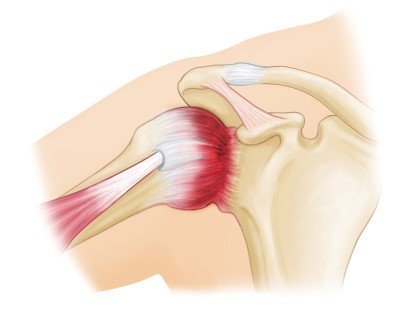
Physical therapy starting within days of the frozen shoulder operation is what preserves the motion gained during surgery. Patients who begin and stick with their rehabilitation program see the most durable results. Missing this early window is one of the few controllable factors that affects how well a frozen shoulder operation holds up over time.
Frozen shoulder can be a frustrating, drawn-out condition, and by the time surgery becomes a real consideration, most patients have already been managing pain and restricted movement for many months. Dr. Usama Saleh's approach is built around getting patients an honest answer quickly, rather than open-ended reassurance to keep waiting.
Surgery is only discussed after a genuine trial of non-surgical care has been exhausted.
Advanced arthroscopic shoulder training beyond standard orthopedic residency.
Minimally invasive technique for less tissue disruption and a smoother recovery.
Two decades of orthopedic surgical and non-surgical shoulder practice.
Dr. Usama Saleh treats frozen shoulder patients from across Dubai at his Sheikh Zayed Road clinic, with many patients traveling from Downtown Dubai, Business Bay, Dubai Marina, and Jumeirah. Shoulder surgery in Dubai, including arthroscopic frozen shoulder release, is performed at a MOSH licensed facility with full sterile surgical standards. Patients considering a frozen shoulder operation in Dubai often start with a second opinion consultation to confirm surgery is genuinely the right next step before committing.
Sheikh Zayed Road and DIFC
Downtown Dubai and Business Bay
Dubai Marina and JBR
Jumeirah and Al Barsha
Surgery is considered when 4 to 6 months or more of structured physical therapy hasn't meaningfully improved range of motion, or when stiffness is severely limiting daily function.
Most patients reach their full expected range of motion within 3 to 6 months, though early motion gains are often noticeable within the first few weeks with consistent physical therapy.
Capsular release surgically divides the tightened capsule under direct camera visualization through small incisions, while manipulation under anesthesia stretches and tears adhesions by moving the joint without any incisions. The right choice depends on the individual case.
Coverage varies by plan and depends on whether conservative treatment has been documented and deemed insufficient. The clinic team can help verify your specific policy's coverage before scheduling.
Post-operative discomfort is managed with pain medication and a regional nerve block that provides relief in the initial recovery period. Most patients describe the pain as manageable and improving steadily each week.
Recurrence is uncommon when post-operative physical therapy is followed consistently. Skipping rehabilitation is the most common reason motion is gradually lost again after surgery.
Cost depends on the specific technique used and whether manipulation under anesthesia or full arthroscopic release is required. The clinic provides a written cost breakdown after the consultation confirms which approach fits your case.
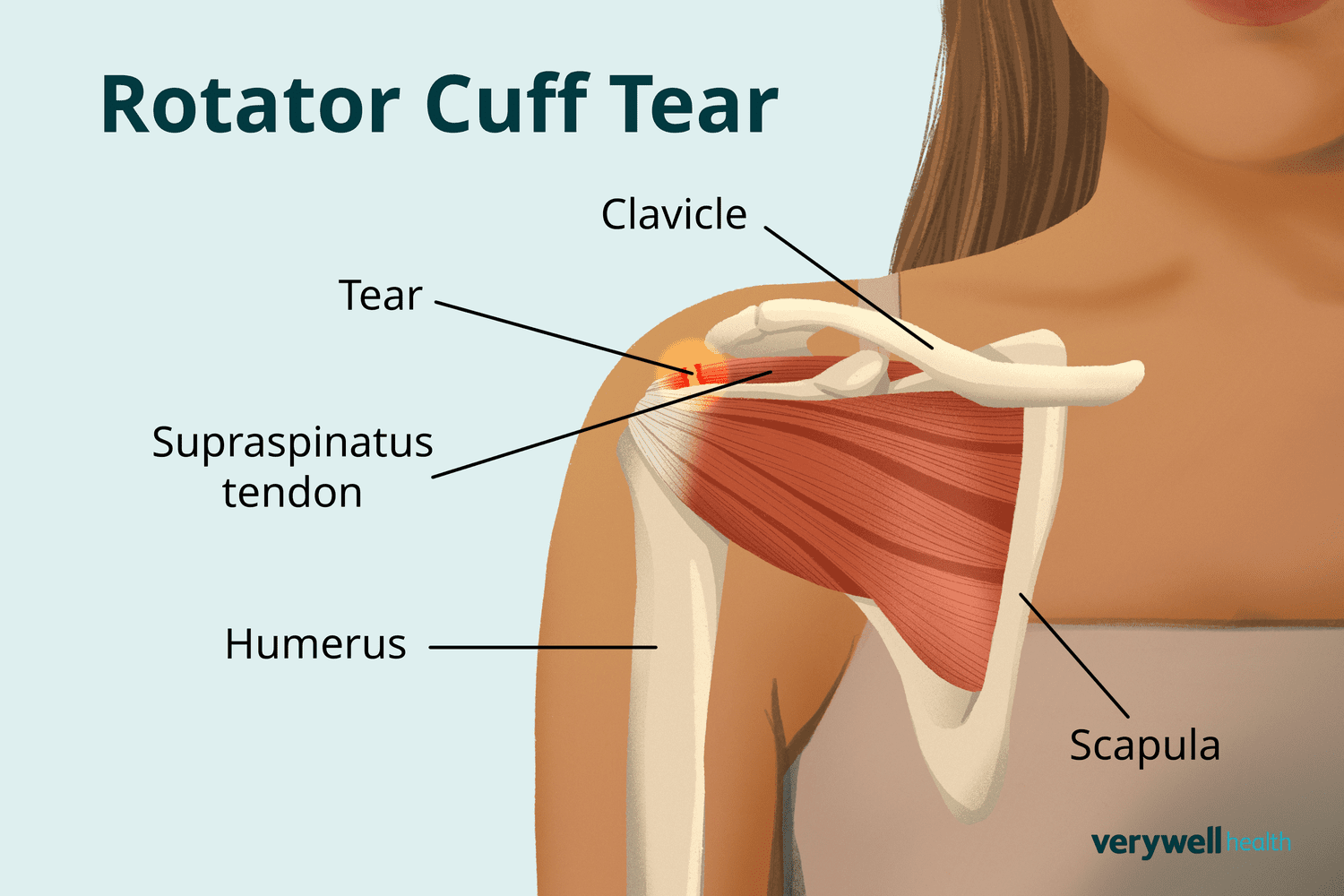
No. A frozen shoulder operation addresses a tightened joint capsule restricting movement, while rotator cuff surgery repairs torn tendon tissue. The two conditions can sometimes coexist, which is why an accurate diagnosis matters before any surgery is planned.
Get an honest assessment of whether surgery is the right next step for your shoulder.
Book a Consultation