Hip, Back & Spine Care

Sciatica Treatment in Dubai

Herniated Discs and Nerve Pain

Sciatica treatment at Medcare MOSH addresses the radiating leg pain caused by a herniated disc pressing on a spinal nerve, one of the most common reasons Dubai patients seek Dr. Usama's back pain doctor practice.

23 Years Experience treating orthopedic conditions in Dubai
Toronto Fellowship Advanced orthopedic training
Medcare MOSH Sheikh Zayed Road · Dubai
Fact-checked by Dr. Usama Hassan Saleh, MD, PhD, MRCS (UK)
Dr. Usama Hassan Saleh orthopedic surgeon Dubai
Orthopedic Surgeon

Dr. Usama Hassan Saleh

Orthopedic, trauma and sports injury surgeon providing specialist care in Dubai.

Medcare MOSH · Dubai
Conservative-first care Surgery only when the clinical picture genuinely requires it.
Specialist assessment Sheikh Zayed Road
Clinical Overview

What Is Sciatica?

Sciatica treatment addresses pain that radiates along the sciatic nerve, from the lower back through the buttock and down the back of the leg, most often caused by a herniated disc pressing on a spinal nerve root. It is not a diagnosis in itself but a symptom pattern, and correctly identifying the underlying cause is the first step in any effective sciatica treatment plan Dr. Usama builds for his Dubai patients.

01
What It IsNerve pain radiating from the lower back into the leg, most often from a herniated disc.
02
Who Treats ItDr. Usama Saleh, fellowship-trained orthopedic surgeon, 23 years in Dubai.
03
WhereMedcare Orthopaedics and Spine Hospital (MOSH), Sheikh Zayed Road, Dubai.
Mechanical Back PainSciatica
Stays localized to the lower back.Radiates through the buttock, often below the knee.
Usually muscle strain or joint irritation.Usually nerve compression, commonly a herniated disc.
General back care may help.The specific nerve compression must be addressed.
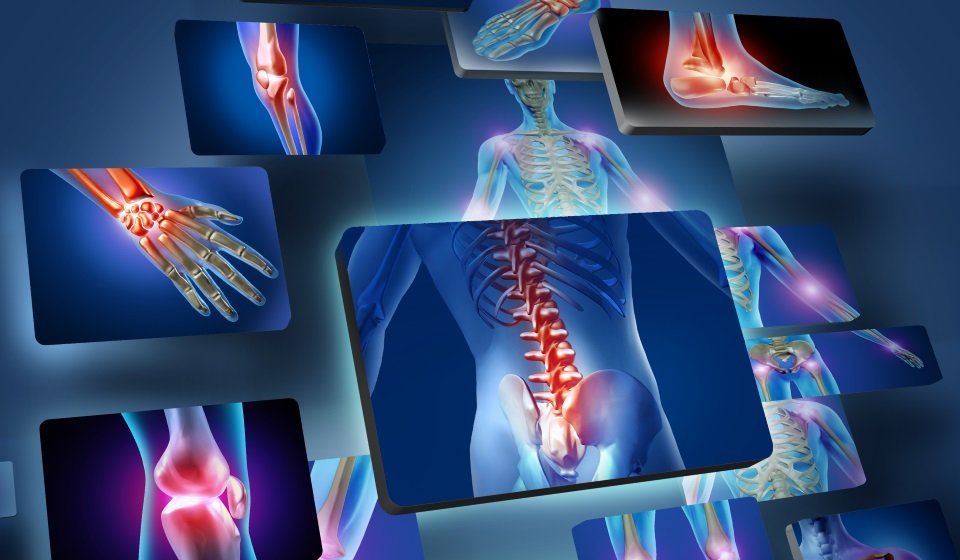
Medical illustration showing spine and lower back pain01
Pain pathwayRadiating pain follows the nerve, not just the lower back.
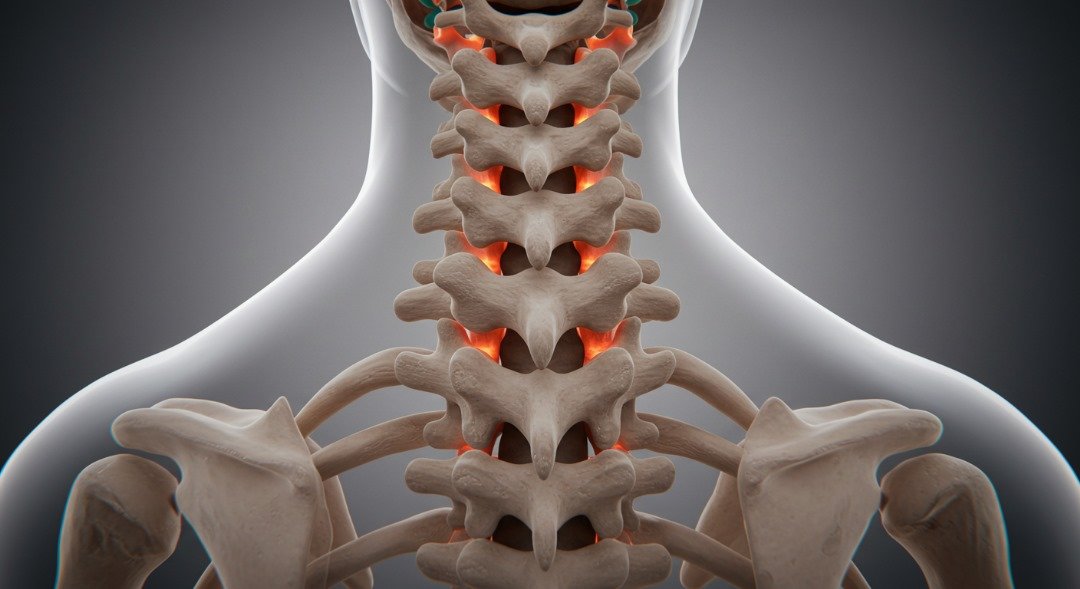
Spinal anatomy illustration02
Spine mechanicsA disc can irritate or compress a nearby nerve root.
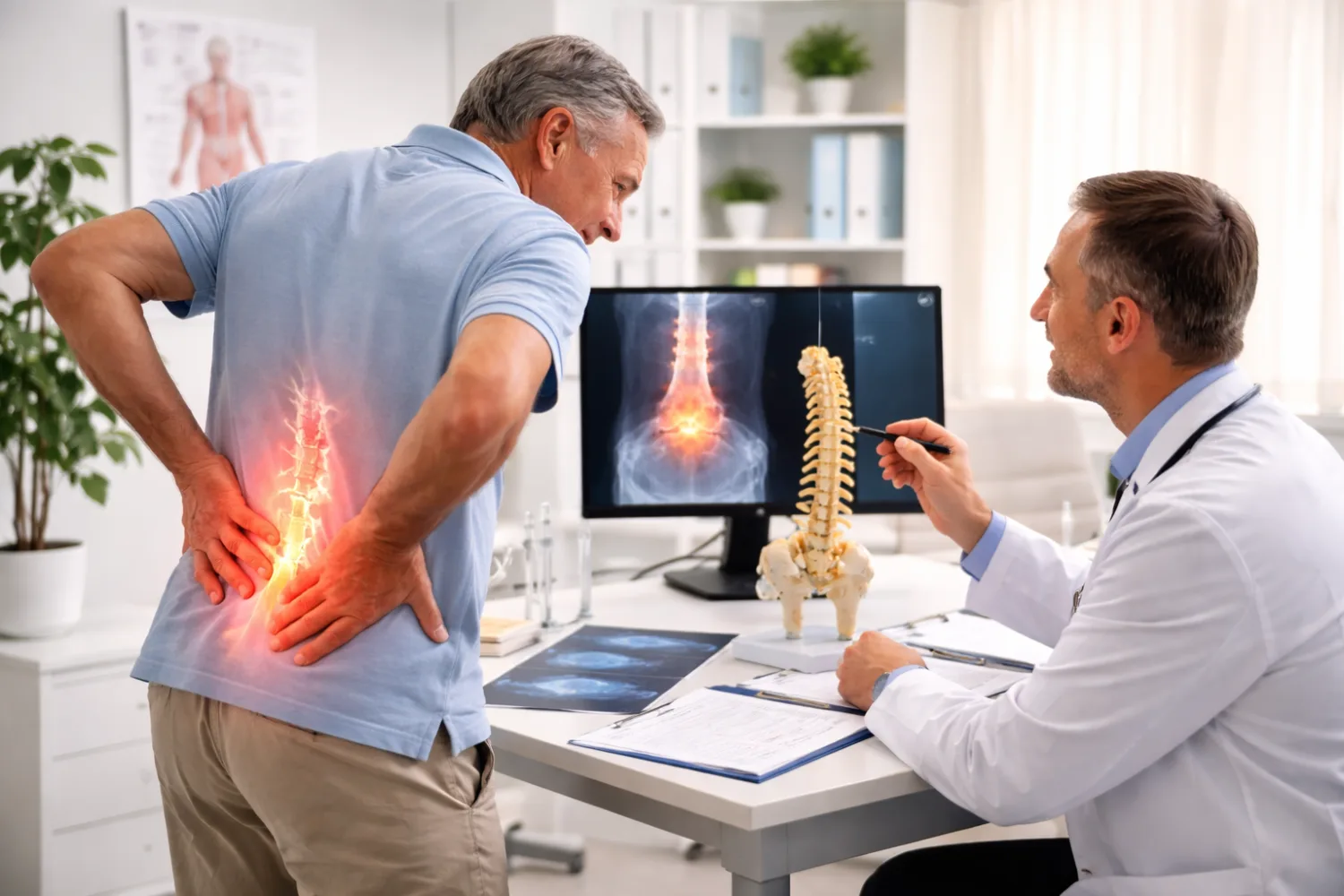
Doctor explaining lower back pain using spine imaging03
Diagnosis firstImaging findings are matched to the clinical pattern.
Disc Mechanics

What Causes a Herniated Disc?

The spinal discs act as cushions between the vertebrae. A herniated disc occurs when the soft inner material pushes through a weakened outer layer, often bulging directly onto a nearby spinal nerve, which is what triggers the radiating pain that sciatica treatment is designed to relieve.


Weight lifting movement and lower spine loading
Loading pattern

Repetitive lifting & twisting

Poor technique, particularly twisting under heavy load, can place repeated stress on lumbar discs.

Running activity representing repeated physical load
Capacity & recovery

Sudden or repetitive stress

Activity spikes, trauma and inadequate recovery can exceed the disc's ability to tolerate load.

Medical illustration of spine and musculoskeletal pain
Disc resilience

Degeneration & prolonged sitting

Age-related disc changes and long periods of sitting can reduce flexibility and increase lumbar pressure.

Age-related degeneration Discs lose water content and flexibility over time.
Poor lifting technique Twisting while lifting a heavy load increases disc stress.
Sudden trauma A fall or car accident can trigger acute disc damage.
Prolonged sitting Desk-based work increases pressure on lower spinal discs.
Risk factors: excess body weight, a sedentary lifestyle combined with occasional intense activity, and genetic predisposition to disc degeneration.
Recognize the Pattern

Symptoms of Sciatica

Most sciatica affects one side of the body only. The combination of pain location, sensory changes and weakness helps identify which nerve root may be involved.

Composite,Image,Of,A,Woman,Running,In,A,Track,And
01
Pain pattern

Radiating leg pain

Pain travels from the lower back through the buttock and down one leg, often past the knee.
Lower back → buttockOften below knee
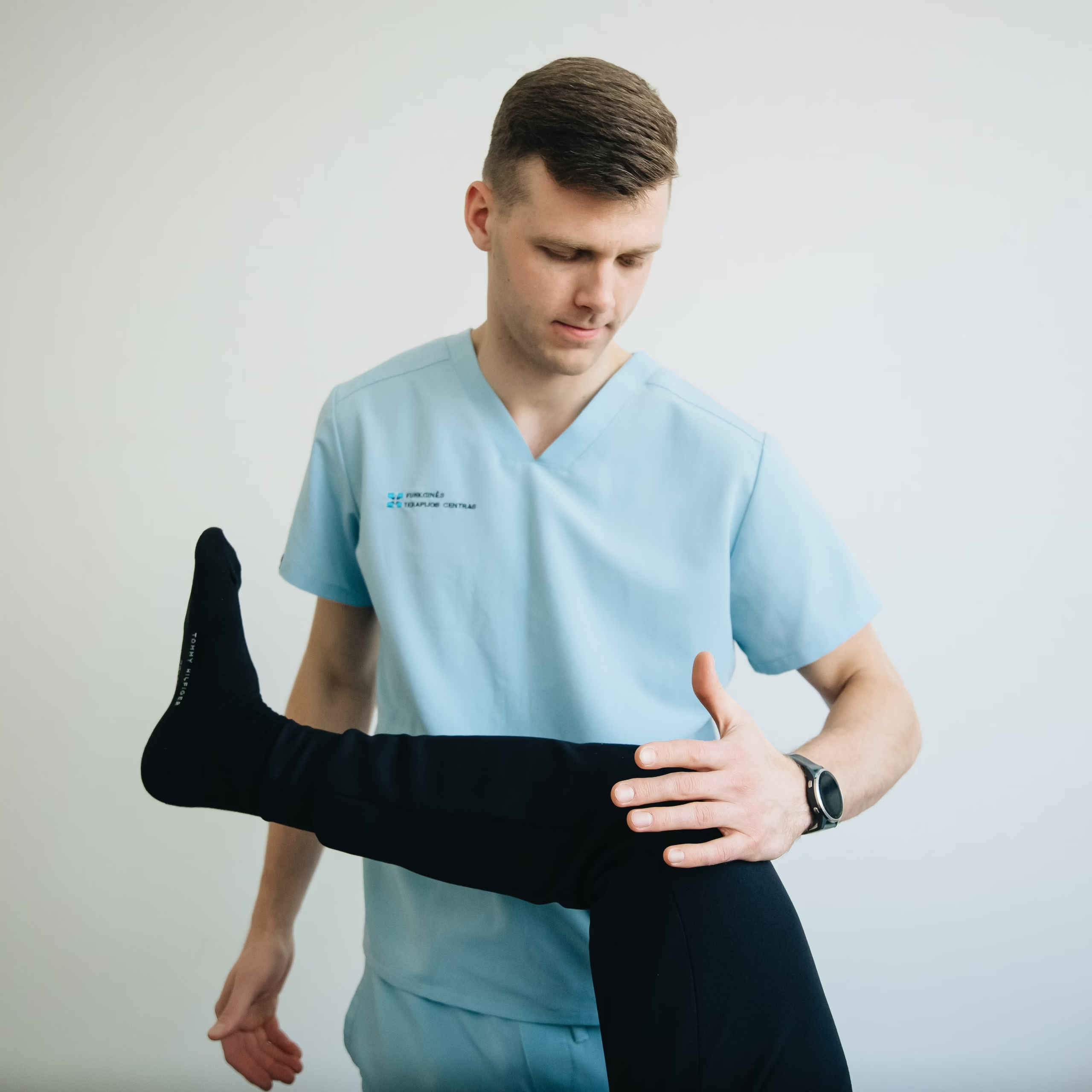
Physiotherapist performing lower limb clinical assessment
02
Nerve function

Numbness, tingling & weakness

Altered sensation may follow the sciatic nerve pathway. Weakness can become noticeable when climbing stairs or standing from a seated position.
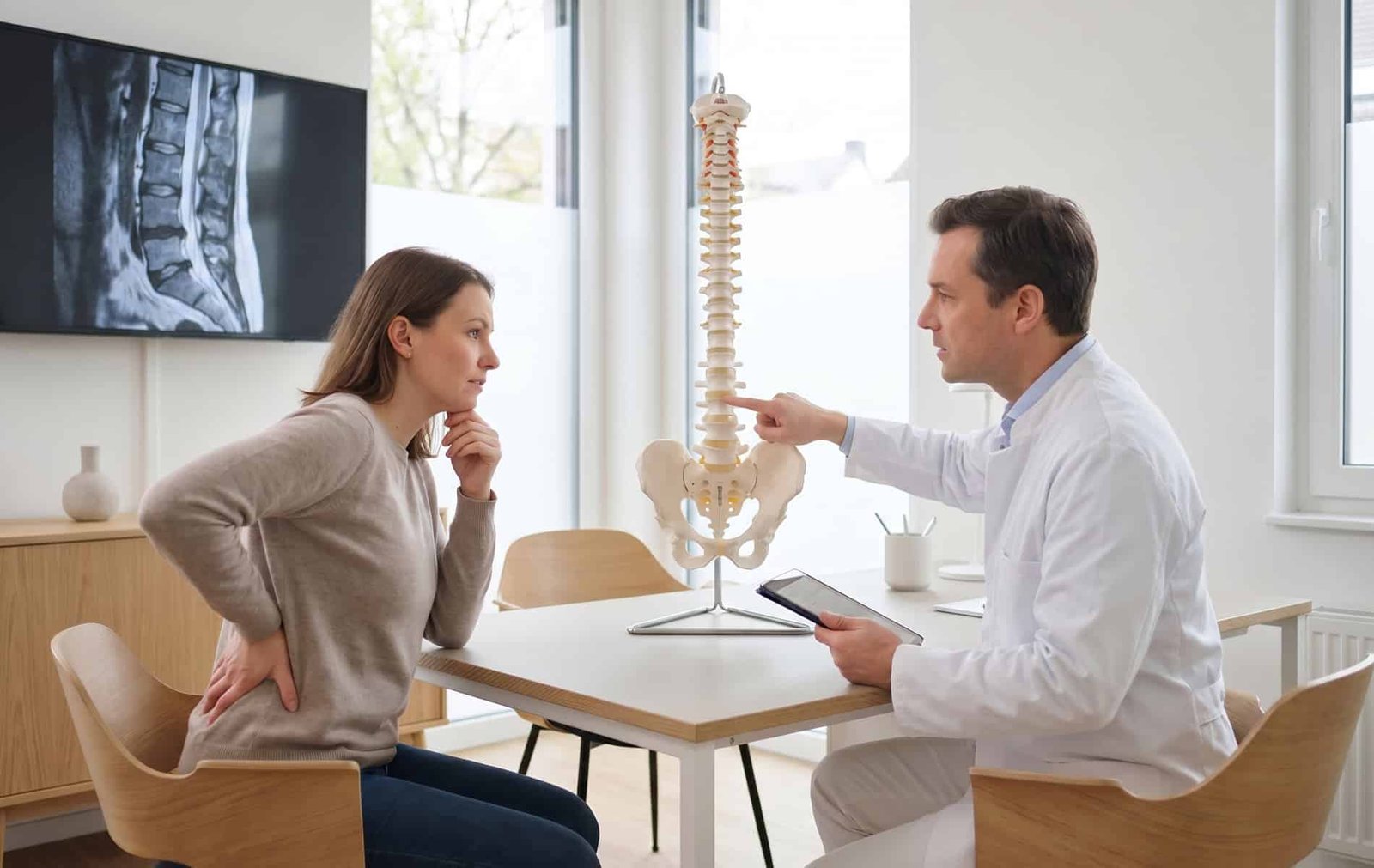
Pins & needlesLeg weaknessFoot symptoms
Clinical consultation for lower back and sciatic nerve pain
03
Aggravating signs

Worse with sitting, coughing or sneezing

Changes in spinal pressure can aggravate an irritated nerve root, making certain positions or actions noticeably more painful.

Prolonged sittingCoughingSneezing
!
Urgent red flagBilateral symptoms, progressive weakness, or loss of bladder or bowel control warrant urgent same-day assessment rather than routine sciatica treatment scheduling.
Accurate Diagnosis

How Dr. Usama Diagnoses Sciatica in Dubai

The clinical examination is matched with imaging and the exact symptom pattern before the final sciatica treatment plan is selected.

Diagnostic Sequence Four layers of clinical confirmation
Step 02 Advanced Imaging

MRI

The gold standard for confirming a herniated disc and identifying exactly which level and nerve root is affected.

Step 03 Structural Review

X-ray

Used to rule out other causes such as spinal instability or bone spurs.

Clinical Principle The right diagnosis comes before the right treatment.
Diagnosis First
Conservative First

Sciatica Treatment Options in Dubai

The large majority of sciatica treatment at Medcare MOSH is conservative. Surgery is reserved for cases that fail genuine conservative care or present with red-flag symptoms.

Track 01 Non-Surgical Sciatica Treatment
Conservative care

Physiotherapy

Nerve-gliding exercises and core stabilization.

Symptom control

Anti-inflammatory Medication

Used to reduce nerve irritation during the acute phase.

Load management

Activity Modification

Avoid prolonged sitting and heavy lifting while the disc heals.

Targeted intervention

Epidural Steroid Injections

For significant pain that limits participation in physiotherapy.

Track 02 Surgery When Needed
Surgical decompression

Microdiscectomy

Minimally invasive removal of the disc portion pressing on the nerve.

Nerve pressure relief

Laminectomy

Removal of a small portion of bone to relieve more extensive nerve pressure.

Clinical decision

When Surgery Is Considered

Usually after 6+ weeks of genuine conservative care, or immediately for red-flag symptoms.

The treatment pathway is selected according to the source and severity of nerve compression, clinical examination, imaging findings, and response to conservative care.

Symptom Triage

When Should You See a Doctor for Sciatica?

The urgency of assessment depends on how long symptoms persist, whether daily function is affected, and whether neurological warning signs are progressing.

01

Symptoms last 4 to 6 weeks

Leg pain, numbness, or weakness continues despite rest and basic self-care.

Review
02

Pain limits daily function

Pain is severe enough to limit walking, sitting, or sleeping.

Review
03

Weakness is progressing

Numbness or weakness is progressively worsening rather than improving.

Prompt
!

Loss of bladder or bowel control

This requires immediate emergency evaluation, not routine treatment scheduling.

Emergency
05

Symptoms follow significant trauma

Symptoms begin after a major fall, accident, or trauma.

Assess

Symptoms that are worsening, affecting strength, or associated with emergency warning signs should not be managed as routine back pain.

Movement & Recovery

Sciatica Exercises

Gentle movement, not bed rest, is central to effective sciatica treatment in Dubai. Prolonged inactivity can stiffen the surrounding muscles and prolong recovery.

01 / 05
Drag to explore
Before Your Visit

Preparing for Sciatica Treatment at Medcare MOSH Dubai

Preparation varies depending on whether conservative care, an injection, or surgery is planned.

01
Assessment

Initial Consultation

Clinical examination and MRI confirm the exact disc level and nerve root involved.

01
02
Injection preparation

If Injection Planned

Stop blood-thinning medication only if clinically safe and arrange transport home.

02
03
Surgical pathway

If Surgery Planned

Pre-operative clearance, imaging review, and detailed discussion of the selected approach.

03
04
At home

Home Preparation

Arrange a firm supportive chair and avoid prolonged sitting before your appointment.

04

Your preparation plan may change depending on your symptoms, imaging findings, medications, and the treatment selected during consultation.

01
Diagnosis

Assessment and Imaging Review

Your MRI is reviewed against your specific symptom pattern to confirm the exact disc level driving your sciatica.

15 to 20 minutes
02
First-Line Care

Conservative Trial

Physiotherapy and, if needed, an epidural steroid injection are trialed first for the large majority of sciatica treatment patients.

03
Targeted Intervention

Epidural Injection

A steroid is delivered under imaging guidance directly to the inflamed nerve root for targeted relief.

If selected · 20 minutes
04
Surgical Treatment If Surgery Is Needed

Microdiscectomy

If surgery is needed, a small incision allows removal of the disc fragment pressing on the nerve, performed under general anesthesia.

45 to 60 minutes
05
Immediate Recovery

Recovery Room

Most microdiscectomy patients go home the same or next day with clear activity guidance.

06
Ongoing Recovery

Follow-Up

Reassessment at 2 to 4 weeks tracks nerve recovery and progresses the rehabilitation plan.

2 to 4 weeks

Not every patient progresses through every step. Treatment is adapted according to examination, imaging findings, symptom severity, and response to conservative care.

Clinical Perspective

Risks and Outcomes of Sciatica Treatment

Treatment outcomes depend on the cause of nerve compression, symptom duration, clinical findings, and the treatment selected for each individual patient.

Expected Outcomes

Treatment response
Outcome 02
70–80%

Physiotherapy & Conservative Care

Improvement without surgery in many patients.

Outcome 03
60–75%

Epidural Steroid Injection

Symptom improvement varies according to clinical context.

Clinical Considerations

Treatment Risks

Discussed according to treatment selected
01

Epidural Steroid Injection

Temporary soreness at the injection site and low infection risk with sterile technique.

02

Microdiscectomy

Standard surgical risks including infection, less than 2% in the supplied content, plus a small chance of recurrent disc herniation.

03

Laminectomy

Similar surgical risk profile, with rare risk of spinal instability requiring further treatment.

Outcome figures are reproduced from the supplied page content and remain subject to individual clinical context.

What Happens If Sciatica Is Left Untreated?

Chronic Nerve Pain

Untreated nerve compression can lead to persistent chronic pain that becomes harder to reverse the longer treatment is delayed.

Progressive Weakness

Ongoing nerve compression can progress from numbness and tingling to genuine muscle weakness, sometimes permanent.

Cauda Equina Syndrome

Rare severe compression of multiple nerve roots can cause loss of bladder or bowel control and requires same-day emergency treatment.

Typical recovery progression Week 1 → Week 12+
01
Early
recovery
Symptom Control

Settle symptoms

Pain begins settling with conservative care while activity modification continues.

Timeline Weeks 1–2
02
Active
rehabilitation
Rehabilitation

Progress rehabilitation

Progressive physiotherapy and gradual return to normal activity.

Timeline Weeks 3–8
03
Functional
return
Return to Function

Return to function

Full recovery for many conservative cases or completion of post-surgical rehabilitation.

Timeline Weeks 8–12+
Recovery by Treatment

When can activity resume?

General recovery guide
01 Conservative sciatica treatment
Light Activity 1 to 2 weeks
Full Activity 8 to 12 weeks
02 Epidural steroid injection
Light Activity 1 to 2 days
Full Activity 2 to 4 weeks
03 Microdiscectomy
Light Activity 2 to 3 weeks
Full Activity 6 to 8 weeks

Recovery times are general estimates and may vary depending on symptoms, treatment response, physical condition, and clinical recommendations.

Clinical Experience

Why Choose Dr. Usama Saleh for Sciatica Treatment in Dubai?

Dubai patients choose Dr. Usama for accurate diagnosis before any sciatica treatment plan begins.

Dr. Usama Saleh orthopedic surgeon in Dubai
23+ Years' Experience
Fellowship-Trained · Toronto

Fellowship-Trained Orthopedic Surgeon

Advanced training at the University of Toronto in orthopedic care and nerve-compression pathways.

Treatment Philosophy

Conservative-First Treatment

Surgery is reserved for the minority of cases that genuinely need it.

Clinical Priority

Urgent Red-Flag Assessment

Red-flag sciatica symptoms should be assessed urgently rather than placed in a routine queue.
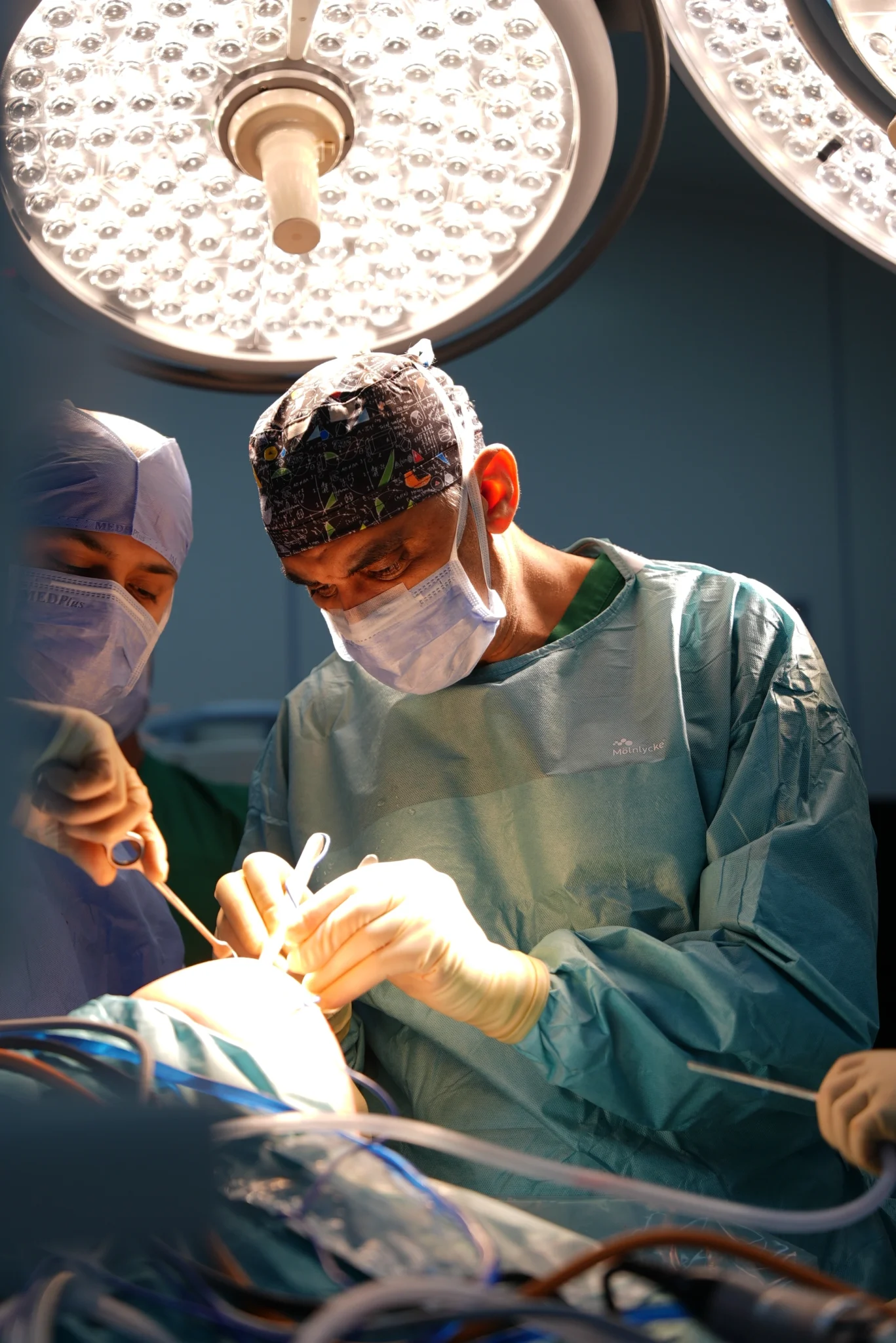
Dr. Usama Saleh performing orthopedic surgery
Clinical Experience

23 Years Treating Dubai's Population

Experience with sedentary and active lifestyle patterns that often contribute to disc problems in Dubai.

Dubai Location

Medcare MOSH

Orthopedic and spine care at Sheikh Zayed Road, Dubai.

Sheikh Zayed Road · Dubai
Serving Dubai & the UAE

Sciatica Treatment in Dubai

From DIFC professionals sitting long hours to active residents managing an old back injury, sciatica treatment is one of the common reasons Dr. Usama's Dubai patients visit Medcare MOSH on Sheikh Zayed Road.

Medcare Orthopaedics & Spine Hospital
When Surgical Opinion is Required

Some advanced spine or hip cases may need surgical care. Dr. Usama collaborates with leading UAE surgeons to ensure you get referred with confidence—only when necessary.

Persistent sciatica or nerve compression
Severe hip joint destruction
Spinal instability or deformity
Failed conservative management
Dr. Usama Saleh

Common Questions About

Take control of your health, mobility, and quality of life.

Your First Step Toward a Stronger Tomorrow Starts Now:

Book your personal consultation with Dr. Usama Saleh today and begin your journey to a better you.

Contact Form dr
Patient Connection Hub Assess your pain