Advanced regenerative therapies and conservative treatment options.
What I Treat
How I Treat
Labral Tear Treatment in Dubai | Shoulder & Hip Specialist | Dr. Usama Saleh
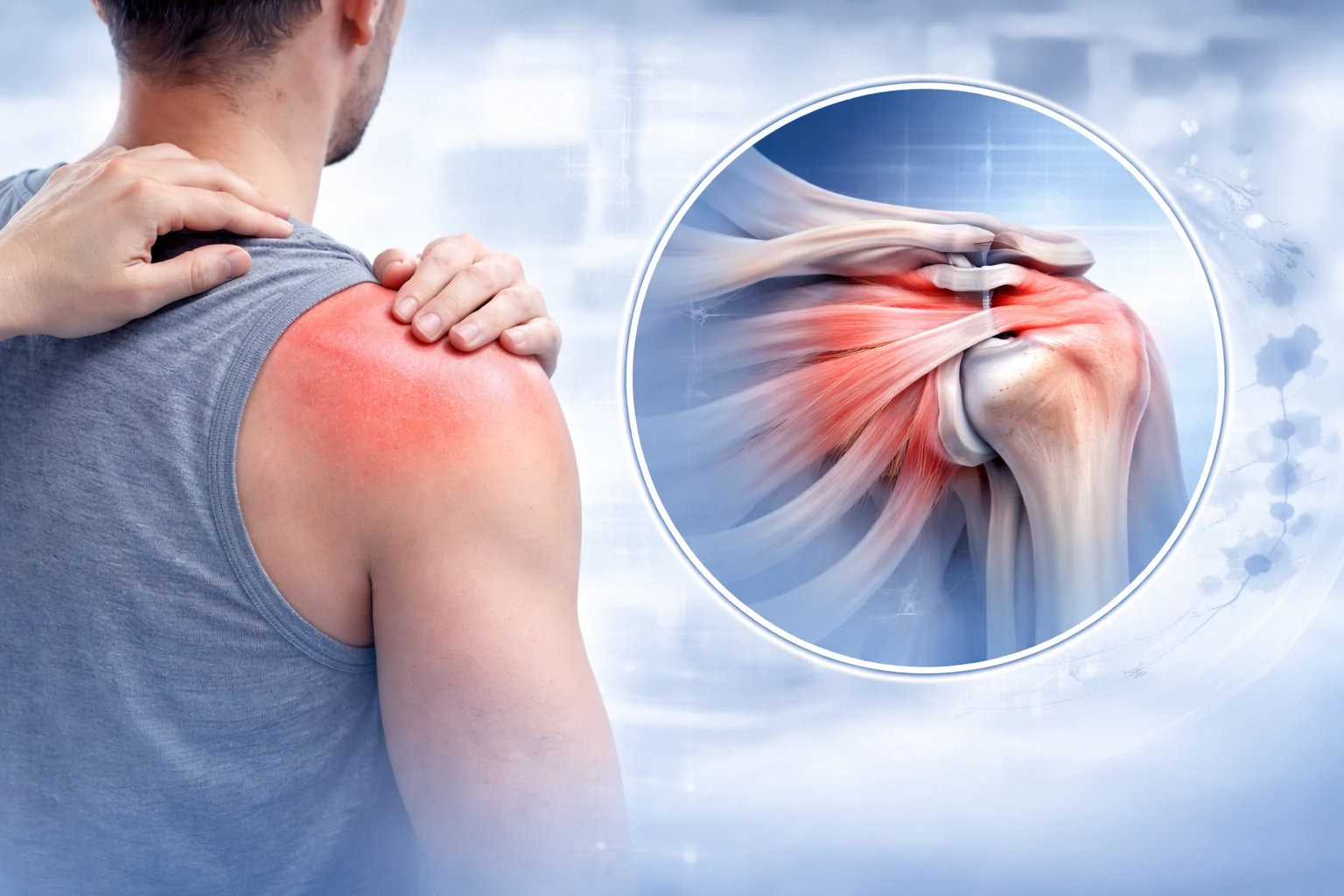
A labral tear in the shoulder or hip can mean persistent deep joint pain, an unsettling clicking sensation, and a creeping loss of confidence in movements you once took for granted. Left undiagnosed, labral damage progresses quietly, eroding joint stability and eventually placing surrounding structures at risk.
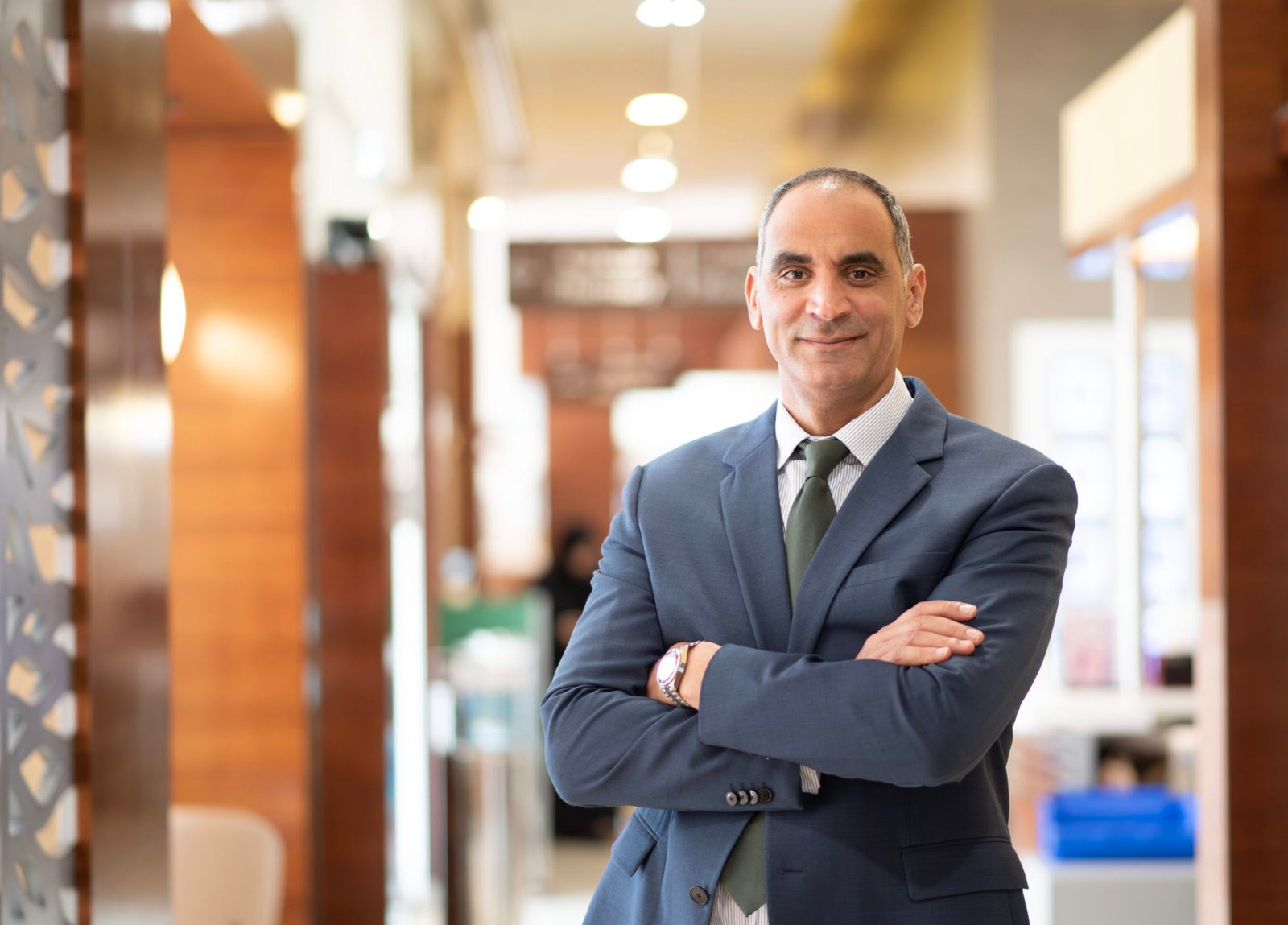
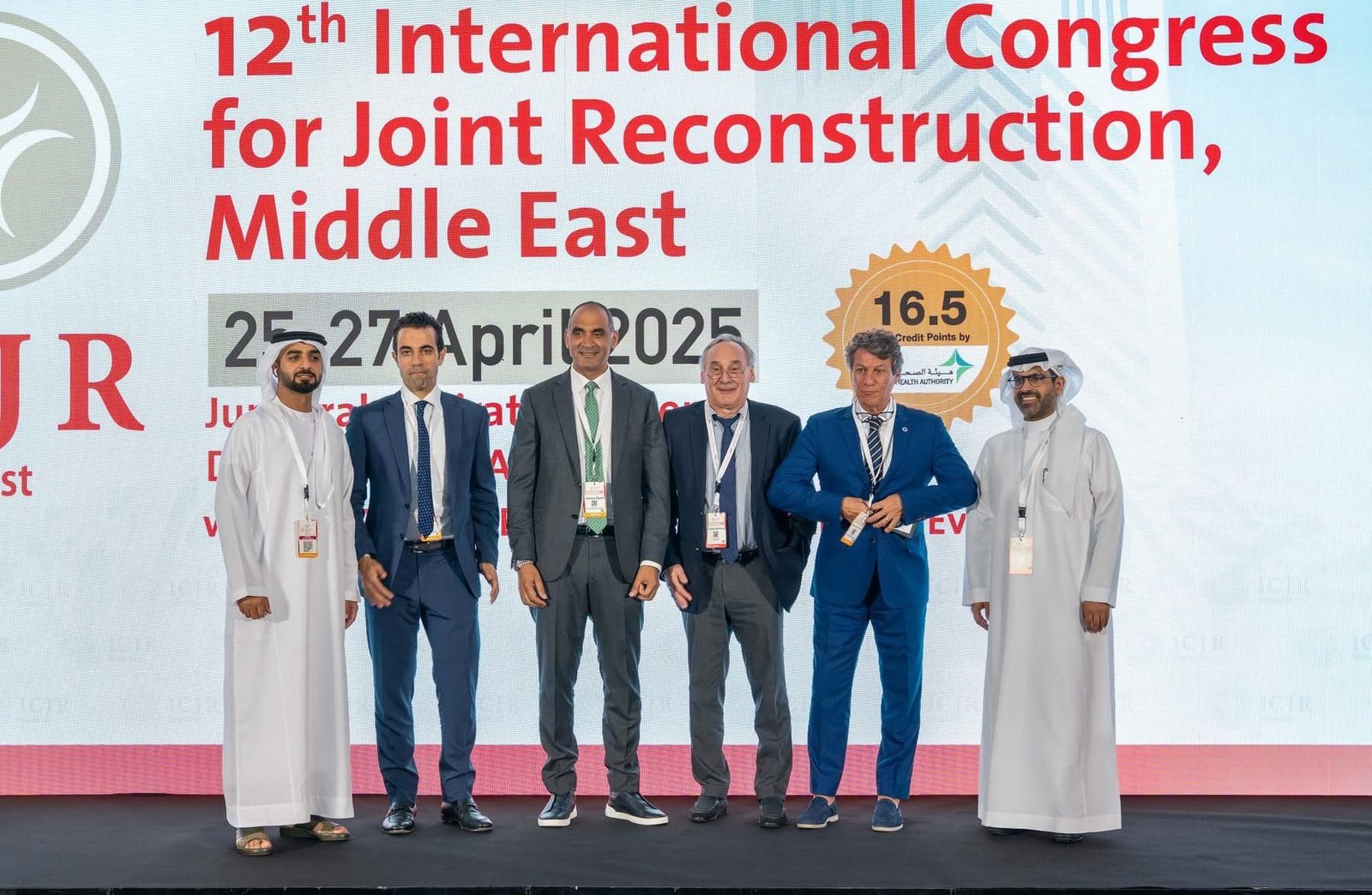
Dr. Usama Saleh, a fellowship-trained orthopedic and arthroscopic specialist with 23+ years of experience, provides precise labral tear diagnosis and treatment at Medcare Orthopaedics & Spine Hospital (MOSH), Sheikh Zayed Road, Dubai. From targeted PRP therapy and structured rehabilitation to arthroscopic Bankart repair and hip labral reconstruction, your treatment is built around your injury, your sport, and your return goals.
What Is a Labral Tear?
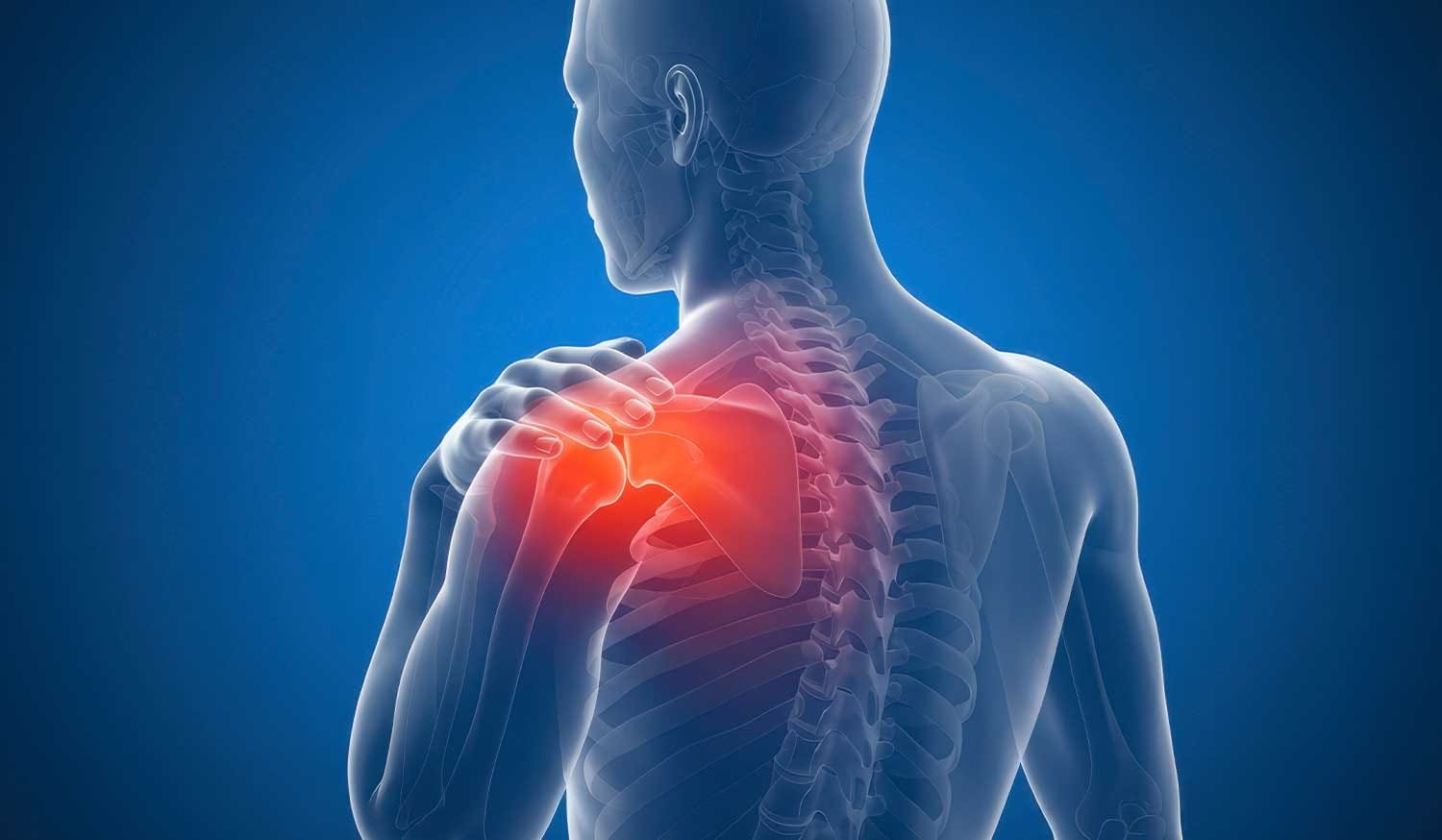
A labral tear is a damage to the labrum a ring of fibrocartilage that lines and deepens the socket of the shoulder (glenoid) or hip (acetabulum) joint. The labrum provides 50–60% of the shoulder socket depth and approximately 22% of hip socket depth, acting as a seal that stabilises the joint, distributes load, and protects the underlying cartilage. When torn, it loses the ability to perform these functions resulting in pain, instability, and a characteristic catching sensation.
The shoulder and hip labrums are functionally similar but mechanically distinct. The shoulder labrum is critical for preventing dislocation its tearing is the primary pathology in shoulder instability and recurrent dislocations. The hip labrum acts as a hydraulic seal maintaining joint fluid pressure and reducing cartilage stress. A torn hip labrum disrupts this seal, causing deep groin or buttock pain that many patients and non-specialist doctors mistake for muscle strain.
Labral tears range from small focal detachments to complete circumferential disruptions. Their location anterior, posterior, superior, or inferior determines the symptoms, clinical tests used to diagnose them, and the specific surgical technique required. This anatomical precision is why labral tears are frequently misdiagnosed by non-specialist practitioners and why imaging interpretation by an experienced orthopedic surgeon in Dubai is essential.
Types
Types of Labral Tears
Labral tears are not one injury. Shoulder SLAP tears, Bankart lesions, hip labral tears, and FAI-driven tears each need a different diagnostic and treatment strategy.
Dr. Usama Saleh Dubai
Types Treated by Dr. Usama Saleh
From overhead athlete shoulder pain to hip impingement-related groin pain, the exact tear pattern determines whether physiotherapy, PRP, arthroscopic repair, or FAI correction is the right pathway.
01 / SLAP
SLAP Tears
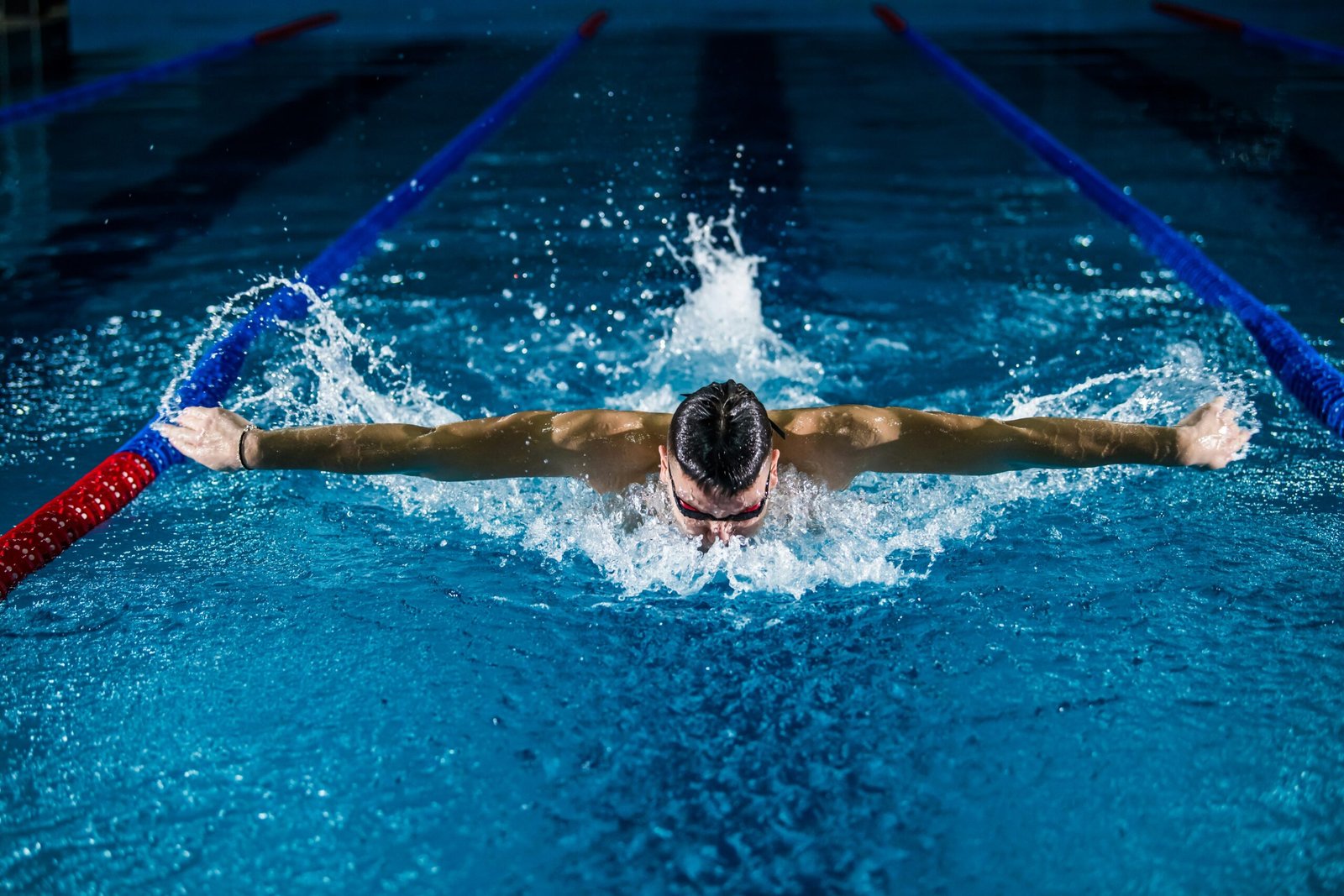
Affect the top of the shoulder labrum where the biceps tendon attaches. Common in throwing athletes, cricketers, swimmers, tennis and padel players, and after a fall onto an outstretched arm.
02 / BANKART
Bankart Lesions
Anterior labral detachments caused by shoulder dislocation. They are a primary cause of recurrent instability and are commonly treated with arthroscopic Bankart repair using suture anchors.
Hip Labrum + FAI
Hip Labral Tears & Femoroacetabular Impingement
Hip labral tears can cause deep groin pain, buttock aching, clicking, and pain with sitting, squatting, running, and pivoting. When FAI is present, cam or pincer bone morphology repeatedly pinches the labrum; the bone conflict must be corrected with labral repair to reduce re-tear risk.
Symptoms
Symptoms of Labral Tears
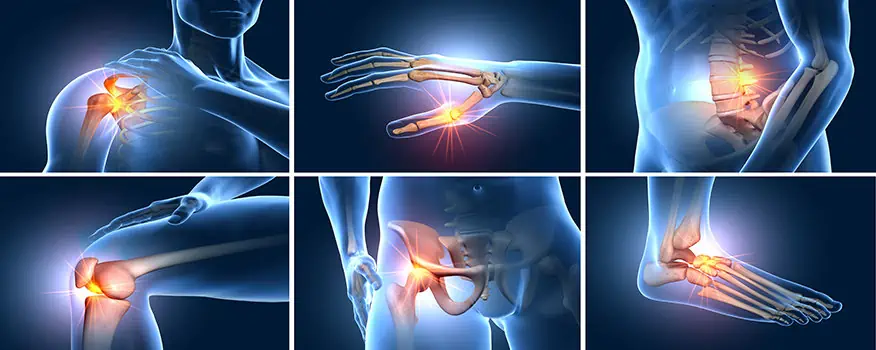
Symptoms vary by joint location and tear extent. Shoulder labral tears often present with deep pain, clicking, weakness, or instability, while hip labral tears commonly cause deep groin pain, catching, locking, or pain with flexion and rotation.
01
Deep aching shoulder pain
Pain in the front or back of the shoulder that worsens with overhead activity, reaching across the body, or throwing motions.
02
Clicking, popping, or catching
A catching sensation inside the shoulder joint is often one of the most distinctive signs of a labral tear.
03
Instability or giving way
The shoulder may feel like it could slip or give way during certain movements, especially in Bankart lesion patients.
04
Reduced power in sport
Throwing, pushing, swimming, cricket, padel, and overhead sports may feel weaker or less controlled.
Overhead activity painShoulder labral symptoms frequently appear during throwing, reaching, swimming, or racket sports.
!
After dislocation, assess early
Acute severe pain after a shoulder dislocation can indicate a likely Bankart lesion and should not be ignored.
Night painDead armInstability
01
Deep groin or anterior hip pain
Pain worsens with prolonged sitting, climbing stairs, squatting, or running and is frequently mistaken for a muscle strain.
02
Clicking, catching, or locking
Mechanical symptoms may appear during flexion-rotation movements, especially when rising from a chair or pivoting in sport.
03
Pain at end-range flexion
Putting on socks, getting into a low car, or performing a deep squat may reproduce sharp hip or groin pain.
04
Gradual symptoms over months
FAI-associated labral tears can build progressively as cumulative impingement damage increases with activity.
Running, pivoting, sittingHip labral symptoms often appear in flexion-dominant positions and rotational sports movements.
↻
Often misdiagnosed
Buttock aching or lateral hip pain may be mistaken for bursitis, piriformis syndrome, or referred back pain.
Groin painLockingFAI pattern
Causes & Risk Factors
What Causes Labral Tears?
Labral tears arise from two distinct mechanisms: acute trauma and chronic cumulative loading. In athletes, they often involve a combination of both, especially when structural predispositions such as FAI or glenoid dysplasia are present.
Injury Mechanism
Trauma plus repeated load
A single fall, dislocation, or impact can tear the labrum. Repeated overhead throwing, hip flexion, and impingement can progressively damage it over months.
Acute traumatic loadDislocation, fall, direct impact, or sudden deceleration.Chronic sport overloadSwimming, cricket, padel, running, cycling, and CrossFit.
Acute Traumatic Causes
A clear injury event can detach or avulse the labrum, especially during dislocation, falling, tackling, or high-force deceleration.
01
01
Shoulder dislocation: the most common cause of Bankart lesions as the humeral head displaces anteriorly.
02
FOOSH injuries: force from a fall onto an outstretched hand can avulse the superior labrum at the biceps attachment.
03
Sudden deceleration: throwing athletes place extreme traction on the superior labrum when the biceps decelerates the arm.
04
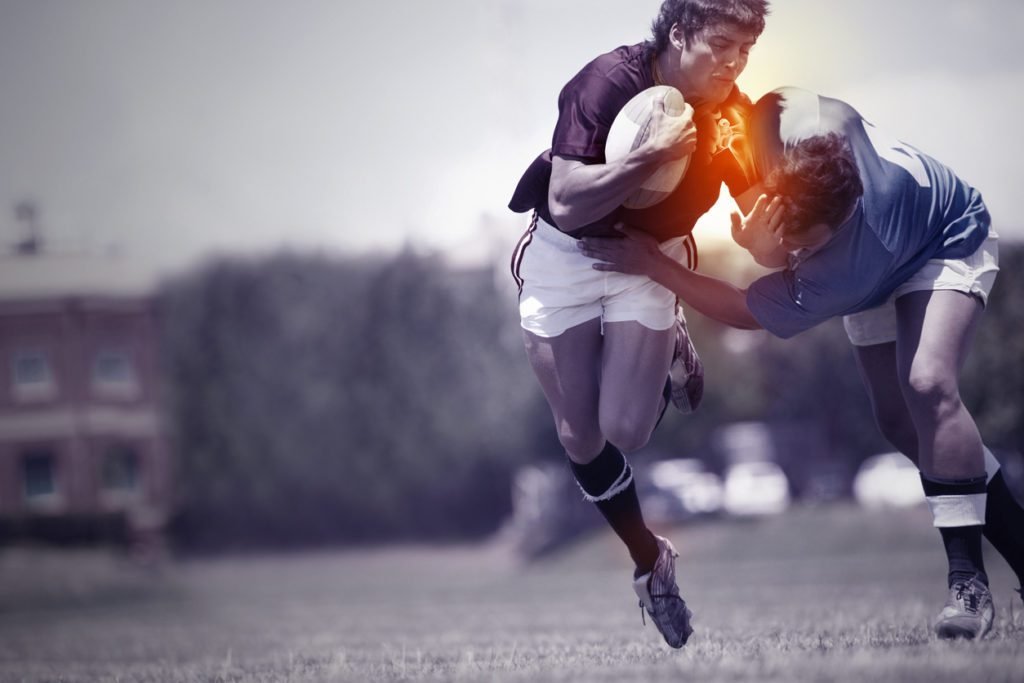
Hip impact injuries: football, rugby, or martial arts trauma can cause acute labral disruption, especially with subluxation.
Chronic / Overuse Causes
Repeated loading cycles gradually overwhelm the labrum, especially when underlying bone shape increases mechanical impingement.
02
01
Repetitive overhead throwing: cricket, padel, swimming, and volleyball create traction-compression cycles on the superior labrum.
02
FAI cam or pincer morphology: abnormal bone contact repeatedly impinges on the hip labrum during flexion.
03
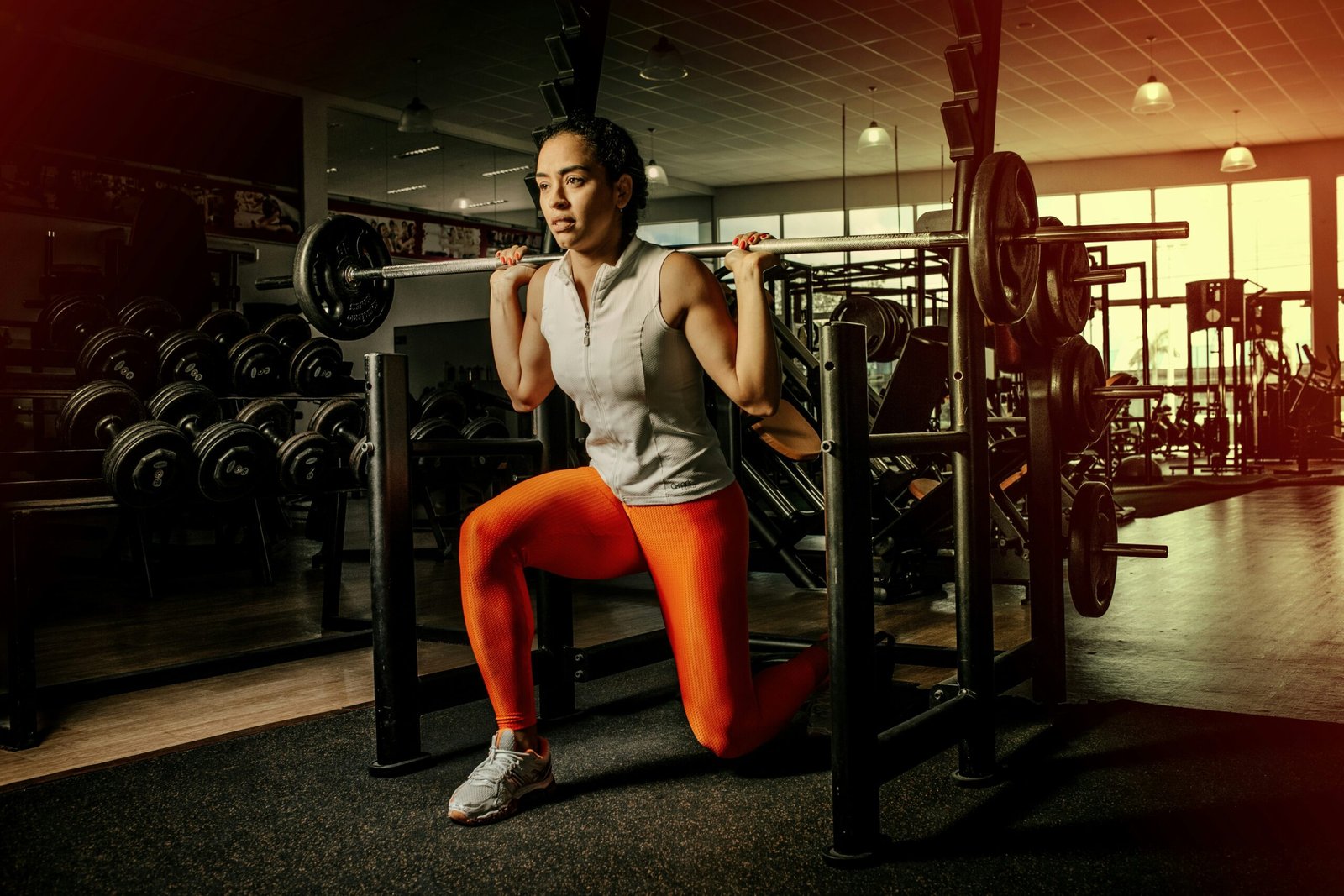
Hip flexion-dominant sports: running, cycling, and martial arts can accelerate FAI-related labral damage.
Diagnosis
How Dr. Usama Diagnoses Labral Tears
Labral tears are frequently missed on standard MRI. Dr. Usama’s diagnostic approach combines precise clinical examination with the right imaging modality based on clinical suspicion and treatment planning.
First Signal
HX
History & symptom pattern
Mechanism of injury, sport demands, pain location, clicking, catching, instability, and activity limitation are mapped first before any scan is interpreted.
01
Shoulder Exam
SLAP
SLAP / Bankart clinical tests
O’Brien’s active compression test for SLAP tears.
Apprehension and relocation test for anterior instability.
Anterior slide test for labral pathology.
Speed’s test when biceps involvement is suspected.
02
Hip Exam
FAI
FAI / hip labral test cluster
FADIR test for anterior FAI and labral tears.
FABER test for posterior impingement assessment.
Log roll test for intra-articular pathology.
Scour test for articular surface irritation.
03
Decision Gate
DX
Clinical suspicion first, imaging precision second
The goal is not only to see the tear, but to understand whether instability, FAI morphology, cartilage damage, biceps involvement, or bone loss changes the treatment plan.
04
Gold Standard
MRA
MRI Arthrography
Gold standard when suspicion is high or surgical planning is required. Contrast distends the capsule and improves visualization of labral morphology and tears.
Sensitivity89–96%
05
First-Line Scan
MRI
Standard MRI
First-line imaging for most patients. It identifies large tears, bone edema, cartilage lesions, and FAI morphology, but small or partial tears may be missed.
Sensitivity44–74%
06
Bone Mapping
XR/CT
X-ray and CT scan planning
X-ray
Used to assess FAI bone morphology, alpha angle for cam, crossover sign for pincer, joint space, and bony abnormalities.
CT Scan
Provides detailed bone morphology for complex FAI, glenoid bone loss, revision cases, and Latarjet planning.
07
Treatment Direction
04
Treatment decision
Findings are connected to the patient’s goals and activity level, then Dr. Usama decides between conservative care, PRP, arthroscopy, FAI correction, or revision planning.
08
Treatment Options
Treatment Options for Labral Tears
Treatment selection is driven by tear severity, chronicity, patient age, activity demands, and whether associated structural pathology such as FAI or bone loss is present.
Conservative-first, surgery when structure demands it
Dr. Usama presents conservative and surgical options transparently, with honest expectations for each treatment pathway.
08
Pathway AConservative Treatment
01
Physiotherapy & Load Modification
First-line for partial tears and degenerative labral pathology in less active patients. Targets hip external rotators and abductors, or rotator cuff and scapular stabilizers.
Appropriate candidates50–60%
02
PRP Injection Therapy
Ultrasound-guided or fluoroscopic PRP injection into the joint targets the biological healing environment of the torn labrum, often as an adjunct to structured rehabilitation.
Pathway BArthroscopic Labral Repair
03
Arthroscopic Bankart Repair
Gold standard for recurrent shoulder instability. The torn anterior labrum is reattached using suture anchors, and capsular plication restores anterior capsule tension.
Prevent dislocation85–95%
04
Hip Labral Repair + FAI Correction
Cam resection, rim trimming for pincer FAI, and labral re-fixation are performed in a single arthroscopic procedure to reduce the risk of re-tearing.
Re-tear with FAI corrected5–10%
01
Bankart Repair
Same-day arthroscopic shoulder procedure using 3–5 suture anchors along the glenoid rim.
02
SLAP Repair / Biceps Tenodesis
Younger throwing athletes may need SLAP repair; patients over 35 often do better with biceps tenodesis.
03
Hip Repair + FAI Correction
Labral repair is combined with cam resection or rim trimming when impingement is driving the tear.
04
Labral Reconstruction
Reserved for revision cases or labral deficiency exceeding 30% where primary repair is not possible.
When to See a Doctor
When Should You See a Doctor for a Labral Tear?
A labral tear does not always announce itself dramatically. Many patients, particularly those with FAI-associated hip labral tears and partial shoulder tears, describe months or years of gradually worsening pain before seeking specialist assessment. That delay rarely serves them well. Early diagnosis and appropriate management produce significantly better outcomes than attempting to manage a labral tear with general exercise and pain medication indefinitely.
!
Seek Immediate Assessment If
These symptoms suggest instability, fracture/dislocation risk, or structural injury.
Urgent signals
01
Shoulder dislocation
You have experienced a shoulder dislocation, even if the shoulder has relocated back into position. The risk of labral tear and subsequent instability is very high. Early assessment determines whether protective rehabilitation or surgical repair is indicated.
Immediate
02
Locking, catching, or giving-way feeling
Your shoulder is locking, catching, or feels like it may dislocate again during everyday activities. These mechanical symptoms indicate structural instability requiring urgent specialist evaluation.
Instability
03
Severe hip pain after trauma
You have severe hip pain with restricted range of motion following a fall, hip injury, or impact. Assessment rules out hip dislocation or fracture in addition to labral injury.
Trauma
+
See Dr. Usama in Dubai If
Persistent symptoms, sport limitation, recurrent dislocation, or uncertainty about surgery.
Specialist review
01
Pain lasting more than 4–6 weeks
Your shoulder or hip pain has persisted for more than 4–6 weeks despite rest and physiotherapy, particularly if there is a clear mechanism of injury or history of dislocation.
4–6 weeks
02
Clicking, catching, or locking
You have a clicking, catching, or locking sensation in the shoulder or hip that has not resolved. This is highly specific for structural intra-articular pathology.
Mechanical
03
Sport or work performance is limited
Your sporting or occupational performance is being limited by joint pain, weakness, or instability that is not improving with conservative self-management.
Performance
04
You want a second opinion
You have been told you need surgery for a labral tear but want a second opinion on whether conservative management or a different surgical approach may be appropriate.
Second opinion
05
Recurrent shoulder dislocations
You have recurrent shoulder dislocations. Each subsequent dislocation causes additional bone loss and increasingly complex surgical requirements. Early Bankart repair prevents this escalation.
Escalation risk
Early diagnosisImproves decision-making before symptoms become chronic.
Mechanical symptomsClicking, catching, locking, and instability deserve specialist review.
Do not delayRepeated dislocations can increase bone loss and surgical complexity.
Exercises
Exercises for Labral Tears
These exercises are general guidance for stable, partial labral tears under physiotherapy management. Exercise selection must respect pain, instability, tear severity, and whether surgical assessment is pending.
!
Move safely. Do not load instability.
If you have experienced shoulder dislocation, have a confirmed complete labral tear, or are awaiting surgical assessment, do not perform exercises without specific clearance from Dr. Usama or your physiotherapist.
Hip Labral Tear Exercises
Hip pathway
Mobility
01
Hip Flexor Stretch
Kneel on the affected side knee, step forward with the opposite foot, and gently push the hips forward until a mild stretch is felt in the front of the hip. Avoid if this position reproduces impingement-type pain.
Recommended dose30 seconds × 3 reps
Activation
02
Clamshell Exercise
Lie on your side with hips and knees bent at 45 degrees. Keep the feet together and raise the top knee without rotating the pelvis. This strengthens the hip external rotators and helps reduce impingement loading on the labrum.
Recommended dose3 sets × 15 reps
Strength
03
Glute Bridge
Lie on your back with feet flat and knees bent. Raise the hips by squeezing the glutes, hold briefly, then lower slowly. Avoid excessive hip flexion past 90 degrees if impingement is present.
Recommended dose3 sets × 15 reps
Control
04
Side-Lying Hip Abduction
Lie on your side with the affected hip on top. Raise the top leg slowly to around 45 degrees, hold for 2 seconds, and lower with control. This targets the gluteus medius and helps protect the labrum during functional activity.
Recommended dose3 sets × 15 reps
01
02
03
04
stable — controlled — pain free
Shoulder Labral Tear Exercises
Shoulder pathway
Mobility
01
Pendulum Exercise
Stand, lean forward, and let the arm hang freely. Gently swing the arm in small circles clockwise and anticlockwise. This can reduce capsular tightness without loading the labrum heavily.
Recommended dose10 each direction, twice daily
Posture Control
02
Scapular Retraction
Sit or stand tall. Gently squeeze your shoulder blades together and hold. Better scapular control can reduce excessive superior labral stress during overhead activity.
Recommended dose3 sets × 10 reps, 5-sec hold
Rotator Cuff
03
External Rotation with Band
Attach a resistance band to a fixed point. Keep the elbow at 90 degrees against your side, rotate the arm outward against resistance, then return slowly. Avoid if this causes deep shoulder pain.
Recommended dose3 sets × 15 reps
Shoulder exercise progression should be advanced only when instability, deep joint pain, and apprehension are absent.
01
Stop for sharp pain
Stop if the movement causes acute pain, deep joint pain, or a sharp catching sensation.
02
Stop for instability
Do not continue if the shoulder feels unstable or like it may give way.
03
Reduce the load
Pain during exercise usually means the load or movement is not appropriate for the current tissue state.
Complications
What Happens if a Labral Tear Is Left Untreated?
A labral tear is not a static injury that stabilizes with rest. Untreated labral pathology — particularly when associated with structural abnormalities like FAI or recurrent instability — follows a progressive course of deterioration that substantially increases the complexity and cost of eventual surgical management and reduces the likelihood of a full recovery.
!
Untreated does not mean unchanged.
Delay can turn a focused repair into a larger structural problem involving instability, cartilage damage, bone loss, tendon involvement, and longer recovery.
Stage 01
Repairable labral injury
Stage 02
Recurrent instability or seal loss
Stage 03
Cartilage, capsule, or tendon involvement
Stage 04
Bone loss or arthritis pathway
Stage 05
More complex surgery and recovery
Shoulder instability
01
Progressive Joint Instability
An untreated Bankart lesion allows recurrent shoulder dislocations. Each dislocation causes additional labral tearing, capsular stretching, and critically progressive bone loss from both the glenoid rim, known as inverted-pear deformity, and the humeral head, known as Hill-Sachs lesion.
Recurrent dislocationEach episode can increase structural damage.
Bone lossGlenoid rim and humeral head can both be affected.
Early repairHelps avoid escalation to complex surgery.
Earlier
Arthroscopic Bankart repair may remain suitable
VS
Delayed
Latarjet procedure may become necessary
Hip degeneration
02
Hip Cartilage Damage and Osteoarthritis
The hip labrum's hydraulic sealing function maintains the fluid film that lubricates and protects the hip cartilage surface. A torn labrum disrupts this seal, exposing cartilage to abnormally high contact stresses. Studies demonstrate that 73–100% of hip labral tears have associated cartilage damage at the time of arthroscopy.
Seal disruptionLoss of protection increases joint contact stress.
73–100%Reported associated cartilage damage at arthroscopy.
Arthritis riskProgression may lead toward hip replacement.
Earlier
Comparatively minor arthroscopic labral repair
VS
Delayed
Osteoarthritis and total hip replacement risk
12–18 monthsDelayed treatment is associated with lower satisfaction scores.
Longer rehabPatients may need longer rehabilitation after delayed surgery.
Residual symptomsDelayed cases report higher rates of remaining symptoms.
Within 6 monthsEarlier care helps preserve better recovery potential.
Preparing for Treatment
Preparing for Your Labral Tear Consultation & Treatment
Preparation helps Dr. Usama understand your injury timeline, imaging history, activity demands, and whether your pathway is consultation, PRP, or arthroscopic surgery at Medcare MOSH Dubai.
Treatment readiness planner
Move through the preparation steps in a cleaner, structured view without the compressed side cards.
✓
01
What to Bring
Bring all previous imaging and reports, including MRI, MR arthrography, and X-rays. Prepare a clear symptom timeline including onset, triggering mechanism, aggravating activities, sports demands, previous treatments, injections, and current medications.
✓Imaging: MRI, MR arthrography, X-rays, reports, and any previous scans.
✓Timeline: onset, injury mechanism, clicking, instability, pain pattern, and progression.
✓Treatment history: physiotherapy, injections, medications, prior consultations, and sport demands.
02
Pre-PRP Instructions
Stop NSAIDs such as ibuprofen, diclofenac, and naproxen 7 days before PRP because they suppress platelet function. No specific fasting is required. Arrange transport if preferred.
!
Stop NSAIDs 7 days before PRPIbuprofen, diclofenac, and naproxen may reduce platelet activity and interfere with the desired biological response.
03
4–6 Weeks Before Surgery
Surgical consultation includes MRI or MRA review, confirmation of the surgical plan, and realistic expected outcomes. Pre-operative physiotherapy, often called pre-hab, begins. Insurance pre-authorisation is obtained by the clinic.
01Surgical consultation: imaging review and procedure planning.
02Pre-hab: begin pre-operative physiotherapy to prepare movement and strength.
03Insurance: clinic obtains pre-authorisation before the planned procedure.
04
2–4 Weeks Before Surgery
Stop smoking for a minimum of 4 weeks before surgery. Stop blood thinners only according to Dr. Usama’s instructions. Complete pre-operative blood tests and medical clearance, then prepare transport, sleeping arrangements, and meals at home.
4W
Stop smoking minimum 4 weeks before surgeryThis is one of the most important preparation steps for healing and surgical safety.
05
Day of Surgery
Arrive 1.5–2 hours before the scheduled start time. Remain nil by mouth from midnight. Bring photo ID, insurance card, and medication list. A designated driver is mandatory. Expect 4–6 hours total at Medcare MOSH, including pre-op and recovery.
✓Arrival: 1.5–2 hours before surgery start.
✓Bring: photo ID, insurance card, and medication list.
✓Discharge: designated driver is mandatory after same-day surgery.
01
Consultation-ready file
A complete file with imaging, reports, treatment history, and symptom notes helps avoid delays in diagnosis and planning.
02
Medication clarity
PRP and surgery both require clear medication instructions, especially NSAIDs and blood thinners.
03
Home recovery plan
Transport, comfortable sleeping setup, and prepared meals make the first post-treatment period smoother.
Treatment Steps
How Labral Tear Surgery Is Performed Step by Step
Arthroscopic labral repair is performed through small portals using an HD arthroscope, precise labral preparation, suture anchors, and final stability inspection before same-day discharge from Medcare MOSH.
Interactive surgical step stack
Use the arrows or step numbers to move through the arthroscopic repair sequence.
01
15–20 minutes
Anesthesia & Patient Positioning
General anesthesia is used. For shoulder surgery, an interscalene nerve block provides 12–18 hours of postoperative pain control. Positioning is beach chair or lateral decubitus for shoulder surgery, and lateral decubitus with traction for hip surgery. The surgical site is prepared and sterilized.
General anesthesiaNerve blockSterile setup
02
10–15 minutes
Portal Creation & Diagnostic Arthroscopy
Two to three incisions of 5–8 mm are created. An HD arthroscope provides magnified visualization of the entire joint interior. The labrum, cartilage, capsule, ligaments, biceps tendon, femoral head, or acetabular cartilage are assessed and MRI findings are confirmed.
2–3 portalsHD scopeFull joint inspection
03
10 minutes
Labral Preparation
The torn labral edge is freshened using a shaver or burr to create a bleeding bone surface at the glenoid or acetabular rim. This biological preparation is critical because anchors placed into unprepared bone have lower healing rates.
Freshened edgeBleeding bone bedHealing surface
04
20–45 minutes
Suture Anchor Placement & Labral Re-fixation
Bioabsorbable or titanium suture anchors are placed along the prepared rim. Sutures are passed through the torn labral tissue and tied arthroscopically, pulling the labrum back against bone. For Bankart repair, capsular plication restores native tension. For hip tears with FAI, cam resection and/or rim trimming is performed before re-fixation.
3–5 shoulder anchors2–4 hip anchorsFAI correction
05
10 minutes
Final Inspection & Closure
The joint is re-inspected to confirm labral fixation stability and full range of motion. Fluid is drained. Portals are closed with 1–2 absorbable sutures. A sling is applied for shoulder surgery or a hip brace is fitted if required.
Stability checkFluid drainedSling / brace
06
1–2 hours
Recovery Room & Same-Day Discharge
The patient wakes with the nerve block providing excellent pain control for shoulder surgery. Ice is applied, vital signs are monitored, post-operative instructions are provided in writing, follow-up is booked within 7–10 days, and the patient is discharged the same day from Medcare MOSH.
Ice appliedWritten instructions7–10 day follow-up
Step 01 of 06Arthroscopic workflow
60–90Bankart Repair
Typical procedure duration in minutes.
45–75SLAP Repair
Typical arthroscopic shoulder repair duration.
75–120Hip Labral Repair + FAI
Includes correction of cam and/or pincer morphology.
90–120Hip Labral Reconstruction
Usually reserved for complex or revision cases.
4–6 hrsTotal at Medcare MOSH
Including pre-op preparation and recovery room time.
Recovery & Rehabilitation
Recovery & Rehabilitation After Labral Tear Treatment
Recovery after labral tear treatment is structured in phases. Progression is based on protection, restored motion, strength, neuromuscular control, sport-specific testing, and readiness — not the calendar alone.
Rehab phase control
Select each phase to see what changes in protection, movement, strengthening, and return-to-sport progression.
14
Phase 1 — Weeks 0–6
Protection first
Shoulder patients usually use sling immobilization for 4–6 weeks after Bankart repair, with pendulum exercises from day 1–3 and passive range of motion only. Hip patients usually use crutches for 4–6 weeks with protected weight-bearing and passive physiotherapy from week 1.
01Shoulder: sling for 4–6 weeks and passive movement only.
02Hip: crutches for 4–6 weeks with protected weight-bearing.
03Review: wound care and follow-up at 7–10 days.
Phase 2 — Weeks 6–12
Restoring motion
The sling is discontinued for shoulder patients. Active-assisted range of motion begins. Pool-based rehabilitation may start from weeks 6–8. Light isometric strengthening begins as muscle activation without heavy joint loading.
01Shoulder: sling discontinued and active-assisted movement begins.
02Pool rehab: often introduced around weeks 6–8.
03Desk work: usually weeks 6–10 depending on procedure and dominant side.
Phase 3 — Weeks 12–20
Progressive strengthening
Progressive resistance training, proprioception, and neuromuscular control become central. Sport-specific patterns are introduced gradually. Hip patients may begin light jogging around weeks 14–16, while appropriate shoulder candidates may begin light throwing around weeks 14–16.
01Strength: resistance training progresses carefully.
02Control: proprioception and neuromuscular stability are emphasized.
03Sport prep: light jogging or throwing may begin around weeks 14–16.
Phase 4 — Weeks 20–52+
Return to sport
Return to sport depends on procedure and demands. Bankart repair often requires 6–9 months for full contact sport. SLAP repair may range from 4–6 months in non-throwers to 9–12 months for throwing athletes. Hip labral repair commonly returns around 4–6 months.
01Strength: more than 90% compared with the opposite side.
02Testing: sport-specific functional tests must be passed.
03Readiness: psychological confidence is part of clearance.
Procedure-specific return timeline
Select a procedure to compare desk work, driving, sport training, and competition expectations.
1–2 wksDesk Work
Return depends on pain control, arm support, and work setup.
6–8 wksDriving
Usually after sling discontinuation and safe control.
5–6 mthsSport Training
Progressive return to contact preparation.
6–9 mthsCompetition
Full contact sport after functional clearance.
1–2 wksDesk Work
Usually possible with supported arm positioning.
4–6 wksDriving
After safe shoulder control and clearance.
3–4 mthsSport Training
Gradual non-throwing sport progression.
4–6 mthsCompetition
Depending on strength and symptom response.
1–2 wksDesk Work
Early return may be possible for desk-based roles.
4–6 wksDriving
Only after adequate control and safety.
8–9 mthsSport Training
Throwing progression is longer and more specific.
9–12 mthsCompetition
Return to prior throwing level requires testing.
2–4 wksDesk Work
Depends on sitting tolerance and crutch needs.
6–8 wksDriving
After protected weight-bearing and control improve.
4–5 mthsSport Training
Gradual re-loading after mobility and strength restoration.
5–6 mthsCompetition
Return depends on sport-specific functional clearance.
Structured rehabilitation matters after labral repair
Sports physical therapy and rehabilitation support safe progression from protection to return-to-sport testing.
Risks & Expected Outcomes of Labral Tear Treatment
Arthroscopic labral repair has an excellent safety profile. Serious complications are uncommon in experienced hands, and outcome expectations should be explained transparently before treatment.
Safety Profile
Clear numbers, realistic expectations
The goal is not to minimize risk, but to explain it clearly: general surgical complications are uncommon, while procedure-specific risks depend on instability, FAI correction, bone loss, age, and tissue quality.
Outcome confidence indicators
Bankart stability85–95%
Hip pain improvement80–90%
Patient satisfaction85–92%
<1%
Infection
Uncommon with arthroscopic technique and prophylactic antibiotics.
<1%
Blood clots
DVT risk is minimized with early mobilization protocols.
<1%
Anesthesia complications
Minimized by thorough pre-operative assessment and monitoring.
<0.5%
Nerve or vessel injury
Extremely rare with careful anatomic portal placement.
Procedure-specific risk profile
Select the procedure to view the specific risks, expected recovery considerations, and the factors that affect outcome reliability.
Procedure-Specific Risk
Bankart Repair stability profile
Recurrence of instability is generally 5–15%, and risk increases with bone loss. Stiffness is reported at 5–10% and is reduced through early physiotherapy and structured rehabilitation.
01Instability recurrence: 5–15%.
02Risk increases when bone loss is present.
03Stiffness 5–10%, prevented with early physiotherapy.
Procedure-Specific Risk
SLAP Repair age-sensitive outcomes
Persistent stiffness or pain is more common in patients over 35 with degenerative tears. In that group, biceps tenodesis is often preferred because it can offer more reliable pain relief and lower re-tear risk.
01Higher stiffness or pain risk in degenerative tears over age 35.
02Biceps tenodesis may be preferred for selected patients.
03Re-tear risk depends on tissue quality and tear pattern.
Procedure-Specific Risk
Hip repair depends on FAI correction
Re-tear risk is approximately 5–10% when FAI is corrected simultaneously, compared with 25–35% when FAI is not addressed. Temporary femoral nerve irritation from traction can occur.
01Re-tear 5–10% when FAI is corrected simultaneously.
02Re-tear 25–35% if FAI is not addressed.
03Femoral nerve irritation from traction is typically temporary.
85–95%
Bankart repair
Prevents future dislocation in most patients, with 85–90% returning to pre-injury sport.
75–90%
SLAP repair pain relief
Pain relief is common, with 63–85% return to throwing sports at prior level.
80–90%
Hip labral + FAI
Significant pain improvement, with approximately 85% return to sport at 6 months.
85–92%
Patient satisfaction
Two-year satisfaction across labral repair procedures is generally high.
Expected Outcomes
Success is measured by function, stability, and return
The best outcome is not just a repaired labrum — it is a stable joint, controlled movement, restored confidence, and a safe return to sport or work.
Real People. Real Transformations.
erhan
I had Achilles tendon surgery earlier this year, and I couldn’t be more grateful for the care I received from Dr. Usama Hassan Saleh and his team. From the first consultation to the post-surgery follow-ups, everything was handled with professionalism, skill, and genuine compassion. The recovery process was smooth thanks to the clear guidance and support provided. I’m now fully recovered and almost back to my regular activities—truly thankful for the excellent care!
Haitham Kamal
Dr. Usama is a great asset to the hospital, i was lucky enough that he did my operation and the amount of care and experience he has is priceless .
A big thank as well to nurse Merin for her care, smile and professionalism.
I am glads to be a patient for dr. Usama clinic 🙂
Khaled El-Naggar
Local Guide
I have been using Dr. Usama medical advisory and treatment for over 3 years now for various skeletal and tendon issues I have had and every time I visit I am always being provided with top notch medical guidance, and treatment plans that has been proven most useful and reliable.
On the other hand, his patient management and personal involvement are always great to have and very assuring.
Bushra Khan
I had my meniscus repair surgery with Dr Usama. Alhumdulillah from the get go he was honest and geniune about the whole process and recovery. Today I'm able to walk long distances and lift again with no pain. Hoping to run again soon inshallah.
Talal Mohammed
Dr Usama Saleh is so professional and amazing everything with him went smoothly from before the surgery he prepared me mentally and after the surgery too, I highly recommend him to anybody having ACL or ligament or a shoulder problem now I’m 3 weeks after the surgery and my recovery process is faster because of the way he sitting my mind
Thank you dr Usama and Medcare for the special treatment
Abdalmegid Ibrahem
Dr. Usama is amazing! He fixed my shoulder after spotting an MRI issue others missed, adjusting my physio for great results. He also performed flawless meniscus surgery on my knee, and his post-op care ensured a smooth recovery. When a minor issue arose later, he resolved it instantly. Grateful for his expertise and dedication—highly recommend!
Ahmad Ali
Thank you Dr. Osama Hassan for your care and attention. Happy Eid.
Laila Hamad
Ma Shaa Allah
Expert doctor with humanity manner
Appreciate his work
Amal Basaeed
Best doctor I've ever seen, highly recommend. He is very honest which is hard to find nowadays.
Why Choose Dr. Usama Saleh
Why Choose Dr. Usama Saleh for Labral Tear Treatment in Dubai?
Fellowship-trained arthroscopic expertise, conservative-first decision making, advanced labral repair techniques,
integrated care at Medcare MOSH, and evidence-based treatment for shoulder and hip labral tears.
Fellowship-Trained Arthroscopic Labral Specialist
Advanced fellowship training in arthroscopic surgery and upper extremity reconstruction at the University of Toronto,
one of the world's most respected orthopedic training centers. Deep subspecialty expertise in labral tear diagnosis,
MR arthrography interpretation, suture anchor technique, FAI correction, and arthroscopic Bankart repair beyond
standard orthopedic training.
Conservative-First Before Surgical Recommendation
Not every labral tear requires surgery. Dr. Usama assesses each patient's tear morphology, activity demands,
symptom duration, and structural risk factors before recommending surgery. Patients with partial tears or lower
activity demands receive a genuine conservative trial including physiotherapy and PRP before surgical referral is considered.
23+ Years Treating Shoulder and Hip Labral Tears in Dubai
Two decades of arthroscopic labral surgery experience, including Bankart repairs, SLAP repairs, hip labral
reconstructions, and complex revision cases. Familiarity with Dubai's diverse sports community, including cricket,
padel, football, rugby, swimming, running, and martial arts athletes.
Comprehensive FAI and Labral Management
Dr. Usama addresses the whole problem, not just the labral tear in isolation. FAI correction combined with labral
repair in a single arthroscopic procedure reduces re-tear rates from 25–35% to 5–10%, delivering significantly more
durable outcomes for hip labral tear patients.
Integrated Care at Medcare MOSH
From same-day consultation, diagnostic ultrasound, and MRI referral to arthroscopic surgery and structured
physiotherapy rehabilitation, all coordinated at Medcare Orthopaedics & Spine Hospital, Sheikh Zayed Road, Dubai.
No fragmented care. No communication gaps.
International Research & Teaching Authority
Active AO trauma faculty member, published manuscript author, book chapter contributor, and international conference
presenter. Treatment is guided by the most current evidence-based innovations in arthroscopic labral repair globally.
Labral Tear Treatment in Dubai Serving Athletes Across the UAE
Dubai's world-class sports facilities, year-round outdoor climate, and thriving athletic community make it one of the most sports-active cities in the world and one with a correspondingly high incidence of overuse injuries.
From the runners of Dubai Creek Park and Al Qudra cycling track to the padel players of JBR and the CrossFit community of Business Bay, chronic tendonitis affects thousands of active Dubai residents every year.
Dr. Usama Saleh sees sports injury patients at Medcare Orthopaedics & Spine Hospital (MOSH), conveniently located on Sheikh Zayed Road, Dubai, serving patients from Dubai, Sharjah, Abu Dhabi, Ajman, and across the UAE.









erhan