Chronic Tendonitis & Overuse Injury Treatment Dubai | Dr. Usama Saleh
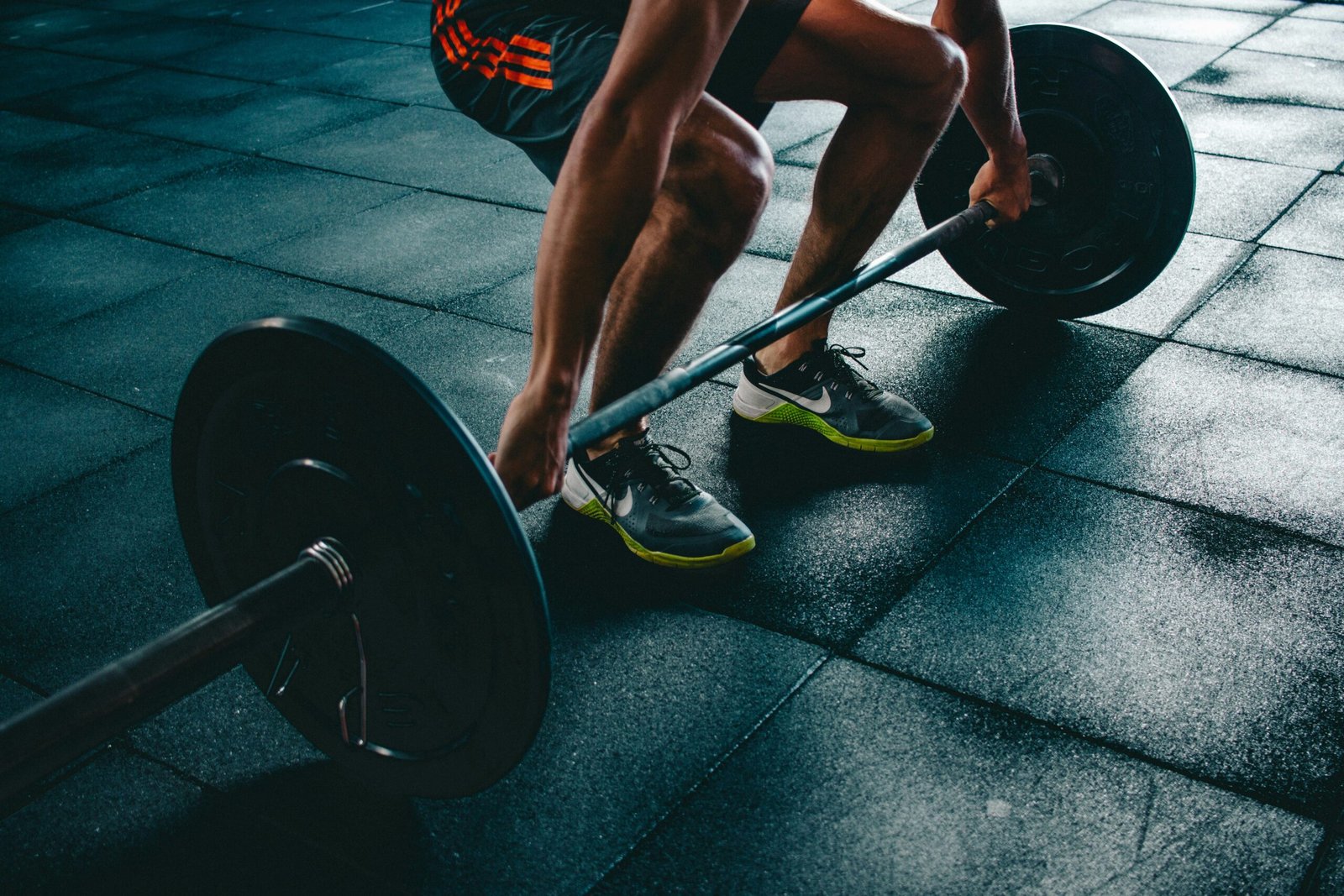
Persistent tendon pain that flares with every training session, stiffness that won’t resolve, and performance that keeps declining these are the hallmarks of chronic tendonitis and overuse injury. Left untreated, overuse injuries progress from manageable discomfort to career-altering conditions.
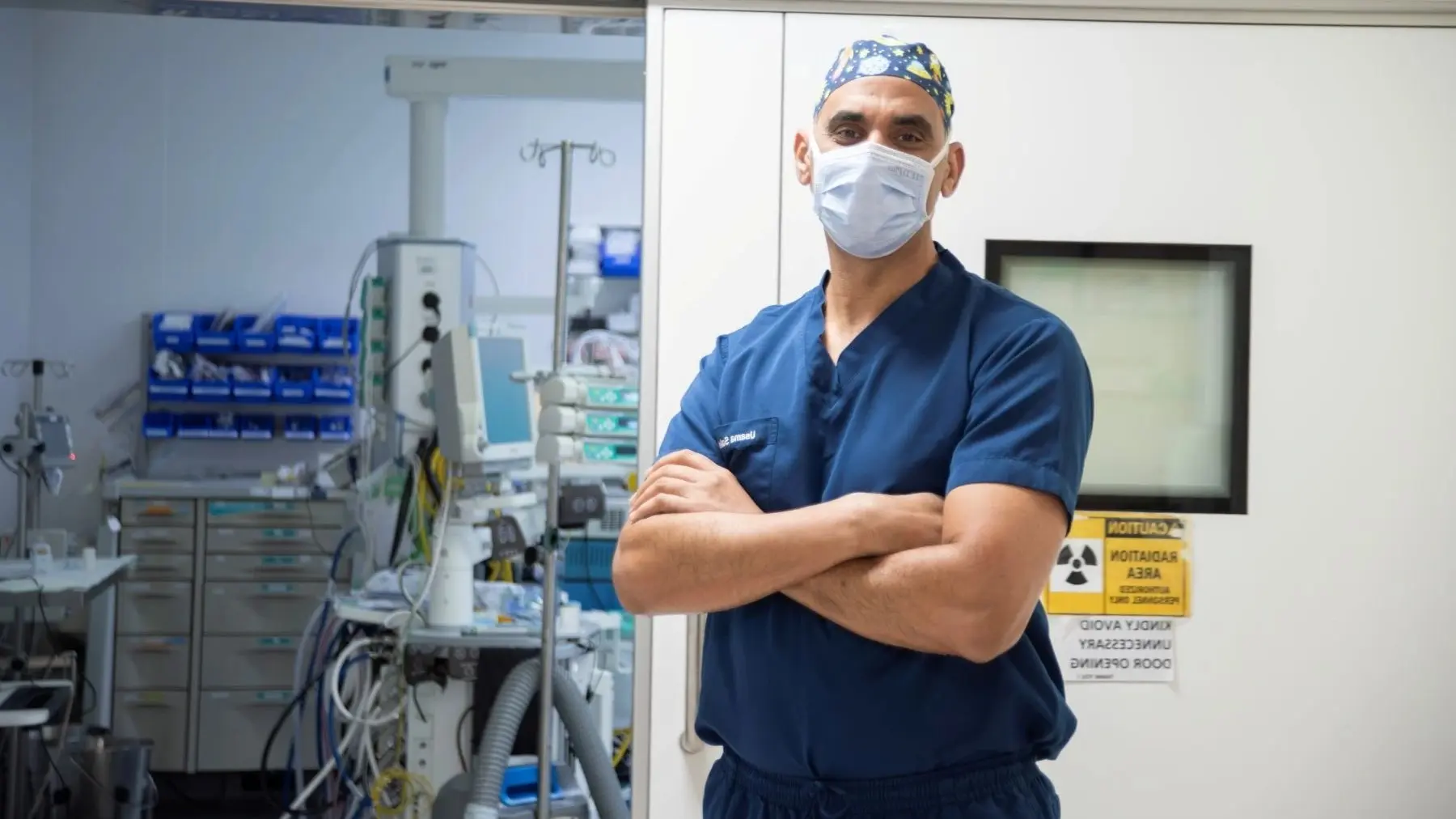
Dr. Usama Saleh, a fellowship-trained orthopedic and sports injury surgeon with 23+ years of experience treating athletes and active individuals across Dubai and the UAE, provides comprehensive chronic tendonitis treatment from evidence-based conservative care, including PRP therapy and shockwave treatment, to minimally invasive surgery when required. Whether you’re a professional athlete, weekend warrior, or someone whose occupation demands repetitive movement, expert diagnosis and a personalized treatment plan are the first steps to full recovery.
Understanding Chronic Tendonitis & Overuse Injuries in Dubai
Tendons, the fibrous cords connecting muscle to bone, are remarkably strong structures designed to transmit powerful forces during movement. Yet they have a critical vulnerability: insufficient recovery time between repetitive loads leads to microscopic damage that accumulates faster than the body can repair it. This process, known as tendinopathy or chronic tendonitis, is among the most prevalent conditions treated by sports orthopedic surgeons in Dubai and across the UAE.
Unlike acute injuries caused by sudden trauma, overuse injuries develop gradually over weeks or months. Athletes, fitness enthusiasts, and workers performing repetitive movements often dismiss early warning signs like mild aching that disappears with warm-up, stiffness after rest, or reduced explosive power until the condition becomes chronic. By this stage, the tendon has undergone structural changes that require expert diagnosis and a targeted treatment approach. As a sports injury specialist in Dubai with fellowship training from the University of Toronto, Dr. Usama Saleh understands the nuanced diagnosis and treatment of all forms of chronic tendon pathology.
The good news: With accurate diagnosis and appropriate treatment, the vast majority of chronic tendonitis and overuse injury patients achieve full recovery and return to their sport or occupation. Dr. Usama’s comprehensive approach begins with identifying the exact tendon involved, the degree of structural damage, and the biomechanical factors driving the overuse and then builds a personalized treatment plan combining the most effective evidence-based therapies available in Dubai today.
Symptoms of Chronic Tendonitis & Overuse Injuries
Symptoms vary by tendon location and injury stage. Early recognition leads to faster, more complete recovery and helps prevent progression to severe tendon damage.
The pattern matters more than one isolated symptom.
Chronic tendonitis usually develops gradually: pain during training, recurring flare-ups, stiffness, reduced power, then symptoms affecting daily movement.
Persistent Aching or Burning Pain
Pain in the affected tendon that worsens with activity and improves with rest.
Morning Stiffness
Pain with the first steps or movements of the day, loosening after 5–15 minutes.
Chronic cases build slowly. Acute tears happen suddenly.
Acute tears cause immediate intense pain after a sudden injury.
Pain That Progresses
Pain may first appear only during or after exercise, then progress to everyday activity.
Localized Tenderness
Tenderness directly over the affected tendon when pressed is a key diagnostic indicator.
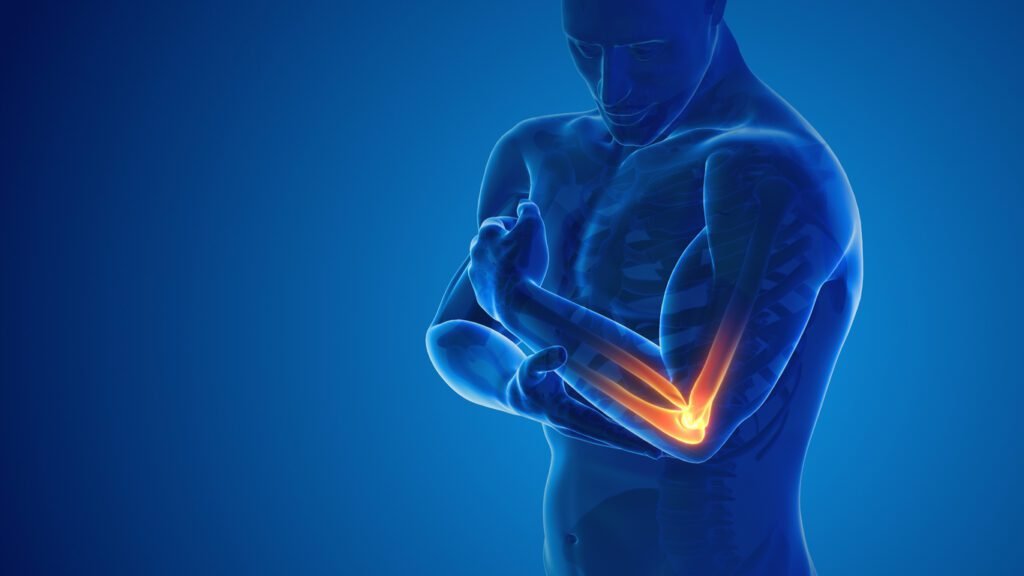
Swelling or Thickening
Swelling, thickening, or a palpable nodule may indicate tendon structure changes.
Reduced Strength and Power
Weakness in the muscle-tendon unit can affect training output and daily tasks.
Crackling or Creaking Sensations
Crepitus during tendon movement is common with Achilles and patellar tendonitis.
Decline in Sport Performance
Athletes may notice reduced intensity, inability to train normally, or recurring flare-ups after rest periods.
When to See a Specialist
If symptoms persist beyond 2–4 weeks despite rest, consultation with a sports injury specialist in Dubai is essential. Early intervention helps prevent progression to severe structural tendon damage that may require surgical treatment.
What Causes Chronic Tendonitis & Overuse Injuries?
Tendons require adequate recovery time between loading cycles to repair microscopic damage. When repetitive stress exceeds the tendon’s repair capacity through excessive training volume, sudden increases in intensity, inadequate rest, or poor biomechanics, cumulative damage leads to tendinopathy. The tendon’s normal parallel collagen structure becomes disorganized, and abnormal blood vessel growth — neovascularization — develops, altering mechanical properties and pain sensitivity.
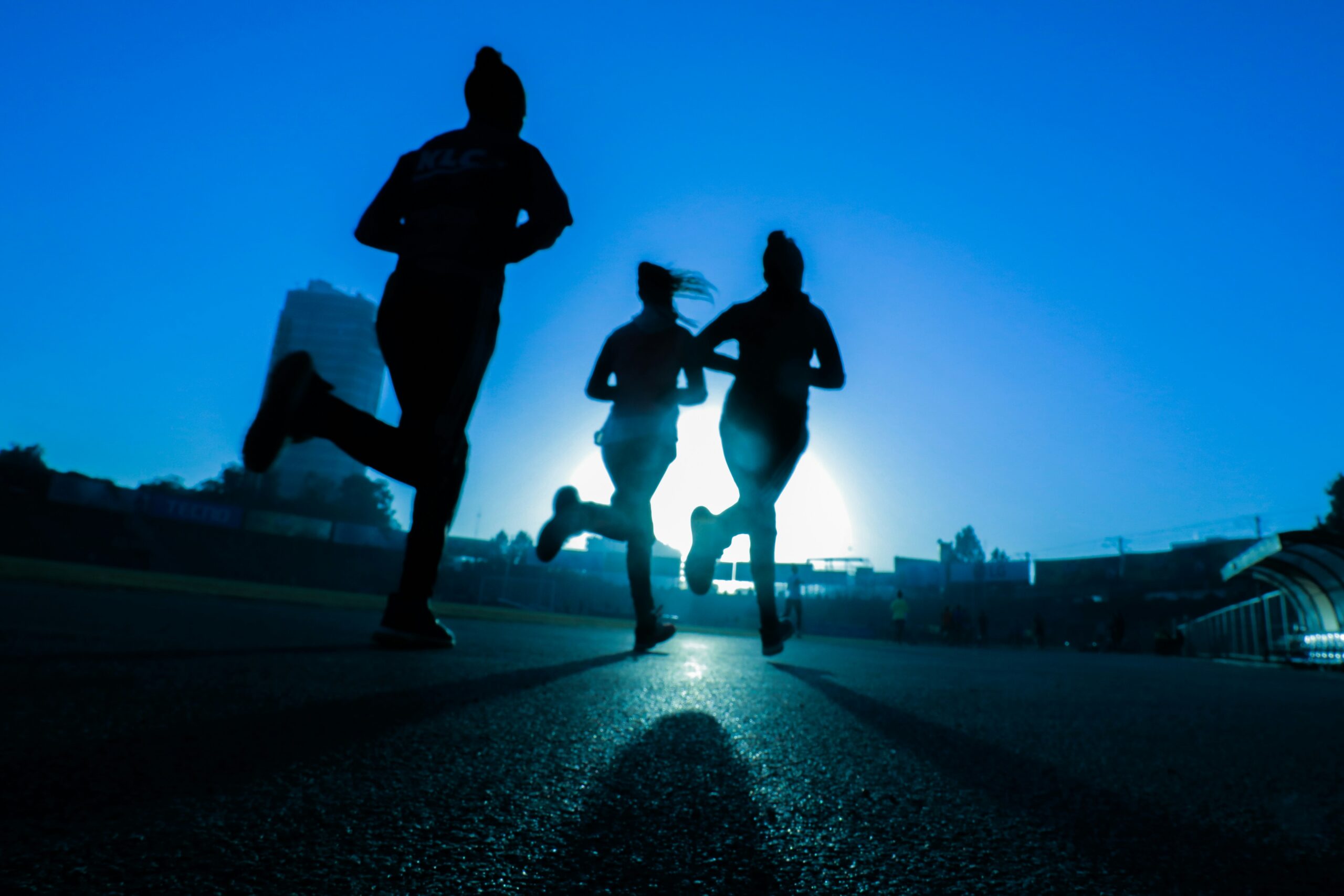
Microscopic Damage Builds Up
Repeated loading without adequate recovery creates small tendon injuries that accumulate over time.
Collagen Becomes Disorganized
The tendon’s normal parallel structure weakens, reducing its ability to tolerate sport and work demands.
Pain Sensitivity Increases
Neovascularization and mechanical changes can make the tendon more painful and prone to flare-ups.
Sports-Specific Causes
Different sports overload different tendon groups depending on movement pattern, surface, equipment, and training intensity.
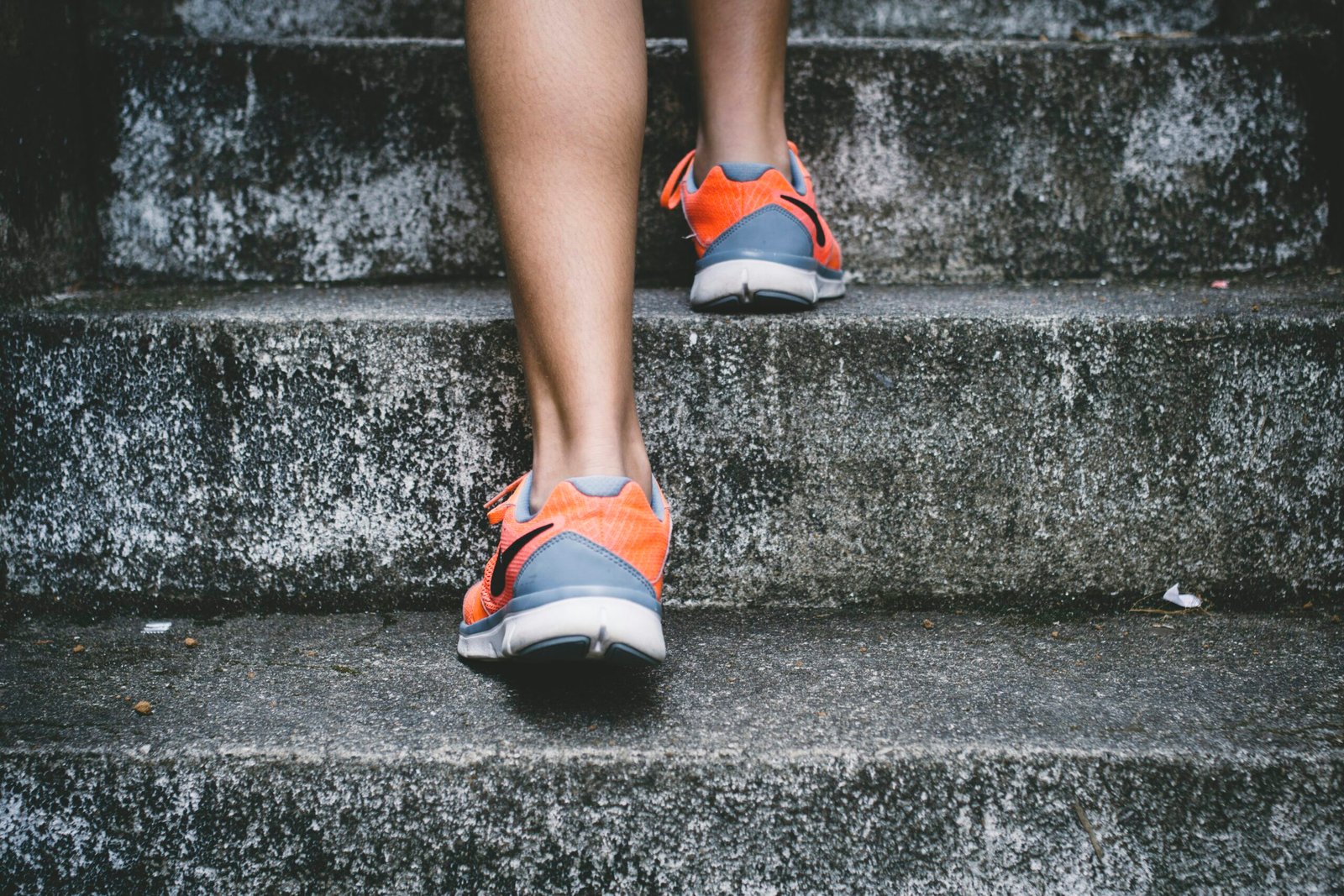
Achilles, Patellar & Tibial Stress
Rear foot striking, jumping, sprinting, and repeated tibial loading can contribute to Achilles tendonitis, patellar tendonitis, and shin splints.
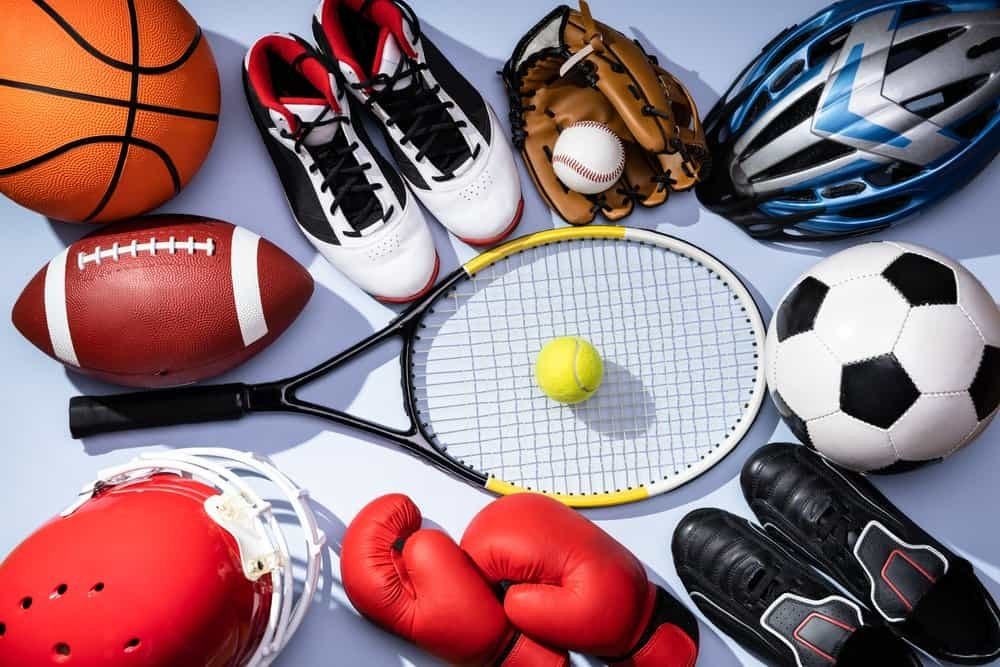
Elbow & Shoulder Overuse
Tennis elbow from backhand grip, golfer’s elbow from forehand mechanics, and shoulder overload are common, especially in Dubai’s growing padel community.
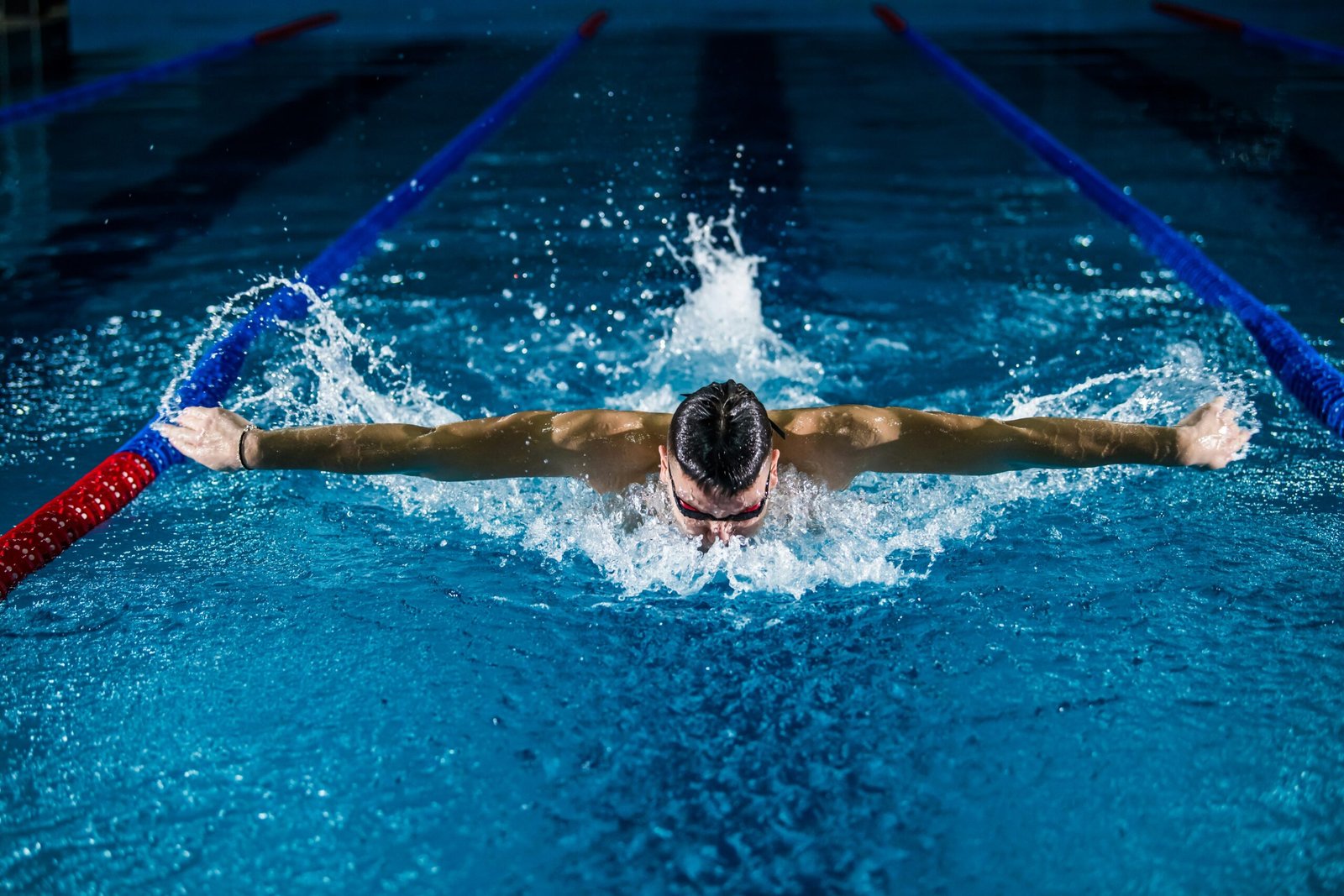
Rotator Cuff & Biceps Tendonitis
Overhead repetition commonly affects the rotator cuff and biceps tendon, especially in UAE triathlon and swimming communities.
Excessive Loading Without Adaptation
Patellar, quadriceps, and bicep tendon overuse can develop when loading progresses too quickly without enough adaptation time.
Rapid increase in training volume, violating the >10% weekly increase guideline.
Poor running or movement technique and biomechanical inefficiencies.
Inadequate footwear or equipment for the specific sport type.
Insufficient warm-up and cool-down routines before and after activity.
Previous tendon injury, where scar tissue may reduce tendon resilience.
Age 30–50, when natural tendon degeneration begins to become more relevant.
Medical conditions including diabetes, inflammatory arthritis, or fluoroquinolone antibiotic use.
Occupational repetitive strain in IT professionals, manual workers, and healthcare workers.
Training on hard surfaces such as concrete or tarmac.
Common Types of Chronic Tendonitis We Treat in Dubai
Chronic tendon problems can affect different regions depending on sport, workload, biomechanics, and training history. Early diagnosis helps prevent progression into more serious structural tendon damage.
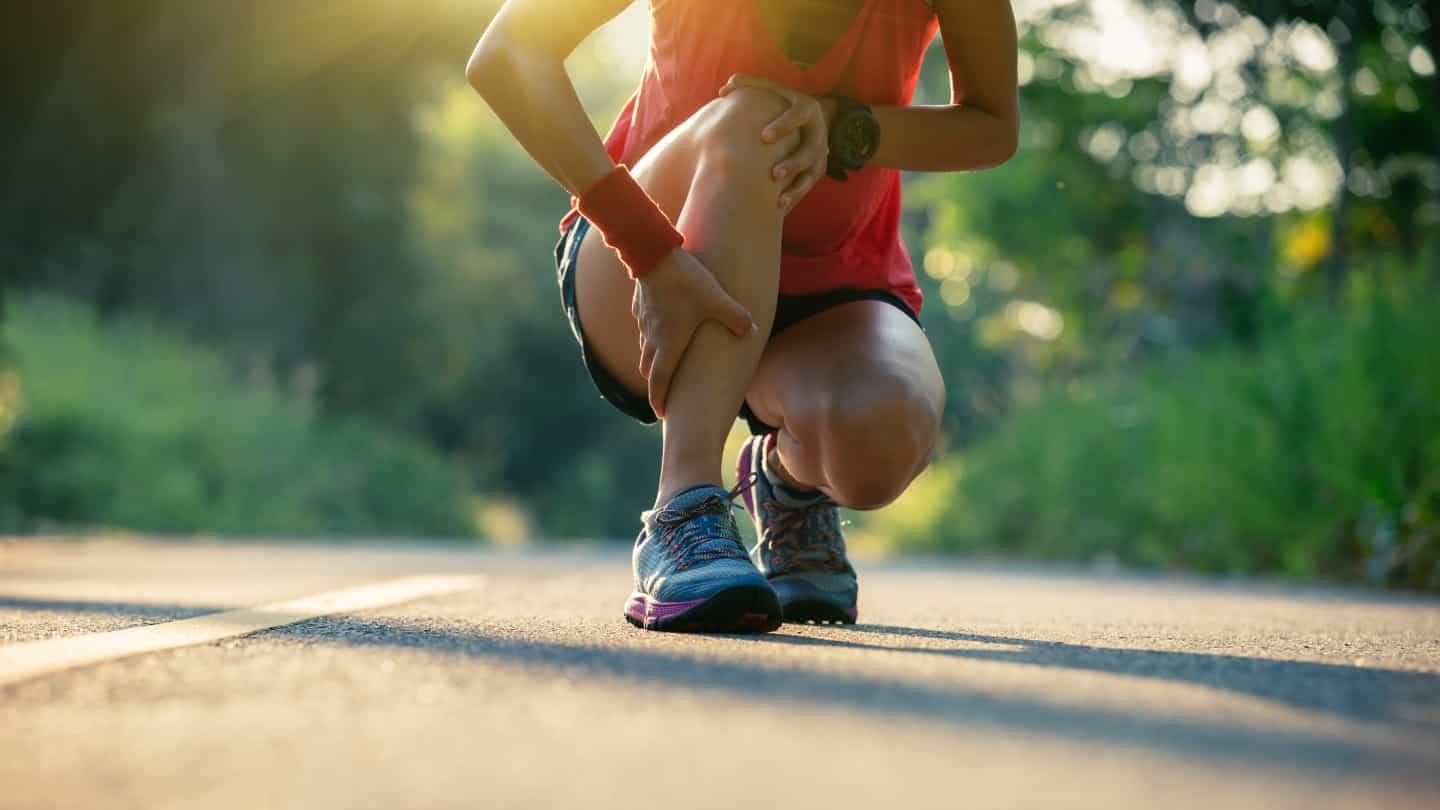
Achilles Tendinitis
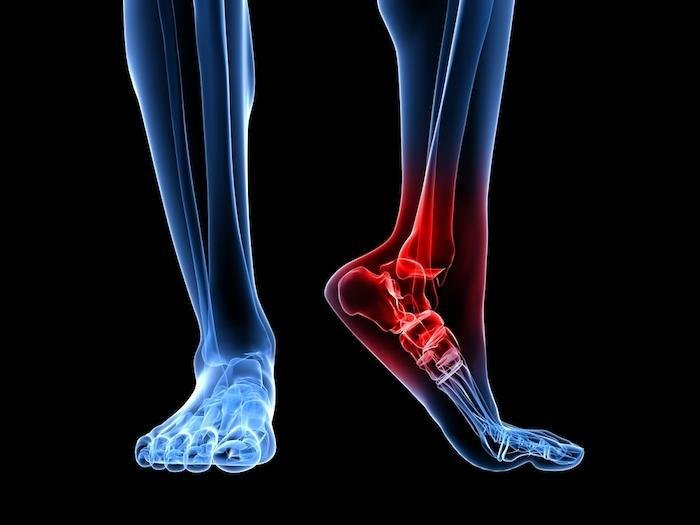
The most common overuse injury in runners and jumping athletes. It affects the Achilles tendon connecting the calf to the heel bone. Insertional and mid-portion types have different treatment approaches.
Patellar Tendonitis
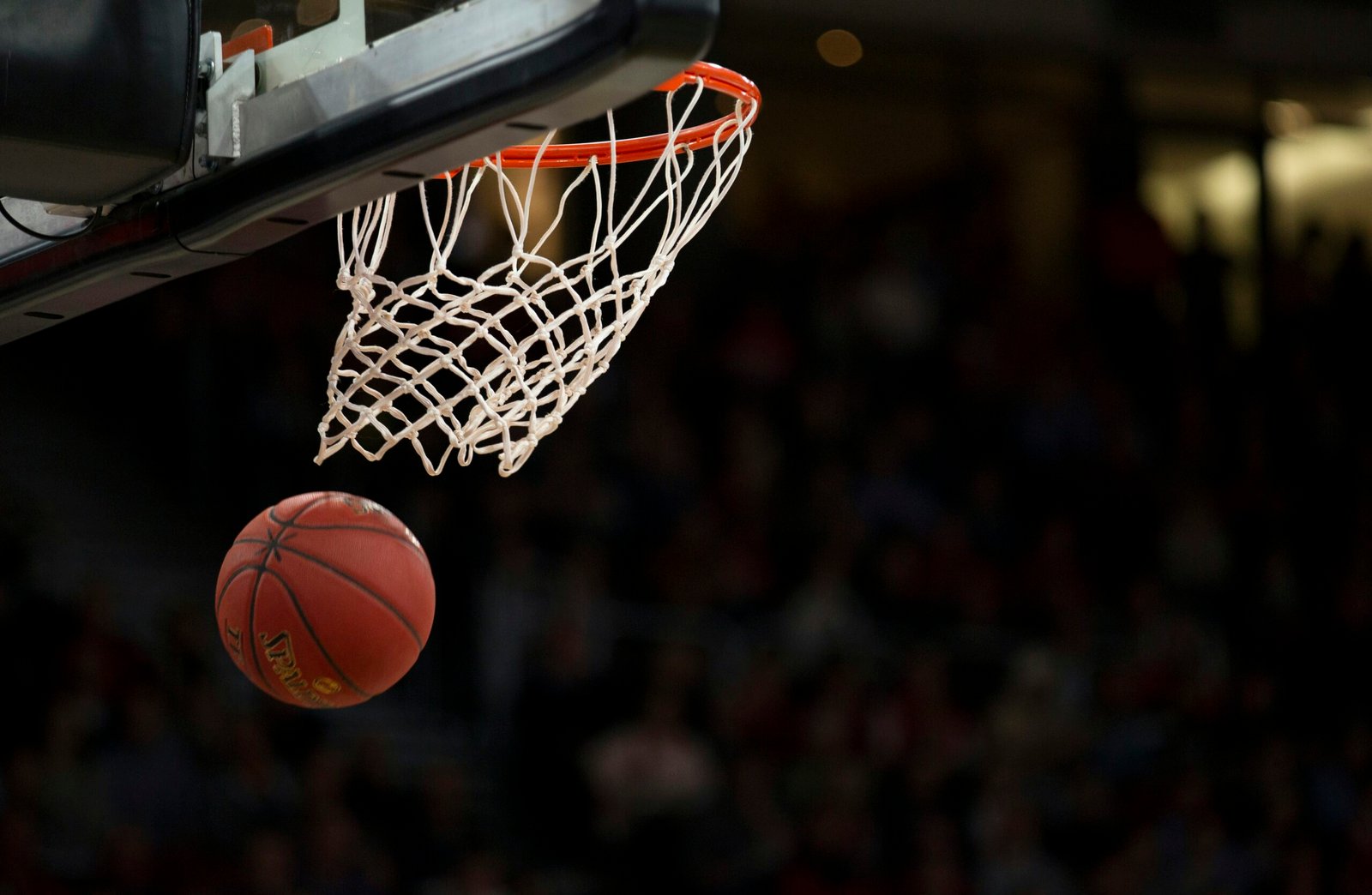
Overuse of the patellar tendon connecting the kneecap to the shin. It is a hallmark condition in basketball, volleyball, and football players, often presenting as pain at the lower pole of the kneecap.
Rotator Cuff Tendinopathy
Chronic degeneration from repetitive overhead activities. It is distinct from acute tears, but untreated tendinopathy can progress to partial- or full-thickness rotator cuff tears.
Tennis Elbow & Golfer’s Elbow
Lateral epicondylitis, known as tennis elbow, and medial epicondylitis, known as golfer’s elbow. Most patients are non-athletes performing repetitive gripping tasks.
Runner’s Knee & Shin Splints
Patellofemoral pain syndrome and medial tibial stress syndrome are two of the most common overuse conditions in recreational runners.

Why Early Treatment Matters
Chronic tendinopathy creates a weakened, structurally compromised tendon vulnerable to rupture. Achilles and patellar tendon ruptures require surgery and 6–12 months of recovery.
How Is Chronic Tendonitis Diagnosed?
Dr. Usama begins with a thorough history covering symptom onset, training patterns, activity demands, and previous treatments. Specific clinical tests identify the affected tendon, degree of functional limitation, and biomechanical contributors.
Clinical Examination First
Diagnosis starts by matching symptoms, movement testing, tendon-specific examination, and training history before selecting the right imaging study.
Imaging Studies
Imaging confirms tendon structure, detects associated pathology, and helps guide treatment planning.
Diagnostic Ultrasound
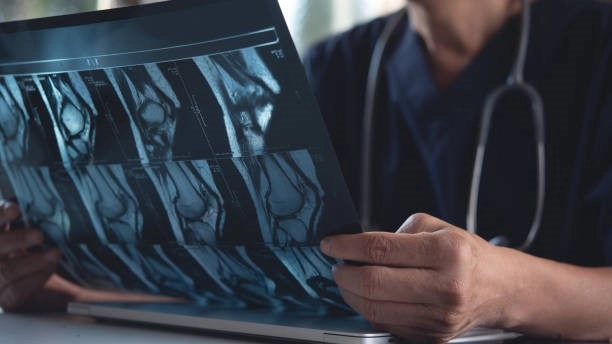
Shows tendon thickening, structural disorganization, neovascularization a hallmark of chronic tendinopathy and partial tears. It also allows comparison with the contralateral tendon and guides precise injection therapy.
MRI
Used when ultrasound is inconclusive, surgical planning is required, or when associated joint pathology such as bone marrow edema or labral tears must be excluded.
X-rays
Used to rule out calcific tendinopathy, bone spurs, stress fractures, and avulsion injuries that may mimic or contribute to tendon-related pain.
Grade 1 — Reactive
The tendon structure remains mostly normal. Symptoms often respond well to early load modification, technique correction, and targeted rehabilitation.
Grade 2 — Dysrepair
Collagen becomes disorganized and the tendon shows more structural change. Treatment usually requires more intensive rehabilitation and careful progression.
Grade 3 — Degenerative
The tendon is structurally compromised and carries the greatest rupture risk. Management may require advanced interventions and closer specialist monitoring.
Treatment Options for Chronic Tendonitis & Overuse Injuries
The majority of chronic tendonitis cases — approximately 80–90% — respond excellently to comprehensive conservative management. Dr. Usama's approach prioritizes restoring tendon function through targeted evidence-based therapies before considering surgical intervention.
Load Management & Activity Modification
The cornerstone of overuse injury treatment. Strategic reduction of aggravating load while maintaining cardiovascular fitness through cross-training. Eccentric and heavy slow resistance training programs have the strongest evidence base for tendinopathy rehabilitation. Dr. Usama provides individualized loading protocols for each condition and sport.
Targeted Sports Physiotherapy
Structured rehabilitation addressing not only the affected tendon but also the full biomechanical chain contributing to overuse, including eccentric strengthening protocols, flexibility training, proprioceptive rehabilitation, sport-specific movement pattern correction, and gradual return-to-sport progression.
PRP Therapy
Biologic regenerative treatment using concentrated growth factors from the patient's own blood to stimulate tendon healing. Ultrasound-guided PRP injection delivers powerful healing signals to poorly vascularized chronic tendon tissue. Typically 1–3 injections, 4–6 weeks apart.
Shockwave Therapy
Extracorporeal shock wave therapy delivers acoustic energy pulses that stimulate neovascularization, break down calcific deposits, and trigger collagen synthesis. Particularly effective for insertional Achilles tendonitis, calcific shoulder tendinopathy, and patellar tendinopathy.
Corticosteroid Injections
Provide potent short-term pain relief, used selectively due to evidence of tendon-weakening effects with repeated use. Dr. Usama uses diagnostic and therapeutic injections judiciously, primarily for bursitis and early-stage reactive tendinopathy.
Surgical Treatment for Persistent Chronic Tendinopathy
Approximately 10–20% of chronic tendinopathy cases require surgical intervention after 3–6 months of comprehensive conservative treatment. Surgical options include arthroscopic or mini-open debridement, tenotomy, tendon repair for partial tears, and bone spur excision. Dr. Usama performs minimally invasive techniques, providing faster recovery and excellent outcomes.
- Arthroscopic or mini-open debridement
- Tenotomy when indicated
- Tendon repair for partial tears
- Bone spur excision
Preparing for Your Chronic Tendonitis Consultation & Treatment
A well-prepared consultation helps Dr. Usama understand your symptoms, sport demands, previous treatment response, and the safest path forward — whether your plan involves physiotherapy, PRP therapy, injections, or surgical treatment.
What Happens During Chronic Tendonitis Treatment Step by Step
Chronic tendonitis treatment follows a structured pathway: confirm the diagnosis, grade the tendon, match treatment to the patient’s sport and performance demands, then monitor progress with clear milestones for safe return to activity.
The Treatment Pathway
Each step is designed to move from accurate diagnosis to personalized treatment delivery, measurable progress, and safe return to sport or daily activity.
Detailed history, clinical testing, and baseline scoring
Dr. Usama takes a detailed history covering symptom onset, training load, and previous treatments. Physical examination uses sport-specific clinical tests to identify the exact tendon and degree of pathology. Baseline function is scored using validated VISA outcome measures.
Immediate ultrasound visualization of tendon structure
Ultrasound performed in-clinic provides immediate visualization of tendon structure, thickness, neovascularization pattern, and any associated partial tears. MRI is ordered if ultrasound is inconclusive or if surgical planning is needed.
A structured roadmap based on grade, sport, and performance goals
Based on examination findings, imaging grade, and your specific sport and performance demands, Dr. Usama develops a treatment roadmap specifying the treatment sequence, expected timeline, rehabilitation protocols, and clear return-to-sport milestones.
First-line treatment begins immediately
For most patients this includes a structured tendon loading program, physiotherapy referral to Medcare MOSH specialists, and either PRP injection or shockwave therapy depending on imaging findings and tendon location.
Follow-up at 4–6 weeks with treatment adjustment
Follow-up appointments at 4–6 weeks assess response, repeat imaging if needed, and adjust the treatment protocol. Most patients show measurable improvement by 6–8 weeks.
Minimally invasive tendon surgery when conservative care is not enough
For patients who do not achieve adequate improvement after 3–6 months, Dr. Usama performs minimally invasive tendon surgery as a same-day procedure. Patients return home the same day with a structured rehabilitation protocol.
A clear process from diagnosis to return-to-sport
The step-by-step pathway helps patients understand exactly where they are in treatment, what improvement should look like, and when the plan should be progressed, adjusted, or escalated.
Recovery & Rehabilitation After Tendonitis Treatment
Recovery after chronic tendonitis treatment is not just about pain relief. It is a staged rebuilding process that restores tendon capacity, rebuilds strength, controls load, and prevents re-injury through measurable progression.
Months
Progression depends on compliance, not speed
Dr. Usama provides clear, measurable criteria for safe progression at every stage of rehabilitation.
Two Recovery Pathways, One Goal: Safe Return to Load
Conservative treatment and surgical treatment follow different timelines, but both depend on controlled loading, progressive strengthening, and strict return-to-sport criteria.
Conservative Treatment Recovery
For most patients, rehabilitation progresses from pain control to strength rebuilding and sport-specific return.
1–4
5–8
9–12
13–20
Surgical Recovery
When surgery is required, the timeline is more protected early, then gradually progresses toward competition.
1–2
3–6
6–12
12–20
20–24+
Short rest, controlled soreness, then guided progression
After PRP therapy, patients should rest from aggravating activity for 24–48 hours. Temporary increased soreness for 3–5 days is a normal healing response, not necessarily a sign that treatment has failed.
Compliance is the strongest predictor of outcome
Compliance with rehabilitation is the single most important factor determining outcome. Tendon healing takes 3–6 months even with excellent treatment. Returning to full load too early is the leading cause of re-injury. Dr. Usama provides clear, measurable criteria for safe progression at every stage.
Risks & Expected Outcomes for Tendonitis Treatment
Dr. Usama explains the realistic risks and expected success rates of each treatment pathway, helping patients choose between conservative care, injections, shockwave therapy, and surgery with full clinical transparency.
Conservative Treatment — Risks
Surgical Risks — Minimally Invasive
Success Rates
These ranges reflect expected outcomes for appropriately selected patients when treatment is combined with proper rehabilitation and return-to-sport progression.
Premature return to sport can cause re-injury.
Even when pain improves, tendon capacity may still be rebuilding. Returning to full training too early is one of the most important avoidable causes of recurrence.
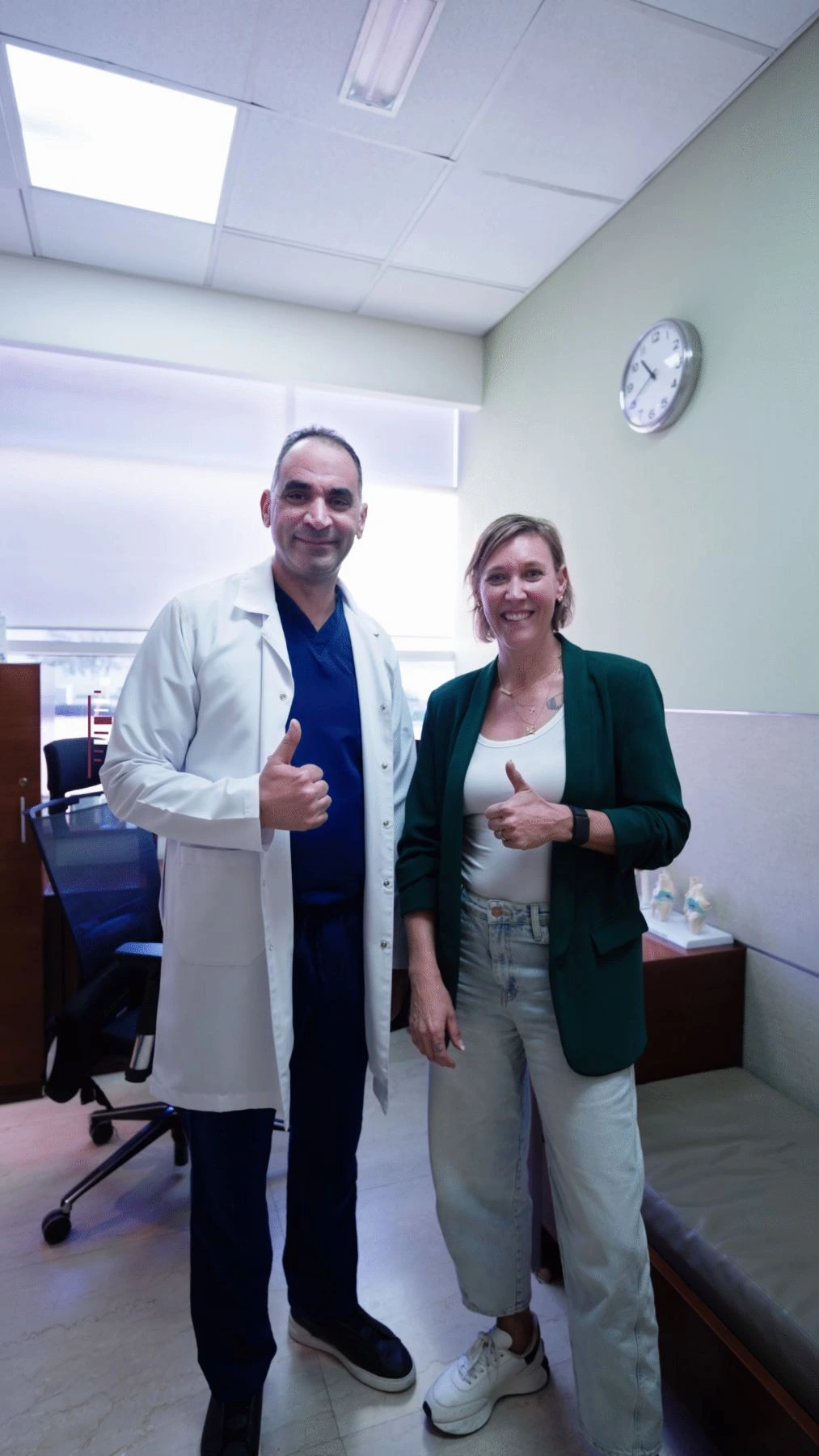
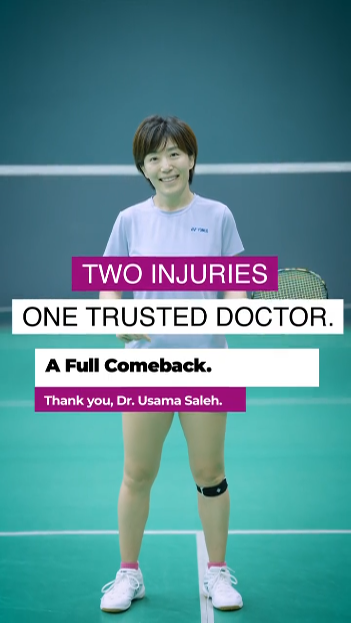
Real People. Real Transformations.
I had Achilles tendon surgery earlier this year, and I couldn’t be more grateful for the care I received from Dr. Usama Hassan Saleh and his team. From the first consultation to the post-surgery follow-ups, everything was handled with professionalism, skill, and genuine compassion. The recovery process was smooth thanks to the clear guidance and support provided. I’m now fully recovered and almost back to my regular activities—truly thankful for the excellent care!
Dr. Usama is a great asset to the hospital, i was lucky enough that he did my operation and the amount of care and experience he has is priceless . A big thank as well to nurse Merin for her care, smile and professionalism. I am glads to be a patient for dr. Usama clinic 🙂
Local Guide
I have been using Dr. Usama medical advisory and treatment for over 3 years now for various skeletal and tendon issues I have had and every time I visit I am always being provided with top notch medical guidance, and treatment plans that has been proven most useful and reliable. On the other hand, his patient management and personal involvement are always great to have and very assuring.
I had my meniscus repair surgery with Dr Usama. Alhumdulillah from the get go he was honest and geniune about the whole process and recovery. Today I'm able to walk long distances and lift again with no pain. Hoping to run again soon inshallah.
Dr Usama Saleh is so professional and amazing everything with him went smoothly from before the surgery he prepared me mentally and after the surgery too, I highly recommend him to anybody having ACL or ligament or a shoulder problem now I’m 3 weeks after the surgery and my recovery process is faster because of the way he sitting my mind Thank you dr Usama and Medcare for the special treatment
Dr. Usama is amazing! He fixed my shoulder after spotting an MRI issue others missed, adjusting my physio for great results. He also performed flawless meniscus surgery on my knee, and his post-op care ensured a smooth recovery. When a minor issue arose later, he resolved it instantly. Grateful for his expertise and dedication—highly recommend!
Thank you Dr. Osama Hassan for your care and attention. Happy Eid.
Ma Shaa Allah Expert doctor with humanity manner Appreciate his work
Best doctor I've ever seen, highly recommend. He is very honest which is hard to find nowadays.


Why Choose Dr. Usama Saleh for Tendonitis Treatment in Dubai?
Fellowship-trained sports injury expertise, conservative-first decision making, advanced biologic treatments, and integrated rehabilitation at Medcare MOSH.
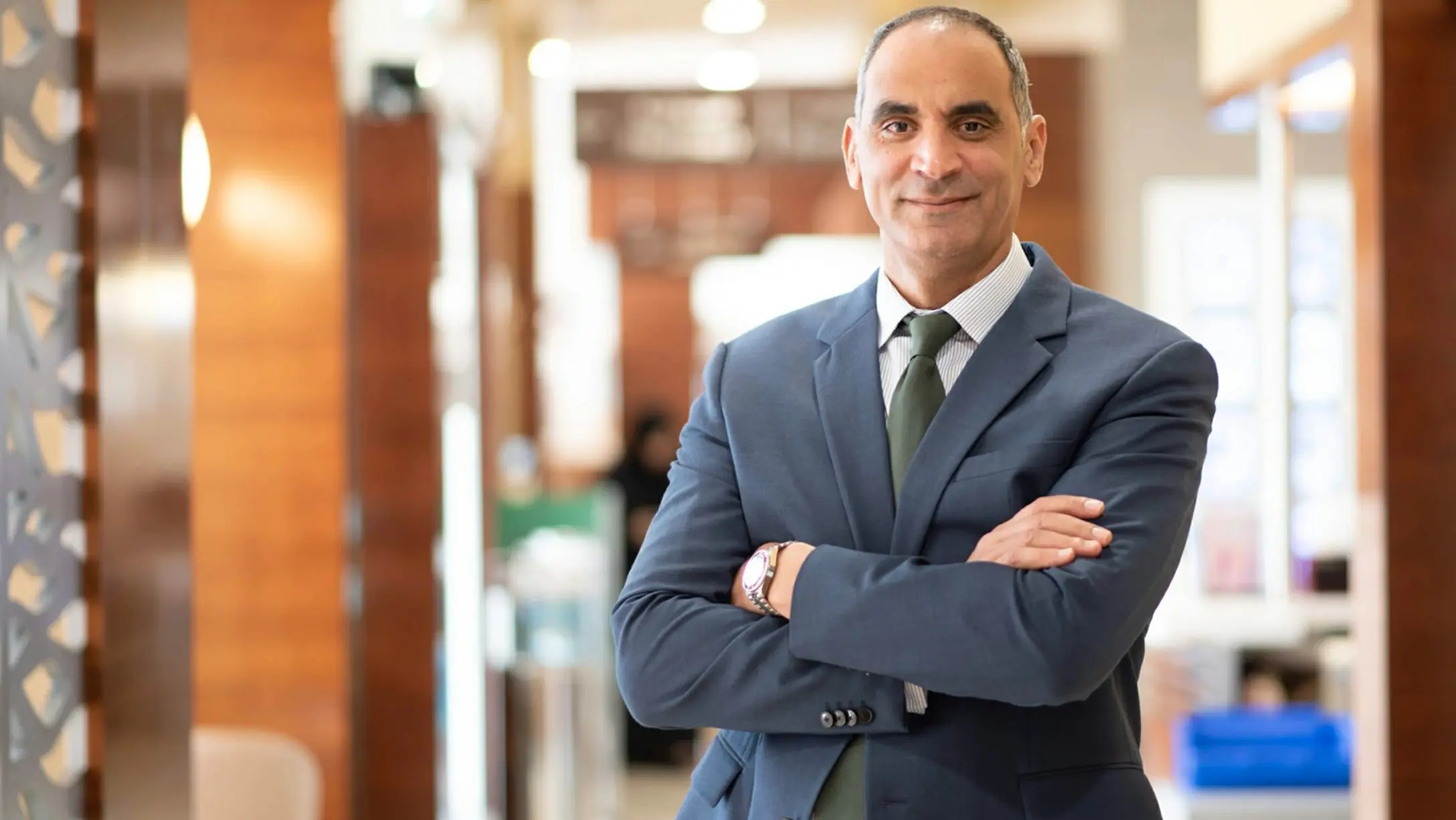
Fellowship-Trained Sports Injury Specialist
Advanced fellowship at the University of Toronto with subspecialty training in tendinopathy, PRP techniques, shockwave protocols, and minimally invasive tendon surgery beyond standard orthopedic training.
23+ Years Treating Athletes in Dubai & UAE
Deep familiarity with UAE sports injury patterns including padel, cricket, football, running, swimming, and CrossFit, with expertise applied to Dubai’s athletic community.
Conservative-First Treatment Philosophy
The vast majority of chronic tendonitis cases do not require surgery. Dr. Usama prioritizes maximally effective conservative treatment first the right treatment, not more than needed.
Advanced Biologic Treatments at Medcare MOSH
Ultrasound-guided PRP therapy, shockwave treatment, and targeted injection therapy are available at Medcare Orthopaedics & Spine Hospital, combining surgical expertise with advanced non-surgical care.
Integrated Rehabilitation at Medcare MOSH
Close collaboration with specialist sports physiotherapists and rehabilitation experts provides seamless care from diagnosis through full return to sport, all under one roof on Sheikh Zayed Road, Dubai.
International Research & Education
Published manuscripts, book chapter author, international conference speaker, and active AO trauma faculty member. Treatment is guided by current global evidence-based practices.
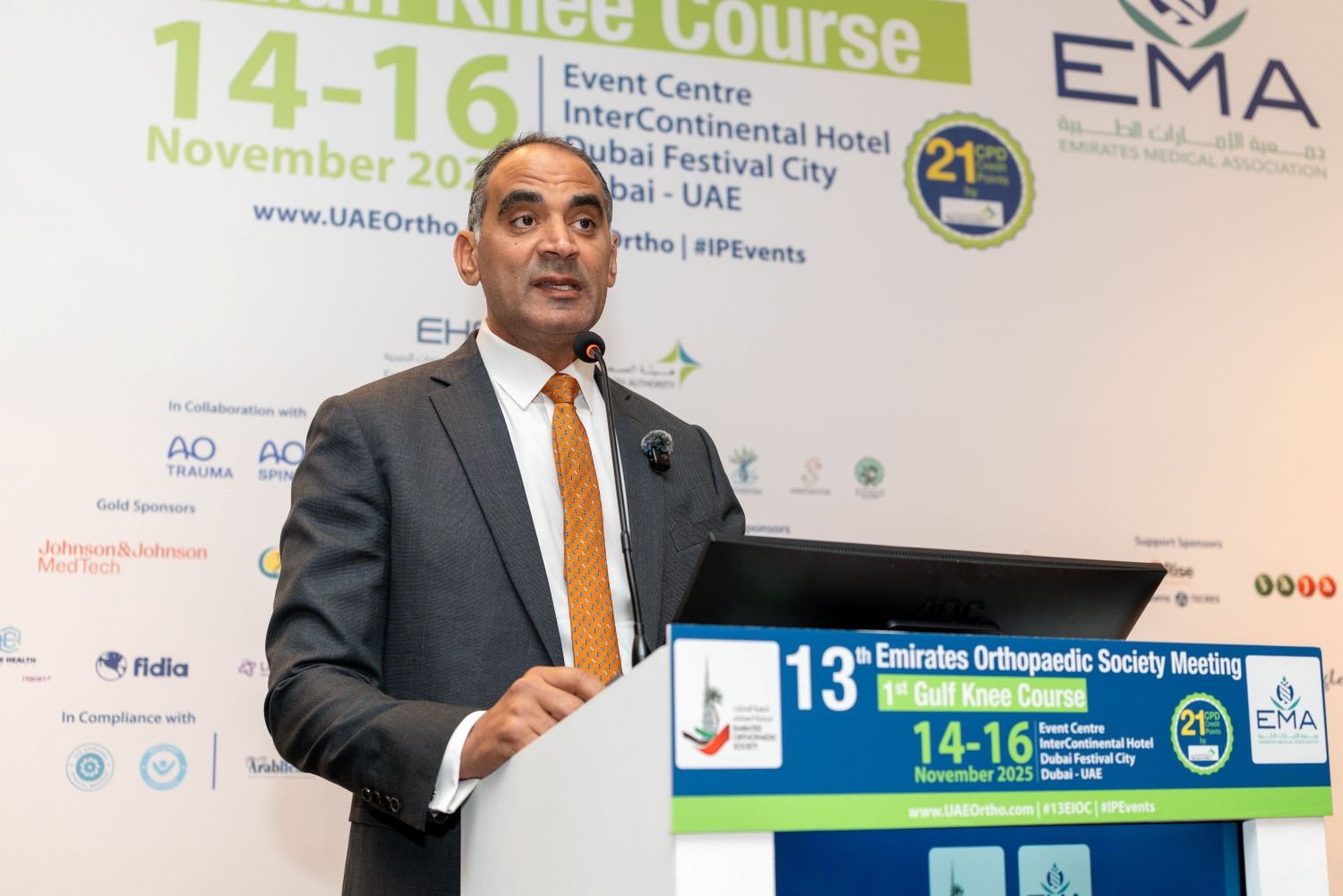
Chronic Tendonitis Treatment in Dubai Serving Athletes Across the UAE
Dubai's world-class sports facilities, year-round outdoor climate, and thriving athletic community make it one of the most sports-active cities in the world and one with a correspondingly high incidence of overuse injuries.
From the runners of Dubai Creek Park and Al Qudra cycling track to the padel players of JBR and the CrossFit community of Business Bay, chronic tendonitis affects thousands of active Dubai residents every year.
Dr. Usama Saleh sees sports injury patients at Medcare Orthopaedics & Spine Hospital (MOSH), conveniently located on Sheikh Zayed Road, Dubai, serving patients from Dubai, Sharjah, Abu Dhabi, Ajman, and across the UAE.
(MOSH)
Dubai, UAE
Frequently asked questions
Need something cleared up? Here are our most frequently asked questions.
Tendonitis implies active inflammation and is the traditional term. Tendinopathy is the more accurate modern term, reflecting that chronic cases involve structural tendon degeneration rather than primarily active inflammation. The distinction matters for treatment: pure inflammation responds to anti-inflammatories and rest, while degenerative tendinopathy requires specific loading programs, PRP therapy, or shockwave treatment to stimulate tendon remodeling. Dr. Usama distinguishes these accurately through clinical examination and ultrasound imaging.
Recovery depends on severity, tendon location, and treatment approach. Mild-to-moderate tendinopathy with a structured program typically shows meaningful improvement at 6–8 weeks and full recovery by 3–4 months. Severe or long-standing cases may require 4–6 months. Surgical cases generally recover in 4–6 months post-procedure. The key factor is compliance with the loading and rehabilitation program.
PRP therapy has a strong and growing evidence base for chronic tendinopathy particularly Achilles tendonitis, lateral epicondylitis (tennis elbow), and patellar tendinopathy. At Dr. Usama's Dubai clinic, ultrasound-guided PRP injection ensures accurate delivery to the zone of pathology. Most patients require 1–3 injections spaced 4–6 weeks apart. Approximately 70–80% of patients with chronic Achilles and elbow tendinopathy report significant sustained improvement following PRP treatment combined with a structured rehabilitation program.
Yes the vast majority of tendonitis cases (80–90%) respond to comprehensive conservative treatment without surgery. Conservative management including load modification, targeted physiotherapy with eccentric protocols, PRP therapy, and shockwave treatment resolves most chronic tendinopathy cases. Surgery is reserved for patients who do not achieve adequate improvement after 3–6 months of properly structured conservative care.
The most common overuse injury presentations in Dubai: running-related Achilles tendonitis and shin splints, padel-related lateral elbow and shoulder tendinopathy, CrossFit-associated patellar and shoulder tendinopathy, and swimming/triathlon-related rotator cuff tendinopathy. The year-round training climate and Dubai's highly active population create high demand for specialist sports injury care.
Shockwave therapy causes moderate discomfort during treatment most patients describe a tapping or pressure sensation that is uncomfortable but tolerable. No anesthesia is required. The treatment area may be sore for 24–48 hours after each session, which is normal and indicates a biological healing response. Most patients undergo 3–5 sessions spaced 1–2 weeks apart.
Treatment costs vary based on approach. Consultation and diagnostic ultrasound: AED 400–800. Physiotherapy sessions: AED 250–450 per session. PRP injection: AED 1,500–3,000 per session. Shockwave therapy: AED 500–1,200 per session. Surgical procedures: AED 20,000–45,000 depending on complexity. Many UAE insurance plans cover medically necessary tendonitis treatment. Dr. Usama's team verifies your coverage and provides transparent cost estimates during consultation.
See Dr. Usama in Dubai if: pain has not improved after 2–4 weeks of rest and basic self-treatment; pain is severely limiting daily activities; sudden worsening suggests possible tendon rupture; you have recurrent tendon pain returning after each attempt to return to sport; or you are preparing for a specific sporting event and need expert guidance on safe training modification.
Related Sports Injury Conditions & Treatments
Explore related sports injury conditions, regenerative treatments, and surgical options connected to chronic tendonitis and overuse injury care.
Sports Injuries Hub
Comprehensive overview of all sports injury conditions and treatments, including tendonitis, overuse injuries, regenerative options, and minimally invasive procedures.
Muscle Strains & Ligament Sprains
Acute sports injuries requiring immediate specialist assessment.
Labral Tears (Shoulder/Hip)
Structural joint injuries often associated with chronic overuse.
Biological Repair (PRP/Stem Cell)
Advanced regenerative treatments for tendon healing.
Minimally Invasive Sports Surgery
Surgical solutions for tendonitis not responding to conservative care.
Joint Stabilization Procedures
For instability associated with chronic tendon and ligament overuse.
Rotator Cuff Tear Treatment
When shoulder tendinopathy progresses to structural tendon damage.
Take control of your health, mobility, and quality of life.
Your First Step Toward a Stronger Tomorrow Starts Now:
Book your personal consultation with Dr. Usama Saleh today and begin your journey to a better you.
Thank you — your message was sent.
erhan