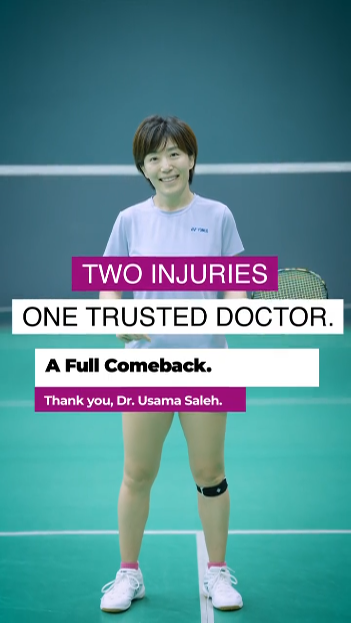
Sports Orthopaedics · Dubai

Joint Stabilization

Joint Stabilization Surgery in Dubai

Orthopedic sports injury assessment for joint instability in Dubai
23 Years treating orthopedic injuries in Dubai & UAE
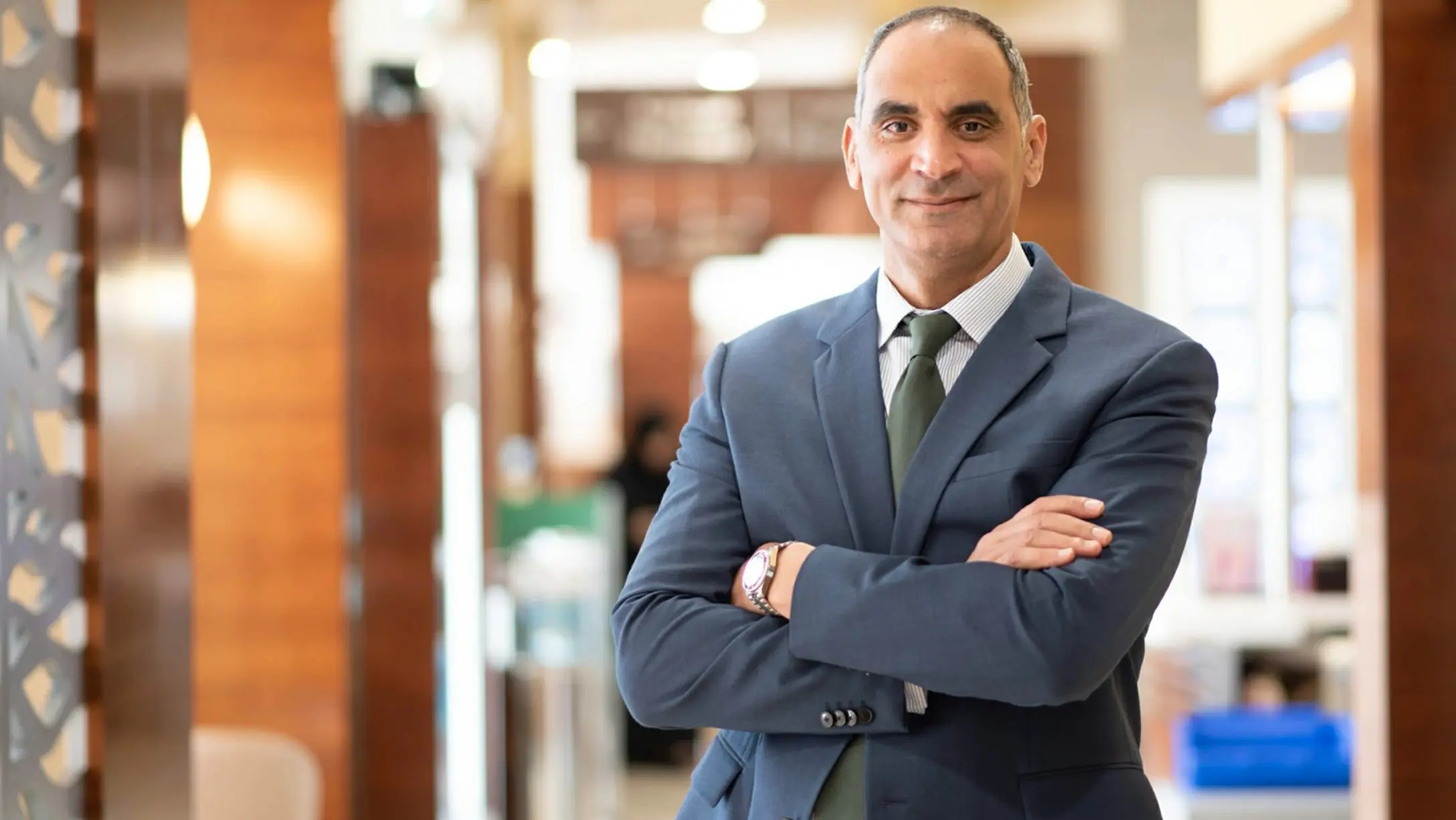
Fact-checked by Dr. Usama Hassan Saleh MD, PhD, MRCS (UK) · EgyptianD, MRCS (UK) · Egyptian & Arab Board Certified · University of Toronto Fellowship

Surgical repair or reconstruction of torn or stretched ligaments that leave the ankle, elbow, wrist, or another joint chronically unstable — with an arthroscopic-first approach whenever suitable.

What It Is Ligament repair or reconstruction for chronic joint instability.
Who Treats It Dr. Usama Saleh, fellowship-trained sports orthopedic surgeon.
Where Medcare Orthopaedics & Spine Hospital, Sheikh Zayed Road.
Understanding the procedure

What Is Joint Stabilization Surgery?

Joint stabilization surgery restores the ligament support that keeps a joint in its correct position. It is considered when ligament damage causes repeated giving-way or mechanical instability rather than a single isolated injury.

Primary Goal

Restore stable joint mechanics so walking, sport, and daily movement feel controlled again.

Decision Basis

Repair or reconstruction depends on chronicity, imaging findings, tissue quality, and stress testing.

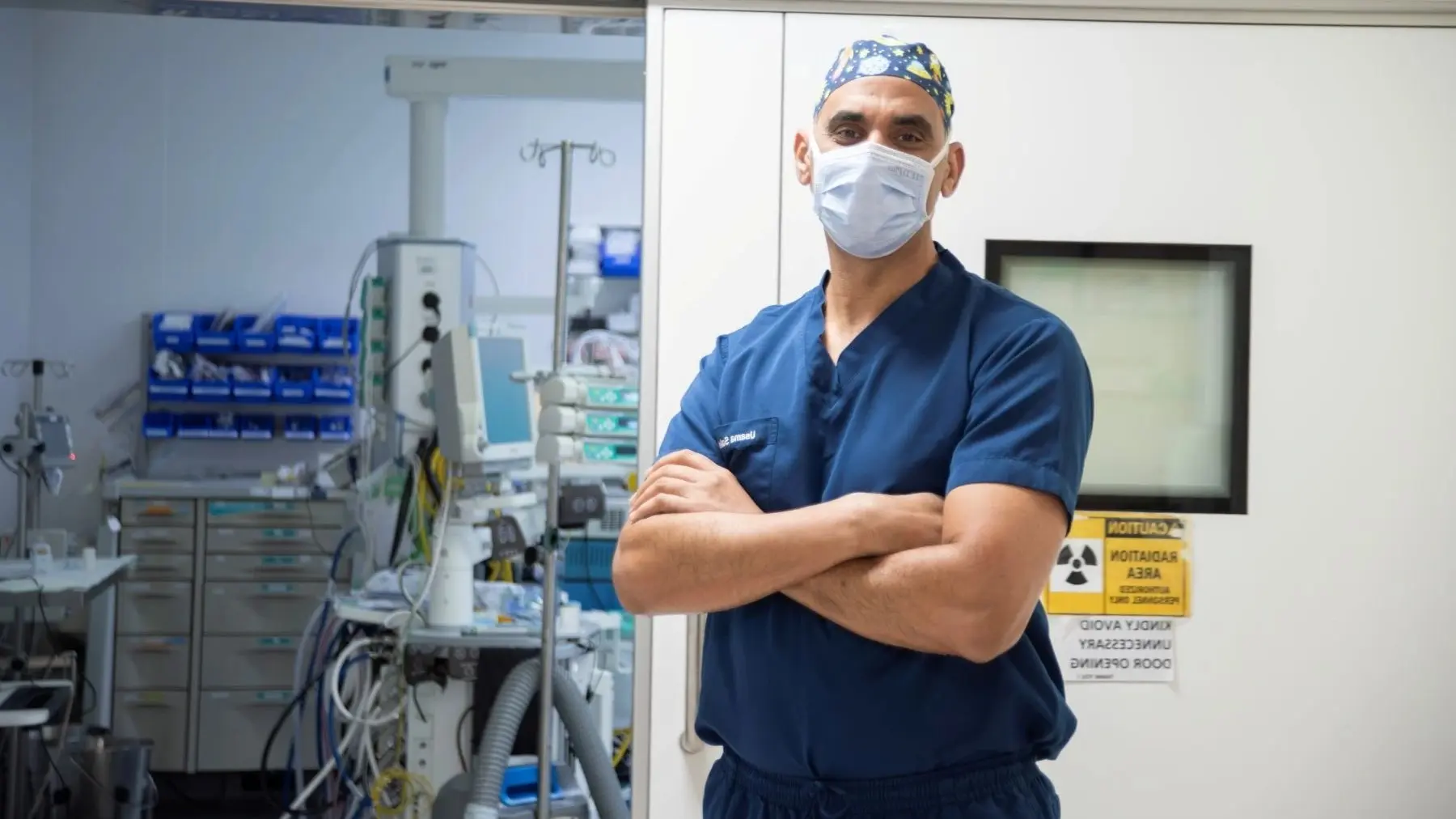
Dr. Usama Saleh orthopedic surgery consultation in Dubai
R
Repair

Best when the native ligament still has enough healthy tissue to be tightened and reattached.

G
Reconstruction

Used when the ligament is too stretched, damaged, or unreliable and needs graft-based rebuilding.

Ligament repair concept for joint stabilization surgery
01 Repair pathway

Ligament Repair

01

The patient’s own damaged ligament is tightened and reattached to bone when enough healthy native tissue remains. This is often the preferred first-line surgical option in more straightforward cases.

Typically the first choice for a straightforward ligament tear ankle case.
Usually a shorter recovery than full reconstruction.
Common for acute lateral ankle ligament tears.
Native tissue preserved Shorter recovery Acute tears
Ligament reconstruction concept with graft-based stabilization
02 Reconstruction pathway

Ligament Reconstruction

02

A tendon graft replaces the ligament when the original tissue is too damaged, stretched, or unreliable to repair. This approach is commonly used in chronic instability or after failed previous repair.

Used for chronic, long-standing instability or failed prior repair.
Restores mechanical stability when native tissue quality is poor.
Common after repeated ankle sprains with chronic instability.
Tendon graft Chronic instability Revision-friendly
How the approach is selected

Dr. Usama determines repair versus reconstruction based on imaging, injury chronicity, tissue quality, and how the joint responds to stress testing during examination.

Sports injury assessment for ankle ligament instability
Ankle instabilityThe most frequent joint stabilization presentation in Dr. Usama's sports injury practice.
Most common stabilization case

Ligament Tear Ankle: When Repeated Sprains Become Instability

Lateral ankle ligament tears are a common source of recurrent giving-way. Repeated sprains that never regain full stability can progress to chronic instability and may eventually damage the cartilage inside the joint.

1The ankle keeps giving way despite a full course of physiotherapy and bracing.
2Imaging confirms a complete lateral ligament tear rather than a partial sprain.
3Repeated sprains have caused cartilage damage visible on MRI.
4A competitive athlete needs dependable stability for a safe return to sport.
Common operative techniqueThe Modified Broström Procedure

At Medcare MOSH, many suitable ankle cases are treated by directly repairing and tightening the torn lateral ligaments. Arthroscopic techniques may be used when appropriate, allowing smaller incisions and a more minimally invasive initial recovery.

Book an ankle stability assessment
Multi-joint stabilization expertise

Beyond the Ankle: Other Joints Treated

The same stabilization principles are applied to ligament injuries across the elbow and wrist, while shoulder and knee instability are managed through dedicated condition and surgical pathways.

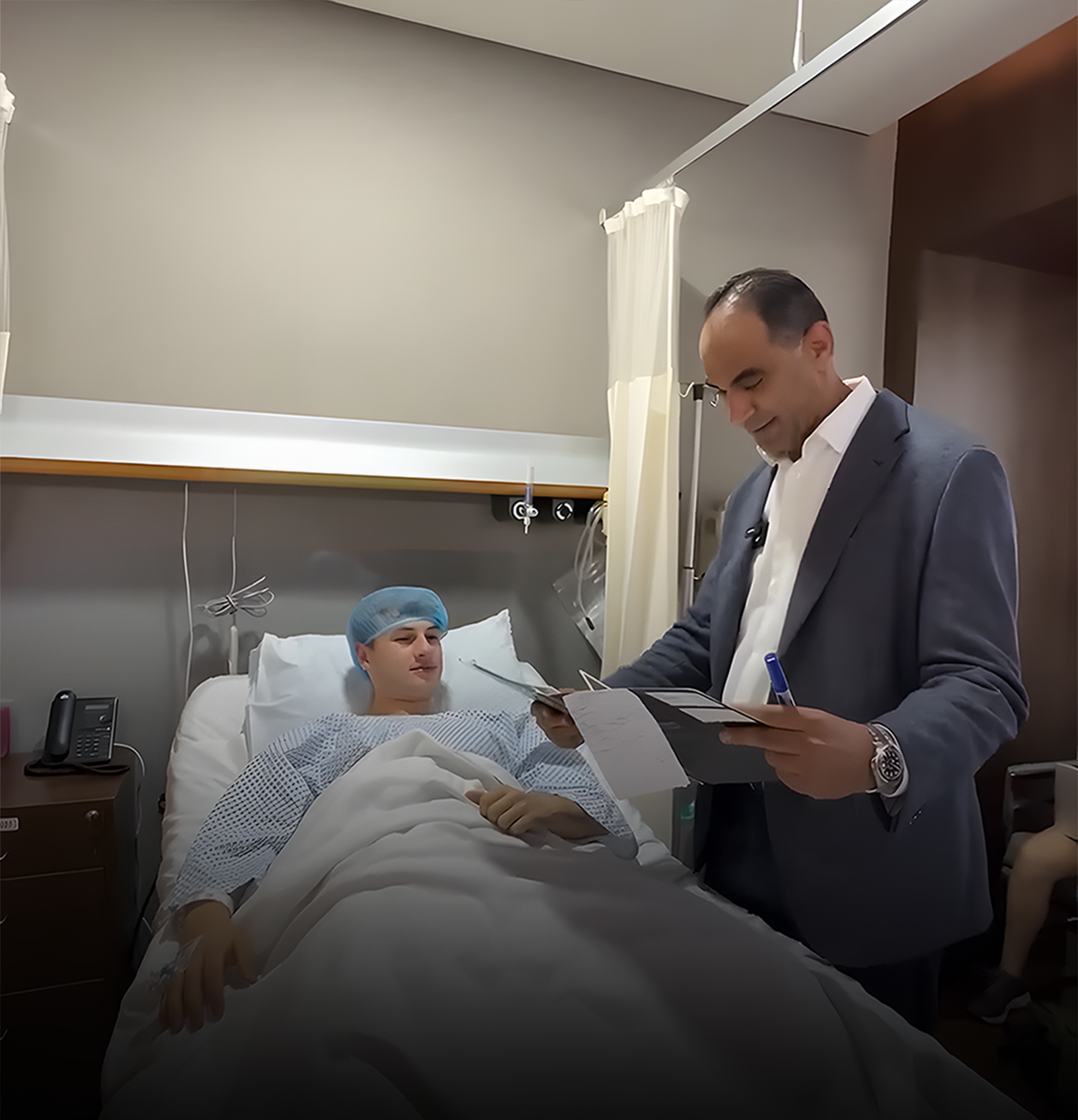
Dr. Usama Saleh evaluating joint stability for ligament injuries in Dubai
One surgical principle · Multiple joints

Restoring reliable mechanical stability across the joint

Healthy native ligament tissue may be repaired and tightened. When the ligament is too stretched, damaged, or unreliable, reconstruction with a tendon graft may be required.

Clinical stress testing MRI assessment Tissue-quality review
Elbow ligament instability assessment for an overhead athlete UCL
Overhead and racket sports

Elbow Ligament Instability

Ulnar collateral ligament injuries may affect throwing, overhead, and racket-sport athletes. Tendon-graft reconstruction can restore dependable stability when return to overhead sport is required.

Repair or tendon-graft reconstruction
Wrist ligament and TFCC treatment assessment in Dubai TFCC
Rotation and grip stability

Wrist Ligament Instability

TFCC tears may destabilize the wrist during gripping and forearm rotation. Arthroscopic repair can be considered when structured conservative management has not restored stability.

Arthroscopic evaluation and repair
Dedicated treatment pathways

Shoulder and knee instability require joint-specific planning

Explore the dedicated condition and surgery pages for shoulder stabilization, ACL reconstruction, and broader knee ligament instability.

Patient selection matters

Who Is a Candidate for Joint Stabilization Surgery?

Surgery is usually considered after structural instability is confirmed and appropriate non-surgical treatment has not restored dependable joint control.

Good Candidates

Recurrent ankle, elbow, or wrist instability that has not improved with physiotherapy and bracing.
A confirmed ankle ligament tear with mechanical giving-way, not pain alone.
Athletes who need dependable joint stability to return to competitive sport.
Structural ligament damage visible on MRI or ultrasound.

Not Appropriate For

×A first-time ankle sprain that has not yet had a proper conservative treatment program.
×Active infection at or near the planned surgical site.
×Patients who have not completed a genuine course of physiotherapy and bracing when clinically appropriate.
Important: Candidacy is individualized after examination and imaging; not every ligament tear requires surgery.
Before your procedure

Preparing for Joint Stabilization Surgery at Medcare MOSH

A clear pre-operative plan helps reduce uncertainty and ensures your home, transport, imaging, medication plan, and recovery aids are ready before surgery day.

Consultation

Pre-Surgery Assessment

Clinical examination, stress testing, and MRI confirm the exact ligaments involved in the ankle, elbow, or wrist and help rule out other causes of instability.

1–2 weeks before

Plan Medication & Time Off

Stop blood-thinning medication only when clinically safe and instructed. Arrange time off work and someone to drive you home.

Day of surgery

Arrive Prepared

Arrive fasting as instructed. Many stabilization procedures are performed as same-day or overnight-stay surgery depending on the joint and case complexity.

Home setup

Prepare Recovery Aids

Arrange crutches or the recommended brace in advance and create a comfortable resting area where the operated joint can be elevated.

Inside the operating pathway

How Joint Stabilization Surgery Is Performed

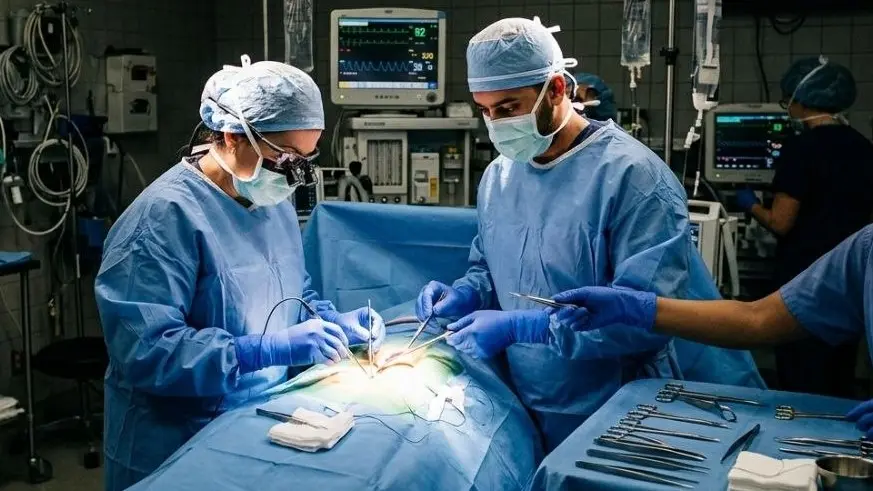
The exact technique changes by joint and ligament quality, but the procedure follows a structured sequence from anesthesia and arthroscopic assessment through repair, testing, and protective bracing.

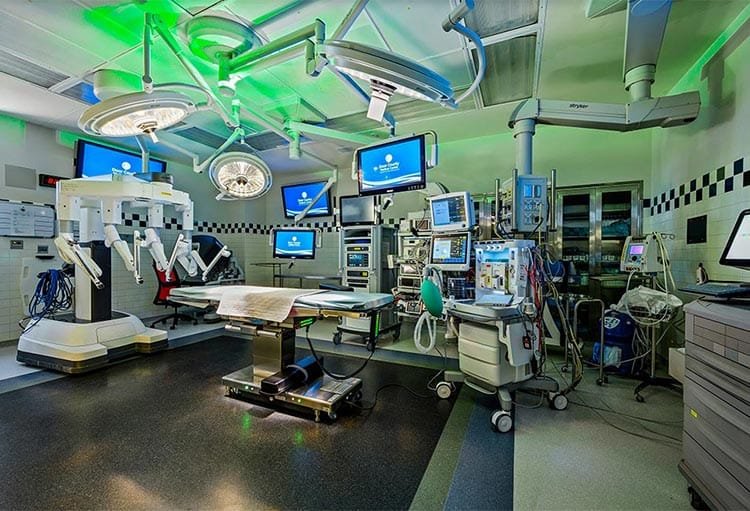
Modern orthopedic operating theatre for minimally invasive sports surgery
Arthroscopic-first when appropriateSmall-camera assessment can confirm the full injury pattern before ligament repair or reconstruction proceeds.
01

Anesthesia

Regional or general anesthesia is administered depending on the joint and the extent of surgery.

02

Arthroscopic Assessment · 10–15 min

A small camera confirms the ligament injury and checks for associated joint damage before definitive stabilization.

03

Repair or Reconstruction · 30–60 min

Damaged native ligament is repaired directly, or a tendon graft is used when tissue quality requires reconstruction.

04

Stability Testing

The joint is stress-tested during surgery to confirm the repair remains stable through the intended range of motion.

05

Closure & Bracing

Incisions are closed and the joint is placed in the appropriate protective brace or splint.

06

Recovery Room

Many patients return home the same day with clear instructions for weight-bearing, protection, medication, and activity.

Real People. Real Transformations.

erhan

I had Achilles tendon surgery earlier this year, and I couldn’t be more grateful for the care I received from Dr. Usama Hassan Saleh and his team. From the first consultation to the post-surgery follow-ups, everything was handled with professionalism, skill, and genuine compassion. The recovery process was smooth thanks to the clear guidance and support provided. I’m now fully recovered and almost back to my regular activities—truly thankful for the excellent care!

Haitham Kamal

Dr. Usama is a great asset to the hospital, i was lucky enough that he did my operation and the amount of care and experience he has is priceless . A big thank as well to nurse Merin for her care, smile and professionalism. I am glads to be a patient for dr. Usama clinic 🙂

Khaled El-Naggar

Local Guide

I have been using Dr. Usama medical advisory and treatment for over 3 years now for various skeletal and tendon issues I have had and every time I visit I am always being provided with top notch medical guidance, and treatment plans that has been proven most useful and reliable. On the other hand, his patient management and personal involvement are always great to have and very assuring.

Bushra Khan

I had my meniscus repair surgery with Dr Usama. Alhumdulillah from the get go he was honest and geniune about the whole process and recovery. Today I'm able to walk long distances and lift again with no pain. Hoping to run again soon inshallah.

Talal Mohammed

Dr Usama Saleh is so professional and amazing everything with him went smoothly from before the surgery he prepared me mentally and after the surgery too, I highly recommend him to anybody having ACL or ligament or a shoulder problem now I’m 3 weeks after the surgery and my recovery process is faster because of the way he sitting my mind Thank you dr Usama and Medcare for the special treatment

Abdalmegid Ibrahem

Dr. Usama is amazing! He fixed my shoulder after spotting an MRI issue others missed, adjusting my physio for great results. He also performed flawless meniscus surgery on my knee, and his post-op care ensured a smooth recovery. When a minor issue arose later, he resolved it instantly. Grateful for his expertise and dedication—highly recommend!

Ahmad Ali

Thank you Dr. Osama Hassan for your care and attention. Happy Eid.

Laila Hamad

Ma Shaa Allah Expert doctor with humanity manner Appreciate his work

Amal Basaeed

Best doctor I've ever seen, highly recommend. He is very honest which is hard to find nowadays.

Transparent expectations

Risks and Expected Outcomes

Every operation has risks. The expected benefit depends on the joint, chronicity, tissue quality, rehabilitation, and whether the case is primary or revision surgery.

Potential Risks

01
Infection & stiffnessStandard surgical risks include infection (reported in the source content as less than 2%) and temporary stiffness during early recovery.
02
Residual instabilityA small minority of chronic or revision cases may have persistent or recurrent instability.
03
Nerve irritationIrritation near the repair site can occur and is usually temporary.

Expected Outcome Ranges

Ankle ligament repair (Broström)85–95%

Good to excellent stability at one year in properly selected patients, as stated in the provided source content.

Elbow UCL reconstruction80–90%

Return to prior level of sport in athletes, per the supplied content.

Wrist TFCC repair75–85%

Significant improvement in stability and pain, per the supplied content.

Individual results vary. Dr. Usama discusses risk, expected outcome, and alternative treatment options during consultation so the plan is fully informed.
Return to movement safely

Recovery After Ligament & Joint Stabilization Surgery

Rehabilitation progresses from protecting the repair to restoring movement, strength, and finally sport-specific control. Timelines vary by joint and individual healing.

Weeks 1–2

Protect & Settle

Protective bracing, weight-bearing as directed, swelling control, wound care, and early recovery guidance.

Weeks 3–8

Restore & Strengthen

Progressive physiotherapy begins with range of motion and gradually advances into strengthening and control.

Weeks 10–16+

Rebuild Sport Confidence

Sport-specific drills and graded return to competitive activity are introduced when strength and stability allow.

ProcedureLight ActivityFull Sport
Ankle ligament repair3–4 weeks12–16 weeks
Elbow UCL reconstruction6–8 weeks9–12 months
Wrist TFCC repair4–6 weeks10–14 weeks
Why Choose Dr. Usama

Why Choose Dr. Usama Saleh for PRP Treatment and Stem Cell Therapy in Dubai?

Fellowship-trained sports injury expertise, DHA-compliant autologous biologic protocols, integrated rehabilitation, and 23 years treating Dubai's active population.

Dr. Usama Saleh orthopedic surgeon
Dr. Usama Saleh PRP and biologic treatment specialist

Fellowship-Trained Sports Injury Specialist

Advanced training at the University of Toronto with focused experience in biologic sports medicine treatment.

DHA-Compliant Autologous Protocols

PRP treatment and stem cell therapy follow Dubai Health Authority guidelines using only the patient's own blood or tissue.

23 Years Treating Dubai's Active Population

Extensive experience matching biologic treatment to the specific demands of Dubai's sporting community.

PRP and regenerative sports medicine treatment Dubai
Dr. Usama Saleh biologic sports medicine Dubai
University of Toronto Fellow
DHA-Compliant Autologous Protocols
23 Years in Dubai & UAE
Medcare MOSH Integrated Rehab
Joint stabilization surgery in Dubai

Serving Athletes Across Dubai and the UAE

From weekend padel and running to competitive football, repeated ankle sprains deserve proper assessment before mechanical instability becomes a long-term problem.

Areas We Serve

Medcare MOSH on Sheikh Zayed Road is accessible to patients across Dubai, Sharjah, and the wider UAE.

JumeirahDowntown DubaiDubai MarinaJBRBusiness BayAl BarshaDIFCSharjahAcross the UAE

Frequently asked questions

Need something cleared up? Here are our most frequently asked questions.

Continue exploring

Related Conditions and Treatments

Explore related ligament conditions, joint-specific stabilization procedures, and non-surgical biological treatment options available across Dr. Usama Saleh’s sports injury practice in Dubai.

Take control of your health, mobility, and quality of life.

Your First Step Toward a Stronger Tomorrow Starts Now:

Book your personal consultation with Dr. Usama Saleh today and begin your journey to a better you.

Contact Form dr

Powered by ICONCLY Medical.

Copyright © 2026. All rights reserved.

Patient Connection Hub Assess your pain