Rotator Cuff Tear Treatment in Dubai: Relieve Pain & Restore Strength
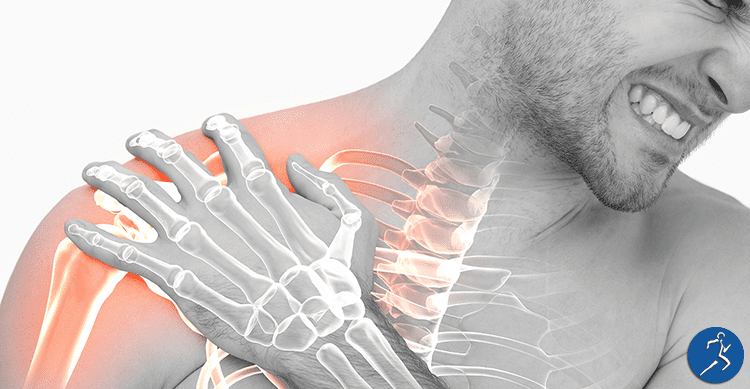
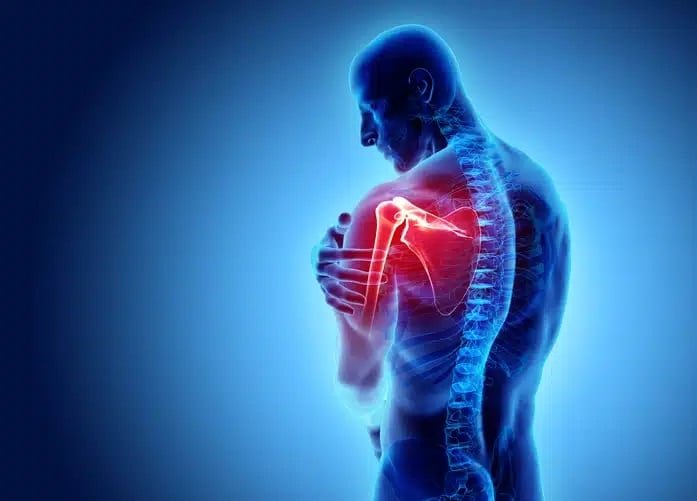
Persistent shoulder pain and weakness are common signs of a rotator cuff tear, one of the most frequent shoulder injuries in Dubai and the UAE. Dr. Usama Saleh, a fellowship-trained shoulder specialist with 23+ years of experience, provides expert rotator cuff tear treatment tailored to your condition and lifestyle. From non-surgical rotator cuff tear treatment and injection therapy to advanced arthroscopic rotator cuff repair, every option is carefully explained to help you choose the best solution for your shoulder.
Understanding Rotator Cuff Tears
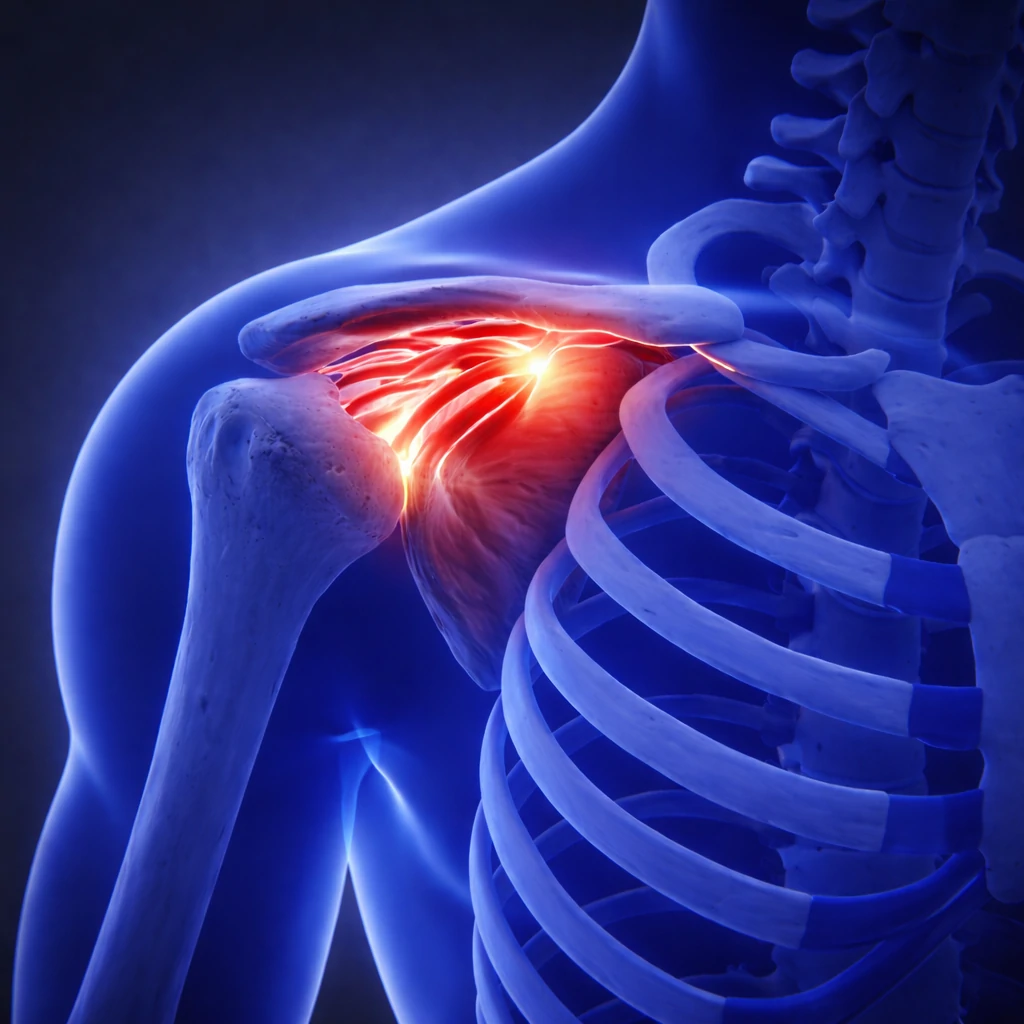
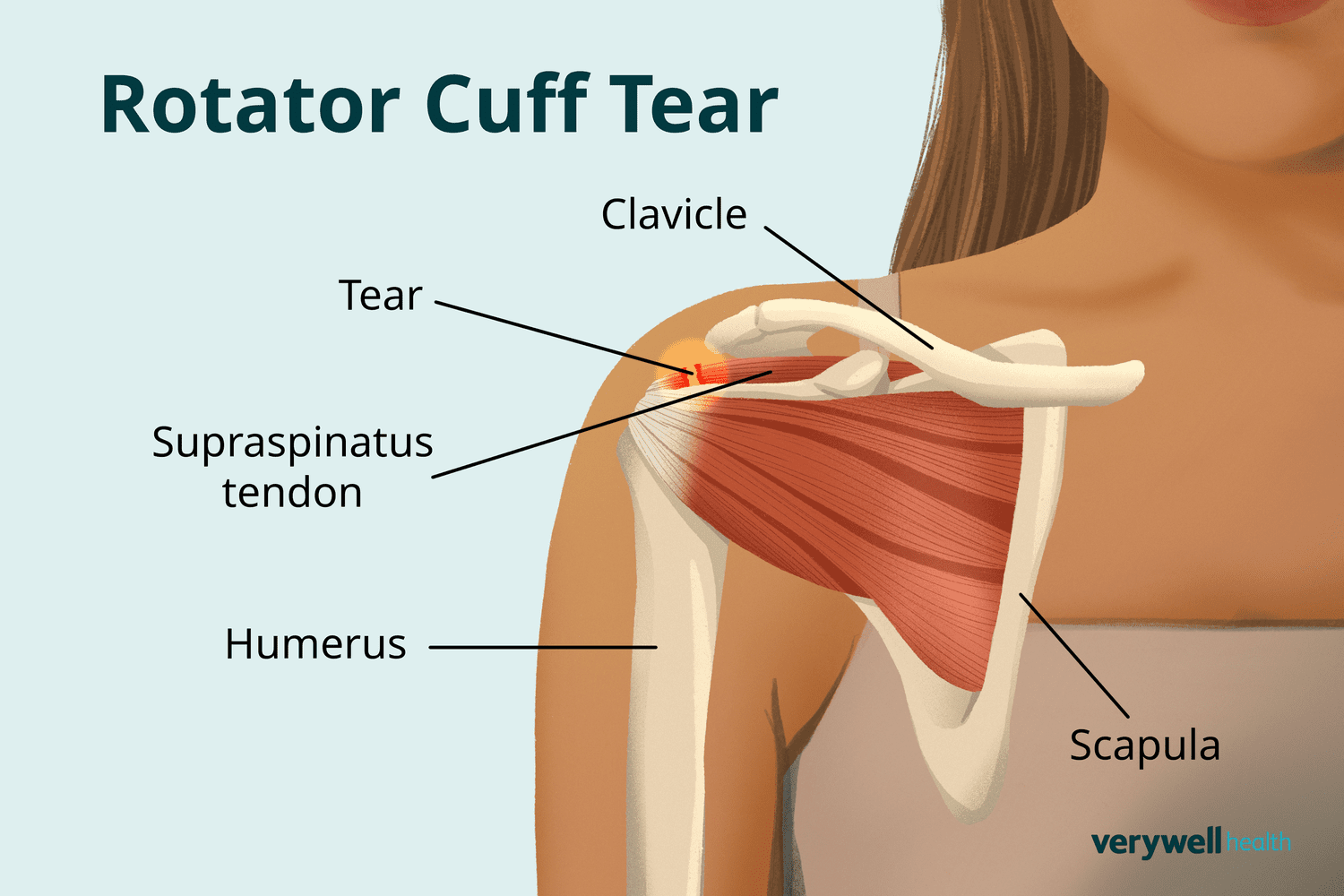
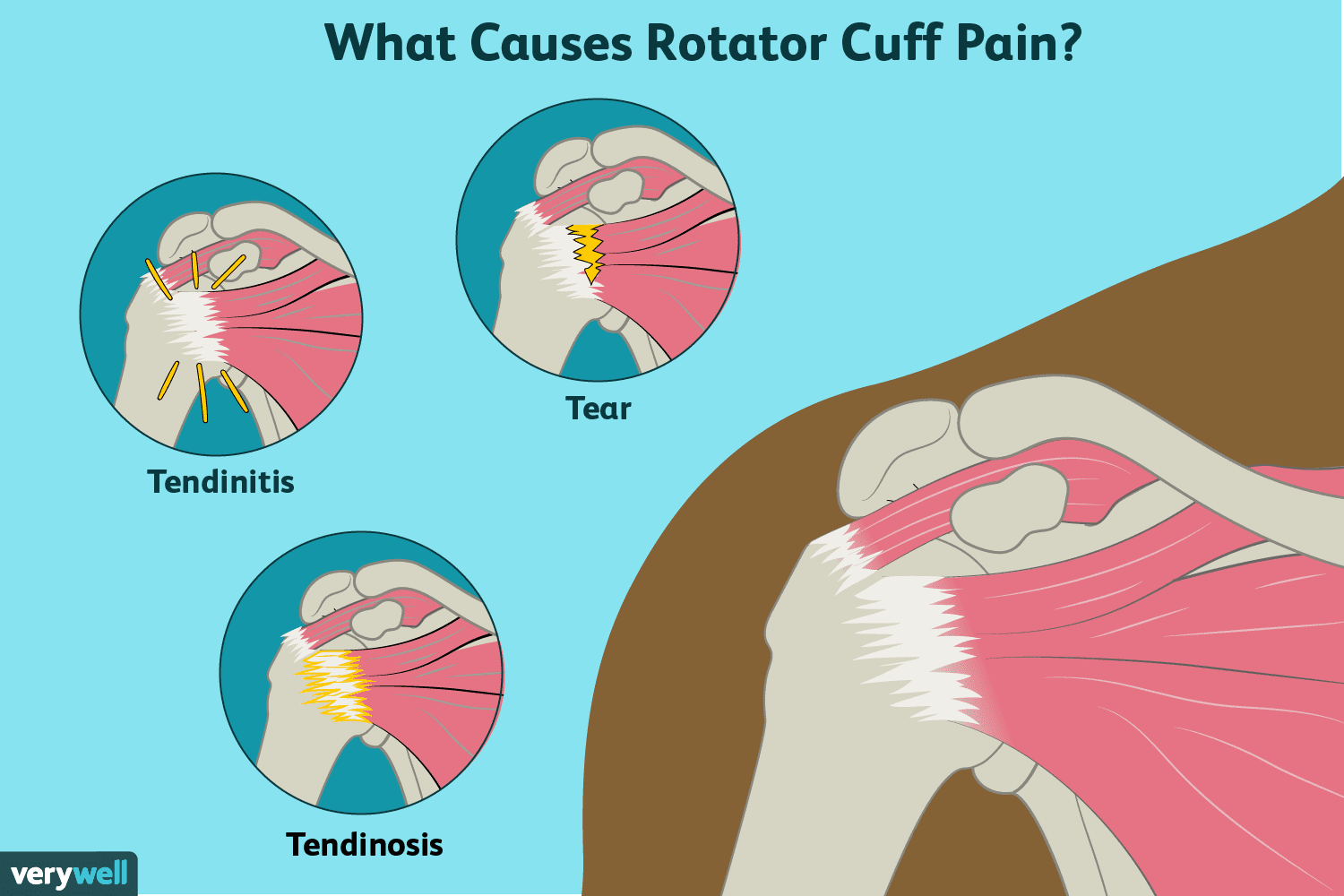
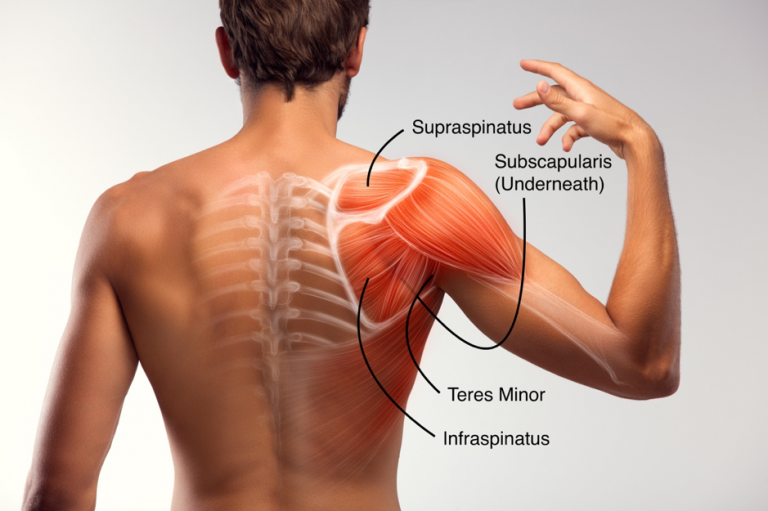
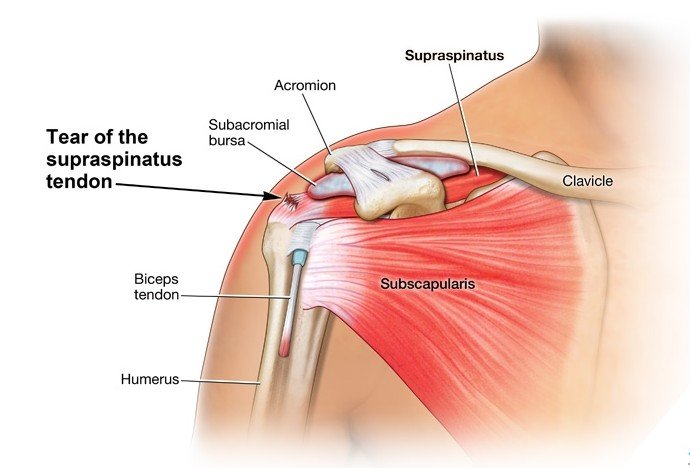
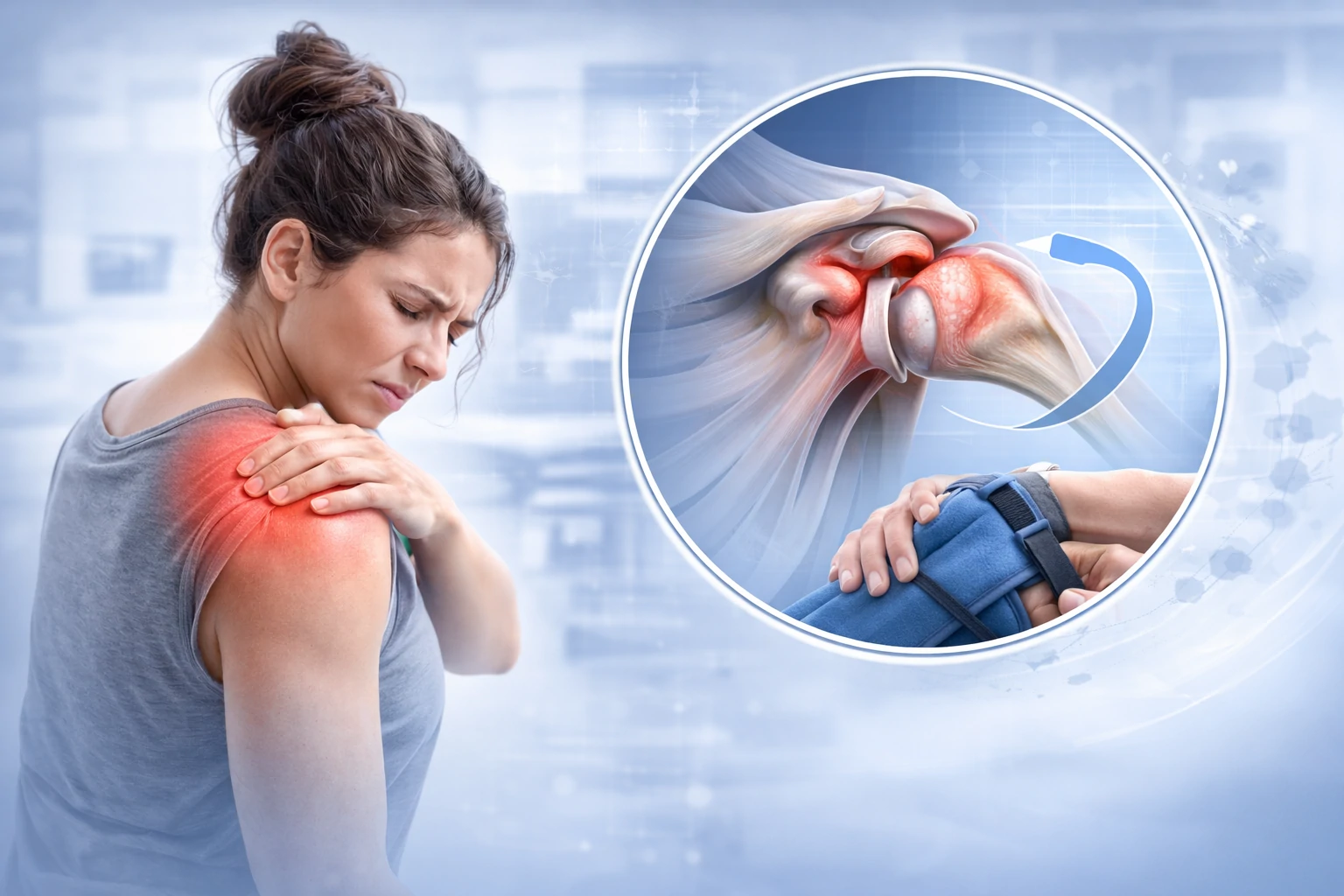
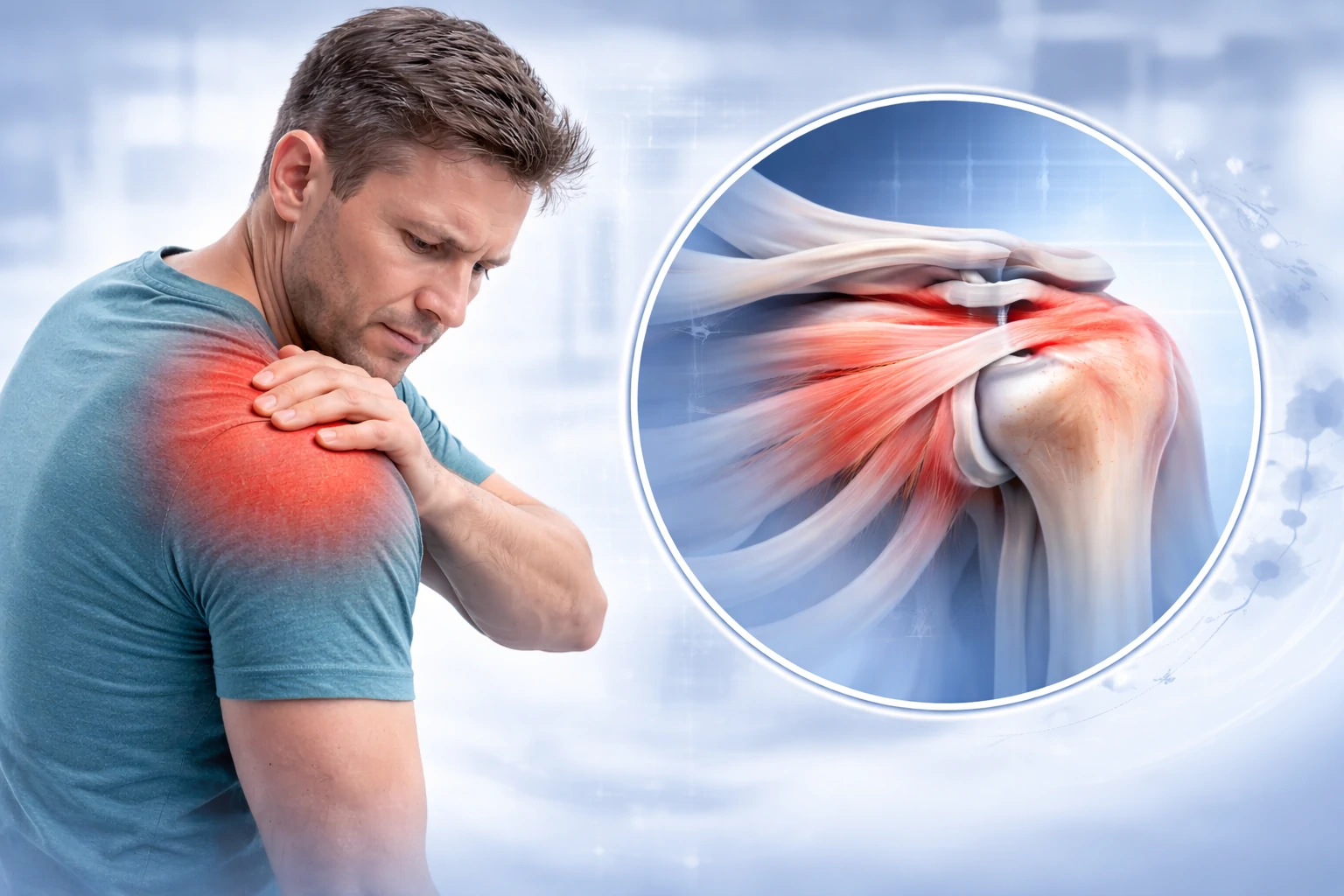
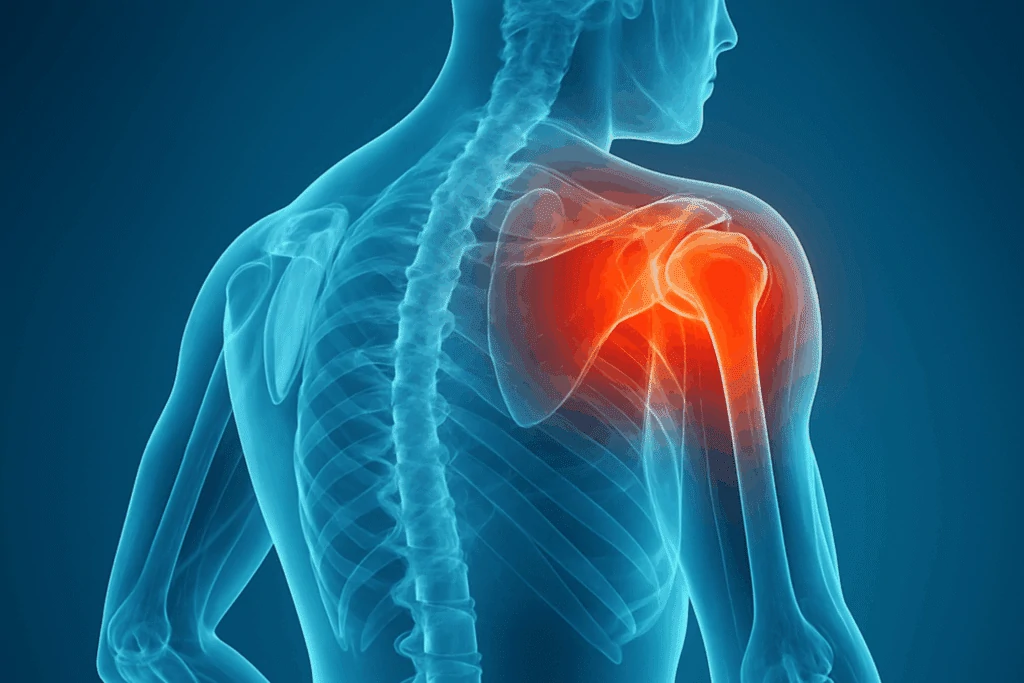
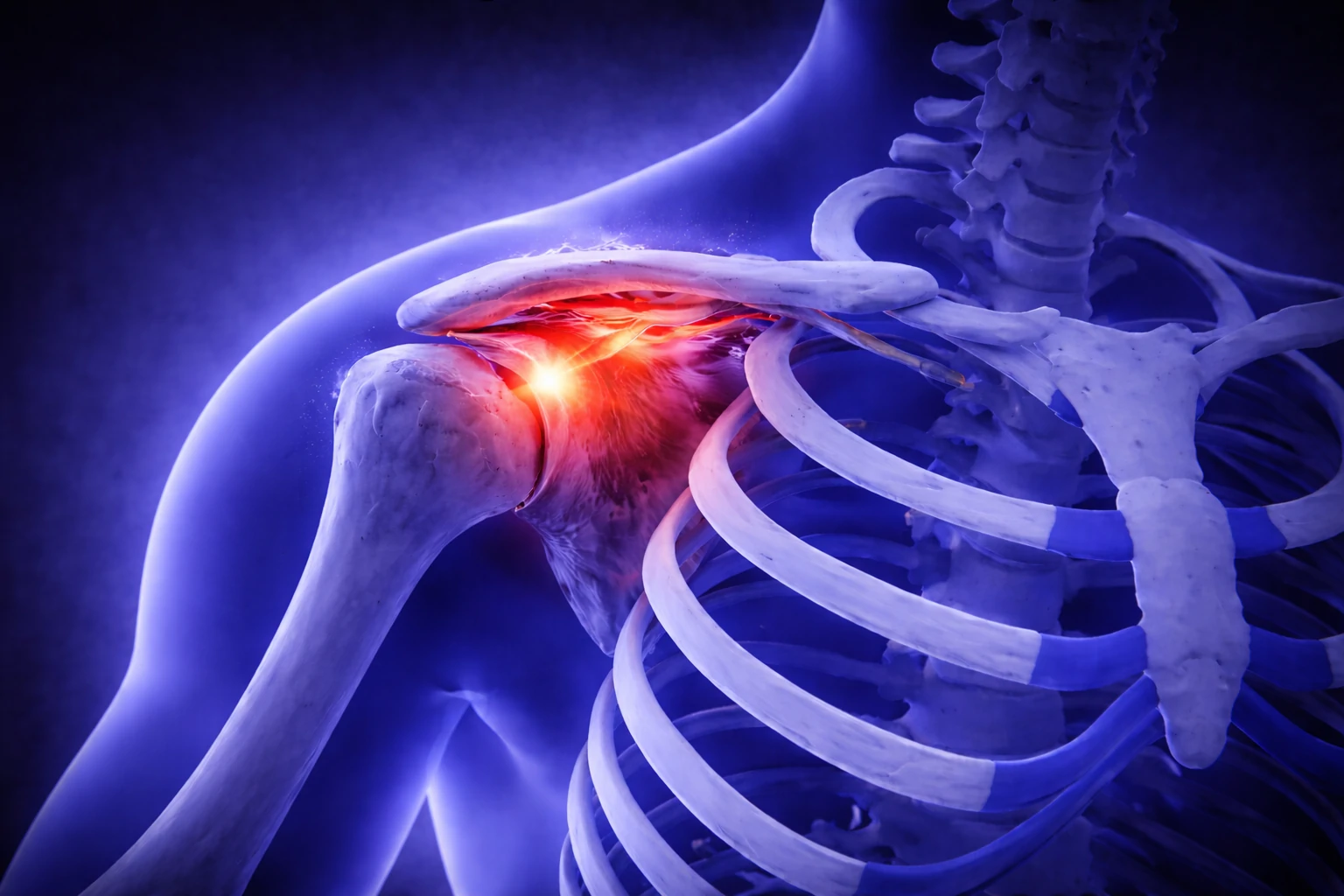
The rotator cuff is a group of four muscles and their tendons, the supraspinatus, infraspinatus, teres minor, and subscapularis, that wrap around the shoulder joint. Together they stabilize the ball in the socket and power every arm movement. When one or more of these tendons is torn, whether from a sudden traumatic injury, repetitive overhead strain, or progressive age-related degeneration, the result is the characteristic shoulder pain, shoulder weakness, and functional limitation of a rotator cuff tear.
Rotator cuff tears are the single most common cause of shoulder pain in adults. In Dubai and the UAE, they affect both active athletes and desk-based professionals alike. Not every rotator cuff tear requires surgery, many patients achieve excellent results with proper conservative rotator cuff tear treatment. Dr. Usama Saleh, Dubai’s best shoulder doctor, determines the most appropriate treatment path for your specific tear based on size, severity, your age, activity demands, and goals.

Rotator Cuff Tear Symptoms
Recognizing symptoms early leads to better outcomes. Presentation varies depending on tear size and chronicity.
Deep Shoulder Pain
Deep aching in the shoulder and upper arm, often worse at night and disrupting sleep.

Shoulder Weakness
Difficulty lifting the arm, carrying objects, or reaching overhead. Noticeable weakness with specific movements.

Painful Arc
Pain when lifting the arm between 60-120 degrees of elevation. Clicking or crackling sensations during movement.

Limited Movement
Difficulty reaching behind the back or rotating the arm outward, restricting daily functional activities.


Acute vs Chronic Presentation

Acute Presentation
Sudden sharp pain after a fall, heavy lift, or direct blow. Immediate weakness. Often indicates a complete tear requiring prompt evaluation.

Chronic Presentation
Gradual onset shoulder pain worsening over months. Common in adults over 40. Weakness is typically noticed when reaching overhead or behind the back.
What Causes Rotator Cuff Tears?
Understanding what causes rotator cuff tears helps guide both treatment and prevention strategies.
Acute Traumatic Tears
Usually causes complete full-thickness tear requiring prompt surgical evaluation.
- Fall on outstretched arm
- Direct blow to shoulder
- Heavy sudden lifting
- Sports injury Rugby Weightlifting
- Road traffic accidents
Degenerative Tears
Often partial-thickness initially, frequently progressing to full-thickness over time.
- Age-related tendon wear (Over 40)
- Repetitive overhead activity
- Shoulder impingement (Bone spurs)
- Reduced blood supply with age
- Cumulative microtrauma
Key Risk Factors
Variables that significantly increase susceptibility to advanced tendon damage.
Diagnosing Your
Rotator Cuff Tear
Accurate evaluation is the cornerstone of successful recovery. Dr. Usama combines meticulous physical testing with state-of-the-art diagnostic imaging to construct a precise, tailored treatment roadmap.
Clinical Examination
Dr. Usama performs a thorough clinical shoulder examination including active/passive Range of Motion (ROM) testing and isolated strength analysis of each rotator cuff muscle (supraspinatus, infraspinatus, subscapularis). Specific provocative tests like Neer’s, Hawkins, empty can, drop arm, and external rotation lag are executed alongside assessments for muscle atrophy and bicep tendon integrity.
Imaging Studies
MRI: The definitive gold standard showing precise tear location, sizing (partial vs full thickness), tendon retraction, and muscle tissue quality via Goutallier grading.
Ultrasound: Real-time dynamic visual assessment ideal for quick confirmation and needle guidance.
X-rays & CT: Utilized to evaluate bone spurs, acromion architecture, arthritic degradation, or complex bone loss.


Rotator Cuff Tear Treatment
Dr. Usama provides the complete spectrum of rotator cuff tear treatment. The right approach depends on tear size, age, activity level, symptoms duration, and personal goals.
Rotator Cuff Physical Therapy
Structured 12-16 week program of rotator cuff shoulder exercises and scapular strengthening. Foundation of treatment without surgery. Reduces pain, improves function, and strengthens compensating muscles. Best results for partial tears and appropriate full-thickness tears.

Dynamic Injection Therapy
Corticosteroid injection for targeted anti-inflammatory relief, often ultrasound-guided. PRP (platelet-rich plasma) uses healing factors for a regenerative approach. Typically 1-3 injections combined with physiotherapy.

Activity Modification & Rest
Guided activity modification to allow tissue healing without complete immobilization. Avoid aggravating movements while maintaining overall function.

Arthroscopic Repair (Gold Standard)
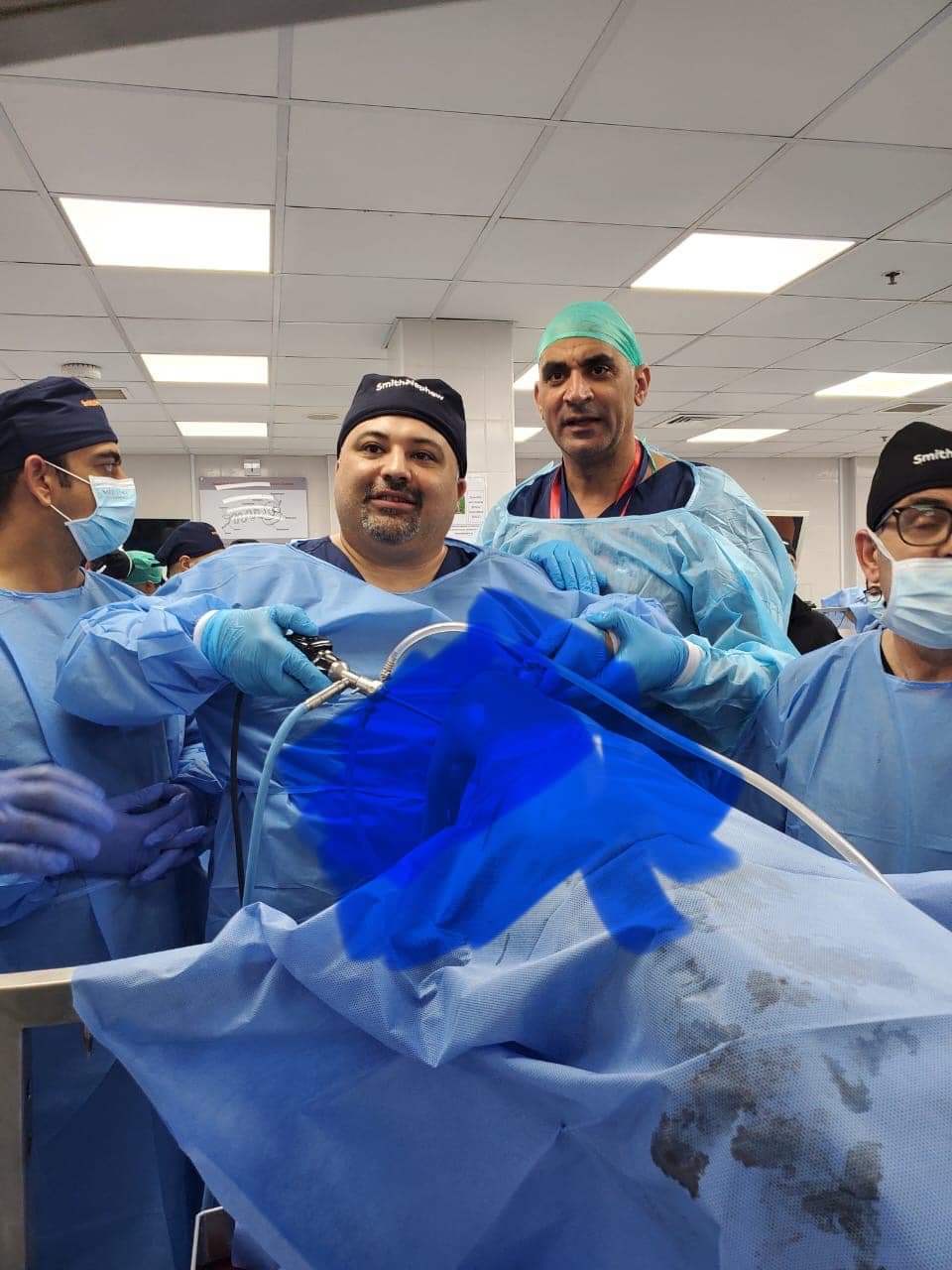
Surgery via 3-4 tiny incisions using a high-definition arthroscope. Reattaches torn tendon to bone using suture anchors. Achieves 85-95% success rate for properly selected patients. Same-day outpatient procedure.

Subacromial Decompression
Bone spur removal from the acromion to eliminate impingement. Often performed simultaneously with rotator cuff repair. Removes the mechanical cause of ongoing tendon damage, treating the problem not just the tear.

When is surgery recommended?
- Conservative treatment failed after 3-6 months
- Complete full-thickness or large/massive tears
- Acute tear in an active patient
- Severe weakness affecting daily life
- Progressive tear enlargement on imaging
for appropriate candidates
Recovery & Rehabilitation
Rotator cuff repair recovery time varies based on treatment approach, tear size, tissue quality, and your commitment to rehabilitation.
Rotator cuff physical therapy is the backbone of recovery whether conservative or post-surgical. Rotator cuff shoulder exercises must be progressed systematically: too fast risks re-injury, too slow risks stiffness. Dr. Usama coordinates with Dubai’s specialist shoulder physiotherapists for all patients.
Why choose dr. Usama saleh
for shoulder treatment in Dubai
Best Shoulder Doctor Dubai — Fellowship-Trained
23+ Years as Dubai's Shoulder Specialist Doctor
Expert in How to Treat Rotator Cuff Tear — All Options
Honest — Surgery Only When Truly Needed
Frequently asked questions
Need something cleared up? Here are our most frequently asked questions.
Can rotator cuff tear heal without surgery? It depends on the tear type. Partial-thickness tears can improve significantly with conservative rotator cuff treatment, physical therapy, rotator cuff injection, and activity modification. Many patients achieve meaningful pain relief and functional improvement without surgery. Complete full-thickness tears: the tendon itself rarely closes without surgery, but symptoms can be well-managed non-surgically in appropriate candidates (older, less active patients with tolerable symptoms). Dr. Usama gives you an honest assessment of whether rotator cuff tear treatment without surgery is a realistic option for your specific tear.
The classic rotator cuff tear symptoms are: persistent shoulder pain (especially at night disrupting sleep), shoulder weakness particularly with lifting or reaching overhead, a painful arc of movement (pain lifting arm between 60-120 degrees), clicking or crackling with movement, and difficulty with activities like putting on a seatbelt or reaching behind the back. Torn rotator cuff symptoms may develop suddenly after injury or gradually over months with degenerative tears. If you have these symptoms, see a shoulder specialist doctor — early diagnosis leads to better outcomes.
Rotator cuff treatment in Dubai with Dr. Usama begins with comprehensive consultation: full history, clinical examination, MRI review, and tear classification. Conservative rotator cuff treatment (physical therapy, rotator cuff injection, activity modification) is tried first for appropriate tears. If surgery is indicated, rotator cuff surgery for Dubai patients is performed arthroscopically as a same-day outpatient procedure. Post-operative rotator cuff physical therapy and shoulder exercises for rotator cuff continue for 4-6 months. Dr. Usama remains involved throughout recovery.
Rotator cuff repair recovery time depends on treatment approach and tear characteristics. Conservative treatment: improvement typically seen in 6-12 weeks, with full program lasting 3-6 months. Surgical treatment: rotator cuff surgery recovery time is 6-12 months total, sling 4-6 weeks, physical therapy 4-6 months, full return to activities 6-12 months depending on tear size. Shoulder surgery recovery time for desk workers is much faster than for manual laborers or overhead athletes.
Rotator cuff surgery success rate depends on tear size and patient factors: small tears achieve 90-95%, medium tears 85-90%, large tears 75-85%, massive tears 65-80%. Non-smokers with good tissue quality and smaller tears achieve the highest rates. Dr. Usama's fellowship training and arthroscopic expertise consistently achieve outcomes at the higher end of published success ranges.
PRP for shoulder pain (Platelet-Rich Plasma) is a regenerative injection therapy using your own blood platelets, concentrated healing factors, injected directly into the rotator cuff tear. PRP promotes tissue repair and reduces inflammation, making it a useful rotator cuff treatment option for partial tears that haven't responded to physiotherapy alone. It is performed under ultrasound guidance for precision. Results vary: most suitable for partial-thickness tears in patients wanting to avoid surgery or in those not yet surgical candidates. Usually 1-3 injections combined with rotator cuff physical therapy.
No. Shoulder pain has many causes: rotator cuff tears, shoulder impingement (bone spur pinching tendons), frozen shoulder treatment cases (adhesive capsulitis), shoulder arthritis, bicep tendonitis, shoulder instability, and cervical spine referred pain can all cause similar symptoms. Frozen shoulder treatment, shoulder arthritis, and shoulder ligament surgery needs are all distinct from rotator cuff conditions. Accurate diagnosis by a shoulder specialist doctor is essential, treatment differs significantly depending on the exact cause. An orthopedic surgeon shoulder specialist like Dr. Usama provides definitive diagnosis.
When choosing an orthopedic shoulder doctor for rotator cuff treatment in Dubai, look for: fellowship training specifically in shoulder surgery (not just general orthopedics), high surgical volume in rotator cuff cases, arthroscopic expertise (minimally invasive technique), and honest approach to conservative vs surgical recommendations. Dr. Usama Saleh is a best shoulder doctor Dubai choice for rotator cuff conditions, University of Toronto shoulder fellowship, 23+ years, 95%+ arthroscopic repair rate, and a proven track record treating patients across Dubai and the UAE.
Related Conditions & Procedures
Related Conditions
Shoulder Impingement Relief, bone spur compression causing rotator cuff damage Frozen Shoulder Treatment, post-injury stiffness Shoulder Instability Treatment, recurrent dislocations Bicep Tendonitis, often coexists with rotator cuff tears Shoulder Arthritis, can coexist in older patients Shoulder Treatment Dubai, comprehensive hub page
Related Procedures
Rotator Cuff Repair Surgery, full arthroscopic surgical detail Shoulder Arthroscopy, minimally invasive technique overview Subacromial Decompression, bone spur removal, often done with repair
Take control of your health, mobility, and quality of life.
Your First Step Toward a Stronger Tomorrow Starts Now:
Book your personal consultation with Dr. Usama Saleh today and begin your journey to a better you.
Thank you — your message was sent.