Arthroscopic Knee Surgery in Dubai | Dr. Usama Saleh
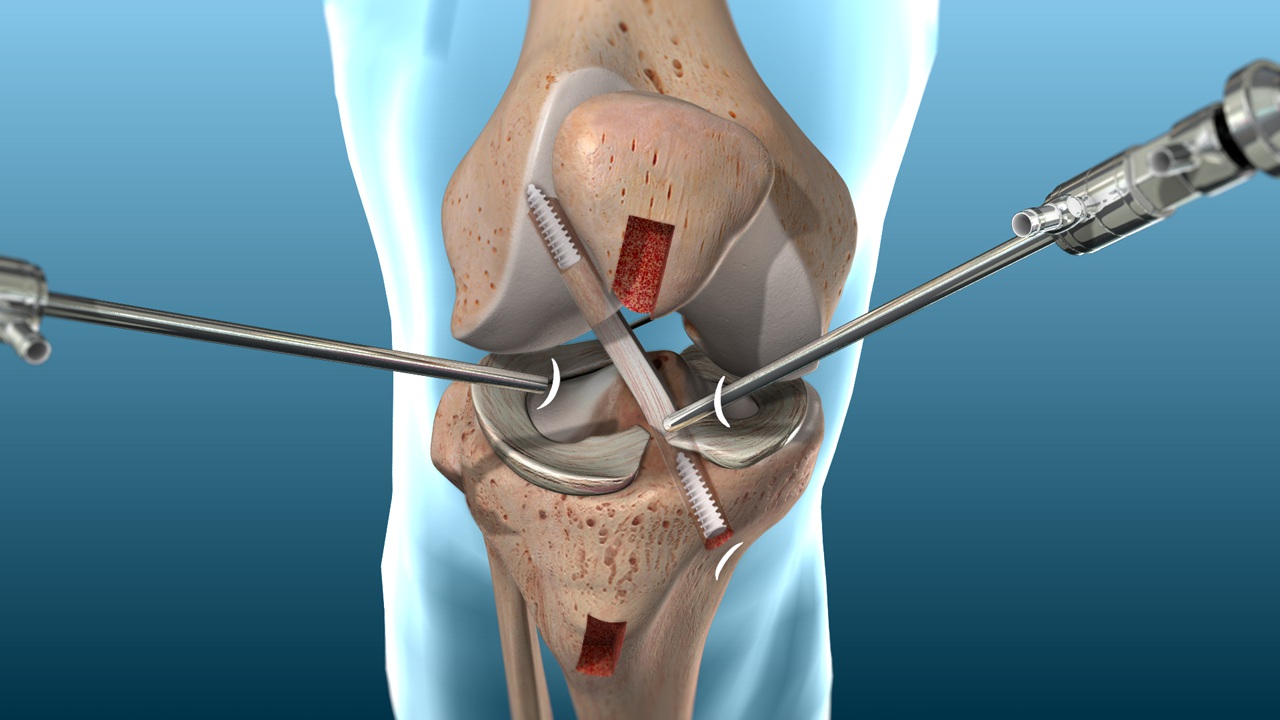
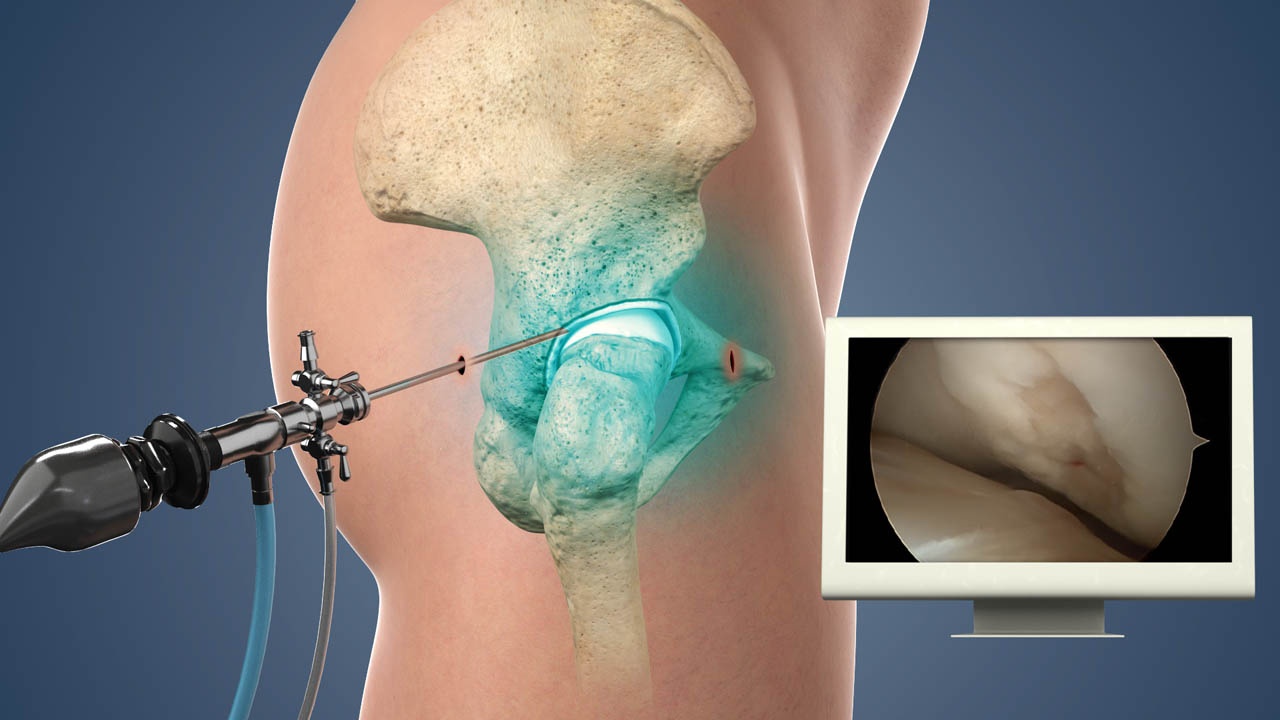
Most knee problems that once required large incisions and extended hospital stays can now be addressed through 2 to 3 small openings no wider than your little finger. Arthroscopic knee surgery, keyhole surgery using a high-definition camera and precision instruments, has transformed the management of meniscal tears, cartilage damage, loose bodies, and knee instability.
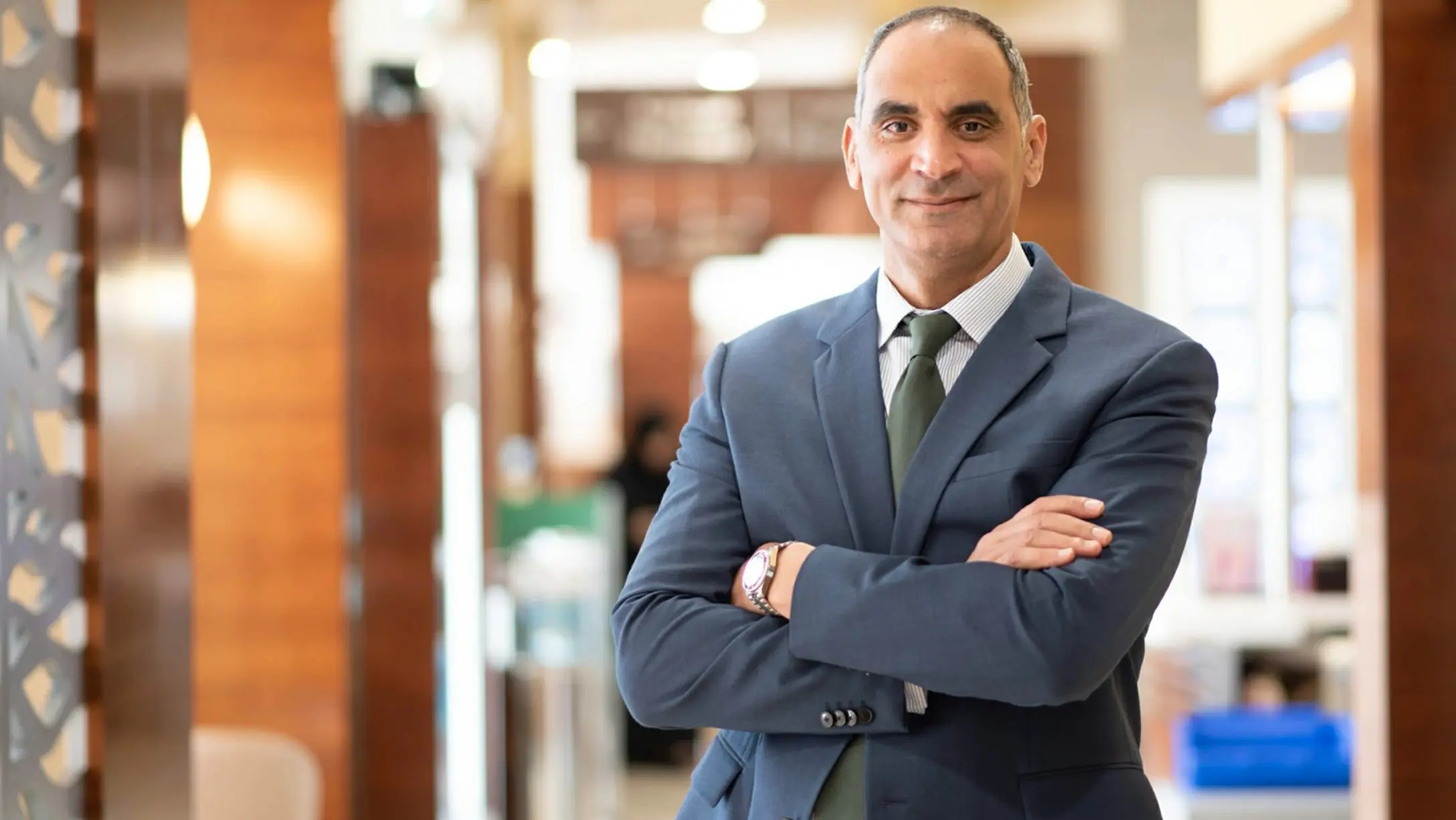
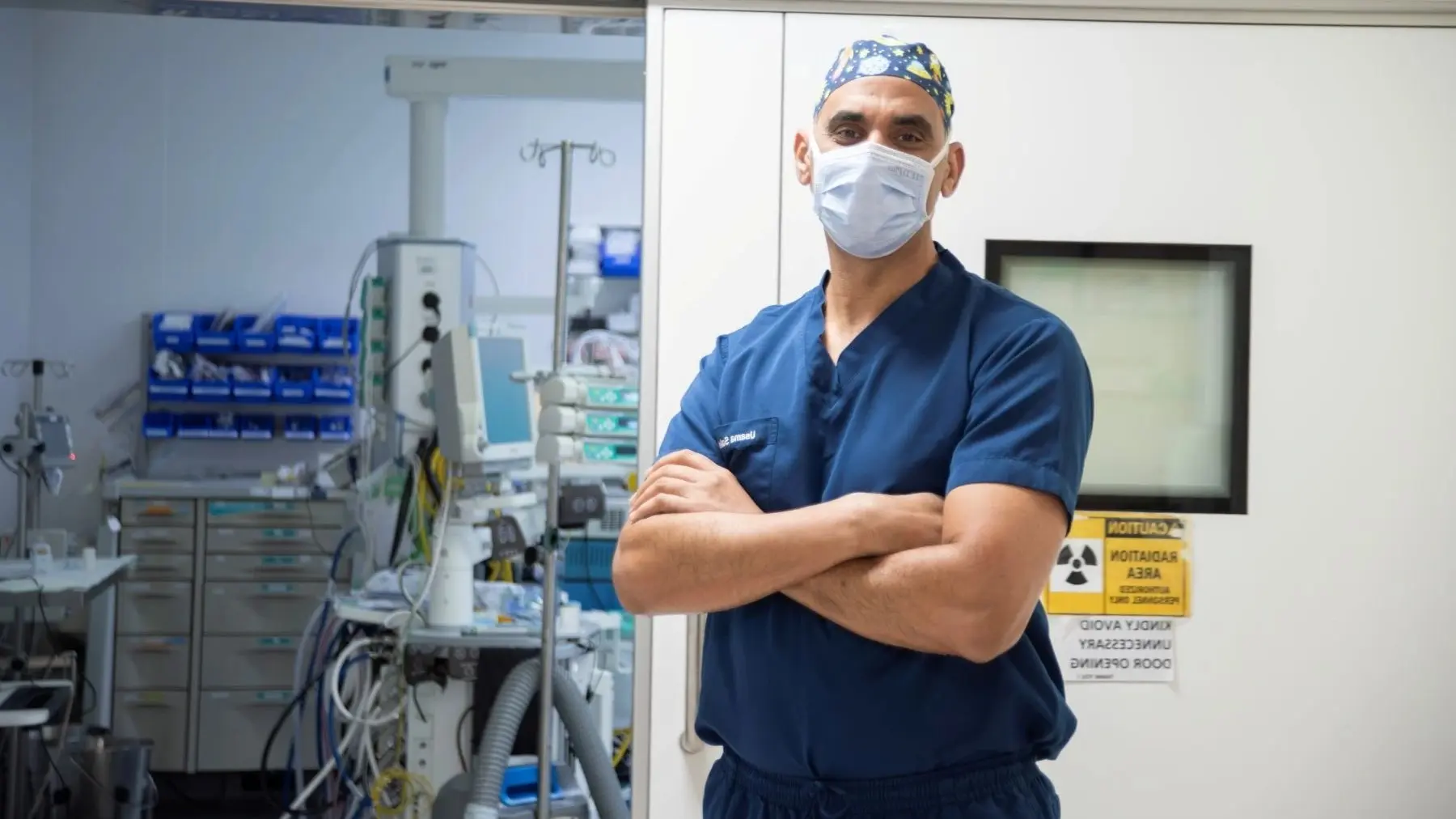
Shorter recovery, less pain, smaller scars, and same-day discharge are consistent advantages over traditional open surgery. Dr. Usama Saleh, a fellowship-trained orthopedic surgeon with 23 years of high-volume knee arthroscopy experience, performs the full range of arthroscopic knee procedures at Medcare Orthopaedics and Spine Hospital (MOSH), Sheikh Zayed Road, Dubai. Your treatment begins with an accurate diagnosis and ends with a structured return to the activities that matter to you.
What Is Arthroscopic Knee Surgery?
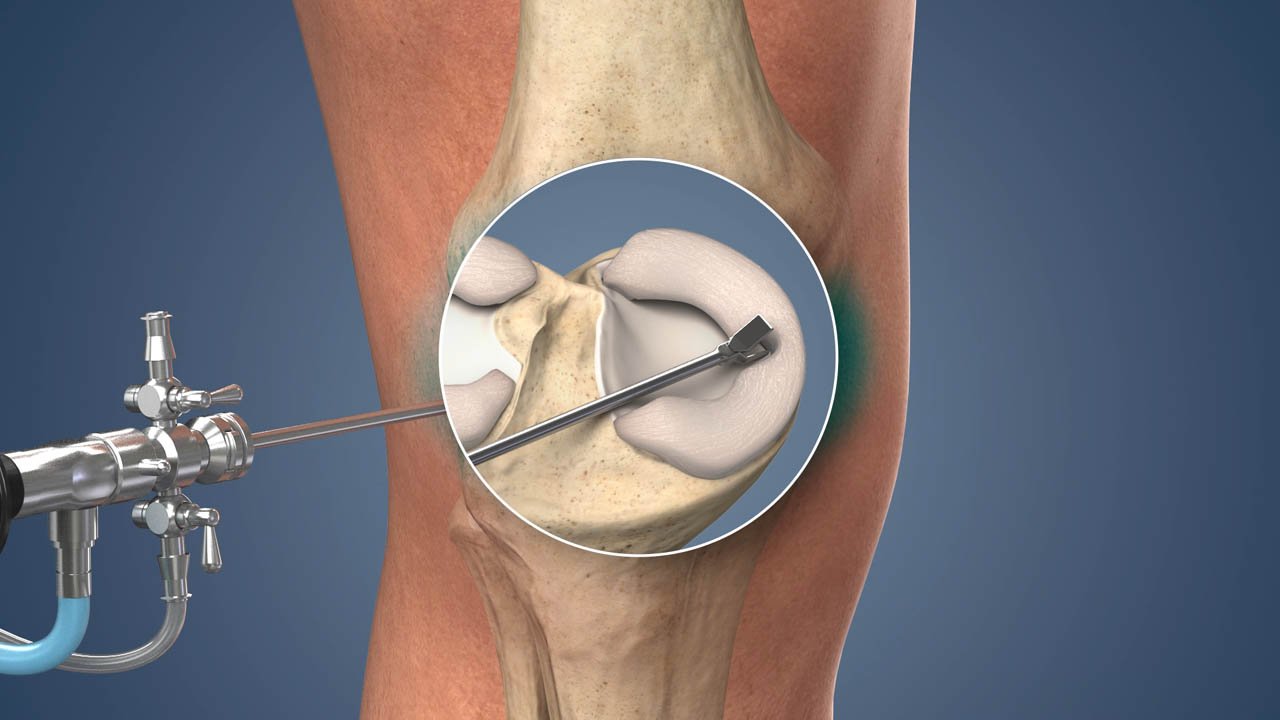
A minimally invasive technique that allows the surgeon to see, diagnose, and treat problems inside the knee joint through small portals rather than a large open incision.
High-definition visualization through small portals
The arthroscope transmits a magnified real-time view of the cartilage, menisci, ligaments, and synovial lining. Instruments are passed through additional small portals to complete the treatment under direct vision.
Smaller incisions
No large wound to heal, less tissue trauma, reduced pain, lower infection risk, and faster return to normal activity compared with open knee surgery.
Same-day procedure
Most arthroscopic knee procedures at Medcare MOSH are outpatient same-day surgeries under general anesthesia with a femoral nerve block.
Diagnostic power
When MRI findings are ambiguous, arthroscopy provides definitive visual confirmation and may reveal additional pathology treated in the same procedure.
Conditions Treated with Arthroscopic Knee Surgery
Dr. Usama performs arthroscopic knee surgery for structural knee conditions where direct visualization and minimally invasive treatment can restore function and reduce mechanical symptoms.

Meniscal Tears: Repair and Meniscectomy
Meniscal tears are treated with repair when possible or partial meniscectomy when tissue is irreparable. Repair is prioritized wherever tissue quality and tear pattern allow.

Cartilage Damage
Chondroplasty smooths unstable chondral flaps, while microfracture stimulates a healing blood-clot response in selected focal defects.

ACL Tear Assessment and Reconstruction
Arthroscopy confirms ACL damage, identifies concurrent pathology, and enables full ACL reconstruction in most cases.

Loose Body Removal
Floating fragments can cause sharp pain, catching, and locking. Arthroscopic removal typically produces immediate mechanical relief.

Synovitis and Plica Band Resection
Chronic synovial inflammation or thickened plica bands may be treated with synovectomy or plica resection.

Patellar Instability and Patellofemoral Assessment
Direct visualization helps assess patellar tracking, cartilage status, and lateral retinaculum tightness.
Who Is a Candidate?
Arthroscopic knee surgery is recommended only when a clear structural problem has been confirmed on imaging and continues to cause functional limitation despite genuine conservative management.
Good Candidates
Patients with a confirmed structural finding, mechanical symptoms, and readiness for rehabilitation.
Meniscal tear after conservative care
Confirmed meniscal tear on MRI with locking, giving way, or persistent pain limiting sport and daily activity after 6 weeks of physiotherapy.
Cartilage lesion or loose bodies
Confirmed cartilage damage or loose bodies causing mechanical symptoms, intermittent locking, catching, or pain affecting quality of life.
ACL tear or persistent synovitis
ACL tear in an active patient seeking return to pivoting sport, or symptomatic plica/synovitis not responding to injection therapy.
Fit for anesthesia and rehab
The patient is medically fit for general anesthesia and willing to comply with post-operative rehabilitation.
Not Appropriate For
Situations where arthroscopy is unlikely to solve the main cause of pain or carries excessive risk.
Advanced knee osteoarthritis
Bone-on-bone contact on weight-bearing X-ray usually means knee replacement produces better outcomes than arthroscopy.
No structural explanation
Knee pain that is not clearly explained by a structural finding on imaging should not be treated with arthroscopy.
Anesthesia risk is prohibitive
Significant medical comorbidities may make general anesthesia risk too high for an elective arthroscopic procedure.
Rehab commitment is missing
Patients unwilling to comply with rehabilitation are poor candidates because recovery quality strongly influences outcomes.
Decision rule: structure + symptoms + goals
The final recommendation is a shared decision based on MRI/X-ray findings, mechanical symptoms, activity goals, anesthesia fitness, and commitment to rehabilitation.
Preparing for Your Arthroscopic Knee Surgery
A clear preparation pathway helps reduce risk, prevent avoidable delays, and make surgery day smoother at Medcare MOSH Dubai.
Surgical plan confirmation
MRIs and X-rays are reviewed, the surgical plan is confirmed, anesthesia pre-assessment is completed, and insurance pre-authorization is obtained.
Stop smoking
Stop smoking a minimum of 4 weeks before surgery because smoking increases infection risk and impairs wound healing and cartilage repair.
Medication safety check
Stop antiplatelets if clinically safe, stop NSAIDs 7 days before, and stop blood-thinning herbal supplements 7 to 10 days before.
Fasting and home preparation
Nil by mouth from midnight. Shower, lay out loose clothing, and confirm your designated driver for discharge.
Arrival and admission
Arrive 1.5 to 2 hours before surgery. Bring photo ID, insurance card, and medication list. Avoid jewelry, nail polish, and contact lenses.
How Arthroscopic Knee Surgery Is Performed: Step by Step
A vertical operating-room timeline from anesthesia and portal placement to treatment, closure, and same-day discharge planning.
Anesthesia & Patient Positioning
15-20 minutesGeneral anesthesia is administered, combined with a femoral nerve block providing 12 to 18 hours of post-operative pain control. The patient is positioned supine with the knee in a leg holder, then the surgical site is cleaned and draped.
Tourniquet Application
2-3 minutesA pneumatic tourniquet is inflated around the thigh to create a bloodless operative field. This improves arthroscopic visualization before the knee is flexed and natural joint spaces are identified.
Portal Placement
5 minutesThe anterolateral and anteromedial portals are created just beside the patellar tendon at joint line level. These small 5 to 7mm incisions are used for the arthroscope and surgical instruments.
Systematic Joint Survey
10-15 minutesThe suprapatellar pouch, medial compartment, intercondylar notch, and lateral compartment are inspected in a structured sequence. This confirms ACL/PCL integrity, meniscal status, cartilage quality, plica bands, and loose bodies.
Treatment Phase
20-60 minutesThe required treatment is performed through the instrument portal under arthroscopic vision. Meniscal repair, partial meniscectomy, chondroplasty, loose body removal, or plica resection is selected according to the diagnosis and tissue quality.
Closure & Dressing
10 minutesThe joint is irrigated with saline to remove debris. The tourniquet is deflated, hemostasis is confirmed, each portal is closed with absorbable sutures, and a compressive dressing or hinged brace is applied if needed.
Surgical Duration Guide
Risks and Expected Outcomes
An honest overview of the safety profile, surgical risks, and realistic expected outcomes of arthroscopic knee surgery.
Excellent safety profile with specialist technique
Risk and outcome data should be discussed in the context of the exact diagnosis, symptoms, imaging, activity goals, and underlying joint health.
Diagnostic arthroscopy
Diagnostic accuracy for intra-articular pathology.
Partial meniscectomy
Patient satisfaction, return to full activity in 6 to 8 weeks.
Meniscal repair
Healing rate for peripheral tears, return to sport in 4 to 5 months.
Chondroplasty
Improvement in mechanical symptoms at 2 years.
Loose body removal
Near-complete resolution of mechanical locking symptoms.
Synovectomy and plica resection
Expected symptom improvement in properly selected patients.
Recovery After Arthroscopic Knee Surgery
Days 1 to 7
Rest, ice, compression, and elevation manage swelling. Most patients can walk with crutches on the day of surgery. Meniscal repair usually requires crutches for 4 to 6 weeks with partial weight-bearing.
Activity Return Tickets
Each ticket summarizes typical desk work, driving, and full sport timing by procedure.
Diagnostic arthroscopy
Partial meniscectomy
Meniscal repair
Chondroplasty
Loose body removal
ACL reconstruction
Real People. Real Transformations.
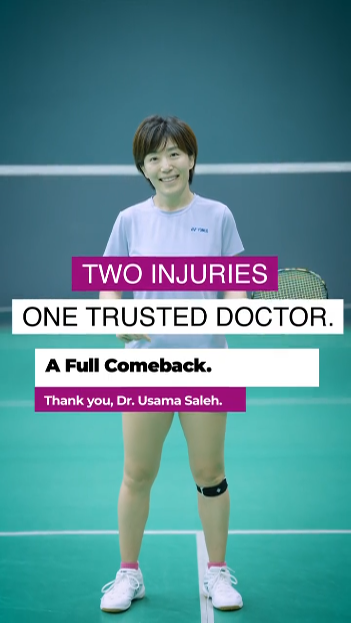
I had Achilles tendon surgery earlier this year, and I couldn’t be more grateful for the care I received from Dr. Usama Hassan Saleh and his team. From the first consultation to the post-surgery follow-ups, everything was handled with professionalism, skill, and genuine compassion. The recovery process was smooth thanks to the clear guidance and support provided. I’m now fully recovered and almost back to my regular activities—truly thankful for the excellent care!
Dr. Usama is a great asset to the hospital, i was lucky enough that he did my operation and the amount of care and experience he has is priceless . A big thank as well to nurse Merin for her care, smile and professionalism. I am glads to be a patient for dr. Usama clinic 🙂
Local Guide
I have been using Dr. Usama medical advisory and treatment for over 3 years now for various skeletal and tendon issues I have had and every time I visit I am always being provided with top notch medical guidance, and treatment plans that has been proven most useful and reliable. On the other hand, his patient management and personal involvement are always great to have and very assuring.
I had my meniscus repair surgery with Dr Usama. Alhumdulillah from the get go he was honest and geniune about the whole process and recovery. Today I'm able to walk long distances and lift again with no pain. Hoping to run again soon inshallah.
Dr Usama Saleh is so professional and amazing everything with him went smoothly from before the surgery he prepared me mentally and after the surgery too, I highly recommend him to anybody having ACL or ligament or a shoulder problem now I’m 3 weeks after the surgery and my recovery process is faster because of the way he sitting my mind Thank you dr Usama and Medcare for the special treatment
Dr. Usama is amazing! He fixed my shoulder after spotting an MRI issue others missed, adjusting my physio for great results. He also performed flawless meniscus surgery on my knee, and his post-op care ensured a smooth recovery. When a minor issue arose later, he resolved it instantly. Grateful for his expertise and dedication—highly recommend!
Thank you Dr. Osama Hassan for your care and attention. Happy Eid.
Ma Shaa Allah Expert doctor with humanity manner Appreciate his work
Best doctor I've ever seen, highly recommend. He is very honest which is hard to find nowadays.


Why Choose Dr. Usama Saleh for Labral Tear Treatment in Dubai?
Fellowship-trained arthroscopic expertise, conservative-first decision making, advanced labral repair techniques, integrated care at Medcare MOSH, and evidence-based treatment for shoulder and hip labral tears.
Fellowship-Trained Arthroscopic Labral Specialist
Advanced fellowship training in arthroscopic surgery and upper extremity reconstruction at the University of Toronto, one of the world's most respected orthopedic training centers. Deep subspecialty expertise in labral tear diagnosis, MR arthrography interpretation, suture anchor technique, FAI correction, and arthroscopic Bankart repair beyond standard orthopedic training.
Conservative-First Before Surgical Recommendation
Not every labral tear requires surgery. Dr. Usama assesses each patient's tear morphology, activity demands, symptom duration, and structural risk factors before recommending surgery. Patients with partial tears or lower activity demands receive a genuine conservative trial including physiotherapy and PRP before surgical referral is considered.
23+ Years Treating Shoulder and Hip Labral Tears in Dubai
Two decades of arthroscopic labral surgery experience, including Bankart repairs, SLAP repairs, hip labral reconstructions, and complex revision cases. Familiarity with Dubai's diverse sports community, including cricket, padel, football, rugby, swimming, running, and martial arts athletes.
Comprehensive FAI and Labral Management
Dr. Usama addresses the whole problem, not just the labral tear in isolation. FAI correction combined with labral repair in a single arthroscopic procedure reduces re-tear rates from 25–35% to 5–10%, delivering significantly more durable outcomes for hip labral tear patients.
Integrated Care at Medcare MOSH
From same-day consultation, diagnostic ultrasound, and MRI referral to arthroscopic surgery and structured physiotherapy rehabilitation, all coordinated at Medcare Orthopaedics & Spine Hospital, Sheikh Zayed Road, Dubai. No fragmented care. No communication gaps.
International Research & Teaching Authority
Active AO trauma faculty member, published manuscript author, book chapter contributor, and international conference presenter. Treatment is guided by the most current evidence-based innovations in arthroscopic labral repair globally.
Labral Tear Treatment in Dubai Serving Athletes Across the UAE
Dubai's world-class sports facilities, year-round outdoor climate, and thriving athletic community make it one of the most sports-active cities in the world and one with a correspondingly high incidence of overuse injuries.
From the runners of Dubai Creek Park and Al Qudra cycling track to the padel players of JBR and the CrossFit community of Business Bay, chronic tendonitis affects thousands of active Dubai residents every year.
Dr. Usama Saleh sees sports injury patients at Medcare Orthopaedics & Spine Hospital (MOSH), conveniently located on Sheikh Zayed Road, Dubai, serving patients from Dubai, Sharjah, Abu Dhabi, Ajman, and across the UAE.
(MOSH)
Dubai, UAE
Frequently asked questions
Need something cleared up? Here are our most frequently asked questions.
Recovery time depends on the specific procedure. Partial meniscectomy: return to desk work in 1 week, driving in 2 to 3 weeks, and full unrestricted sport in 6 to 8 weeks. Meniscal repair: desk work in 1 to 2 weeks, driving in 6 to 8 weeks, and full contact sports in 4 to 5 months. Loose body removal and diagnostic arthroscopy: most patients return to light activity within 2 to 3 weeks. Chondroplasty: 6 to 10 weeks to full sport. ACL reconstruction (performed arthroscopically) requires 9 to 12 months for full competitive sport return. Dr. Usama provides personalized recovery timelines at your pre-operative consultation based on your specific procedure and activity demands.
Arthroscopic knee surgery is significantly less painful than traditional open knee surgery because the incisions are small and surrounding tissue disruption is minimal. Post-operative pain management combines general anesthesia with a femoral nerve block, providing 12 to 18 hours of post-operative relief in the operative knee. Most patients report pain is well-controlled on oral analgesics from the first post-operative day. The first 2 to 3 days typically involve moderate aching and swelling, which settles progressively with RICE management. Meniscal repair patients experience slightly more post-operative discomfort than meniscectomy patients due to the sutures and protected weight-bearing protocol.
Arthroscopic knee surgery treats the following conditions at Dr. Usama's Dubai practice: meniscal tears (repair and partial meniscectomy), ACL tears (assessment and reconstruction), articular cartilage damage (chondroplasty and microfracture), loose bodies within the knee joint, synovitis (chronic synovial inflammation), pathological plica bands, and patellar instability assessment and lateral retinacular release. The common denominator is a specific structural problem within the knee joint that can be visualized and treated arthroscopically through small portals.
Most patients can walk on the day of surgery. For meniscectomy, loose body removal, and most arthroscopic procedures, full weight-bearing is permitted from the first post-operative day. Crutches are provided for comfort and safety but are typically not required beyond the first few days. For meniscal repair, partial weight-bearing with crutches is required for 4 to 6 weeks to protect the repaired tissue while it heals. Full weight-bearing too early after meniscal repair significantly increases the risk of re-tear. Dr. Usama provides specific weight-bearing instructions at discharge based on the procedure performed.
The surgical procedure itself takes 45 to 90 minutes: diagnostic arthroscopy, 30 to 45 minutes; partial meniscectomy, 45 to 60 minutes; meniscal repair, 60 to 90 minutes; chondroplasty, 45 to 60 minutes; and loose body removal, 30 to 45 minutes. Total time at Medcare MOSH from arrival to discharge is typically 4 to 6 hours, including 1.5 to 2 hours of pre-operative preparation, the surgical procedure, and 1 to 2 hours in the recovery room.
Arthroscopic knee surgery costs in Dubai: diagnostic arthroscopy AED 12,000 to 20,000; partial meniscectomy AED 18,000 to 28,000; meniscal repair AED 22,000 to 35,000; chondroplasty AED 18,000 to 28,000; ACL reconstruction AED 35,000 to 55,000. Consultation and MRI: AED 400 to 800 (consultation) plus AED 1,200 to 2,500 (MRI). Most UAE insurance plans, including Daman, DHA, Cigna, AXA, Bupa, MetLife, GlobeMed, NAS, and NextCare, cover medically necessary arthroscopic knee surgery. Dr. Usama's team at Medcare MOSH verifies insurance coverage and provides transparent cost estimates before scheduling.
Meniscal repair involves placing sutures through the torn edges of the meniscus to reapproximate and heal the tissue. It is performed for peripheral tears in the vascular zone (outer 25 to 30% of the meniscus with a blood supply that allows biological healing). The advantage is tissue preservation and better long-term cartilage outcomes. Recovery is longer: 4 to 5 months to return to contact sport. A partial meniscectomy removes the minimal amount of unstable damaged tissue where the tear is in the avascular inner zone (no blood supply, cannot heal) or tissue quality is too poor for repair. Recovery is faster: 6 to 8 weeks to full sport. Long-term OA risk is increased relative to repair. Dr. Usama always prioritises repair over meniscectomy where tissue quality and tear pattern allow.
If you are searching for return-to-sport guidance after knee arthroscopy near me in Dubai, timelines are 3 to 4 weeks for loose body removal and diagnostic arthroscopy. Partial meniscectomy: 6 to 8 weeks for full unrestricted sport. Meniscal repair: 4 to 5 months for contact sports. Chondroplasty: 6 to 10 weeks for low-impact sports. ACL reconstruction: 9 to 12 months for competitive pivoting sports (see ACL Reconstruction Surgery page). Return-to-sport clearance uses objective criteria: full range of motion, quadriceps strength above 90% of the opposite leg, absence of swelling, and sport-specific functional tests passed. No patient is cleared based on calendar date alone.
Take control of your health, mobility, and quality of life.
Your First Step Toward a Stronger Tomorrow Starts Now:
Book your personal consultation with Dr. Usama Saleh today and begin your journey to a better you.
Thank you — your message was sent.
Related Conditions and Treatments
Knee Treatment Hub
All knee conditions and procedures overview.
ACL and Meniscus Tears
Full condition detail for the most common arthroscopic indications.
ACL Reconstruction Surgery
Dedicated procedure page for arthroscopic ACL reconstruction.
Knee Instability and Ligament Injuries
PCL, MCL, and LCL injuries are often treated arthroscopically.
Sports Physical Therapy
Post-arthroscopy knee rehabilitation.
Knee Injections
Non-surgical alternatives for conditions not requiring arthroscopy.
erhan