Total and Partial Knee Replacement in Dubai | Dr. Usama Saleh
Expert TKR and Unicompartmental Knee Arthroplasty for Severe Knee Arthritis in Dubai | Fellowship-Trained Knee Replacement Surgeon at Medcare MOSH
Chronic knee pain that stops you sleeping. Stairs you now dread. A walk to the car that takes twice as long as it used to. When knee arthritis reaches the stage where cartilage is gone and bone meets bone, knee replacement surgery is the intervention that transforms quality of life. More than 90% of patients report significant improvement in pain and function. Implants now routinely last 20 or more years.
Total knee replacement (TKR) and partial knee replacement (unicompartmental knee arthroplasty, UKA) represent two different surgical approaches to the same underlying problem, and the choice between them depends on your specific anatomy, disease distribution, and activity goals. Dr. Usama Saleh, a fellowship-trained orthopedic surgeon with 23 years of experience, performs TKR and UKA at Medcare Orthopaedics and Spine Hospital (MOSH), Sheikh Zayed Road, Dubai.
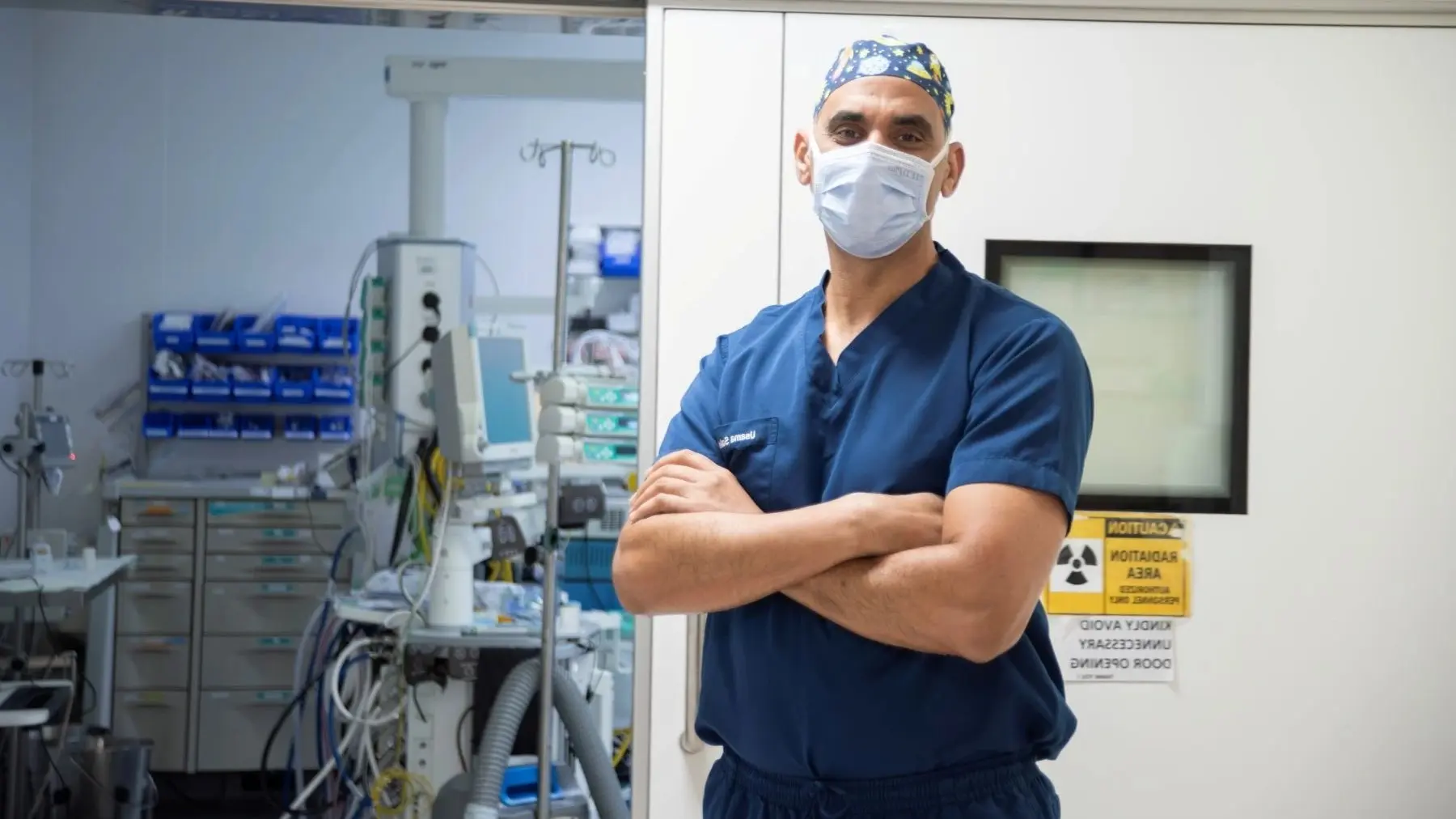
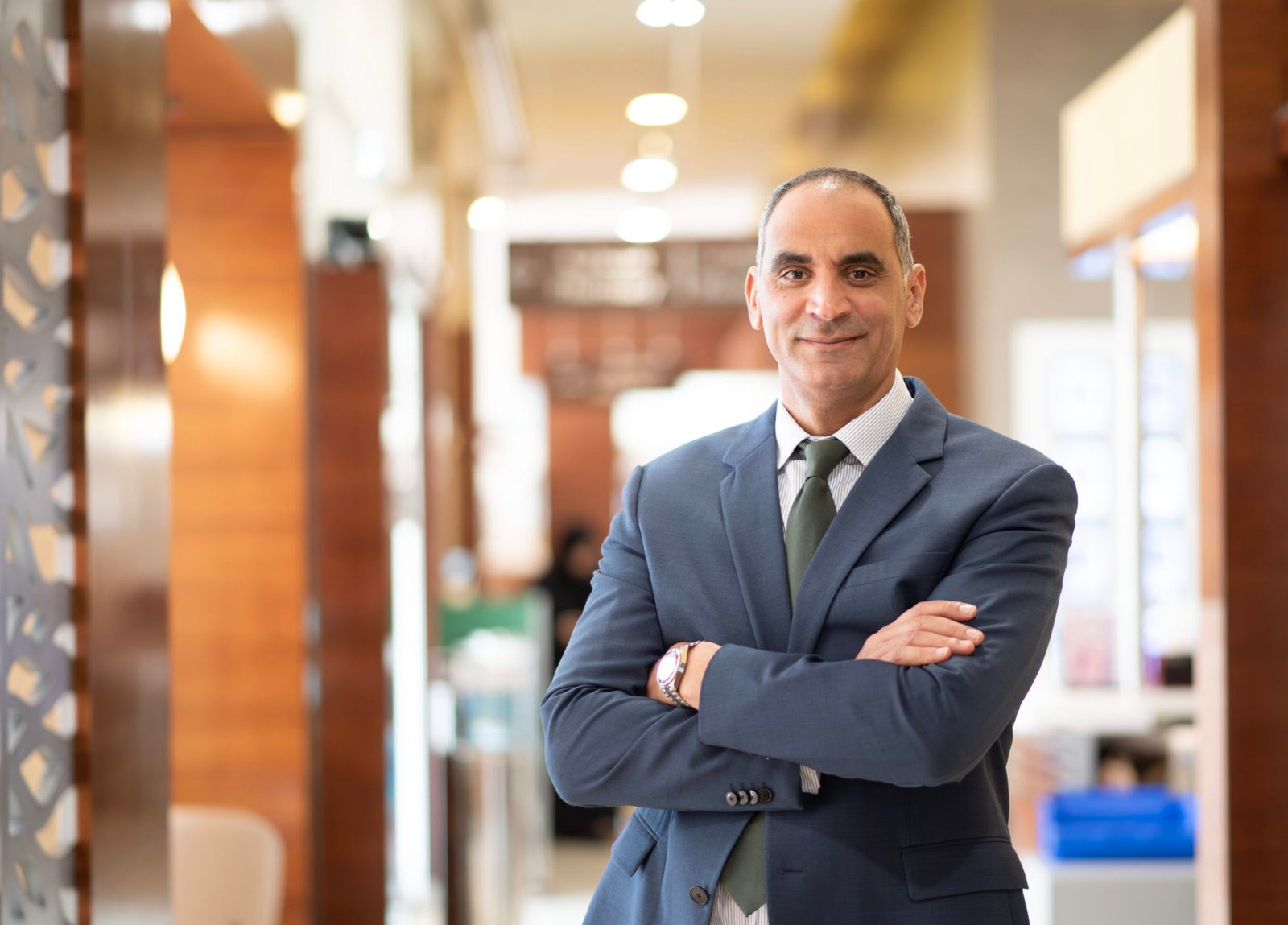
Meet Dr. Usama Hassan Saleh
Dr. Usama Hassan Saleh is a fellowship-trained orthopedic surgeon with 23 years of experience in total and partial knee replacement surgery in Dubai and the UAE. His practice includes TKR, UKA, revision knee replacement, and complex joint arthroplasty at Medcare Orthopaedics and Spine Hospital.
MD, PhD, MRCS (UK)
Egyptian Board Certified and Arab Board Certified, with advanced fellowship training in Orthopedic Surgery at the University of Toronto, Canada.
23 Years in Orthopedic Surgery
Extensive experience managing primary Dubai and the UAE.
University of Toronto, Canada
Advanced international fellowship training in orthopedic surgery and joint reconstruction.
Total and partial knee replacement, revision surgery, and complex joint arthroplasty.
Total Knee Replacement
Comprehensive resurfacing for advanced multi-compartment knee arthritis .
Partial Knee Replacement
Bone-preserving unicompartmental arthroplasty for carefully .
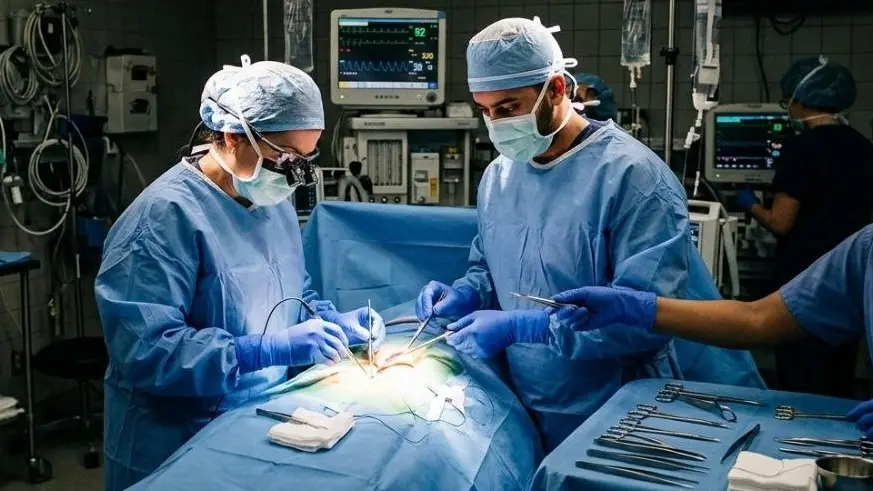
Medcare MOSH Dubai
Consultation and surgery at Medcare Orthopaedics and Spine Hospital on Sheikh Zayed Road.
Revision Knee Replacement
Specialist assessment for painful, loose, worn, infected, or unstable previous knee implants.
Multi-Board Certified
Egyptian Board Certified and Arab Board Certified, supported by MD, PhD, and MRCS credentials.
Personalized Surgical Planning
Every recommendation considers pain severity, X-ray and MRI findings, ligament function, deformity, health status, and recovery expectations.
Expert knee replacement care with clear, evidence-based decision making
Dr. Usama explains whether total knee replacement, partial knee replacement, or continued non-surgical treatment is the most appropriate option for your specific knee.
What Is Knee Replacement Surgery?
Knee replacement surgery, also called knee arthroplasty, is a procedure in which the damaged surfaces of the knee joint are resurfaced with artificial implant components made of metal alloy, high-density polyethylene plastic, and in some cases ceramic.
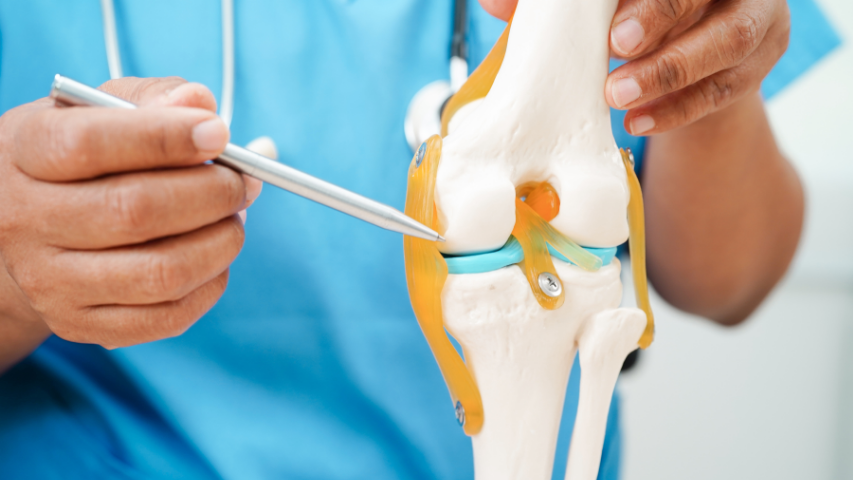
Compartments
A smooth, low-friction artificial surface replaces damaged cartilage
The new implant surfaces remove painful bone-on-bone contact while preserving the surrounding muscles, tendons, and supporting soft tissues.
Two Main Types of Knee Replacement Surgery
Total knee replacement and partial knee replacement address the same underlying problem using different levels of joint resurfacing.
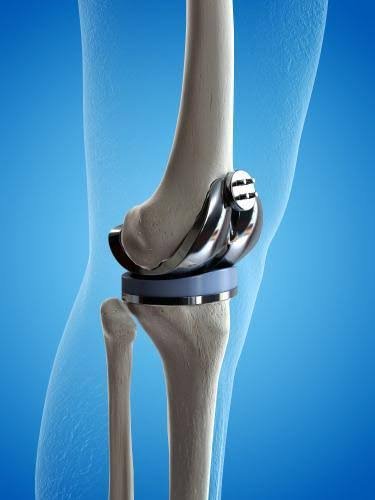
Total Knee Replacement
Total knee replacement, also called total knee arthroplasty, resurfaces all three compartments of the knee.
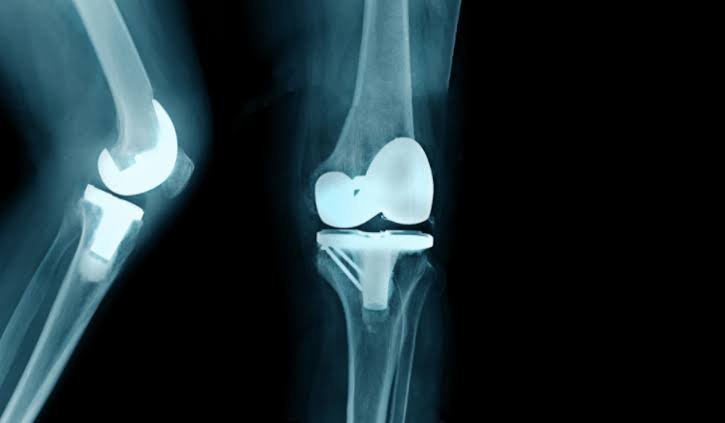
Partial Knee Replacement
Partial knee replacement, also called unicompartmental knee arthroplasty, resurfaces only one affected compartment.
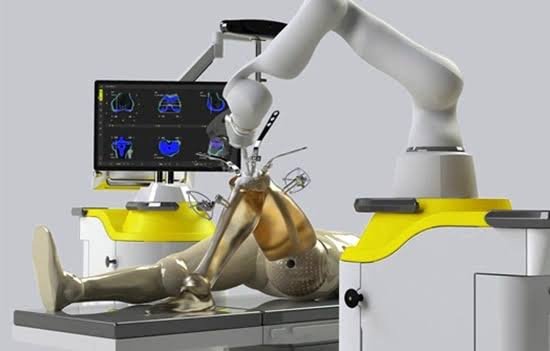
Modern implants combine strength, smooth movement, and long-term wear resistance
Knee replacement components are commonly manufactured from durable metal alloys and high-density polyethylene. Ceramic components may also be used in selected cases. Together, these materials create a stable, low-friction surface designed to restore movement and reduce pain.
Modern knee replacement implants are engineered for longevity
Total knee replacement implants have an expected functional lifespan of 15 to 25 years in appropriately selected patients who follow post-operative activity guidelines. Partial knee replacement implants offer similar longevity in ideal candidates, while preserving more natural bone stock if future revision surgery is ever required.
Which Knee Replacement Is Right for You?
The choice between total knee replacement and partial knee replacement depends on which compartments of the knee are affected, whether the cruciate ligaments are intact, and your activity goals. Dr. Usama uses weight-bearing X-rays, MRI, and a detailed clinical examination to guide the decision.
Disease Distribution
TKR is used when arthritis affects several compartments. UKA is considered when damage is confined to one compartment.
Ligament Integrity
Partial knee replacement requires intact ACL and PCL function. Total replacement can be suitable when ligament laxity is present.
Recovery and Activity Goals
UKA usually allows faster recovery and a more natural knee feel, while TKR provides broader treatment for advanced arthritis.
How the Two Procedures Compare
The important differences are not only the implant size, but also candidacy, recovery, expected motion, implant survival, and revision planning.

All 3 Compartments Replaced
Best for severe multi-compartment osteoarthritis, larger deformity, inflammatory arthritis, and widespread joint damage.
Only 1 Compartment Replaced
Best for isolated medial, lateral, or patellofemoral arthritis with intact cruciate and collateral ligaments.
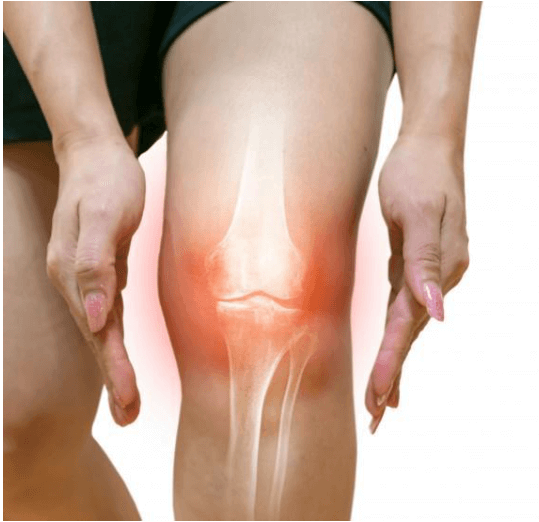
UKA Usually Recovers Faster
TKR full activity often takes 6 to 12 months. UKA commonly reaches full activity in 3 to 6 months.
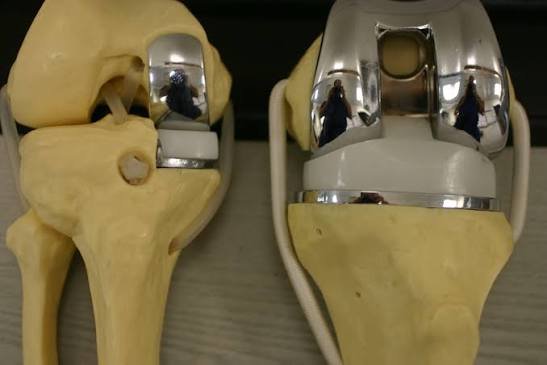
Implant Survival and Revision
TKR survival at 15 years is about 85 to 90%. UKA is about 80 to 85% and preserves more bone for future revision.
TKR: all 3 compartments. UKA: 1 affected compartment only.
TKR: multi-compartment OA. UKA: isolated OA with intact ACL and PCL, BMI below 35 preferred.
TKR: 20 to 25 cm. UKA: 8 to 12 cm through a more limited approach.
TKR: usually 2 to 5 days. UKA: usually 1 to 3 days.
TKR: day 1 to 2 with a frame. UKA: often day 1 with crutches.
TKR: very good. UKA: often excellent with a more natural knee feel.
TKR: 6 to 12 months. UKA: 3 to 6 months.
TKR: moderate. UKA: often lower because more natural bone stock is preserved.
TKR: severe multi-compartment arthritis. UKA: single-compartment disease with intact ligaments.
Who Needs Knee Replacement Surgery?
Knee replacement is not the first line of treatment. Physiotherapy, exercise, weight management, injections, activity modification, and bracing are normally tried before surgery is discussed.
Good Candidates for TKR
- Severe OA affecting multiple compartments with bone-on-bone contact.
- Constant pain limiting walking, stairs, daily activity, or sleep.
- Failed physiotherapy, injections, and activity modification over 6 months.
- Flexion deformity or valgus and varus deformity beyond 15 degrees.
- Inflammatory arthritis affecting the whole joint.
Good Candidates for UKA
- OA or osteonecrosis confined to one compartment.
- Intact ACL confirmed on MRI.
- Intact collateral ligaments and BMI below 35 preferred.
- Flexion above 90 degrees and fixed flexion deformity below 10 degrees.
- Preference for faster recovery and a more natural knee feel.
Knee Replacement Is Not Appropriate For
- Active infection in or around the knee.
- Significant peripheral vascular disease with impaired wound healing.
- Morbid obesity with BMI above 40 until risk is reduced.
- Poorly controlled inflammatory arthritis.
- Expectation of competitive running, jumping, or contact sport after surgery.
8 to 12 Weeks Before
Begin prehabilitation with quadriceps and hip abductor strengthening. Treat dental infection. Complete cardiac assessment when indicated. Work on weight management because every kilogram lost reduces knee load by 3 to 4 kilograms.
2 to 4 Weeks Before
Stop blood-thinning medication only under the agreed bridging protocol. Stop NSAIDs 7 to 10 days before. Stop smoking for a minimum of 8 weeks because smoking significantly increases infection and healing risk.
Home Preparation
Arrange a raised toilet seat, bathroom grab rails, ground-floor sleeping for 4 to 6 weeks, removal of non-slip hazards, waist-height storage, and at least 6 weeks of family or carer support.
Day Before Surgery
Do not eat or drink from midnight. Shower with chlorhexidine antiseptic wash in the evening and again on the morning of surgery. Remove jewelry and confirm transport and home support.
Day of Surgery
Arrive at Medcare MOSH 2 hours before the scheduled time. Bring photo ID, insurance card, and medication list. The expected total stay for preparation, surgery, and recovery is 6 to 8 hours.
How Knee Replacement Surgery Is Performed Step by Step
Anesthesia
Spinal anesthesia is standard and is combined with sedation. A femoral or adductor canal nerve block provides 18 to 24 hours of pain control. General anesthesia is used when spinal anesthesia is contraindicated.
Positioning and Tourniquet
The patient lies on the back with the knee flexed over a positioning device. A pneumatic thigh tourniquet creates a clear operative field for precise bone preparation and cement fixation.
Surgical Approach and Exposure
A midline incision of 20 to 25 cm is made. The medial parapatellar approach exposes the joint. The patella is retracted, and remaining menisci and the ACL are removed during total knee replacement.
Bone Resection and Sizing
The damaged femoral and tibial surfaces are removed with alignment guides and cutting jigs. Patellar resurfacing may be performed. Trial components confirm fit, alignment, stability, and motion.
Implant Fixation
The femoral component, tibial baseplate, polyethylene insert, and optional patellar component are fixed with bone cement. The knee is moved through its full range to confirm positioning and stability.
Closure and Dressing
The tourniquet is released, bleeding is controlled, and the wound is closed in layers. A drain may be placed. A sterile dressing and compressive bandage are applied.
How UKA differs
The same anesthetic approach is used, but the incision is 8 to 12 cm. Only the affected compartment is exposed and resurfaced. The opposite compartment and cruciate ligaments are preserved. The procedure is normally completed in 60 to 90 minutes.
Real People. Real Transformations.
I had Achilles tendon surgery earlier this year, and I couldn’t be more grateful for the care I received from Dr. Usama Hassan Saleh and his team. From the first consultation to the post-surgery follow-ups, everything was handled with professionalism, skill, and genuine compassion. The recovery process was smooth thanks to the clear guidance and support provided. I’m now fully recovered and almost back to my regular activities—truly thankful for the excellent care!
Dr. Usama is a great asset to the hospital, i was lucky enough that he did my operation and the amount of care and experience he has is priceless . A big thank as well to nurse Merin for her care, smile and professionalism. I am glads to be a patient for dr. Usama clinic 🙂
Local Guide
I have been using Dr. Usama medical advisory and treatment for over 3 years now for various skeletal and tendon issues I have had and every time I visit I am always being provided with top notch medical guidance, and treatment plans that has been proven most useful and reliable. On the other hand, his patient management and personal involvement are always great to have and very assuring.
I had my meniscus repair surgery with Dr Usama. Alhumdulillah from the get go he was honest and geniune about the whole process and recovery. Today I'm able to walk long distances and lift again with no pain. Hoping to run again soon inshallah.
Dr Usama Saleh is so professional and amazing everything with him went smoothly from before the surgery he prepared me mentally and after the surgery too, I highly recommend him to anybody having ACL or ligament or a shoulder problem now I’m 3 weeks after the surgery and my recovery process is faster because of the way he sitting my mind Thank you dr Usama and Medcare for the special treatment
Dr. Usama is amazing! He fixed my shoulder after spotting an MRI issue others missed, adjusting my physio for great results. He also performed flawless meniscus surgery on my knee, and his post-op care ensured a smooth recovery. When a minor issue arose later, he resolved it instantly. Grateful for his expertise and dedication—highly recommend!
Thank you Dr. Osama Hassan for your care and attention. Happy Eid.
Ma Shaa Allah Expert doctor with humanity manner Appreciate his work
Best doctor I've ever seen, highly recommend. He is very honest which is hard to find nowadays.


Risks and Expected Outcomes of Knee Replacement Surgery
Good or excellent satisfaction at 1 year for TKR.
Significant or complete relief of preoperative knee pain.
Typical return to unrestricted walking.
Return to cycling, swimming, golf, or doubles tennis.
TKR implant survival at 15 years.
UKA implant survival at 15 years.
Recovery After Knee Replacement: What to Expect
Days 1 to 3
Physiotherapy begins on day 1. Walking with a frame is standard by days 1 to 2. Pain control combines nerve block, paracetamol, NSAIDs, and short-course opioids when needed. Compression stockings and heparin begin immediately. Discharge is normally days 2 to 5 for TKR and days 1 to 3 for UKA.
Weeks 1 to 6
Home physiotherapy focuses on quadriceps strength, range of motion, straight leg raises, and progressive walking. Crutches are usually used for 4 to 6 weeks. Driving typically resumes at 6 to 8 weeks after right-leg surgery or 4 to 6 weeks after left-leg surgery in an automatic vehicle. Desk work often resumes at 4 to 6 weeks.
Months 2 to 6
Outpatient physiotherapy progresses strength, balance, stair confidence, and activity return. Swimming and cycling often resume at 2 to 3 months. Golf and other low-impact sport often resume at 4 to 6 months.
Months 6 to 12
Most patients report their best functional result between 6 and 12 months as the knee adapts and the surrounding muscles rebuild fully.
Top 5 Mistakes After Knee Replacement and How to Avoid Them
Stopping physiotherapy too early
The implant restores the joint surface, but the muscles need 6 to 12 months of structured rehabilitation. Stopping at 6 to 8 weeks can leave persistent weakness, stiffness, and fall risk.
Not moving enough in the first week
Fear of pain can lead to complete rest. Early mobilization is one of the most important ways to reduce postoperative stiffness, which is why physiotherapy starts immediately.
Missing DVT prevention doses
Heparin injections and compression stockings are prescribed for 4 to 6 weeks to reduce a preventable and potentially life-threatening complication.
Returning to impact activity too soon
Running, jumping, and contact sport accelerate implant wear and increase loosening risk. Progression must follow patient-specific clearance.
Ignoring early infection signs
Increasing redness, warmth, swelling, wound discharge, or new fever requires immediate medical review. Early recognition makes infection more manageable.
Why Choose Dr. Usama Saleh for Knee Replacement Surgery in Dubai?
Fellowship-trained joint replacement expertise, personalised total versus partial knee replacement planning, conservative-first decision making, and full-spectrum care at Medcare MOSH Dubai.

Fellowship-Trained Joint Replacement Expertise
Advanced fellowship training at the University of Toronto provided subspecialty exposure to total and partial knee replacement, complex revision arthroplasty, and computer-assisted implant alignment techniques. This level of training exceeds the standard orthopedic residency curriculum and is reflected in surgical precision and implant positioning accuracy.
Conservative-First: Replacement Only When Indicated
Knee replacement is a major elective surgery with real risks and a long recovery commitment. Dr. Usama ensures every patient has genuinely exhausted physiotherapy, injection therapy, and activity modification before surgical discussion begins. The patients who proceed to replacement are those who will benefit most.
Personalised TKR vs UKA Decision-Making
The decision between total and partial knee replacement requires precise assessment of compartmental disease, ligament integrity, bone quality, body weight, activity goals, and patient preference. Dr. Usama reviews your imaging in detail and explains both options honestly before any decision is made.
Full-Spectrum Knee Replacement Care at Medcare MOSH
From pre-operative MRI review, prehabilitation physiotherapy, and insurance pre-authorization through knee replacement surgery and post-operative rehabilitation coordination, every stage is managed at Medcare Orthopaedics and Spine Hospital, Sheikh Zayed Road, Dubai.
23 Years of Knee Arthroplasty Experience in Dubai
Two decades of total and partial knee replacement surgery covering primary TKR and UKA, revision knee replacement, bilateral staged procedures, and knee replacement in patients with inflammatory arthritis. This depth of experience helps uncommon intraoperative findings be recognised and managed effectively.
Transparent Recovery Expectations
Understanding the top five mistakes after knee replacement is part of every pre-operative consultation with Dr. Usama. Patients who enter surgery with realistic expectations, a structured prehabilitation program, and a clear post-operative rehabilitation plan consistently achieve better outcomes.
Knee Replacement Surgery in Dubai: Serving Patients Across the UAE
Dubai's internationally diverse, aging-active population creates significant demand for knee replacement surgery. Expatriate professionals in their 50s and 60s who have remained active through decades of tennis, running, cycling, football, and padel frequently reach the point where osteoarthritis damage is too advanced for non-surgical management.
Dubai residents value fast access to specialist-level care and internationally trained surgeons with verifiable credentials. Dr. Usama Saleh at Medcare Orthopaedics and Spine Hospital delivers both, combining advanced knee arthroplasty expertise with clear, patient-specific guidance.
Dr. Usama sees knee replacement candidates from across Dubai, including Jumeirah, Dubai Marina, JBR, Downtown, Business Bay, Al Barsha, Motor City, Arabian Ranches, and DIFC. Patients also travel from Abu Dhabi, Fujairah, and across the UAE and GCC.
Whether you are searching for knee replacement near you in Dubai, a total knee replacement surgeon, a partial knee replacement specialist, or expert guidance on total versus partial knee replacement in the UAE, Dr. Usama's team at Medcare MOSH can confirm same-week or urgent appointment availability for patients seeking knee arthroplasty care.
MOSH
Dubai, UAE
Frequently asked questions
Need something cleared up? Here are our most frequently asked questions.
The top 5 mistakes after knee replacement that delay recovery or produce poor outcomes: (1) Stopping physiotherapy too early. Muscles need 6 to 12 months of structured rehabilitation to rebuild fully around the new implant. (2) Not mobilizing enough in the first week. Early walking prevents post-operative stiffness (arthrofibrosis). (3) Missing DVT prophylaxis doses. Heparin injections and compression stockings are prescribed for 4 to 6 weeks for a genuine reason. (4) Returning to high-impact activity too soon. Running and jumping apply forces that accelerate implant wear before bone-implant integration is complete. (5) Ignoring early warning signs of infection. Increasing redness, warmth, swelling, or fever after the first post-operative week requires immediate medical attention.
Modern total knee replacement implants have an expected functional lifespan of 15 to 25 years in appropriately selected patients. National joint registry data from the UK, Australia, and Sweden consistently show 85 to 90% implant survival at 15 to 20 years for TKR. Partial knee replacement implants show 80 to 85% survival at 15 years. Longevity is influenced by body weight, activity level, implant quality, and surgical technique. If a knee replacement eventually wears out or loosens, revision knee replacement surgery can replace the implant, though it is a more complex procedure than the primary surgery.
Total knee replacement (TKR) replaces all three compartments of the knee: the medial (inner), lateral (outer), and patellofemoral (front) compartments. It is indicated when arthritis affects the whole knee. Partial knee replacement (unicompartmental knee arthroplasty, UKA) replaces only the single most affected compartment while preserving the healthy bone and ligaments of the remaining compartments. UKA requires an intact ACL, single-compartment disease on imaging, and a BMI below 35 for best results. Advantages of UKA over TKR include smaller incision, faster recovery, and more natural knee feel. The main consideration is a slightly higher long-term revision rate if OA progresses to affect additional compartments.
Full recovery follows a predictable timeline. Hospital discharge: days 2 to 5 after TKR, days 1 to 3 after UKA. Walking unaided: 4 to 6 weeks. Return to driving: 6 to 8 weeks for right-leg surgery and 4 to 6 weeks for left-leg surgery in an automatic vehicle. Return to desk work: 4 to 6 weeks. Return to low-impact sports (swimming, cycling, golf): 4 to 6 months. Full functional recovery: 6 to 12 months. Understanding the top 5 mistakes after knee replacement and actively avoiding them significantly accelerates recovery through this timeline.
Patients not suitable for knee replacement include those with: active infection in or around the knee; significant peripheral vascular disease where wound healing is impaired; morbid obesity (BMI above 40) where complication rates, including infection and implant failure, are significantly elevated; poorly controlled inflammatory arthritis requiring disease stabilisation first; and unrealistic expectations. particularly those expecting to return to competitive running, jumping, or contact sport after surgery. Patients who have not yet genuinely trialed conservative management, including physiotherapy and injection therapy, are also not candidates.
Knee replacement surgery costs in Dubai: total knee replacement (TKR) AED 55,000 to 90,000; partial knee replacement (UKA) AED 45,000 to 75,000; bilateral TKR (staged) AED 90,000 to 160,000. Costs include surgeon fee, anesthesia, implant, theater, and hospital stay. Consultation: AED 400 to 800. Pre-operative MRI and X-ray: AED 800 to 2,500. Most UAE insurance plans, including Daman, DHA, Cigna, AXA, Bupa, MetLife, GlobeMed, NAS, and NextCare, cover medically indicated knee replacement. Pre-authorization is obtained by the Medcare MOSH team before any surgical date is confirmed.
Kneeling directly on the operated knee is possible for most patients after total knee replacement but is uncomfortable for a significant proportion, typically due to scar tissue sensitivity around the kneecap rather than implant pain. Studies show 60 to 70% of patients can kneel comfortably 1 to 2 years post-operatively. Kneeling does not damage modern knee replacement implants. Patients who require the ability to kneel for religious practice, occupational requirements, or sporting activities should discuss this with Dr. Usama at their pre-operative consultation so that surgical technique and implant selection can be optimized.
Yes. Bilateral knee replacement (replacing both knees) is performed either simultaneously (both knees in one surgical session) or staged (one knee at a time, typically 6 to 12 months apart). Staged bilateral knee replacement is the safer and more commonly recommended approach, as it reduces physiological demand, avoids two-leg rehabilitation simultaneously, and provides a lower overall complication risk. Simultaneous bilateral TKR may be considered in carefully selected younger, medically fit patients. Dr. Usama performs both staged and simultaneous bilateral knee replacement at Medcare MOSH Dubai and will recommend the approach most appropriate for your health status, knee severity, and recovery goals.
Related Knee Conditions and Treatments
Explore related knee conditions, non-surgical treatments, minimally invasive procedures, and rehabilitation services connected to total and partial knee replacement care.
Knee Treatment Hub
All knee conditions and procedures in one comprehensive overview, including arthritis care, injections, arthroscopic surgery, knee replacement, and rehabilitation.
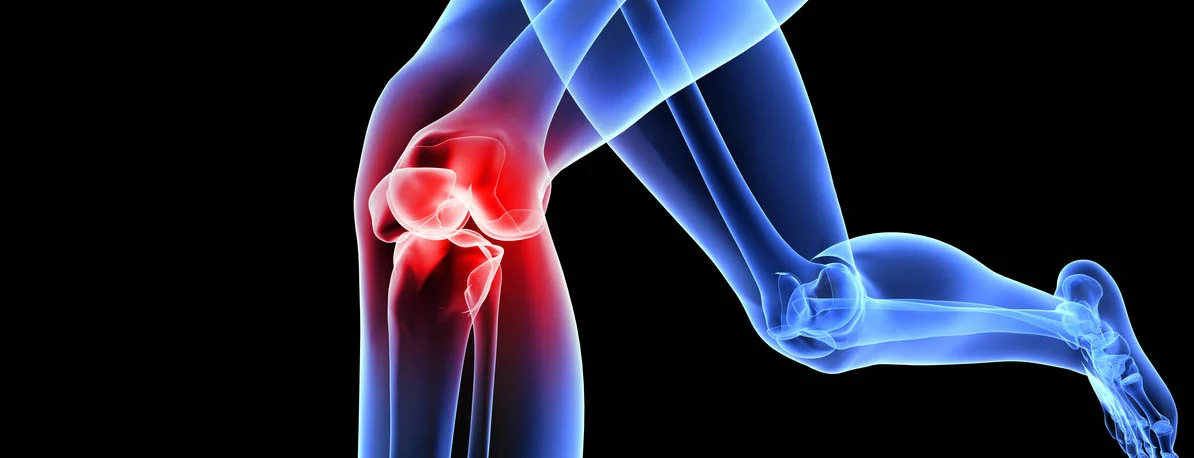
Knee Osteoarthritis and Degeneration
Detailed osteoarthritis management before knee replacement surgery is considered.
Arthroscopic Knee Surgery
A less invasive surgical option for selected patients who do not yet require total or partial knee replacement.
Knee Injections
Non-surgical injection options for managing osteoarthritis pain and improving knee function.
Sports Physical Therapy
Structured prehabilitation before surgery and post-operative rehabilitation following knee replacement.
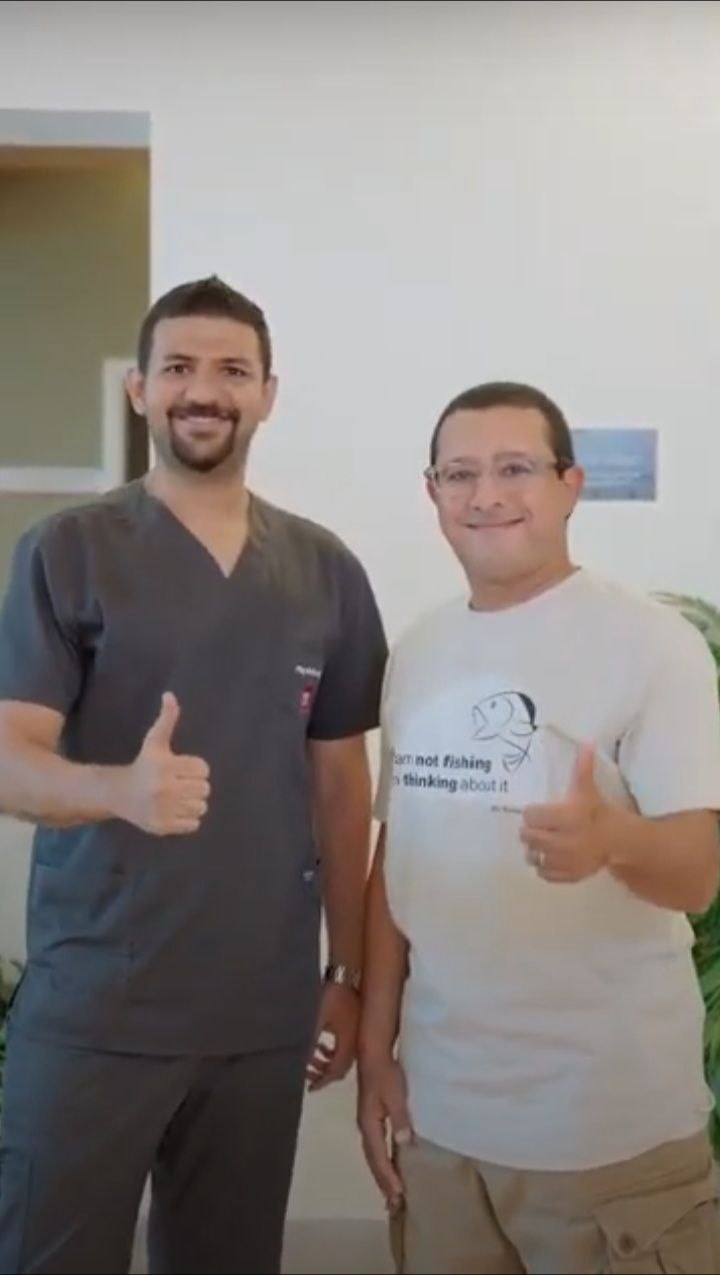
Take control of your health, mobility, and quality of life.
Your First Step Toward a Stronger Tomorrow Starts Now:
Book your personal consultation with Dr. Usama Saleh today and begin your journey to a better you.
Thank you — your message was sent.
Knee Treatment and Clinic Directory
Explore Dr. Usama Saleh’s knee treatment services, related orthopedic care, appointment options, and Medcare MOSH contact information in one organized directory.
Knee Conditions and Procedures
Orthopedic Services
Meet, Book and Contact
Medcare MOSH
Sheikh Zayed Road, Dubai, UAE
erhan