Rotator Cuff Repair Surgery Dubai: Restore Shoulder Strength & Function

Minimally Invasive Arthroscopic Rotator Cuff Repair | Same-Day Surgery | 85-95% Success Rate

Suffering from a torn rotator cuff and persistent shoulder pain? Rotator cuff repair surgery performed by an expert rotator cuff surgeon in Dubai can restore full strength and eliminate pain permanently. Dr. Usama Saleh, fellowship-trained at the University of Toronto with 23+ years of experience, specializes in advanced arthroscopic rotator cuff repair through just 3-4 tiny incisions. This minimally invasive shoulder surgery delivers faster recovery, minimal scarring, and outstanding long-term outcomes. Whether your rotator cuff tear is from injury or degeneration, arthroscopic rotator cuff surgery is performed as a same-day outpatient procedure so you return home the same day.

Arthroscopic Rotator Cuff Repair Surgery
Advanced Shoulder Procedures

What Is Rotator
Cuff Repair Surgery?

Rotator cuff repair surgery is a precise orthopedic procedure designed to systematically reattach torn rotator cuff tendons back to their anatomic bone footprint.

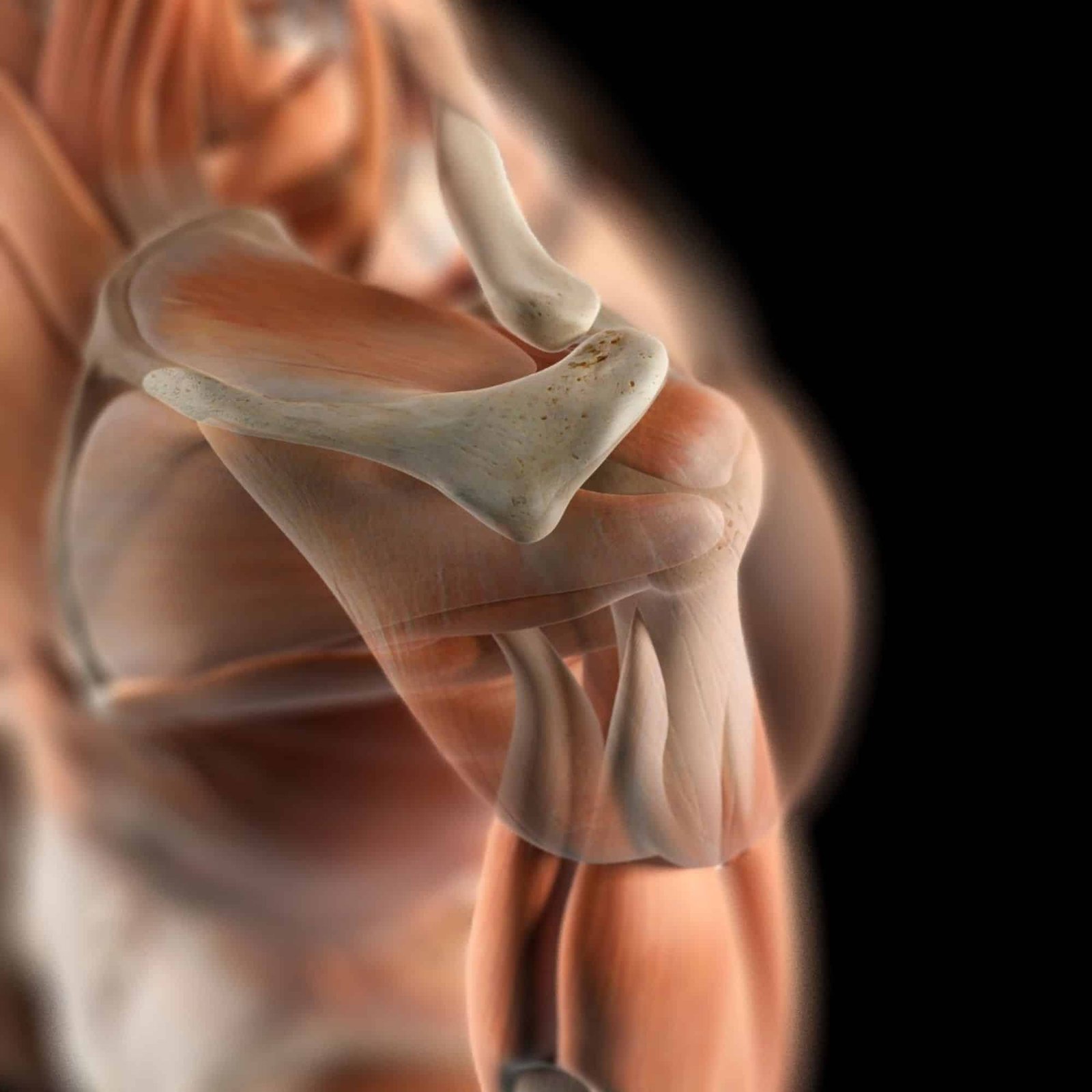
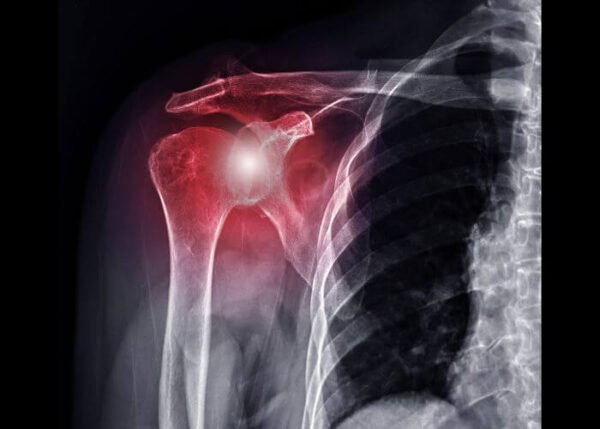
The rotator cuff consists of four critical muscles and tendons stabilizing your shoulder joint. These structures can tear due to acute trauma, chronic repetitive strain, or age-related degeneration, resulting in severe local pain, muscular weakness, and profound functional loss.

The Specialist Arthroscopic Approach:

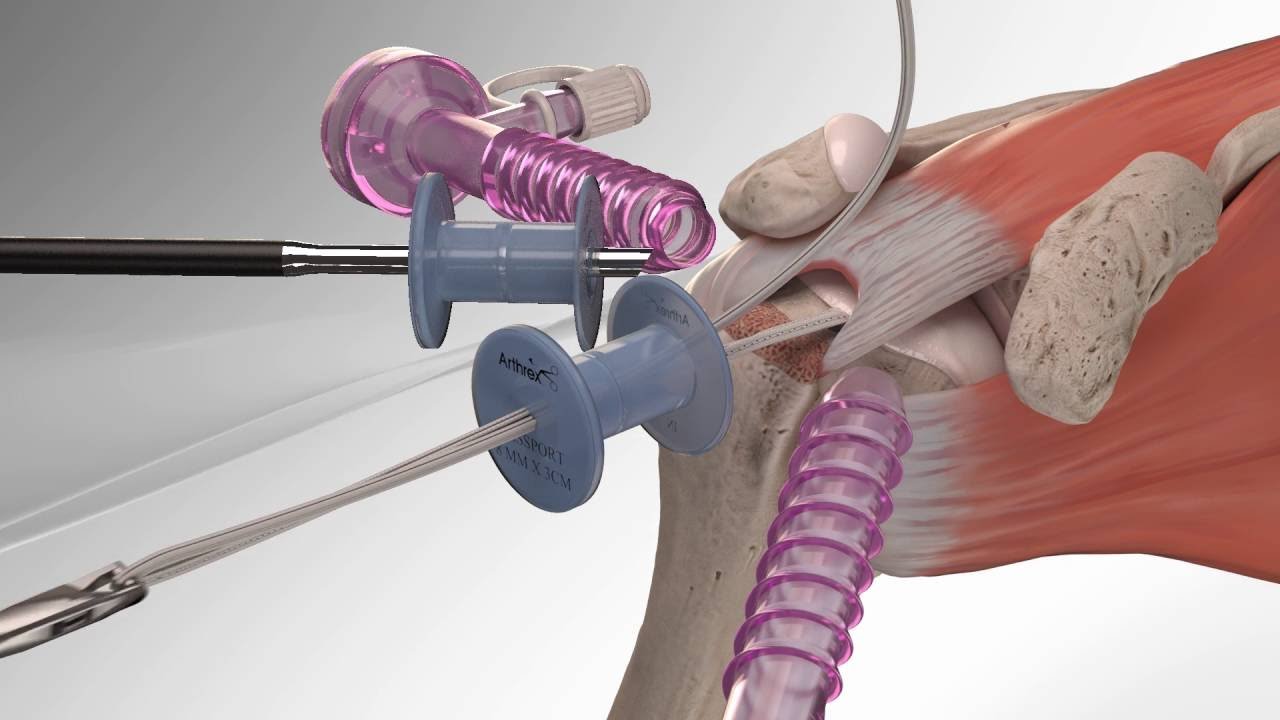
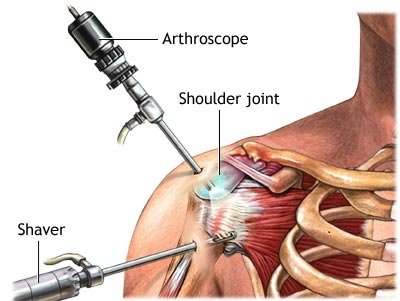
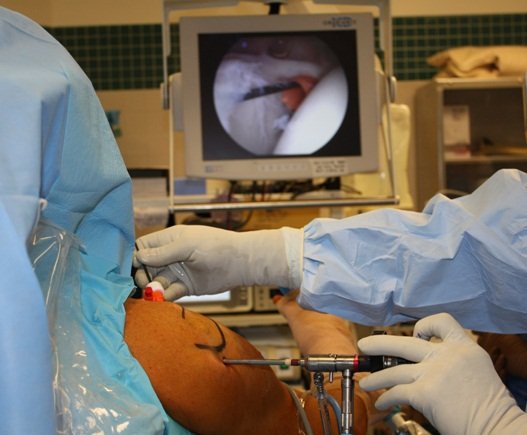
As a specialist rotator cuff surgeon in Dubai, Dr. Usama performs advanced arthroscopic rotator cuff surgery through 3-4 tiny incisions using a high-definition camera. The technique secures the torn tendon to bone with ultra-strong suture anchors, optimizing biological healing.

Surgical Decision Matrix

When Is Rotator Cuff Repair Surgery Needed?

Not every rotator cuff tear requires rotator cuff surgery. Dr. Usama evaluates each patient carefully before recommending surgical intervention.

Surgery Typically Recommended When:

Early Surgery Advantage: Secures vastly superior tissue quality, prevents retraction, and yields significantly optimized clinical outcomes.

Surgery May NOT Be Needed When:

A1

Partial-thickness tears responding smoothly to focused physical therapy.

A2

Small tears (<1cm) present in lower demand or less active patients.

A3

First diagnostic attempt; conservative protocols must be comprehensively tried.

A4

Chronic tears displaying advanced, irreversible fatty infiltration fields.

A5

Co-existing medical conditions making general surgical tracking high-risk.

A6

Symptoms remain completely tolerable and function is clinically acceptable.

A1

Partial-thickness tears responding smoothly to focused physical therapy.

A2

Small tears (<1cm) present in lower demand or less active patients.

A3

First diagnostic attempt; conservative protocols must be comprehensively tried.

A4

Chronic tears displaying advanced, irreversible fatty infiltration fields.

A5

Co-existing medical conditions making general surgical tracking high-risk.

A6

Symptoms remain completely tolerable and function is clinically acceptable.

Dr. Usama's Practice Baseline: Always recommends structured, high-compliance non-surgical treatments first.
i

Comprehensive Surgical Profiling Protocols

To guarantee clinical success, Dr. Usama's diagnostic evaluation rigorously covers the following parameter grid:

Tear size & footprint localization on high-resolution MRI
Muscle tissue quality evaluation & fatty infiltration index (Goutallier Grading)
Manual muscle strength profiling & multi-axis ROM testing
Individual activity goals, athletic loads, and occupational demands
Chronological response tracking to previous conservative treatments
Patient lifestyle parameters, smoking status, and systemic health metrics
Surgical Readiness Protocol

Rotator Cuff Surgery Pre-Op Timeline

A structured, step-by-step clinical preparation timeline directly influences tissue quality, minimizes complications, and ensures an optimal biological healing environment.

Rotator Cuff Repair 1
Shoulder Arthroscopy
Shoulder Replacement
Rotator Cuff Repair 2
Rotator Cuff Anatomy
Rotator Cuff Repair 1
Shoulder Arthroscopy
Shoulder Replacement
Rotator Cuff Repair 2
Rotator Cuff Anatomy
W 4-6
Phase 01: Initial Profiling

4 - 6 Weeks Before Surgery

  • Comprehensive structural surgical consultation and treatment alignment.
  • Detailed high-resolution MRI review to map tear footprint parameters.
  • Complete procedural technique and arthroscopic stages thoroughly explained.
  • Initial pre-op guidance instructions formally issued.
  • In-depth analysis and discussion on what to expect post rotator cuff surgery.
W 3-4
Phase 02: Medical Logistics

3 - 4 Weeks Before Surgery

  • Securing formal medical clearance from checking physicians.
  • Complete baseline diagnostic blood work profiling.
  • Comprehensive EKG evaluation (mandatory for patients over 50).
  • Dedicated rotator cuff surgery pre-op visit with your General Practitioner (GP).
  • Finalizing institutional insurance pre-authorization protocols.
W 2-4
Phase 03: Critical Risk Controls

2 - 4 Weeks Before Surgery

  • STOP ALL BLOOD THINNERS (including aspirin, ibuprofen, naproxen, and similar NSAIDs).
  • Completely stop taking unprescribed herbal supplements to eliminate bleeding risks.
  • ABSOLUTELY STOP SMOKING: Nicotine severely impairs microcirculation and doubles the biological re-tear rate.
  • Initiate targeted pre-hab physical therapy (PT) protocols if clinically indicated.
Day 0
Phase 04: Operating Room Arrival

Day Of Rotator Cuff Surgery

  • Arrive at the hospital surgical admissions counter exactly 1.5 - 2 hours early.
  • Maintain strict nil by mouth (NPO) parameters from midnight prior.
  • Bring your valid physical Emirates ID card and original insurance documentation.
  • Ensure a designated responsible driver is confirmed for discharge escort logistics.
Intraoperative Protocol

How Is Rotator Cuff Repair Surgery Performed?

Understanding the exact arthroscopic stages reduces anxiety and sets realistic expectations. Dr. Usama performs this advanced procedure in 95%+ of cases through 3-4 tiny incisions with high-definition visualization.

Step 01 15-20 min

Anaesthesia & Positioning

General anaesthesia is combined with an interscalene nerve block to numb the shoulder for 12-18 hours post-op. The patient is placed in a precise beach-chair or lateral position, and the surgical site is marked and sterilized.

Step 02 10-15 min

Portal Creation & Diagnostic

3-4 small incisions are created. The arthroscope is inserted for a systematic, high-definition inspection of the rotator cuff tear, bicep tendon, labrum, and cartilage surfaces to confirm the definitive surgical blueprint.

Step 03 15-20 min

Joint Preparation

The inflamed bursa is cleanly removed and bone spurs are shaved via subacromial decompression. Frayed tear edges are debrided, and the bone footprint is roughened to create a bleeding surface critical for biological healing.

Step 04 30-45 min

Repair Technique Execution

Tendon mobilized. Suture anchors (2-8 depending on size) are inserted into bone. High-strength sutures pass through the tendon and are tied arthroscopically. Single-row or double-row techniques are chosen based on tear geometry.

Step 05 10-20 min

Associated Pathology Care

Bicep tendon pathology is treated via tenotomy or tenodesis, labral tears are repaired, and AC joint arthritis is addressed if indicated. All pathology is resolved in one single comprehensive arthroscopic session.

Step 06 10 min

Surgical Closure Protocols

Final inspection confirms secure repair and full stable passive motion. Incisions are closed with absorbable sutures or surgical glue. Waterproof dressings are applied, and the arm is placed safely in an immobilization sling.

Step 01 15-20 min

Anaesthesia & Positioning

General anaesthesia is combined with an interscalene nerve block to numb the shoulder for 12-18 hours post-op. The patient is placed in a precise beach-chair or lateral position, and the surgical site is marked and sterilized.

Step 02 10-15 min

Portal Creation & Diagnostic

3-4 small incisions are created. The arthroscope is inserted for a systematic, high-definition inspection of the rotator cuff tear, bicep tendon, labrum, and cartilage surfaces to confirm the definitive surgical blueprint.

Step 03 15-20 min

Joint Preparation

The inflamed bursa is cleanly removed and bone spurs are shaved via subacromial decompression. Frayed tear edges are debrided, and the bone footprint is roughened to create a bleeding surface critical for biological healing.

Step 04 30-45 min

Repair Technique Execution

Tendon mobilized. Suture anchors (2-8 depending on size) are inserted into bone. High-strength sutures pass through the tendon and are tied arthroscopically. Single-row or double-row techniques are chosen based on tear geometry.

Step 05 10-20 min

Associated Pathology Care

Bicep tendon pathology is treated via tenotomy or tenodesis, labral tears are repaired, and AC joint arthritis is addressed if indicated. All pathology is resolved in one single comprehensive arthroscopic session.

Step 06 10 min

Surgical Closure Protocols

Final inspection confirms secure repair and full stable passive motion. Incisions are closed with absorbable sutures or surgical glue. Waterproof dressings are applied, and the arm is placed safely in an immobilization sling.

Logistics Tracking

Surgical Duration Metrics

The overall procedural timeframe scales directly according to structural tissue tear size and complex anatomical parameters:

Small–Medium Tears 60–90 minutes
Large–Massive Tears 90–120 minutes
Complex / Revision Care 120–150 minutes
Advanced Surgical Hub

Clinical Benefits & Success Matrix

Arthroscopic reconstruction systematically reverses functional deficits, yielding long-term mechanical stability and preventing progressive degenerative joint damage.

Surgical Recovery Benefits

Pain Relief Matrix

85-90% Improvement Metrics

Strength Restoration

85-100% Functional Recovery

Return to Work & Sport

85-95% Athletic Clearance

Damage Prevention

Halts Atrophy Progression
Analgesic Profile

An exceptional 85-90% of patients achieve significant or complete elimination of shoulder pain. Severe sleep disruption from chronic localized pain resolves permanently as the repaired tendon biologically anchors back to bone, with most patients reporting life-changing structural relief by 4-6 months post-op.

Biomechanical Force

Arthroscopic rotator cuff repair structurally restores 85-100% of normal shoulder strength benchmarks, depending on baseline tear size and tissue quality. Patients systematically regain the absolute mechanical ability to lift, carry, and reach overhead for intensive work and high-level sports demands.

Kinetic Clearance

For patients evaluating whether rotator cuff surgery is truly worth it: data tracks that manual laborers achieve complete return to heavy work frameworks, competitive athletes return safely to active sports, and everyday individuals regain their chosen lifestyles. Rotator cuff athletes achieve a high 85-95% return-to-sport rate.

Structural Shield

Left untreated, partial or small tendon tears aggressively enlarge over time, giving rise to irreversible muscle atrophy and advanced fatty infiltration (Goutallier grading changes). Timely, early rotator cuff tear surgery permanently halts this destructive joint progression before the tissue mechanics become entirely irreparable.

Pain Relief Matrix

An exceptional 85-90% of patients achieve significant or complete elimination of shoulder pain. Sleep disruption from chronic pain resolves as the repaired tendon heals back to bone, reporting life-changing relief by 4-6 months.

Strength Restoration

Arthroscopic rotator cuff repair structurally restores 85-100% of normal shoulder strength benchmarks. Regain the absolute mechanical ability to lift, carry, and reach overhead safely.

Return to Work & Sport

Manual laborers return to heavy work, athletes return to competition, and everyday patients return to active lifestyles. Rotator cuff athletes achieve a high 85-95% return-to-sport rate.

Damage Prevention

Left untreated, tears enlarge over time developing muscle atrophy and fatty infiltration. Early surgery halts this progression before the tissue mechanics become irreparably damaged.

Prognostic Success Rates

Statistical surgical success and structural tendon healing parameters categorized strictly by tear dimension benchmarks:

Small Tears (<1cm) 90-95%
Medium Tears (1-3cm) 85-90%
Large Tears (3-5cm) 75-85%
Massive Tears (5cm+) 65-80%

Risks & Possible Complications

Dr. Usama believes in full transparency about rotator cuff surgery risks and complications. Overall serious complication rate is under 3-5% for arthroscopic repairs by experienced surgeons.

Recovery Timeline Overview:

Tendon may fail to heal to bone or re-tear after healing. Higher with large/massive tears, smokers (smoking doubles re-tear risk), poorly controlled diabetes, age over 65, non-compliance with restrictions.

Rare with arthroscopic technique and sterile protocols. Minimized through prophylactic antibiotics and antibacterial skin preparation. Treated with antibiotics.

Post-operative stiffness from scar tissue. More common in diabetics. Prevented through early physical therapy. Treated with aggressive stretching or, rarely, manipulation under anaesthesia

Careful patient selection · Meticulous 23-year arthroscopic technique · Mandatory smoking cessation · Diabetes pre-op optimization · Structured rehab protocol · Close post-op follow-up

Post-Operative Framework

Recovery & Rehabilitation Protocol

Rotator cuff surgery recovery follows a strict, structured 4-phase biological protocol. Complete rotator cuff surgery recovery time scales directly according to tear size, tissue quality, age parameters, and active rehabilitation compliance.

Phase 01 Weeks 0 - 6

Protection Focus

Sling immobilization is completely non-negotiable to shield the biological tendon anchor footprint. Strict passive ROM protocols apply. Sleeping after rotator cuff surgery explicitly requires a reclined positioning architecture, with the initial interscalene nerve block providing critical early pain control fields.

Phase 02 Weeks 6 - 12

Active Motion

Sling weaning safely begins under specialist metrics. Active-assisted ROM guidelines are carefully introduced alongside light, non-destructive isometric strengthening models. Return to work after rotator cuff surgery for office-based roles and light desk work is typically cleared.

Phase 03 Weeks 12 - 20

Strengthening

The rotator cuff surgery rehab protocol advances aggressively into intensive progressive resistance exercises, functional tasks, and early sport-specific loading patterns. Dedicated physical therapy becomes highly focused, and light manual work constraints are lifted.

Phase 04 Weeks 20 - 24+

Full Return

Advanced tissue conditioning and speed work phase. Return to sports after rotator cuff surgery is formally cleared once the joint tracks at 90%+ compared strength benchmarks. Achieving full biological recovery spans 6-12 months depending on baseline individual tearing factors.

Activity Return Timeline

How long rotator cuff surgery recovery takes across specific daily tasks is highly individual. Dr. Usama provides a fully personalized timeline assessment at your clinical consultation.

Functional Activity Tracking
Clearance Return Timeline
Clinical Post-Op Notes
Driving after surgery
2 - 6 Weeks
Must be completely off all narcotic medications, out of the protective sling, and demonstrate full coordinated structural arm control.
Return to professional work
2 - 6 Weeks (Desk roles) 3 - 6 Months (Manual labor)
Surgical clearance timeline scales heavily based on structural daily occupational joint demands and load-bearing requirements.
Golf integration
3 - 4 Months
Initiate kinetic retraining exclusively with short chipping strokes, progressively advancing through the swing plane as tolerated.
Swimming protocols
4 - 5 Months
Freestyle stroke tracking must be integrated last, as it demands the highest multi-axis torque profile from the repaired rotator cuff tendons.
Tennis & Racquet sports
4 - 6 Months
Perfect smooth groundstrokes must be established and consolidated before introducing overhead serving mechanics.
High-impact / Contact sports
6 - 9 Months
Surgical athletes require formal target strength profiling and explicit operational clearance before receiving collision impacts.
Patients over 60 / Elderly care
Standard Timeline
While tissue healing progression rates may track slightly slower, age alone does not prevent achieving excellent clinical and functional outcomes.

Why Choose Dr. Usama Saleh
For Rotator Cuff Repair Surgery In Dubai

Best Shoulder Doctor Dubai — Fellowship-Trained

23+ Years as Dubai's Shoulder Specialist Doctor

Expert in How to Treat Rotator Cuff Tear — All Options

Honest — Surgery Only When Truly Needed

Frequently asked questions

Need something cleared up? Here are our most frequently asked questions.

Related Conditions & Procedures

Related Conditions

Rotator Cuff Tear Treatment full conservative and surgical overview, Shoulder Impingement Relief bone spur compression treated simultaneously Shoulder Instability Treatment recurrent dislocations Bicep Tendonitis Treatment often coexists with rotator cuff tears 

Related Procedures

Shoulder Arthroscopy the minimally invasive technique used Shoulder Stabilization Surgery for instability cases Subacromial Decompression bone spur removal often done simultaneously Shoulder Treatment Dubai comprehensive hub page

Patient Connection Hub Assess your pain