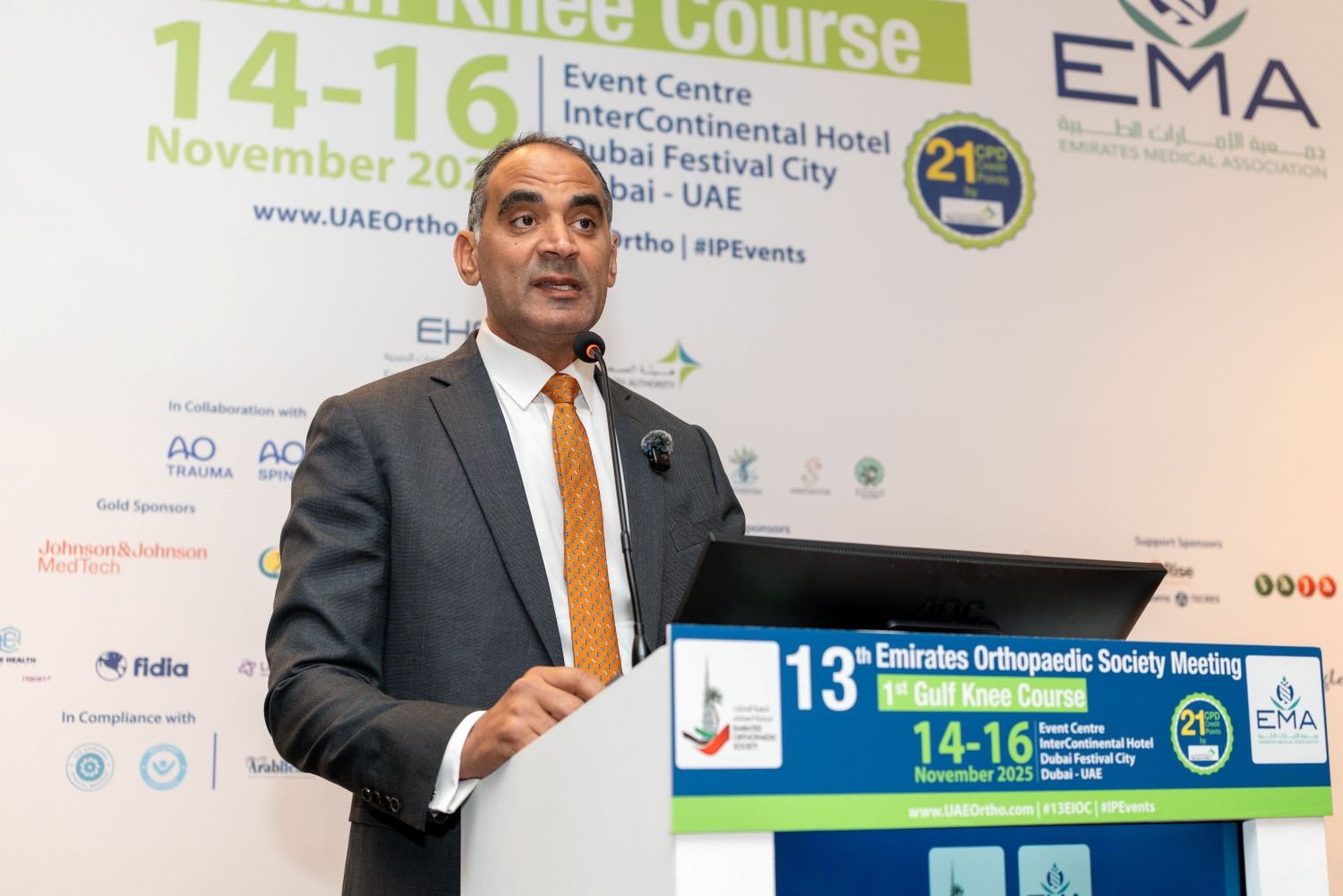
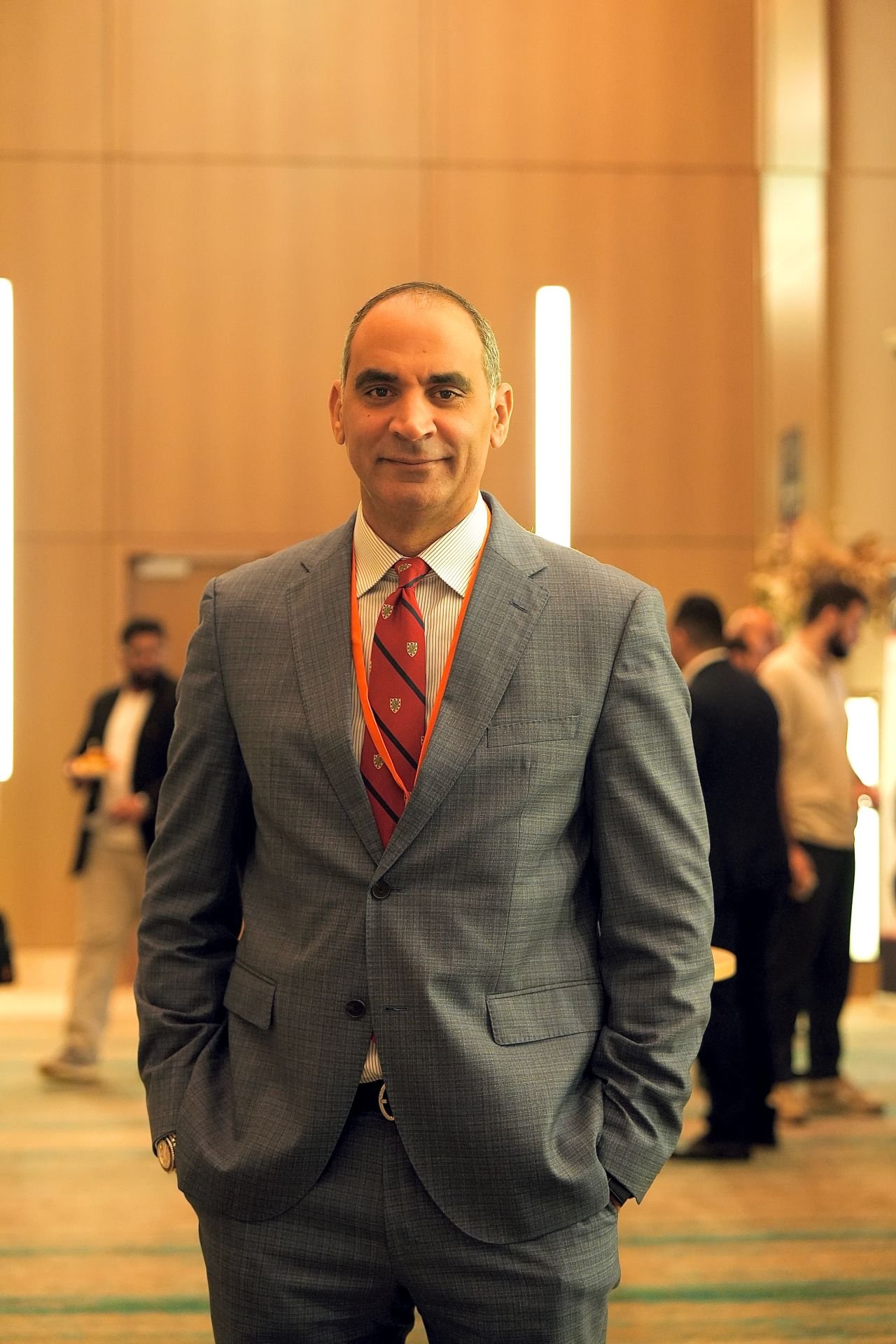
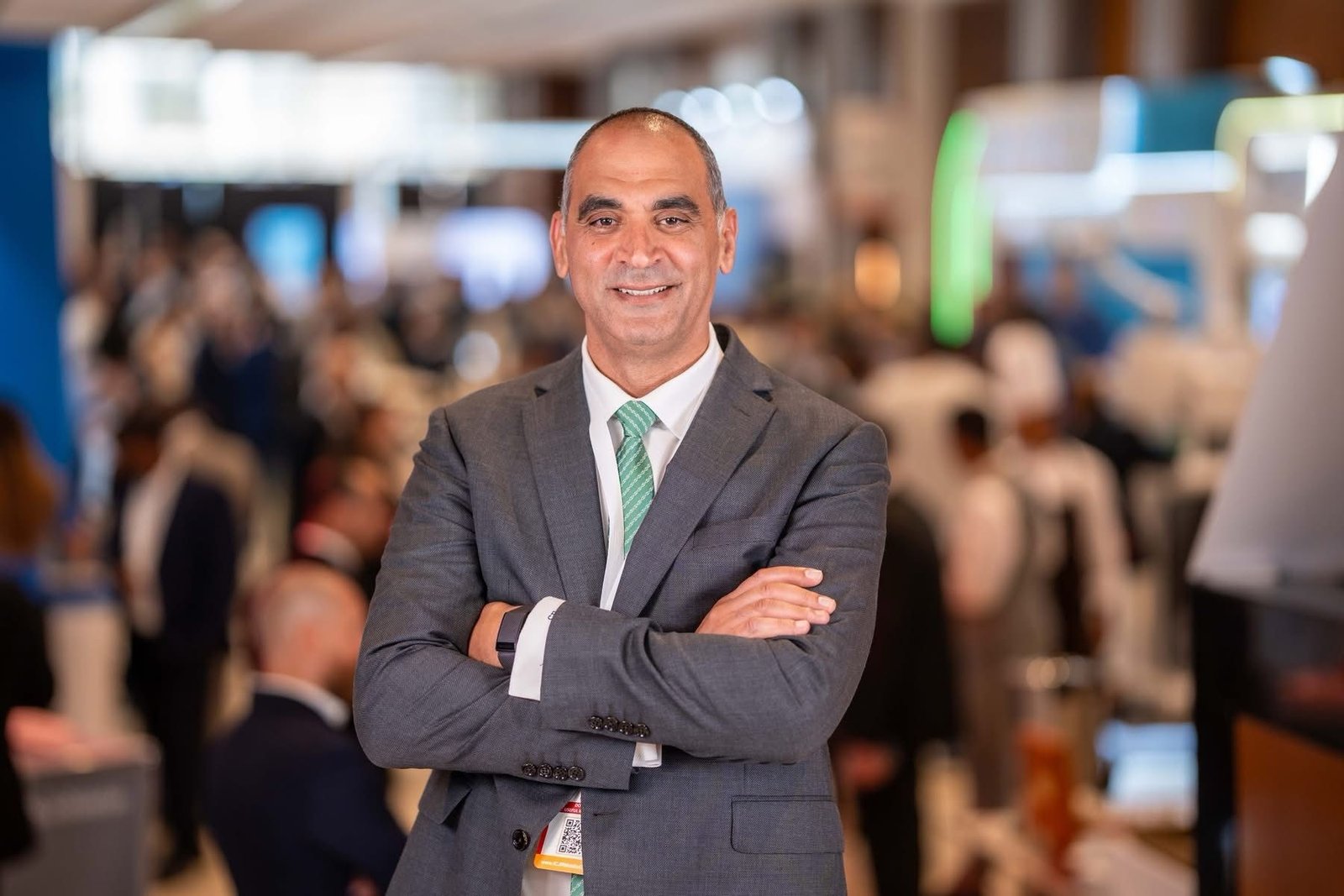
ACL & Meniscus Tear Treatment in Dubai | Dr. Usama Saleh

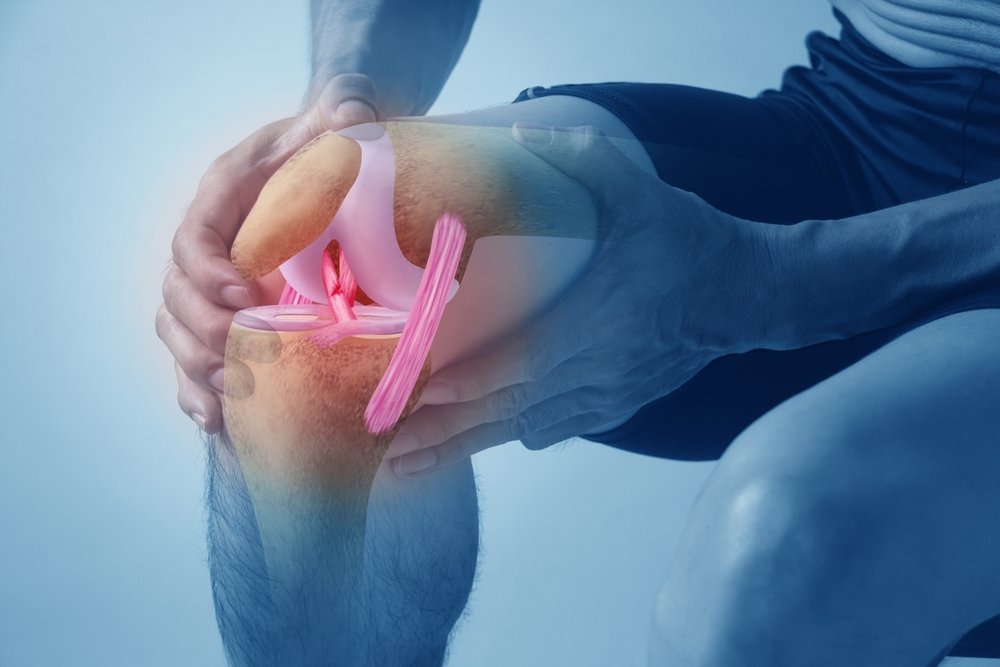
The pop of an ACL tear. The catching pain of a meniscal injury that interrupts every training session. These are two of the most common and consequential knee injuries in Dubai’s active population ,  and two conditions where accurate diagnosis and the right surgical decision make a career-defining difference. Dr. Usama Saleh, a fellowship-trained orthopedic knee surgeon with 23+ years of experience, provides expert ACL and meniscus tear assessment and treatment at Medcare Orthopaedics & Spine Hospital (MOSH), Sheikh Zayed Road, Dubai. Whether you need arthroscopic meniscal repair, ACL reconstruction, or confirmation that conservative management is the right call for your specific injury ,  your recovery starts with an accurate diagnosis and a plan built around your sport, your age, and your timeline.

Advanced Orthopedics

What Are ACL & Meniscus Tears?

ACL

Anterior Cruciate Ligament

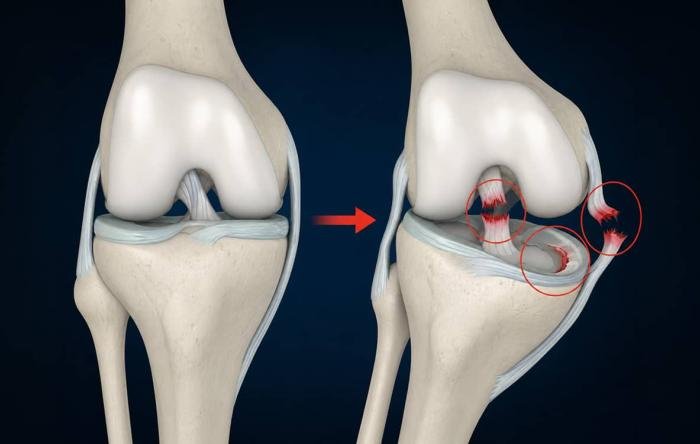
The ACL runs diagonally through the knee's center, connecting femur to tibia. It acts as the primary restraint against rotational instability and anterior translation. Ruptures happen under intense rotational or hyperextension force. Complete tears cannot heal spontaneously; the ligament retracts, rendering the joint chronically unstable without reconstruction.

Knee Joint Anatomy
Pre-operative MRI Essential
02

The Menisci Structure

Two C-shaped wedges of fibrocartilage serving as critical shock absorbers, distributing up to 70% of compressive loads. Tears range from avascular inner zones (irreparable splits) to peripheral vascular outer zones (surgically repairable).

40-65%

Of acute ACL tears present a co-occurring meniscal rupture at exploration. Rotational forces simultaneously compromise both structures, altering rehabilitation pathways.

Expert Knee Care in Dubai

Types of ACL & Meniscus Tears Treated by Dr. Usama

Grade III
01

Complete ACL Tear

Full-thickness ACL disruption, the hallmark audible pop, immediate hemarthrosis, and gross rotational instability. ACL reconstruction is recommended for active patients wanting to return to pivoting sports. Cannot heal spontaneously.

Grade I-II
02

Partial ACL Tear

Partial fiber disruption: the ligament remains in continuity but is stretched and weakened. May allow return to sport with rehabilitation in less active individuals. High-demand athletes with clinical instability may still require reconstruction.

Most Common
03

Medial Meniscal Tear

The most common meniscal injury is the larger, C-shaped medial meniscus. Posterior horn medial meniscal tears are most frequent. Ranges from repairable peripheral flap tears to complex degenerative tears requiring partial meniscectomy.

High Repair Rate
04

Lateral Meniscal Tear

Most commonly associated with acute ACL tears, the lateral compartment absorbs the pivot-shift forces that rupture the ACL. Lateral tears are more frequently repairable due to better blood supply.

Surgical Emergency
05

Bucket-Handle Meniscal Tear

A longitudinal tear with central displacement into the joint space, mechanically blocking full knee extension. Results in a locked knee requiring urgent arthroscopic reduction and repair or meniscectomy. A surgical emergency.

Dual Procedure
06

Combined ACL + Meniscus Tear

The most frequent serious knee injury combination is an ACL rupture with a concurrent meniscal tear. Requires comprehensive MRI assessment and combined arthroscopic surgery: ACL reconstruction plus meniscal repair or meniscectomy in a single procedure.

Symptom Differentiation

Symptoms of ACL Tears vs. Meniscus Tears

Scroll or hover to freeze. Accurate differentiation guides urgent assessment decisions.

ACL Tear

The Audible Pop

A loud pop or crack felt or heard at the moment of injury, the hallmark symptom in approximately 70% of complete ACL tears.

ACL Tear

Rapid Swelling

Immediate and rapid knee swelling within 1-2 hours of injury, haemarthrosis (blood in the joint) indicating major structural damage.

ACL Tear

Functional Failure

Immediate inability to continue sport; the knee feels unable to hold weight or absorb the forces of athletic movement.

ACL Tear

Giving Way

Persistent sense of instability, buckling, or giving way during weight-bearing, particularly during pivoting, cutting, or descending stairs.

ACL Tear

Restricted Motion

Difficulty fully straightening or bending the knee in the acute phase due to hemarthrosis and muscle guarding.

ACL Tear

The Audible Pop

A loud pop or crack felt or heard at the moment of injury, the hallmark symptom in approximately 70% of complete ACL tears.

ACL Tear

Rapid Swelling

Immediate and rapid knee swelling within 1-2 hours of injury, haemarthrosis (blood in the joint) indicating major structural damage.

ACL Tear

Functional Failure

Immediate inability to continue sport; the knee feels unable to hold weight or absorb the forces of athletic movement.

ACL Tear

Giving Way

Persistent sense of instability, buckling, or giving way during weight-bearing, particularly during pivoting, cutting, or descending stairs.

ACL Tear

Restricted Motion

Difficulty fully straightening or bending the knee in the acute phase due to hemarthrosis and muscle guarding.

Meniscus Tear

Joint Line Pain

Pain along the inner (medial) or outer (lateral) knee joint line, localized to the specific meniscus, often pinpoint-accurate with direct palpation.

Meniscus Tear

Delayed Swelling

Swelling that develops more gradually than ACL tears, typically appearing 24-48 hours after injury.

Meniscus Tear

Mechanical Catching

A clicking, catching, or locking sensation during knee movement, indicating a displaced meniscal fragment.

Meniscus Tear

True Knee Locking

Full locking of the knee with inability to fully straighten indicates a bucket-handle tear requiring urgent surgical assessment.

Meniscus Tear

Loading Pain

Pain worsening with pivoting, squatting, or climbing stairs, activities that compress and load the menisci.

Meniscus Tear

Fluctuating Distress

Pain that fluctuates, improves with rest but recurs with return to loading activities.

Meniscus Tear

Joint Line Pain

Pain along the inner (medial) or outer (lateral) knee joint line, localized to the specific meniscus, often pinpoint-accurate with direct palpation.

Meniscus Tear

Delayed Swelling

Swelling that develops more gradually than ACL tears, typically appearing 24-48 hours after injury.

Meniscus Tear

Mechanical Catching

A clicking, catching, or locking sensation during knee movement, indicating a displaced meniscal fragment.

Meniscus Tear

True Knee Locking

Full locking of the knee with inability to fully straighten indicates a bucket-handle tear requiring urgent surgical assessment.

Meniscus Tear

Loading Pain

Pain worsening with pivoting, squatting, or climbing stairs, activities that compress and load the menisci.

Meniscus Tear

Fluctuating Distress

Pain that fluctuates, improves with rest but recurs with return to loading activities.

Biomechanical Analysis

What Causes ACL & Meniscus Tears?

Understanding injury mechanisms and predisposing risk factors.

ACL Injury Mechanisms

01

Non-Contact Pivoting

Sudden deceleration combined with a rotational force while the foot is planted. Most common in football, basketball, rugby, and padel.

02

Hyperextension Force

The knee is forced beyond its normal extension limit during landing or sharp contact injuries, causing direct ligament failure.

03

Direct Contact

Valgus or varus force applied directly from an external tackle or collision, frequently seen in contact sports.

Meniscal Tear Mechanisms

01

Acute Athletic Tears

Sudden rotation while the knee is flexed and weight-bearing; the fibrocartilage gets trapped between the femur and tibia during twisting movements.

02

Degenerative Tears (Over 40)

Can occur from minimal force like a simple squat, rising from a chair, or an uneven step, reflecting underlying cartilage degeneration.

Key Risk Factors

Anatomical, physiological, and environmental predispositions.

Female Athlete Risk

2-4x higher risk due to hormonal, anatomical, and neuromuscular parameters.

Previous Rupture

Prior ACL injury (contralateral or ipsilateral) remains the highest individual re-rupture factor.

High-Demand Sports

Rapid deceleration, cutting, and pivoting: football, rugby, basketball, padel, skiing, and netball.

Age-Related Shift

Age over 35 shifts susceptibility toward progressive degenerative meniscal pathology.

ACL Insufficiency

Unstable joints accelerate meniscal wear, adding an estimated 10% new tear risk per year.

Anatomic Predisposition

A narrow intercondylar notch presents an inherent structural risk for mechanical impingement.

Clinical Protocol

How Dr. Usama Diagnoses ACL & Meniscus Tears

Accurate diagnosis combines validated clinical examination with MRI imaging. Clinical examination alone misses approximately 20-30% of meniscal tears; MRI is essential for surgical planning.

Clinical Examination

ACL Assessment: Lachman test is the most sensitive (84-87%), performed at 30° flexion to assess endpoint quality, alongside Anterior drawer and Pivot shift tests (near 100% specific for rotational instability).

Meniscus Assessment: McMurray test (tibial rotation during flexion-extension), Apley compression, and Thessaly tests. Joint line palpation isolates medial vs. lateral pathology with high clinical accuracy.

Diagnostic Imaging

MRI (Gold Standard): 86-95% sensitive for complete ACL tears and 77-93% for meniscal tears. Identifies bone bruising and chondral status. Dr. Usama reviews the MRI with each patient at consultation.

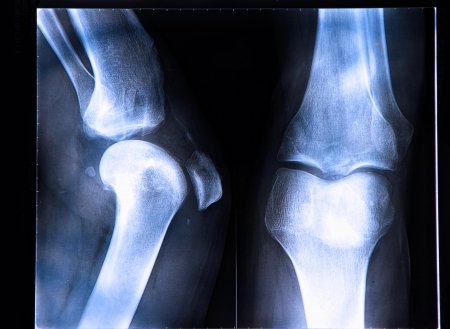
Weight-Bearing X-rays: Exclude tibial spine avulsion fractures, patella fractures, osteochondral defects, and pre-existing osteoarthritis which impacts surgical choices.

Dr. Usama Saleh
Orthopedic Surgery Dubai
Clinical Case
Diagnostics
Surgical Center
Patient Consultation
Knee Imaging
Treatment Planning
Advanced Orthopedics
Recovery Process
Dr. Usama Team
Dr. Usama Saleh
Orthopedic Surgery Dubai
Clinical Case
Diagnostics
Surgical Center
Patient Consultation
Knee Imaging
Treatment Planning
Advanced Orthopedics
Recovery Process
Dr. Usama Team
Clinical Therapeutic Pathways

Treatment Options for ACL & Meniscus Tears

Treatment is determined by tear type, patient age, activity demands, and MRI findings.

Conservative Treatment (Selected Cases)

Physiotherapy & Rehabilitation

First-line for partial ACL tears in less active patients over 40, degenerative meniscal tears in patients over 50 with low activity demands, and inner-zone meniscal tears. Targets quadriceps/hamstring strengthening. Effective in 60-75% of selected candidates.

PRP Injection Therapy

Used selectively as an adjunct to rehabilitation for partial ACL tears and degenerative meniscal pathology to stimulate biological repair.

Surgical Treatment (Arthroscopic Approach)

ACL Reconstruction

Definitive treatment for complete ACL tears in active patients. Utilizing autografts (hamstring tendon for recreational athletes; patellar tendon for elite athletes) or allografts with anatomic tunnel placement.

Arthroscopic Meniscal Repair

Preferred over meniscectomy for vascular outer zone tears. Sutures approximate torn edges with a 70-85% healing rate. Tissue preservation significantly reduces long-term OA risk.

Partial Meniscectomy

For non-repairable inner-zone or complex degenerative tears. Minimally damaged tissue is removed arthroscopically. Same-day procedure (45-60 min). Full return to sport in 6-8 weeks.

Combined ACL + Meniscal Surgery

Both injuries addressed in a single procedure. Avoids a second operation. Complete recovery time takes typically 9-12 months for competitive sports, governed by the ACL recovery protocol.

Urgent Care Protocols

When Should You See a Doctor for a Knee Injury in Dubai?

The most important factor determining ACL and meniscal tear outcome is timeliness of accurate diagnosis. Earlier specialist assessment produces consistently better outcomes.

Dr. Usama Saleh

Medcare MOSH, Sheikh Zayed Road, Dubai

Emergency Assessment

Locked Knee & Traumatic Dislocation

Your knee is completely locked, and you cannot fully straighten it (displaced bucket-handle meniscal tear). Or you have had a high-energy traumatic knee dislocation which can damage the ACL, PCL, and critically, the popliteal artery. Requires urgent vascular assessment.

Urgent Assessment (48-72 Hours)

Rapid Swelling & Gross Instability

Your knee swelled rapidly within 1-2 hours after a sports injury (hemarthrosis pattern indicating an ACL tear). Or the knee feels unstable, buckles, and gives way during weight-bearing since the injury, threatening further meniscal damage.

Book a Consultation

Persistent Pain & Missed Sprains

Joint line pain has persisted for more than 2-4 weeks following a twisting or squatting injury. Also essential if you have been diagnosed with a knee sprain but are not recovering in the expected timeframe (commonly missed ACL/meniscal tears).

Athlete & Specialist Consultation

Seasonal Clarity & Dubai Specialist Care

Active athletes needing clarity on whether an injury requires surgery before season planning. Dr. Usama provides same-day consultation, MRI reviews, and clear diagnoses for acute knee injuries in Dubai.

Emergency Assessment

Locked Knee & Traumatic Dislocation

Your knee is completely locked, and you cannot fully straighten it (displaced bucket-handle meniscal tear). Or you have had a high-energy traumatic knee dislocation which can damage the ACL, PCL, and critically, the popliteal artery. Requires urgent vascular assessment.

Urgent Assessment (48-72 Hours)

Rapid Swelling & Gross Instability

Your knee swelled rapidly within 1-2 hours after a sports injury (hemarthrosis pattern indicating an ACL tear). Or the knee feels unstable, buckles, and gives way during weight-bearing since the injury, threatening further meniscal damage.

Book a Consultation

Persistent Pain & Missed Sprains

Joint line pain has persisted for more than 2-4 weeks following a twisting or squatting injury. Also essential if you have been diagnosed with a knee sprain but are not recovering in the expected timeframe (commonly missed ACL/meniscal tears).

Athlete & Specialist Consultation

Seasonal Clarity & Dubai Specialist Care

Active athletes needing clarity on whether an injury requires surgery before season planning. Dr. Usama provides same-day consultation, MRI reviews, and clear diagnoses for acute knee injuries in Dubai.

Rehabilitation Protocols

Exercises for ACL & Meniscus Tears: What Is Safe and When

CAUTION: These exercises are appropriate ONLY for stable, non-locked knees in the pre-surgical or early conservative management phase. Do NOT perform if your knee is locked, has acute severe swelling, or you are post-surgical without Medcare MOSH team clearance.
Phase 01

Pre-Surgical Rehabilitation (Pre-Hab)

Six or more weeks of structured pre-hab before ACL reconstruction significantly improve postoperative outcomes.

1
Pre-Hab Exercise

Quadriceps Sets

Sit on the floor, affected leg straight. Tighten the quadriceps by pressing the back of the knee toward the floor, hold for 5 seconds, and release.

3 Sets of 15 • 3x Daily
2
Pre-Hab Exercise

Straight Leg Raises

Lie on your back, unaffected knee bent, and affected leg straight. Tighten the quadriceps, raise the affected leg to the height of the bent knee, hold for 3 seconds, and lower slowly.

3 Sets of 15
3
Pre-Hab Exercise

Heel Slides

Lie on your back. Slowly slide the heel toward your buttocks, bending the knee to a comfortable range, then straighten slowly. Restores range of motion without rotational loading.

3 Sets of 15
4
Pre-Hab Exercise

Calf Raises

Stand holding a surface for balance. Rise onto the balls of both feet, hold for 3 seconds, and lower slowly. Prevents calf atrophy and maintains dynamic stability.

3 Sets of 20
5
Pre-Hab Exercise

Short Arc Quads

Lie on your back with a rolled towel under the knee at 30 degrees of flexion. Straighten the knee fully against gravity, hold for 3 seconds, and lower slowly. Critical for terminal extension.

3 Sets of 15
Phase 02

Meniscal Tears Conservative Management

Tailored for non-locked knees to gently restore flexibility and functional quadriceps capability.

6
Conservative Meniscus

Heel-to-Buttock Stretch (Prone)

Lie face down. Slowly bend the knee toward the buttocks to a comfortable range. Hold for 30 seconds. Gently restores knee flexion range lost through swelling.

3 Repetitions • 30s Hold
7
Conservative Meniscus

Step-Ups (Low Step, 10-15 cm)

Step up and down slowly with control. Strengthens quadriceps and glutes in a functional pattern without loading the meniscus in deep flexion.

3 Sets of 10

Prohibited Movements & Clinical Safety

Do not perform deep squats, lunges, or any exercise involving deep knee flexion past 90 degrees with a confirmed meniscal tear; this loads the posterior horn directly and can worsen the tear. Avoid twisting and pivoting movements. All exercises should be performed pain-free.

Surgical Protocol

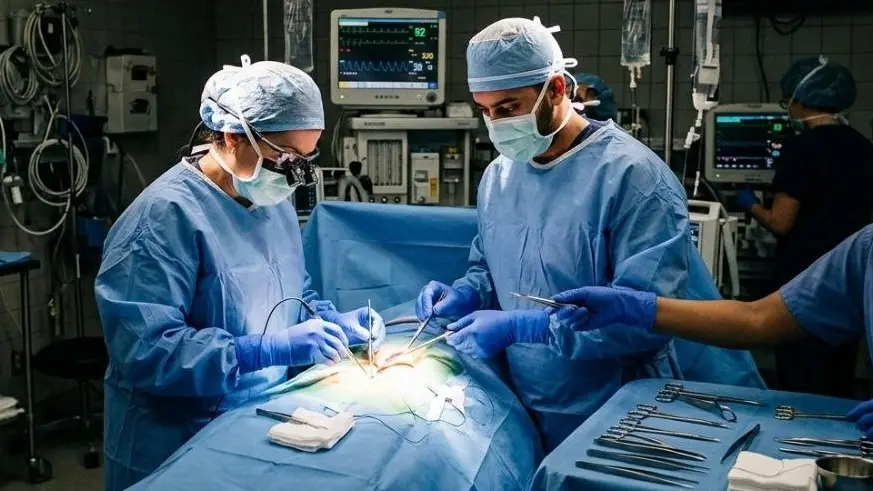
How ACL Reconstruction & Meniscal Surgery Are Performed, Step by Step

A meticulously timed arthroscopic approach engineered for joint stability and structural preservation.

15-20 min

1. Anesthesia & Positioning

General anesthesia combined with a femoral nerve block providing 12-18 hours of post-operative pain control. Patient positioned supine with a stable leg holder; the surgical site is prepared and sterilized.

10-15 min

2. Arthroscopic Assessment

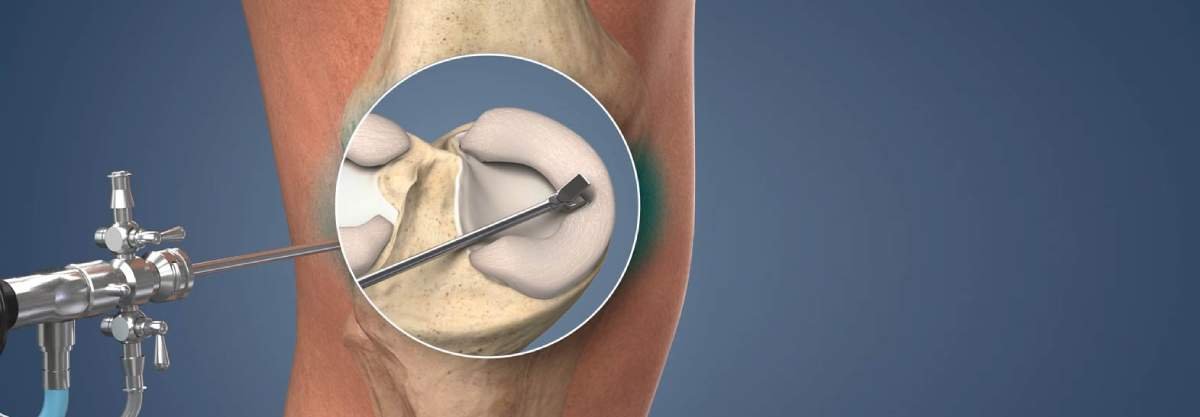
2-3 small 5-10 mm portals are created. An HD arthroscope provides magnified visualization of the entire knee interior. Both menisci, articular cartilage, and the ACL are systematically assessed, confirming MRI findings.

10-30 min

3. Meniscal Treatment First

Meniscal repair (suture passage and fixation for peripheral tears) or partial meniscectomy is performed before ACL reconstruction, allowing free knee movement during graft passage without impingement.

10-20 min

4. Graft Harvest

Hamstring autograft: gracilis & semitendinosus harvested via a 2-3 cm incision (prepared as a 4-strand graft, 8-10 mm diameter). Patellar tendon autograft: central third strip with bone plugs via a 3-4 cm incision, preferred for elite athletes.

20-30 min

5. Tunnel Drilling & Graft Fixation

Tibial and femoral bone tunnels are drilled at native anatomic attachment sites to restore translational and rotational stability. Grafts are passed and secured with interference screws or cortical buttons.

10 min

6. Final Inspection & Closure

Full ROM testing confirms graft position and absence of roof impingement. Portals closed with 1-2 absorbable sutures. Hinged knee brace applied for same-day discharge from Medcare MOSH.

Surgical Duration & Facility Timeline

Procedure TypeSurgical DurationTotal Facility Time (MOSH)
ACL Reconstruction Alone75-90 minutes4-6 Hours
Including pre-op & recovery
ACL + Meniscal Repair90-120 minutes
ACL + Meniscectomy75-100 minutes
Meniscal Repair Only60-90 minutes
Partial Meniscectomy Only45-60 minutes
Recovery & Rehabilitation

Recovery After ACL & Meniscus Tear Surgery in Dubai

The standardized rehabilitation framework engineered at Medcare MOSH Dubai to safely restore athletic capabilities.

Weeks 0-6

Phase 1: Protection

Hinged knee brace locked at 0-90°. Crutches for partial weight-bearing (0-4 wks for ACL, 0-6 wks for meniscal repair). Focus on ice, elevation, oral analgesia, quadriceps activation, and swelling management.

Weeks 6-12

Phase 2: Restoring Function

Full weight-bearing commenced. Brace discontinued. Active ROM restoration. Pool-based rehab from weeks 6-8. Progressive quadriceps and hamstring strengthening. Desk work return: 1-4 wks.

Weeks 12-20

Phase 3: Strengthening

Progressive resistance training (leg press, squats, step-ups, leg curls). Proprioceptive and neuromuscular control training (single-leg balance, perturbation training). Light jogging starts weeks 14-16.

Months 6-12+

Phase 4: Return to Sport

Full competitive pivoting sport return 9-12 months. Clearance criteria: quad/hamstring strength >90% of contralateral leg; limb symmetry index on hop testing >90%;Passed sport agility and psychological readiness.

Clinical Return-to-Activity Timeline Matrix

Injury TypeDesk WorkDrivingSport TrainingCompetition Return
ACL Reconstruction1-2 Weeks6-8 Weeks8-10 Months9-12 Months
ACL + Meniscal Repair1-2 Weeks6-8 Weeks9-11 Months10-12 Months
Meniscal Repair Only1-2 Weeks4-6 Weeks4-5 Months4-6 Months
Partial Meniscectomy1 Week2-3 Weeks4-6 Weeks6-8 Weeks
Pre-Operative Protocol

Preparing for Your ACL or Meniscal Tear Consultation & Surgery

Comprehensive preparation significantly reduces recovery timelines and enhances clinical outcomes.

01 Phase One

Consultation Prep

Bring all previous imaging (MRIs, X-rays) and reports. Prepare an injury timeline: date, mechanism, presence of a pop, timing of swelling, and previous treatments.

02 Phase Two

Pre-Hab Period

Complete 4-6 weeks of structured pre-hab physiotherapy. Evidence shows 6+ weeks of preoperative rehab improves ACL reconstruction outcomes and accelerates return to sport.

03 Critical

2-4 Weeks Before

STOP SMOKING (doubles infection risk and impairs healing). Stop blood thinners and NSAIDs per clinical instructions. Arrange home preparation, crutches, and brace.

04 Hospital

Day of Surgery

Arrive 1.5-2 hours early. Nil by mouth from midnight. Bring photo ID and insurance card. A designated driver is mandatory for discharge from Medcare MOSH.

01 Phase One

Consultation Prep

Bring all previous imaging (MRIs, X-rays) and reports. Prepare an injury timeline: date, mechanism, presence of a pop, timing of swelling, and previous treatments.

02 Phase Two

Pre-Hab Period

Complete 4-6 weeks of structured pre-hab physiotherapy. Evidence shows 6+ weeks of preoperative rehab improves ACL reconstruction outcomes and accelerates return to sport.

03 Critical

2-4 Weeks Before

STOP SMOKING (doubles infection risk and impairs healing). Stop blood thinners and NSAIDs per clinical instructions. Arrange home preparation, crutches, and brace.

04 Hospital

Day of Surgery

Arrive 1.5-2 hours early. Nil by mouth from midnight. Bring photo ID and insurance card. A designated driver is mandatory for discharge from Medcare MOSH.

Clinical Prognosis

Risks & Expected Outcomes of ACL & Meniscal Tear Treatment

Complete transparency about risks serves patients better than reassurance that minimizes genuine considerations.

Surgical Risks & Complications

General Surgical Risks

  • Infection: <1% with arthroscopic technique and prophylactic antibiotics.
  • DVT / PE: <1% with early mobilization protocol.
  • Anaesthesia Complications: <1%, minimized by pre-operative assessment.

ACL-Specific Risks

  • Graft Failure (Re-rupture): 5-15% depending on graft type, age, and rehab compliance. Risk is significantly higher before 9 months.
  • Quadriceps Strength Deficit: 10-20% vs contralateral leg at 6 months, resolved with full 9-12 month rehab.
  • Knee Stiffness (Arthrofibrosis): 5-10%, prevented by early physiotherapy initiation.

Meniscal-Specific Risks

  • Repair Re-tear: 10-20% for peripheral tears, higher for complex patterns.
  • Persistent Pain: 5-10% after partial meniscectomy.

Expected Success Rates

ACL Reconstruction
85-90%

Return to pre-injury sport level at 9-12 months. 90-95% graft survival at 5 years with appropriate rehabilitation protocols.

Meniscal Repair
70-85%

Healing rate for peripheral tears. 85-90% pain improvement with an 85% return to sport achieved at 4-6 months.

Partial Meniscectomy
85-90%

Patient satisfaction rate. Return to sport in 6-8 weeks. Note: Long-term OA risk is increased versus surgical repair.

Long-Term Prognosis

What Happens if an ACL or Meniscus Tear Is Left Untreated?

Without appropriate management, both conditions follow a predictable trajectory of progressive structural deterioration.

Untreated ACL Tear Consequences

Recurrent Giving-Way

Each episode of instability applies damaging shear forces directly to the medial meniscus, articular cartilage, and secondary knee stabilisers during athletic movements.

Secondary Meniscal Tears

ACL-deficient knees develop new meniscal tears at an estimated rate of 10% per year without reconstruction, significantly raising future surgical complexity.

Early-Onset Knee Osteoarthritis

Combined instability, progressive meniscal loss, and structural cartilage damage lead to premature knee OA at higher rates if reconstruction is delayed.

Untreated Meniscal Tear Consequences

Progressive Cartilage Wear

A damaged meniscus exposes cartilage to 3x to 5x normal contact stress, accelerating surface wear proportional to the amount of tissue damaged.

Knee OA Acceleration

Total meniscectomy is linked with a 70% radiographic OA incidence within 15 years. Partial meniscectomy also increases risk, highlighting Dr. Usama's repair-first philosophy.

Chronic Functional Limitation

Untreated bucket-handle tears cause persistent pain, swelling, and permanent inability to achieve full extension, severely impacting gait and occupational function.

Clinical Excellence

Why Choose Dr. Usama Saleh for ACL & Meniscal Tear Treatment in Dubai?

01

Fellowship-Trained Knee Specialist

Advanced fellowship training at the University of Toronto provided deep subspecialty expertise in complex ACL reconstruction techniques, advanced meniscal repair strategies, and multi-ligament injury management beyond standard orthopedic qualifications.

02

Graft Selection Expertise

Hamstring autograft: faster donor-site recovery, preferred for recreational athletes. Patellar tendon autograft: bone-to-bone fixation with rapid biological incorporation, engineered for elite athletes needing maximal early stability.

03

Meniscal Preservation Philosophy

Dr. Usama prioritizes meniscal repair over removal wherever tissue quality allows. Preserving native cartilage produces significantly better long-term outcomes and reduces osteoarthritis risk, even when a meniscectomy would be technically simpler.

04

23+ Years of High-Volume Experience

Two decades of dedicated orthopedic knee surgery in Dubai covering professional football, rugby, basketball, padel, and skiing injuries across all age groups, from adolescent growth plates to master-level sports competitors.

05

Integrated ACL Rehabilitation

Dr. Usama works in seamless, direct collaboration with specialist sports physiotherapists at Medcare MOSH. This ensures your post-operative recovery protocol is tightly coordinated, eliminating communication gaps between surgeon and therapy team.

06

International Research & Teaching Authority

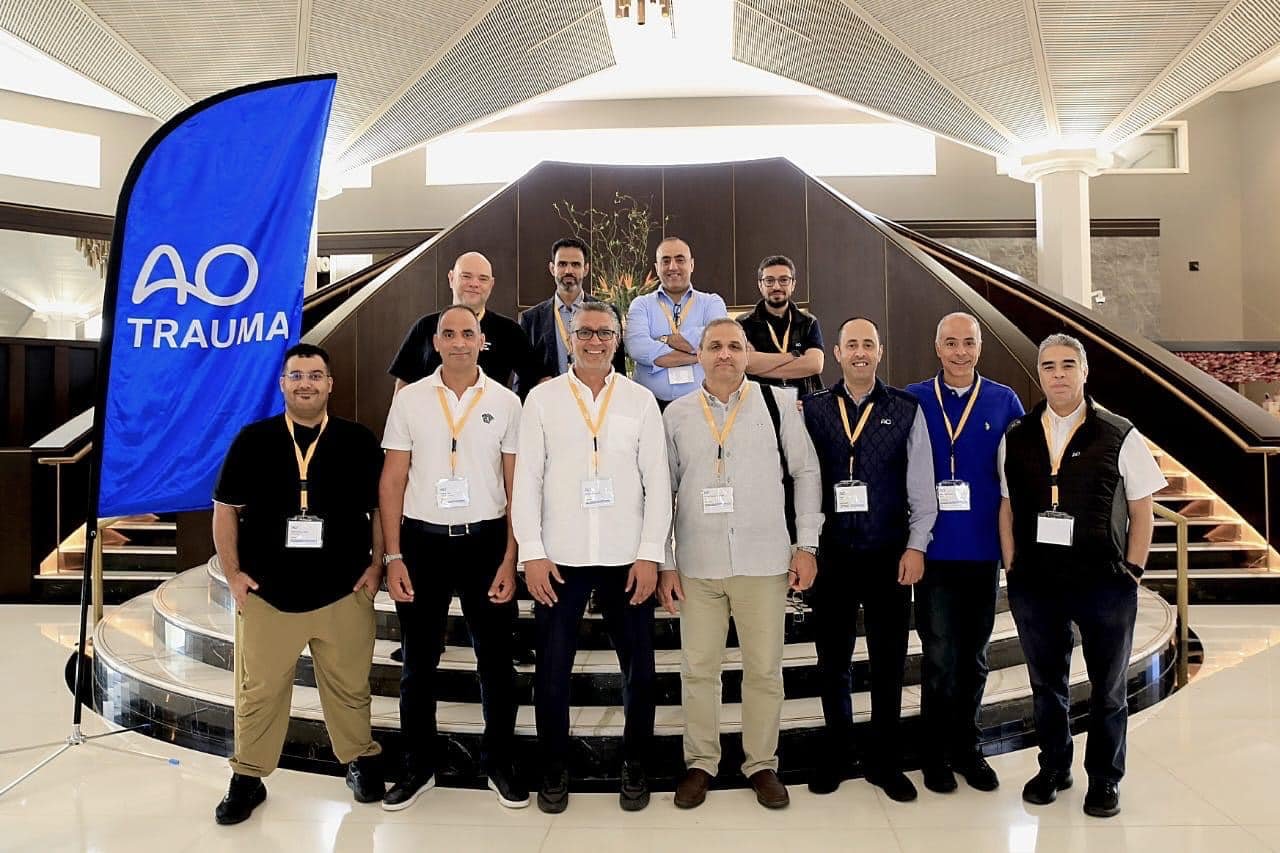
An active AO Trauma faculty member, published peer-reviewed manuscript author, and international conference presenter. Your knee care is directly guided by global evidence-based orthopedic innovations.

Why Choose Dr. Usama
For Frozen Shoulder Treatment In Dubai

Best Shoulder Doctor Dubai — Fellowship-Trained

23+ Years as Dubai's Shoulder Specialist Doctor

Expert in How to Treat Rotator Cuff Tear — All Options

Honest — Surgery Only When Truly Needed

Frequently asked questions

Need something cleared up? Here are our most frequently asked questions.

Immediate Care Access

ACL & Meniscus Tear Treatment in Dubai, Serving Athletes Across the UAE

ACL tears and meniscal injuries are the most frequent serious knee conditions in Dubai's active population. From the football pitches of Jumeirah to the padel courts of JBR and Business Bay, early specialist assessment produces consistently better outcomes.

Dr. Usama sees patients from across Dubai's communities as well as regional athletes. If you are searching for an ACL specialist near you, our team can confirm same-day or urgent appointment availability at Medcare MOSH on Sheikh Zayed Road.

Clinical Location Registry

Clinic / Hospital Medcare Orthopaedics & Spine Hospital (MOSH)
Address Location Sheikh Zayed Road, Dubai, UAE
Phone Line (04) 4079 100
WhatsApp +971 56 785 3864
Email & Digital Portal info@usamasaleh.com | www.usamasaleh.com

Related Conditions & Procedures

Take control of your health, mobility, and quality of life.

Your First Step Toward a Stronger Tomorrow Starts Now:

Book your personal consultation with Dr. Usama Saleh today and begin your journey to a better you.

Contact Form dr
Patient Connection Hub Assess your pain