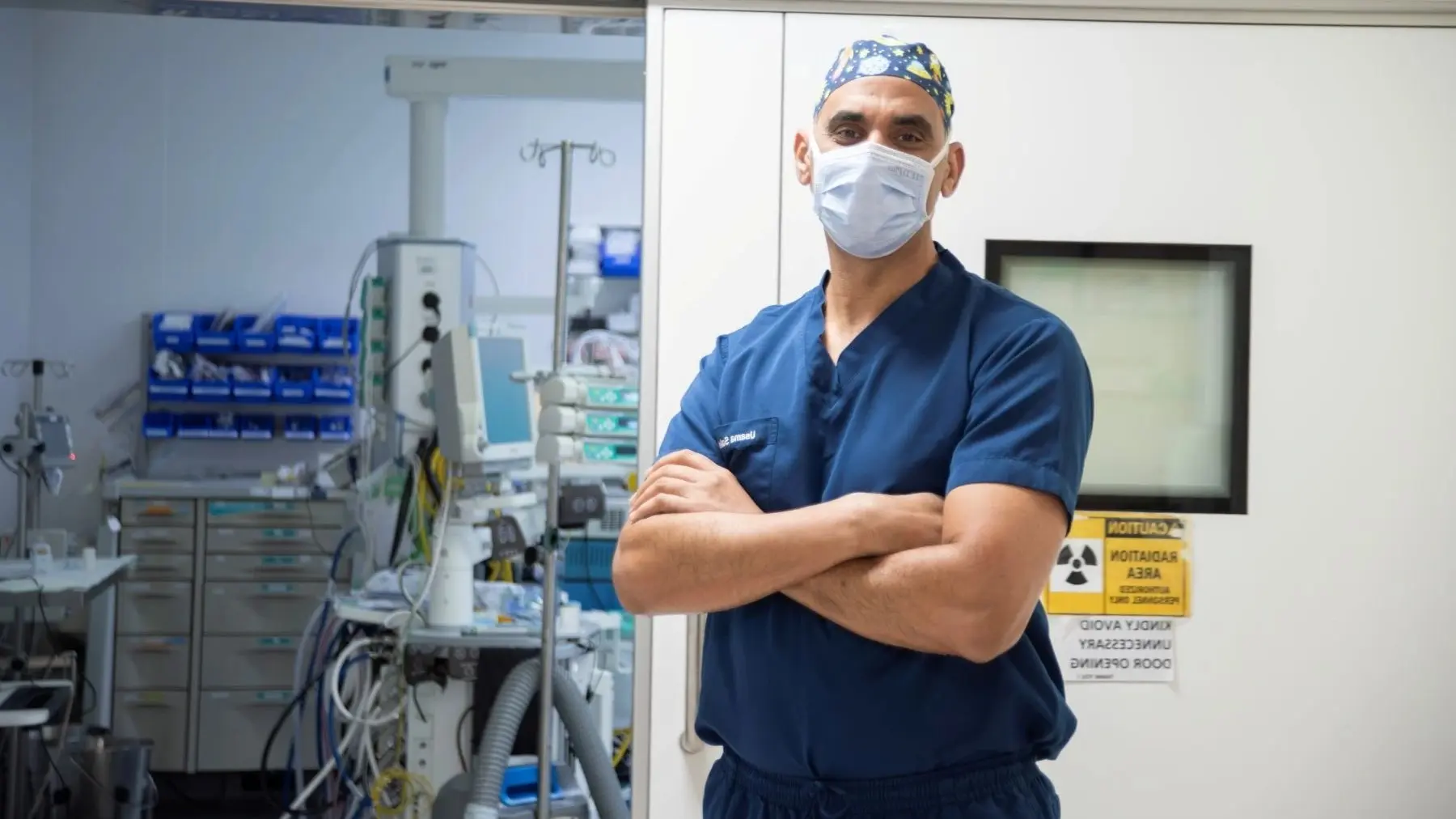
ELBOW TENDON CARE AT MEDCARE MOSH

Tennis Elbow Treatment in Dubai

From structured physiotherapy and ultrasound guided PRP injection to arthroscopic release, Dr. Usama Hassan Saleh provides a complete treatment pathway for lateral epicondylitis at Medcare MOSH, Sheikh Zayed Road.
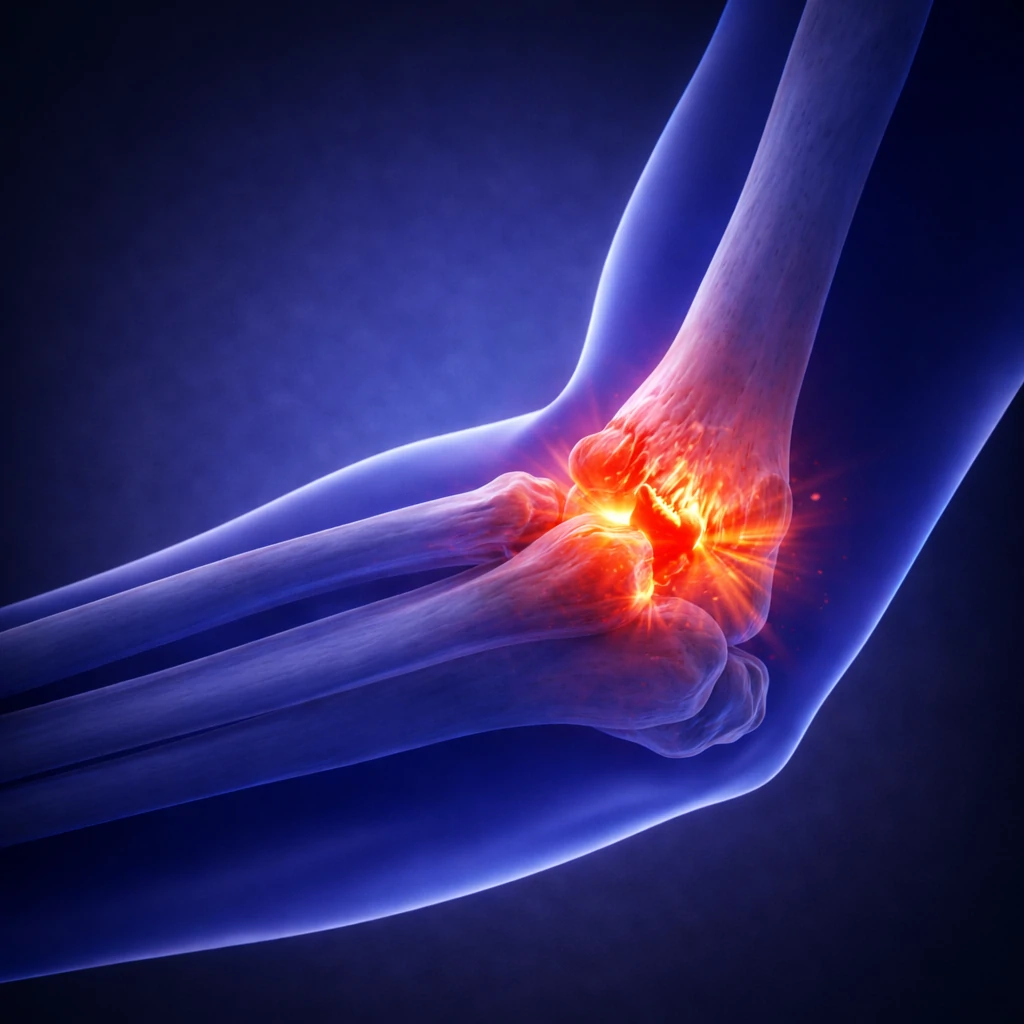

What It IsTendon overload at the outer elbow
Who Treats ItDr. Usama Hassan Saleh
WhereMedcare MOSH, Dubai
23 Years Experience University of Toronto Fellowship Same Day Treatment Planning
Dr. Usama Saleh treating tennis elbow at Medcare MOSH Dubai
Dr. Usama Hassan Saleh orthopedic surgeon in Dubai
Dr. Usama Hassan SalehMD, PhD, MRCS UK
Outer elbow painWeak grip and forearm ache
Dr. Usama Saleh in an orthopedic operating theatre
23Years of orthopedic practice in Dubai and the UAE
MEDICALLY AUTHORED AND REVIEWED BY

Specialist Elbow Tendon Care, From Diagnosis to Recovery

Dr. Usama Hassan Saleh is a fellowship trained orthopedic, trauma, and sports injury surgeon with advanced experience in elbow tendon conditions, PRP therapy, and arthroscopic elbow procedures.

QualificationsMD, PhD, MRCS UK
Board CertificationEgyptian Board and Arab Board
FellowshipOrthopedic Surgery, University of Toronto
Current PracticeMedcare MOSH, Sheikh Zayed Road
Fact Checked By

Dr. Usama Hassan Saleh, MD, PhD, MRCS UK. Egyptian Board Certified, Arab Board Certified. Fellowship in Orthopedic Surgery, University of Toronto, Canada.

UNDERSTANDING LATERAL EPICONDYLITIS

What Is Tennis Elbow?

Tennis elbow is degeneration and micro tearing of the extensor carpi radialis brevis tendon where it attaches to the lateral epicondyle, the bony prominence on the outer elbow.

Tennis elbow lateral epicondylitis anatomy at the outer elbow
Elbow Anatomy 01
Primary pain source Outer elbow tendon degeneration and micro tearing
01 Tendon, Not Muscle

The injury begins at the ECRB tendon attachment.

Repeated wrist extension and forearm rotation create micro tears that accumulate faster than the tendon can repair.

Tennis player performing repetitive forearm movement Repetitive Forearm Loading
02 Who Gets It

Most patients are not tennis players.

Less than 5% of cases occur in tennis players. The condition commonly affects adults aged 30 to 60 in manual trades, office work, cooking, racket sports, and repetitive gripping activities.

EARLY CLINICAL SIGNS

Symptoms of Tennis Elbow

Symptoms usually develop gradually and are felt on the outer side of the elbow and along the forearm.
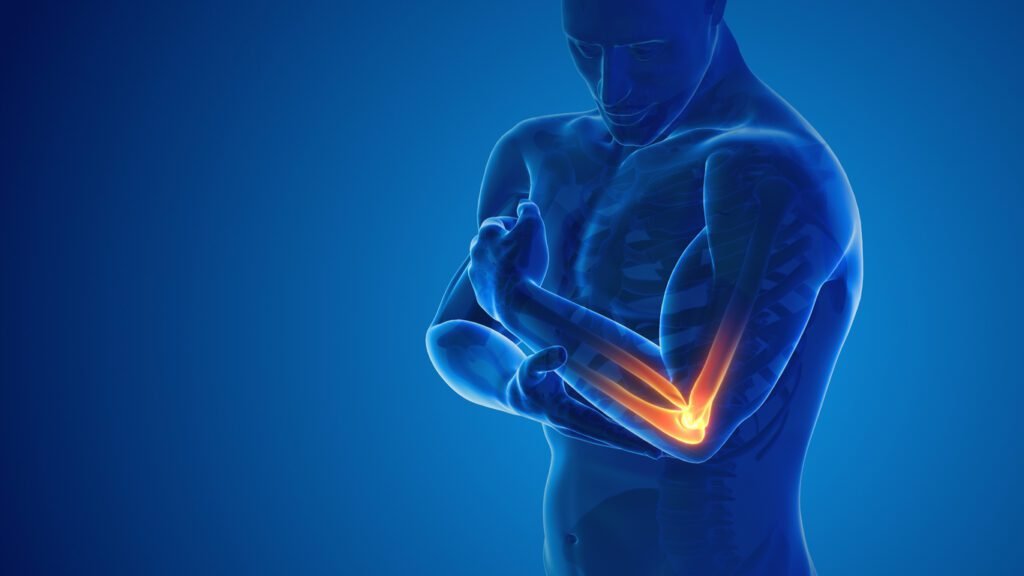
Typical pattern Activity-related pain and weakness
Outer elbow pain associated with tennis elbow Outer Elbow Pain
01
Primary pain zone Lateral Epicondyle and Forearm

Pain often begins directly over the outer elbow before travelling along the upper forearm.

Gradual onset Worse with gripping
01

Outer Elbow Pain

A dull ache or burning sensation over the bony prominence on the outside of the elbow, usually worsening with activity.

02

Forearm Pain on Gripping

Pain radiating down the forearm when gripping objects, shaking hands, or turning a door handle.

03

Weak Grip Strength

Difficulty holding cups, tools, or a racket, with weakness worsening through the day or during repetitive use.

04

Pain on Wrist Extension

Pain triggered by extending the wrist against resistance, a hallmark sign used during clinical diagnosis.

05 Morning symptom

Morning Stiffness

Stiffness and aching on waking that eases with gentle movement but often returns once repetitive activity resumes.

WHY THE TENDON BECOMES OVERLOADED

Causes and Risk Factors

Tennis elbow usually develops when repetitive wrist and forearm loading exceeds the tendon's ability to recover.

01

Common Causes

  • Repetitive wrist extension under loadCommon in plumbing, carpentry, painting, and other manual trades.
  • Racket sports with poor backhand techniqueThe leading sports related trigger, particularly in recreational players.
  • Keyboard and mouse overuseSustained forearm extension is increasingly common in Dubai's professional population.
  • Prolonged grippingRepeated use of tools, scissors, or cooking equipment without adequate rest.
  • Sudden increase in activity loadReturning to sport too quickly or dramatically increasing training volume.
02

Risk Factors

Age 30 to 60Peak incidence as tendon repair capacity begins to slow.
Dominant ArmThe dominant arm is involved in approximately 75% of cases.
OccupationManual trades and repetitive keyboard work carry higher risk.
SmokingCan impair tendon blood supply and repair capacity.
Previous InjuryPrior trauma to the outer elbow increases susceptibility.
CLINICAL EXAMINATION AND IMAGING

How Tennis Elbow Is Diagnosed

Dr. Usama diagnoses tennis elbow through a focused clinical examination, using imaging to confirm severity, identify partial tears, or rule out other elbow pathology.

Clinical Examination Functional Testing Targeted Imaging
Interactive diagnostic pathway Focused Elbow Assessment
Current stage 01 / 05
What it assesses

Point tenderness, grip strength, and range of motion

Dr. Usama palpates the lateral epicondyle to locate the exact pain point, then assesses grip strength and elbow movement to establish the functional impact.

Clinical insight Clinical diagnosis begins with the movement that reproduces your pain.
KNOW WHEN SELF CARE IS NOT ENOUGH

When Should You See a Doctor?

Many cases improve with early activity modification. Persistent weakness, night pain, neurological symptoms, or severe restriction require specialist assessment.

Assessment

Book an Appointment If

  • Pain persists beyond 6 weeks despite rest and over the counter anti inflammatory medication.
  • Grip strength is reduced enough to affect opening jars, carrying bags, or holding tools.
  • Pain wakes you at night, which may indicate a structural tear.
  • Numbness or tingling travels from the elbow into the hand.
  • Pain began suddenly after a specific incident rather than gradually.
  • There is swelling, bruising, or visible deformity around the elbow.
Urgent Review

Do Not Wait If

  • You cannot flex or extend the elbow more than 30 degrees.
  • Pain is severe, constant, and not relieved by any position.
  • You have received repeated cortisone injections with no lasting improvement.
Arrange a Same Day Dubai Assessment
A STAGED, EVIDENCE BASED PATHWAY

Tennis Elbow Treatment Options in Dubai

Dr. Usama starts with the least invasive option appropriate for the stage and severity of the tendon problem, then progresses only when recovery milestones are not achieved.

Treatment approach Least invasive treatment first
Stage 01
First-line treatment

Conservative Management

The initial phase reduces repetitive tendon overload while restoring strength through a structured rehabilitation plan.

Typical phase First 6–12 weeks
01

Activity Modification

Identify and remove the repetitive movement driving tendon overload.

02

Counterforce Brace

Worn below the elbow to reduce stress on the ECRB tendon attachment.

03

Eccentric Physiotherapy

Progressive tendon loading designed to stimulate repair and rebuild tolerance.

04

Flare Control

Ice and NSAIDs may be used for acute symptoms, not as a long-term solution.

05

Ergonomic Review

Workstation, equipment, gripping technique, and manual tasks are reviewed for desk workers and tradespeople.

When conservative care fails

Injection Therapy

Injection treatment is selected according to symptom duration, ultrasound findings, tendon condition, and the patient’s recovery goals.

Biological repair option PRP

Ultrasound-Guided PRP

Uses concentrated growth factors from your own blood to support genuine tendon repair.

Guided by diagnostic ultrasound
Selective treatment CS

Corticosteroid Injection

Can provide rapid short-term pain relief but does not repair the tendon and is used selectively.

Selected cases DX

Prolotherapy

Uses dextrose injection to stimulate a controlled healing response in selected cases.

Surgery when clinically indicated

Arthroscopic Release

Arthroscopic lateral epicondyle release removes degenerative tendon tissue at the ECRB origin through keyhole technique. Most patients go home the same day, with full recovery taking approximately 4 to 6 months alongside physiotherapy.

Considered after 6 to 12 months when structured non-operative care has not achieved recovery.
Technique Keyhole arthroscopy
Hospital stay Same-day discharge
Full recovery Approximately 4–6 months
TREATMENT TIMELINE

How treatment may progress

Timing varies according to tendon severity, symptom duration, functional requirements, and response to each stage.

01
Weeks 1–6

Rest, Brace and NSAIDs

No procedural risk and widely accessible.

02
Weeks 2–12

Physiotherapy and Eccentric Loading

Addresses the root cause through tendon loading.

Tissue repair
03
From week 6

Ultrasound-Guided PRP

Supports genuine tissue repair and longer-term outcomes.

04
From week 6, selective

Corticosteroid Injection

Rapid short-term pain relief.

05
Month 6–12

Arthroscopic Lateral Release

More than 90% success when correctly indicated.

EVIDENCE BASED REHABILITATION

Tennis Elbow Exercises

Begin only after acute pain has settled. These exercises should complement a professional physiotherapy assessment and should not be pushed through sharp or worsening pain.

Recommended approach Slow, controlled and pain-limited movement
Primary Exercise

Eccentric Wrist Extension

Use the other hand to lift the wrist, then lower slowly with the affected forearm over 3 to 5 seconds.

Exercise dosage 3 sets of 15, once daily
02

Wrist Extensor Stretch

Extend the arm with the palm down and gently bend the wrist until a stretch is felt along the forearm.

Dosage Hold 30 seconds, 3 repetitions
03

Towel Twist

Hold a rolled towel with both hands and twist in opposite directions as if wringing out water.

Dosage 10 each direction, 3 sets
04

Pronation and Supination

Hold a light hammer at the handle end and rotate slowly from palm up to palm down.

Dosage 3 sets of 15
05

Grip Strengthening

Squeeze a soft rehabilitation ball for 5 seconds and release for 5 seconds once wrist extension pain has reduced.

Dosage 3 sets of 10
WHY EARLY TREATMENT MATTERS

Complications if Tennis Elbow Is Left Untreated

When the activity driving overload is not corrected, the tendon may progress from a manageable early problem to long standing degeneration and functional weakness.

01

Chronic Tendinopathy

The tendon shifts from an early reactive state to structural degeneration, making conservative treatment slower and less predictable.

02

Partial or Full Tendon Rupture

Repeated micro tears, especially after multiple cortisone injections, can weaken the tendon enough to require surgical repair.

03

Compensatory Injury

Working through pain may create secondary strain in the wrist, shoulder, or neck as movement patterns change.

04

Permanent Grip Weakness

Prolonged tendon damage or nerve irritation may leave chronic grip weakness even after pain improves.

05

Nerve Entrapment

Radial tunnel syndrome can develop alongside tennis elbow and requires a separate clinical assessment.

WHY CHOOSE DR. USAMA SALEH

A Conservative First Elbow Treatment Philosophy

Dr. Usama combines fellowship trained orthopedic judgment, ultrasound guided biological treatment, and access to arthroscopic surgery when conservative care has been fully explored.

01

Fellowship Trained Orthopedic Expertise

Advanced training to distinguish tendinopathy from partial tears, nerve involvement, or joint pathology.

02

Surgery Only as a Last Resort

More than 90% of tennis elbow patients improve without surgery through structured conservative and injection management.

03

Ultrasound Guided PRP

PRP is delivered under real time ultrasound guidance for precise placement within the diseased tendon zone.

04

Full Spectrum Treatment

One team manages physiotherapy, brace fitting, PRP, and arthroscopic lateral release when required.

05

Insurance Coordination

Medcare MOSH supports pre authorization coordination across major UAE insurers before treatment begins.

06

23 Years in Dubai and the UAE

High volume experience across tennis elbow, golfer's elbow, stiffness, and nerve entrapment.

Dr. Usama Saleh fellowship trained orthopedic surgeon in Dubai
Evidence first. Surgery only when it is truly needed.
SERVING ATHLETES AND PROFESSIONALS ACROSS DUBAI

Tennis Elbow Treatment Near You

Dubai's tennis and padel courts, CrossFit communities, manual occupations, and desk based professions make lateral epicondylitis a common presentation at Medcare MOSH.

Areas We Serve

JumeirahDowntown DubaiDubai MarinaJBRBusiness BayAl BarshaDIFCDubai Sports CityAcross the UAE

Whether you play tennis in Dubai, train in Business Bay, or work long hours at a keyboard in DIFC, repetitive forearm loading can create the same tendon problem.

Frequently asked questions

Need something cleared up? Here are our most frequently asked questions.

Take control of your health, mobility, and quality of life.

Your First Step Toward a Stronger Tomorrow Starts Now:

Book your personal consultation with Dr. Usama Saleh today and begin your journey to a better you.

Contact Form dr

Powered by ICONCLY Medical.

Copyright © 2026. All rights reserved.

Patient Connection Hub Assess your pain