Patellar Tendonitis (Jumper's Knee) Treatment in Dubai | Dr. Usama Saleh
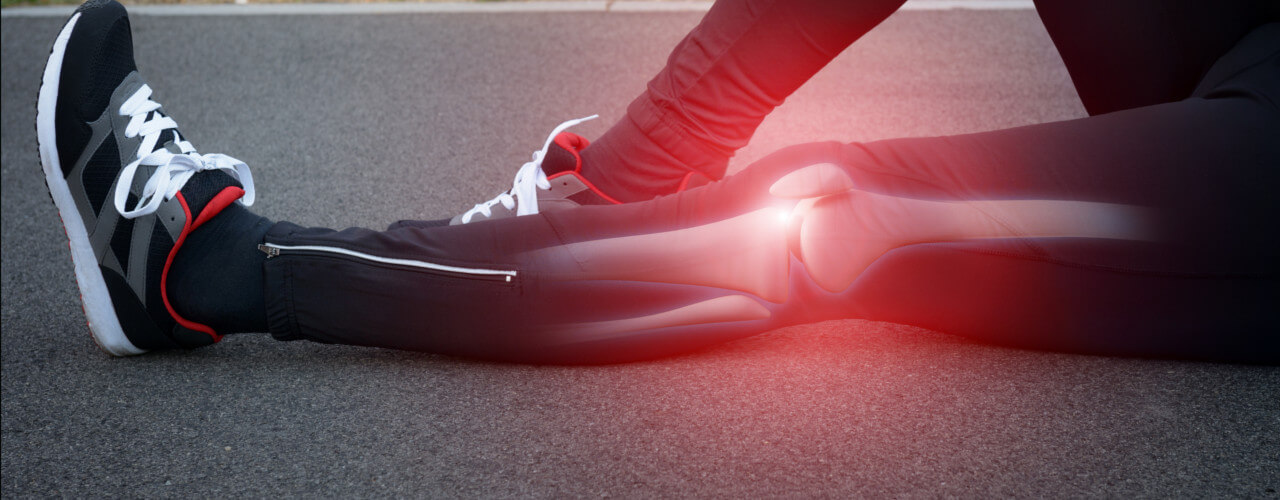
That pain just below your kneecap. Sharp when you land from a jump. Nagging through every squat. Lingering into the next morning after a hard session. Patellar tendonitis, also known as jumper's knee, is one of the most common overuse injuries in Dubai's active sporting community and one of the most frequently undertreated.
Medically Authored and Reviewed By
Dr. Usama Hassan Saleh
MD, PhD, MRCS (UK) | Egyptian Board Certified | Arab Board Certified
Orthopedic Surgery, Canada.
Clinical experience across sports knee injuries and tendon conditions.
Assessment and treatment pathways include structured loading, ESWT and PRP injection therapy.
Orthopaedics and Spine Hospital, Sheikh Zayed Road.
23 years of sports orthopedic practice in Dubai and the UAE. Specialist in tendon conditions, sports knee injuries, ESWT, and PRP injection therapy.
What Is Patellar Tendonitis (Jumper's Knee)?

Where load meets the patellar tendon
The patellar tendon connects the patella (kneecap) to the tibia (shinbone), forming the lower part of the quadriceps extensor mechanism that drives knee extension for running, jumping, squatting, and kicking. Every jump, sprint, and change of direction loads this tendon with forces several times body weight. Patellar tendonitis (or more accurately, patellar tendinopathy in chronic presentations) is a painful condition caused by cumulative microtrauma from repetitive eccentric loading that exceeds the tendon's capacity for repair.
Tendinitis
Tendinitis describes acute inflammatory pathology, typically early in the condition's course.
Tendinopathy
Tendinopathy describes the degenerative, collagen-disorganized state of a chronically overloaded tendon where normal tendon structure has not been restored.
Progressive remodeling
The Alfredson eccentric exercise protocol was developed specifically to address this degenerative tendinopathy state by inducing controlled collagen remodeling through progressive eccentric loading.
Jumper's knee gets its name from the sports that cause it most consistently: repeated high-force knee extension against resistance, with jumping the most demanding. In Dubai, this translates directly to the padel courts of JBR and Business Bay, the CrossFit boxes of Al Quoz and DIFC, the basketball courts and football pitches from Jumeirah to Dubai Marina, and the volleyball arenas across the city. The condition affects males more than females and peaks in athletes aged 20-40 training at high volume.
Age 20-40Stages of Patellar Tendonitis: How Severe Is Your Condition?
Patellar tendinopathy is staged using a combination of the Victorian Institute of Sport Assessment (VISA-P) questionnaire score and clinical presentation. Your stage determines your treatment pathway:
Stage 1: Pain After Activity Only
Pain and stiffness below the kneecap appears after training and settles within 24 hours. A VISA-P score typically above 70/100. The tendon is reactive but structurally intact. Most athletes at Stage 1 can continue training with appropriate load reduction and an eccentric loading program. Best prognosis of all stages.
Stage 2: Pain During and After Activity
Pain is present during sports but does not prevent participation. Worsens performance and persists after activity. A VISA-P score is typically 50-70/100. An 8-12 week eccentric loading program combined with load management is first-line. Shockwave therapy and PRP may be added for faster recovery.
Stage 3: Pain Limiting Performance
Pain during sports that limits performance: the athlete cannot train at full capacity. A VISA-P score typically is below 50/100. Significant tendon degeneration present. 3-6 months of rehabilitation combining eccentric loading with PRP injection and shockwave therapy are required. A small number of Stage 3 patients require arthroscopic debridement if conservative management at 6 months is inadequate.
Stage 4: Complete Patellar Tendon Rupture
Complete disruption of the patellar tendon: sudden severe pain during activity, inability to extend the knee, and a palpable defect below the kneecap. A surgical emergency requiring prompt repair. Recovery: 6-12 months. Prevention of Stage 4 through appropriate Stage 1-3 management is the primary clinical goal.
Symptoms of Patellar Tendonitis: What Does Jumper's Knee Feel Like?
The pattern is usually highly localized below the kneecap and linked to quadriceps-loading activities.
Pain at the inferior pole of the patella
the hallmark location of patellar tendonitis. Localized tenderness directly below the kneecap at the tendon's bone attachment easily reproduced on direct palpation. Distinct from the more diffuse pain of patellofemoral pain syndrome.
Activity-dependent pain pattern
worse with quadriceps-loading activities including jumping, landing, squatting, stair climbing, and running. In early stages, pain is present only after activity. In moderate-to-severe stages, pain occurs during activity and limits performance.
Morning stiffness and post-sitting stiffness
a characteristic morning ache below the kneecap that typically warms up within 5-10 minutes of activity. The cinema sign pain and stiffness after prolonged sitting are commonly reported.
Tenderness on palpation
direct pressure on the inferior patellar pole produces localized pain. The Royal London Hospital Test assesses whether tenderness is more pronounced with the knee extended versus relaxed.
Tendon thickening
in chronic cases, the patellar tendon appears visibly thicker and feels less pliable than normal, reflecting tendon degeneration rather than acute inflammation.
What Causes Patellar Tendonitis? Causes and Risk Factors
Patellar tendonitis is fundamentally an overuse injury caused by repetitive eccentric loading of the quadriceps-patellar tendon unit that exceeds the tendon's repair capacity. The patellar tendon absorbs forces of 3-7 times body weight during jumping and landing. When training volume, intensity, or surface hardness increases faster than the tendon can adapt, cumulative microtrauma accumulates.

Explosive court loading
explosive, repetitive court movements and frequent lateral lunging create continuous high-demand eccentric knee loading. Dubai's padel culture has produced a significant rise in patellar tendinopathy presentations, particularly in players training more than 10 hours per week.

High-load squats and jumps
box jumps, clean and jerk movements, depth jumps, and high-volume squatting create extreme patellar tendon loads. CrossFit athletes in Dubai's Al Quoz and DIFC training communities are particularly high-risk due to competitive training volume expectations.

Maximum vertical repetition
both sports involve maximum vertical jumping at high frequency, the original definition of jumper's knee. Year-round indoor sport participation in Dubai creates sustained high-volume tendon loading with limited recovery periods.

Acceleration and deceleration
sprint acceleration and deceleration apply significant eccentric loading to the patellar tendon with every stride. Long-distance running, particularly on hard surfaces, compounds cumulative tendon load over high training volumes.
Key Risk Factors
Training volume spikes: increasing weekly load more than 10% per week. Hard playing surfaces: concrete courts and artificial turf. Tight quadriceps and hamstrings are reducing shock absorption. Weak hip abductors creating altered lower limb mechanics. Male sex (2x more prevalent than in females). Age 20-40. High BMI. Previous patellar tendon injury.
How Dr. Usama Diagnoses Patellar Tendonitis in Dubai
Diagnosis begins with a detailed training history: sport type, weekly training volume, recent load spikes, playing surface changes, and onset pattern. Physical examination includes the Royal London Hospital test (palpation at the inferior patellar pole with knee relaxed and extended), VISA-P questionnaire for severity scoring, and assessment of quadriceps and hamstring flexibility and hip abductor strength as modifiable contributing factors.
Ultrasound
Findings: hypoechoic lesion within the tendon (collagen disorganization), tendon thickening above 4 mm at the inferior patellar pole, and neovascularization on Doppler (marker of chronic degenerative tendinopathy). Also guides PRP injection precision.
Complete diagnostic imaging reference
Ultrasound
Primary imaging tool. Findings: hypoechoic lesion within the tendon (collagen disorganization), tendon thickening above 4 mm at the inferior patellar pole, and neovascularization on Doppler (marker of chronic degenerative tendinopathy). Also guides PRP injection precision.
MRI
Used where partial tendon tear is suspected, where surgical debridement is being planned, or where ultrasound findings do not correlate with clinical severity. Identifies insertional versus mid-tendon pathology.
X-ray
Excludes Sinding-Larsen-Johansson disease in adolescents, patellar stress fracture, and patella alignment abnormalities. Typically normal in isolated patellar tendinopathy.
VISA-P Score
Validated questionnaire scoring functional capacity from 0 to 100. Guides staging, treatment selection, and return-to-sport criteria. Tracked at each appointment to measure progress objectively.
Treatment Options for Patellar Tendonitis in Dubai
Treatment is stage-guided and load-guided. The majority of patellar tendinopathy cases resolve without surgery with appropriate conservative management.
Eccentric loading program
The Alfredson decline squat protocol uses a 25-degree decline board to specifically load the patellar tendon eccentrically, stimulating collagen remodeling. 3 sets of 15 decline squats twice daily, performed through acceptable pain (up to 3-4/10 VAS). 60-70% resolution rate in reactive tendinopathy over 6-12 weeks.
Load management + strap
Reducing total weekly tendon load by 20-30% by substituting high-impact for low-impact activities. Complete rest weakens the tendon further. A patellar tendon strap may redistribute tendon stress during activity as an adjunct.
ESWT + PRP
Shockwave therapy uses acoustic energy to stimulate collagen synthesis. PRP uses concentrated growth factors from the patient's own blood injected under ultrasound guidance into the lesion.
Surgical treatment
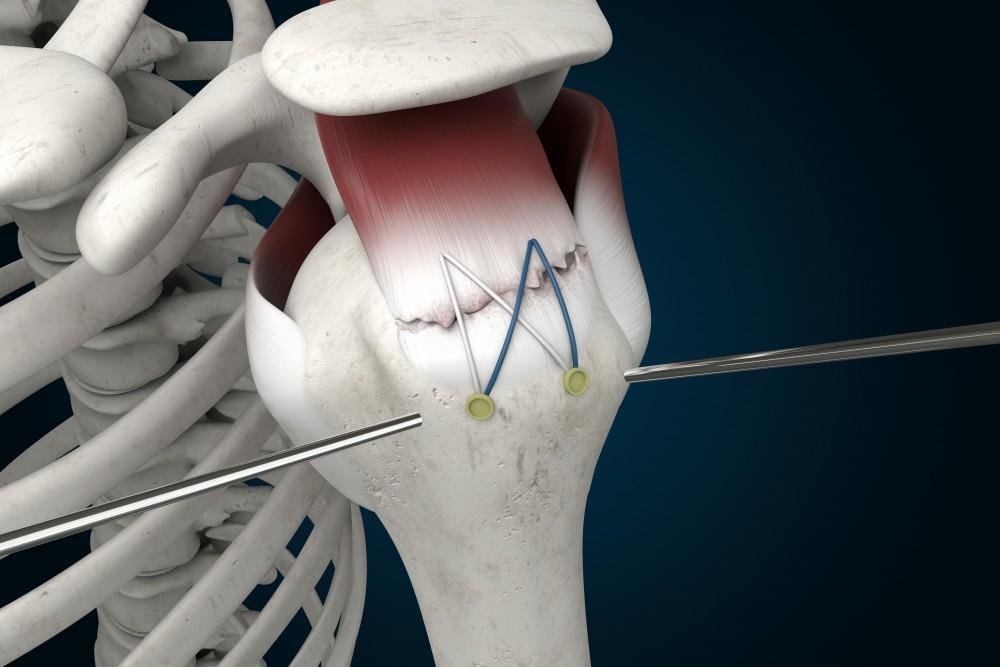
Arthroscopic patellar tendon debridement is reserved for refractory Stage 3 after a minimum 6-month structured rehabilitation program. Complete Stage 4 rupture requires prompt surgical repair.
Adjunct and surgical thresholds
Shockwave therapy: 3-5 sessions over 3-5 weeks, most effective for chronic Stage 2-3 presentations. PRP injection therapy is combined with eccentric exercise after injection for optimal outcomes. Arthroscopic patellar tendon debridement is appropriate for fewer than 10% of patellar tendinopathy patients. Outcomes after complete rupture are better when repair is performed promptly and worse when delayed beyond 2-3 weeks.
Complete treatment detail
Conservative Management (All Stages, First-Line)
Eccentric loading program (Alfredson protocol): the gold standard first-line treatment. The Alfredson decline squat protocol uses a 25-degree decline board to specifically load the patellar tendon eccentrically, stimulating collagen remodeling. 3 sets of 15 decline squats twice daily, performed through acceptable pain (up to 3-4/10 VAS). 60-70% resolution rate in reactive tendinopathy over 6-12 weeks. See: Sports Physical Therapy and Rehabilitation.
Load management: reducing total weekly tendon load by 20-30% by substituting high-impact for low-impact activities (e.g., cycling, swimming). Complete rest weakens the tendon further; structured progressive loading, not rest, is the correct principle.
Patellar tendon strap: redistributes tendon stress during activity and provides symptomatic relief, allowing higher quality rehabilitation sessions. Used as an adjunct to loading programs, not as a standalone treatment.
Adjunct Treatments (Stages 2-3 or Not Responding to Exercise Alone)
Shockwave therapy (ESWT): Extracorporeal shockwave therapy delivers acoustic energy pulses to the patellar tendon, disrupting pathological neovascularization and stimulating collagen synthesis. 3-5 sessions over 3-5 weeks. 70-80% improvement in chronic tendinopathy at 3 months in clinical studies. Most effective for chronic Stage 2-3 presentations. See: Treatment Steps section below.
PRP injection therapy: concentrated growth factors from the patient's own blood injected under ultrasound guidance directly into the hypoechoic lesion. 75-85% improvement at 6 months in recent meta-analyses. Combined with eccentric exercise after injection for optimal outcomes. See: Biological Repair.
Surgical Treatment (Refractory Stage 3 Only)
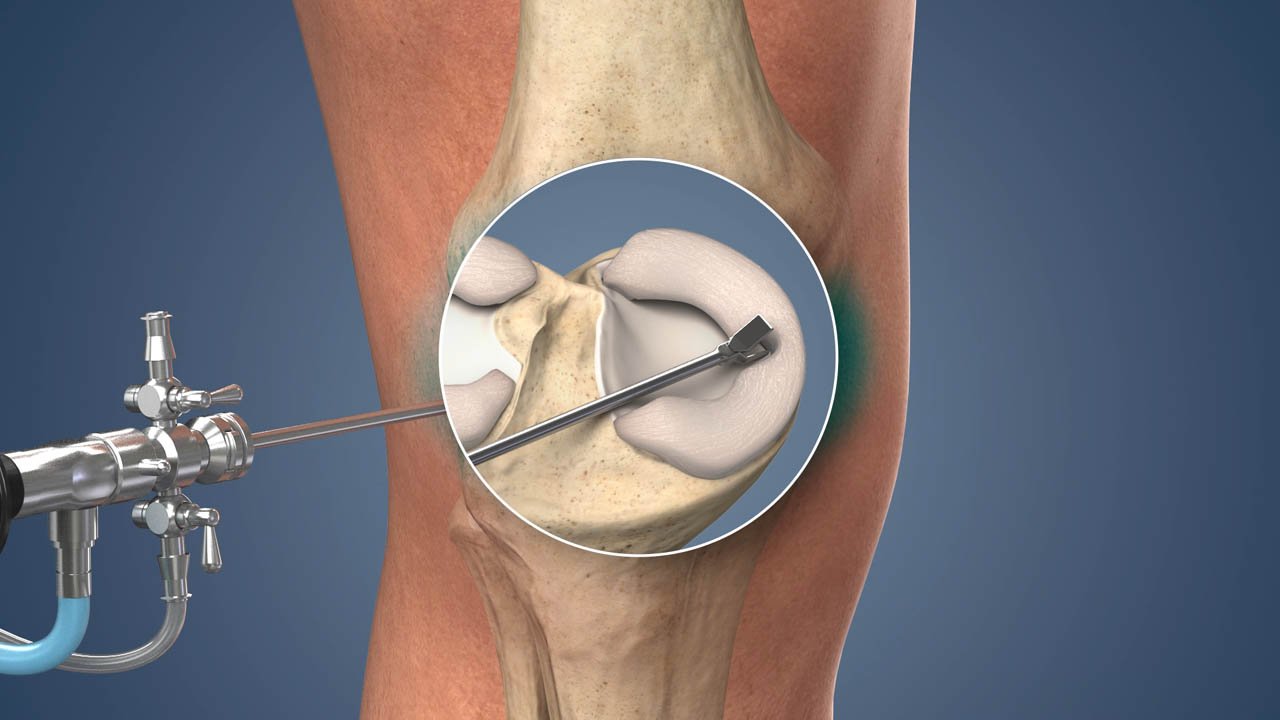
Arthroscopic patellar tendon debridement: for patients who have completed a minimum 6-month structured rehabilitation program without adequate improvement. The degenerative tendon tissue and pathological neovascular tissue are removed arthroscopically, and the inferior patellar pole is drilled to stimulate a healing response. Recovery to full sport: 4-6 months. Appropriate for fewer than 10% of patellar tendinopathy patients.
Patellar tendon repair (Stage 4 rupture): emergency surgical repair of complete patellar tendon rupture. Outcomes are good when repaired promptly but significantly worse when repair is delayed beyond 2-3 weeks.
When Should You See a Doctor for Patellar Tendonitis in Dubai?
Early assessment for patellar tendonitis matters because stage determines outcome. A Stage 1 patient managed early with a structured loading program has a very different prognosis from a Stage 3 patient who trained through significant pain for a year before seeking assessment. The window for conservative management to prevent tendon degeneration is widest at the earliest stages.
Seek Emergency Assessment If
You experience sudden severe pain below the kneecap during sport, hear or feel a pop, and find you cannot straighten your knee against resistance.
- This indicates a patellar tendon rupture.
- A surgical emergency requiring repair within 2-3 weeks for optimal outcomes.
- Do not delay.
Seek Urgent Assessment
Within 1 week if patellar tendon pain has persisted for more than 2-3 weeks and is not settling with rest and activity reduction.
- Early-stage tendinopathy responds best to structured management.
- Pain now present during sport is a warning that recovery between sessions is failing.
Book a Consultation If
You have been managing patellar tendon pain with rest and over-the-counter anti-inflammatories for more than 4 weeks without adequate improvement.
- Training volume or performance is meaningfully limited.
- Accurate diagnosis and loading guidance can speed return to sport.
- Same-day consultation, ultrasound assessment, and VISA-P staging are available at Medcare MOSH.
Complete clinical guidance
Seek Emergency Assessment If:
You experience sudden severe pain below the kneecap during sport, hear or feel a pop, and find you cannot straighten your knee against resistance. This indicates a patellar tendon rupture, a surgical emergency requiring repair within 2-3 weeks for optimal outcomes. Do not delay.
Seek Urgent Assessment (Within 1 Week) If:
- Patellar tendon pain has persisted for more than 2-3 weeks and is not settling with rest and activity reduction. Early-stage tendinopathy responds best to structured management started early, before the tendon moves from reactive to degenerative.
- Pain is now present during sport, not just after it. This transition indicates the tendon is failing to recover between sessions and requires a structured management plan.
Book a Consultation If:
- You have been managing patellar tendon pain with rest and over-the-counter anti-inflammatories for more than 4 weeks without adequate improvement. NSAIDs alone do not address underlying tendon degeneration and may mask worsening pathology.
- Your training volume or performance is being meaningfully limited by knee pain below the kneecap. Accurate diagnosis and an appropriate loading program produce significantly faster return to full sport than extended self-managed rest.
- You are searching for a jumper's knee specialist near me in Dubai or a knee tendon pain doctor near me. Dr. Usama at Medcare MOSH on Sheikh Zayed Road provides same-day consultation, ultrasound assessment, and VISA-P staging for Dubai athletes.
Exercises for Patellar Tendonitis: The Correct Approach to Tendon Loading
Decline board squats (Alfredson protocol)
stand on a 25-degree decline board, feet shoulder-width apart. Lower slowly through knee flexion to 60 degrees over 3-4 seconds (eccentric phase), then use the unaffected leg to return to standing. 3 sets of 15 repetitions, twice daily. The gold standard exercise for patellar tendinopathy, generating specific eccentric loading at the inferior patellar pole.
Exercises to Avoid During Active Patellar Tendinopathy
Complete exercise protocol
Eccentric Loading Exercises (Primary Treatment)
1. Decline board squats (Alfredson protocol): stand on a 25-degree decline board, feet shoulder-width apart. Lower slowly through knee flexion to 60 degrees over 3-4 seconds (eccentric phase), then use the unaffected leg to return to standing. 3 sets of 15 repetitions, twice daily. The gold standard exercise for patellar tendinopathy, generating specific eccentric loading at the inferior patellar pole.
2. Single-leg decline squat: same as above but performed on one leg. Progressed to a one-double-leg version that is tolerated through a full 3 sets of 15. Significantly higher tendon load. Begin only when the bilateral version is well-tolerated.
3. Slow eccentric leg press: use both legs to push to full extension on a leg press machine, then lower under single-leg control over 4-6 seconds. 3 sets of 12-15 repetitions. An alternative for patients who cannot tolerate the declined board position.
Isometric Holds (For Acute Pain Reduction)
4. Wall sit at 70-80 degrees knee flexion: maintain a static wall sit position for 45 seconds, rest 2 minutes, and repeat 5 times. Isometric quadriceps loading at this angle reduces tendon pain for up to 45 minutes post-exercise. Useful for athletes needing to train the same day. Does not replace eccentric loading as a long-term treatment.
5. Spanish squat: stand with a resistance band looped around a post at hip height, lean back into the band, and squat to thigh-parallel. Hold for 30-45 seconds, 5 repetitions. Similar isometric loading principle to a wall sit.
Exercises to Avoid During Active Patellar Tendinopathy
Explosive jumping and plyometrics: box jumps, depth jumps, jump squats during the early rehabilitation phase. These create impulsive tendon loads exceeding current tendon capacity. Plyometrics are reintroduced only in the final return-to-sport phase.
Full-depth squats and lunges through pain: deep knee flexion maximizes tendon load at the inferior patellar pole. Reduce depth or stop if pain exceeds 4/10. Decline squats are performed to 60 degrees maximum.
Aggressive quadriceps stretching in the acute phase: heel-to-buttock standing quad stretch places direct compressive load on the inferior patellar pole and typically worsens symptoms. Quadriceps flexibility work is deferred to Phase 3 of rehabilitation.
What Happens if Patellar Tendonitis Is Left Untreated?
Patellar tendinopathy left unmanaged does not resolve with time alone. Without appropriate load management and structured rehabilitation, the tendon progresses predictably from reactive to degenerative to ruptured:
Recovery capacity exceeded
Repeated loading continues before the tendon has recovered.
Collagen architecture changes
Disorganization and neovascular ingrowth increase.
Structural reserve falls
Performance drops and pain becomes more persistent.
Complete tendon disruption
Emergency surgery and 6-12 months rehabilitation may follow.
Tendon degeneration
a reactive tendon repeatedly loaded without recovery produces progressive collagen disorganization, neovascular ingrowth, and loss of normal tendon architecture. This degenerative state is significantly harder to treat than reactive tendinitis, requiring months of structured rehabilitation rather than weeks.
Partial and complete patellar tendon rupture
the most serious consequence of untreated tendinopathy. A degenerative, structurally compromised tendon can rupture during a seemingly normal loading event. Patellar tendon rupture requires emergency surgical repair followed by 6-12 months of rehabilitation and may not restore full pre-injury performance even with optimal management.
Career and training impact
chronic unmanaged tendinopathy forces athletes into extended, reduced training periods, affecting fitness, performance, and, for competitive athletes, competitive careers.
Chronic pain sensitization
prolonged tendon pain activates central sensitization pathways that amplify pain signals. Athletes with long-standing unmanaged tendinopathy report higher pain levels for the same tendon load than athletes whose condition was managed at earlier stages.
Complete complication detail
Tendon degeneration
a reactive tendon repeatedly loaded without recovery produces progressive collagen disorganization, neovascular ingrowth, and loss of normal tendon architecture. This degenerative state is significantly harder to treat than reactive tendinitis, requiring months of structured rehabilitation rather than weeks.
Partial and complete patellar tendon rupture
the most serious consequence of untreated tendinopathy. A degenerative, structurally compromised tendon can rupture during a seemingly normal loading event. Patellar tendon rupture requires emergency surgical repair followed by 6-12 months of rehabilitation and may not restore full pre-injury performance even with optimal management. Athletes who continue high-load sport through Stage 3 symptoms carry a significantly elevated rupture risk.
Career and training impact
chronic unmanaged tendinopathy forces athletes into extended, reduced training periods, affecting fitness, performance, and, for competitive athletes, competitive careers. Athletes in Dubai's padel, CrossFit, basketball, and football communities frequently train through Stage 2-3 pain until it becomes Stage 3-4 because they delay assessment consistently, producing worse outcomes than early management.
Chronic pain sensitization
prolonged tendon pain activates central sensitization pathways that amplify pain signals. Athletes with long-standing unmanaged tendinopathy report higher pain levels for the same tendon load than athletes whose condition was managed at earlier stages.
Preparing for Your Patellar Tendonitis Assessment and Treatment in Dubai
A clear preparation pathway helps the consultation, injection, shockwave course, or surgery proceed with fewer avoidable delays.
Current training and previous treatment
Bring the following: current training volume and schedule (if available), a description of the pain pattern including what activities worsen it and how long it lasts, any previous physiotherapy or treatment received, current medications, and any ultrasound or MRI reports from previous assessments.
NSAID planning
Avoid NSAIDs (ibuprofen, naproxen, and diclofenac) for 5-7 days before shockwave therapy sessions. NSAIDs reduce the inflammatory response that shockwave therapy relies on for its mechanism of action. Expect mild post-treatment tendon soreness for 24-48 hours.
Protect platelet function
Avoid NSAIDs for 7 days before PRP injection. NSAIDs impair platelet function and reduce PRP efficacy. Avoid corticosteroids for 4 weeks before PRP. Plan for 48-72 hours of post-injection soreness as the inflammatory response is activated.
Pre-operative assessment
Standard pre-operative assessment: blood tests, medical clearance, and anaesthesia review. Smoking cessation 4 weeks before surgery. Complete a pre-operative eccentric loading program if time allows.
How Shockwave Therapy Is Performed for Patellar Tendonitis: Step by Step
A structured ESWT pathway from ultrasound target selection through treatment delivery and the immediate post-treatment loading plan.
Assessment and protocol selection
Dr. Usama confirms the target tendon on ultrasound, identifies the hypoechoic lesion and neovascular zone to target, and selects the shockwave energy level and frequency based on tendon condition and patient tolerance.
Patient positioning
The patient sits or lies with the knee in 30-45 degrees of flexion. The inferior patellar pole and tendon are marked. Ultrasound gel is applied to the treatment area for acoustic coupling.
Shockwave delivery
the applicator is applied to the patellar tendon at the inferior patellar pole. 2,000-2,500 shockwave pulses are delivered at 0.08-0.25 mJ/mm energy density. The treatment area is systematically covered, concentrating on the lesion zone identified on ultrasound. Sensation ranging from mild pressure to moderate discomfort is expected and indicates correct placement on the pathological zone.
Post-treatment protocol
gel removed, area assessed. Avoid NSAIDs for 48 hours post-treatment. Mild soreness in the treated tendon for 24-48 hours is normal and expected. Avoid high-impact activity for 24-48 hours. Resume the eccentric loading program the day after treatment.
Recovery and Return to Sport After Patellar Tendonitis Treatment in Dubai
Recovery depends on the stage of tendinopathy and the treatment pathway. Select a pathway below to compare realistic recovery horizons and return-to-sport milestones.
6-12 weeks
6-12 weeks structured eccentric loading. Return to full sport when the VISA-P score is above 80 and sport-specific loading is tolerated without symptom recurrence.
VISA-P score above 80/100. Single-leg decline squat pain-free through full protocol. Sport-specific loading test passed. Training at 100% pre-injury volume for 2 consecutive weeks without symptom recurrence.
+ View all recovery pathways
Reactive tendinopathy
6-12 weeks structured eccentric loading. Return to full sport when the VISA-P score is above 80 and sport-specific loading is tolerated without symptom recurrence.
Degenerative tendinopathy
3-6 months combined rehabilitation (eccentric loading, ESWT, and PRP). Some athletes require a second PRP injection at 3 months if the response is partial.
After ESWT
Continue eccentric loading between sessions. Full benefit at 6-8 weeks from last session. Most patients report progressive improvement over 3 months.
After PRP injection
Eccentric loading resumed at low intensity 2-3 weeks post-injection. Progressive return to sport-specific training at weeks 6-8. Full sport clearance at 3-4 months.
Post-surgical debridement
Return to jogging at 6-8 weeks. Sport-specific training at 3-4 months. Full return to competitive sport at 4-6 months. Physiotherapy mandatory throughout.
Return-to-sport criteria
VISA-P score above 80/100. Single-leg decline squat pain-free through full protocol. Sport-specific loading test passed. Training at 100% pre-injury volume for 2 consecutive weeks without symptom recurrence.
Risks and Expected Outcomes of Patellar Tendonitis Treatment
Meaningful improvement at 3 months
Post-treatment soreness 24-48 hours in 20-30% is expected. Skin bruising at the treatment site is 5-10%. No systemic effects. Rarely, temporary symptom worsening in weeks 1-2.
Improvement in pain and function at 6 months
Post-injection soreness 48-72 hours (expected mechanism of action). Infection risk is less than 1% with sterile technique. Not universally covered by UAE insurance.
Resolution in reactive tendinopathy
with consistent 8-12 week adherence. Outcomes significantly better with pain monitoring and progressive load management.
Return to sport in refractory Stage 3
at 4-6 months. Infection risk less than 1%. Stiffness 5-10% was prevented by early physiotherapy.
Real People. Real Transformations.
I had Achilles tendon surgery earlier this year, and I couldn’t be more grateful for the care I received from Dr. Usama Hassan Saleh and his team. From the first consultation to the post-surgery follow-ups, everything was handled with professionalism, skill, and genuine compassion. The recovery process was smooth thanks to the clear guidance and support provided. I’m now fully recovered and almost back to my regular activities—truly thankful for the excellent care!
Dr. Usama is a great asset to the hospital, i was lucky enough that he did my operation and the amount of care and experience he has is priceless . A big thank as well to nurse Merin for her care, smile and professionalism. I am glads to be a patient for dr. Usama clinic 🙂
Local Guide
I have been using Dr. Usama medical advisory and treatment for over 3 years now for various skeletal and tendon issues I have had and every time I visit I am always being provided with top notch medical guidance, and treatment plans that has been proven most useful and reliable. On the other hand, his patient management and personal involvement are always great to have and very assuring.
I had my meniscus repair surgery with Dr Usama. Alhumdulillah from the get go he was honest and geniune about the whole process and recovery. Today I'm able to walk long distances and lift again with no pain. Hoping to run again soon inshallah.
Dr Usama Saleh is so professional and amazing everything with him went smoothly from before the surgery he prepared me mentally and after the surgery too, I highly recommend him to anybody having ACL or ligament or a shoulder problem now I’m 3 weeks after the surgery and my recovery process is faster because of the way he sitting my mind Thank you dr Usama and Medcare for the special treatment
Dr. Usama is amazing! He fixed my shoulder after spotting an MRI issue others missed, adjusting my physio for great results. He also performed flawless meniscus surgery on my knee, and his post-op care ensured a smooth recovery. When a minor issue arose later, he resolved it instantly. Grateful for his expertise and dedication—highly recommend!
Thank you Dr. Osama Hassan for your care and attention. Happy Eid.
Ma Shaa Allah Expert doctor with humanity manner Appreciate his work
Best doctor I've ever seen, highly recommend. He is very honest which is hard to find nowadays.


Why Choose Dr. Usama Saleh for Patellar Tendonitis Treatment in Dubai?
Trusted by active patients across Dubai and the UAE
Patellar tendinopathy needs accurate staging, smart load management, and the right intervention at the right time. This section highlights why many athletes choose Dr. Usama Saleh for structured, evidence-based care.
Fellowship-Trained Sports Orthopedic Surgeon
Advanced fellowship training at the University of Toronto provided subspecialty expertise in tendon pathology, sports knee injuries, and evidence-based rehabilitation. Fellowship-trained surgeons bring clinical reasoning depth to complex tendon cases that significantly improves diagnostic accuracy and treatment selection.
Accurate VISA-P Staging Before Treatment
Stage 1 reactive tendinopathy and Stage 3 degenerative tendinopathy require completely different treatment approaches and loading parameters. Dr. Usama uses VISA-P scoring and ultrasound characterization to accurately stage every patient before recommending a pathway preventing the common error of applying high-load eccentric exercise to a tendon not yet ready for it.
Ultrasound-Guided PRP for Precise Delivery
PRP injection accuracy is critical for patellar tendinopathy: growth factors must be delivered directly into the hypoechoic lesion within the tendon substance. Dr. Usama uses real-time ultrasound guidance for all patellar tendon PRP injections, ensuring depot placement within the pathological tissue rather than the surrounding normal tendon.
Conservative-First: Surgery Is the Last Resort
Fewer than 10% of patellar tendinopathy patients require surgery. Dr. Usama ensures every patient has completed a genuine structured conservative program (eccentric loading, ESWT, and PRP where indicated) before surgical intervention is considered. This approach preserves tendon tissue and produces equivalent long-term outcomes to surgery in the vast majority of appropriately managed patients.
Full Spectrum of Sports Knee Care at Medcare MOSH
From same-consultation ultrasound staging and VISA-P assessment to ESWT, PRP injection, physiotherapy coordination, and surgical debridement for refractory cases, all at Medcare Orthopaedics and Spine Hospital (MOSH), Sheikh Zayed Road, Dubai. No referral delays between diagnosis, injection, physiotherapy, and surgical teams.
23 Years of Sports Injury Experience in Dubai
Two decades treating Dubai's active sporting community: padel players, CrossFit athletes, basketball and football players, competitive runners, and professional athletes. Dr. Usama's depth of experience with high-volume, high-demand athletes means his treatment protocols are calibrated to the demands of sport, not just pain relief.
Patellar Tendonitis Treatment in Dubai: Serving Athletes Across the UAE
Dubai has become one of the region's most active sporting cities. The padel revolution, CrossFit culture, year-round outdoor football and running conditions, and a competitive basketball and volleyball community all contribute to a high and growing volume of patellar tendinopathy presentations.
The condition is particularly prevalent in Dubai's 25-45 age group: active, professionally employed, training at high volume, often on hard court surfaces, and frequently trying to train through early symptoms rather than seeking assessment.
Dr. Usama sees patellar tendinopathy patients from across Dubai: from JBR and Dubai Marina (padel and cycling communities), Al Quoz and DIFC (CrossFit and gym training), and Jumeirah and Al Barsha (family sport and recreational athletes) to Downtown and Business Bay.
Patients also travel from Abu Dhabi, Ajman, and across the UAE for Dr. Usama's sports knee expertise. Whether you are searching for a jumper's knee specialist near me in Dubai or a patellar tendonitis treatment clinic near you, Medcare MOSH on Sheikh Zayed Road provides same-day consultation staging and treatment planning.
(MOSH)
Dubai, UAE
Frequently asked questions
Need something cleared up? Here are our most frequently asked questions.
Jumper's knee, also known as patellar tendonitis or patellar tendinopathy, is a painful overuse condition affecting the patellar tendon connecting the kneecap (patella) to the shinbone (tibia). It is caused by repetitive eccentric loading exceeding the tendon's repair capacity, creating cumulative microtrauma and collagen disorganization within the tendon substance. Most common in athletes aged 20-40 who participate in sports requiring frequent jumping, sprinting, or rapid direction changes, including padel, basketball, volleyball, CrossFit, football, and running. The hallmark symptom is localized pain at the inferior pole of the patella, directly below the kneecap, worsening with loading activities. If you are searching for patellar tendonitis treatment near me in Dubai, Dr. Usama at Medcare MOSH provides specialist sports knee care from Sheikh Zayed Road.
Healing time depends on stage and severity. Stage 1-2 (reactive tendinopathy): 6-12 weeks of structured eccentric loading typically produces full or near-full resolution. Stage 3 (degenerative tendinopathy): 3-6 months with a combination of eccentric loading, shockwave therapy, and PRP injection. Post-surgical debridement: 4-6 months to return to sport. Dr. Usama uses VISA-P scoring and progressive loading criteria rather than calendar dates to determine actual return-to-sport clearance. Attempting to rush a return to sport before the tendon is ready is the most common cause of relapse.
Yes the great majority of patellar tendinopathy cases, including moderate stage 3 presentations, resolve without surgery with appropriate conservative management. The Alfredson eccentric loading protocol (decline board squats) is the gold standard non-surgical treatment with a 60-70% resolution rate in reactive tendinopathy. Shockwave therapy achieves 70-80% improvement rates in chronic tendinopathy. PRP injection produces 75-85% improvement at 6 months. Arthroscopic debridement is reserved for patients who have genuinely completed 6 months of structured conservative management without adequate improvement, fewer than 10% of patients.
The hallmark symptom is localized pain at the inferior pole of the patella, directly below the kneecap at the patellar tendon bone attachment. This pain is worse with quadriceps loading activities (jumping, landing, squatting, stair climbing, running); present after activity in early stages and during activity in later stages; accompanied by morning stiffness and post-sitting stiffness (the cinema sign); and reproducible on direct palpation of the inferior patellar pole. The tendon may appear thickened in chronic cases. Distinguishing patellar tendonitis (pain below the kneecap) from patellofemoral pain syndrome (pain behind the kneecap) requires clinical examination.
Activities and factors that worsen patellar tendonitis: explosive jumping and landing sports (highest tendon load); sudden increases in training volume or intensity (more than 10% per week); training on hard surfaces (concrete courts, artificial turf); deep squatting and lunging through pain; aggressive standing quadriceps stretching (compresses the inferior patellar pole); complete rest without a structured loading program (weakens the tendon further); and continuing high-load sport through worsening symptoms without management.
Yes, shockwave therapy (ESWT) is one of the most evidence-supported adjunct treatments for chronic patellar tendinopathy. 70-80% improvement at 3 months in patients who had not responded to conservative management alone. ESWT works by delivering acoustic energy pulses to the pathological tendon, disrupting neovascularization, stimulating collagen synthesis, and reducing pain via counter-irritation mechanisms. Most effective for Stage 2-3 chronic tendinopathy with ultrasound-confirmed degenerative changes. 3-5 sessions over 3-5 weeks at Medcare MOSH Dubai. No anesthesia, no downtime, same-day return to work.
The fastest evidence-based approach combines the following: (1) Load management: reduce weekly tendon load by 20-30% by switching to low-impact alternatives (cycling, swimming) while starting a tendon loading program. (2) Isometric loading for immediate pain relief: a wall sit at 70-80 degrees of knee flexion for 45 seconds, 5 repetitions, reduces tendon pain for up to 45 minutes. (3) Structured eccentric loading: the Alfredson decline squat protocol twice daily drives collagen remodeling. (4) Professional assessment: accurate staging determines whether shockwave therapy or PRP is indicated as an adjunct, which can significantly accelerate the timeline. There are no shortcuts that bypass tendon biology, but professionally guided structured loading with appropriate adjuncts produces the fastest genuine recovery.
Surgery for patellar tendonitis (arthroscopic debridement) is indicated only for (1) patients who have completed a minimum 6-month structured conservative management program including eccentric loading, shockwave therapy, and PRP injection without adequate improvement. (2) Patients with Stage 4 complete patellar tendon rupture, which is a surgical emergency requiring repair within 2-3 weeks. Fewer than 10% of patients require surgery. The most important factor determining whether surgery is necessary is the quality of conservative management preceding the surgical referral.
Take control of your health, mobility, and quality of life.
Your First Step Toward a Stronger Tomorrow Starts Now:
Book your personal consultation with Dr. Usama Saleh today and begin your journey to a better you.
Thank you — your message was sent.
Related Conditions and Treatments
Knee Treatment Hub
All knee conditions overview.
Biological Repair (PRP)
Regenerative injection options for tendinopathy.
Sports Physical Therapy
Structured tendinopathy loading programs.
Minimally Invasive Sports Surgery
Arthroscopic debridement when conservative management fails.
ACL and Meniscus Tears
Common co-presenting knee conditions in active athletes.
Sports Injuries Hub
Complete sports injury management.
Book Your Patellar Tendonitis Consultation in Dubai
Whether your patellar tendon pain started 2 weeks ago or has been limiting your training for years, Dr. Usama Saleh at Medcare MOSH provides the accurate staging and structured treatment plan that gets you back to full sport faster and more safely than self-managed rest alone.
Ultrasound assessment and VISA-P staging at your first appointment.
Clear diagnosis: stage of tendinopathy, tendon quality on imaging, contributing factors identified.
Personalised treatment plan: eccentric loading protocol, ESWT, PRP, or surgical referral with honest expected outcomes and timelines.
Return-to-sport criteria defined at the start so you know exactly what you are working toward.
Insurance verification and transparent cost information provided before any procedure.
Same-day consultation, ultrasound, and treatment initiation available for Dubai athletes who cannot afford to wait.
erhan