Medial Epicondylitis
Inflammation of the tendons on the inner elbow, where the wrist flexor muscles attach to the bone.
Comprehensive solutions for shoulder conditions and advanced surgical repairs.
Expert care for ligament tears, joint degeneration, and knee reconstruction.
Specialized recovery plans to return athletes to peak performance.
Immediate and reconstructive care for complex bone injuries and trauma.
Expert management for spinal discs, sciatica, and hip impingement.
Advanced regenerative therapies and conservative treatment options.
A deep ache on the inner side of the elbow that flares up when gripping, lifting, or swinging is the hallmark of golfers elbow. Dr. Usama Saleh provides golfers elbow treatment in Dubai with a conservative-first approach, reserving golfers elbow surgery for the cases that genuinely need it.

Find what matters most to you.
Golfers elbow, medically called medial epicondylitis, is inflammation and micro-tearing of the tendons that attach the forearm muscles to the bony bump on the inside of the elbow. Despite the name, it affects far more than golfers: anyone whose wrists and forearms repeatedly flex under load, from weightlifters to tradespeople, can develop it. It's often confused with tennis elbow, which affects the outer elbow instead, so an accurate diagnosis matters before starting golfers elbow treatment.
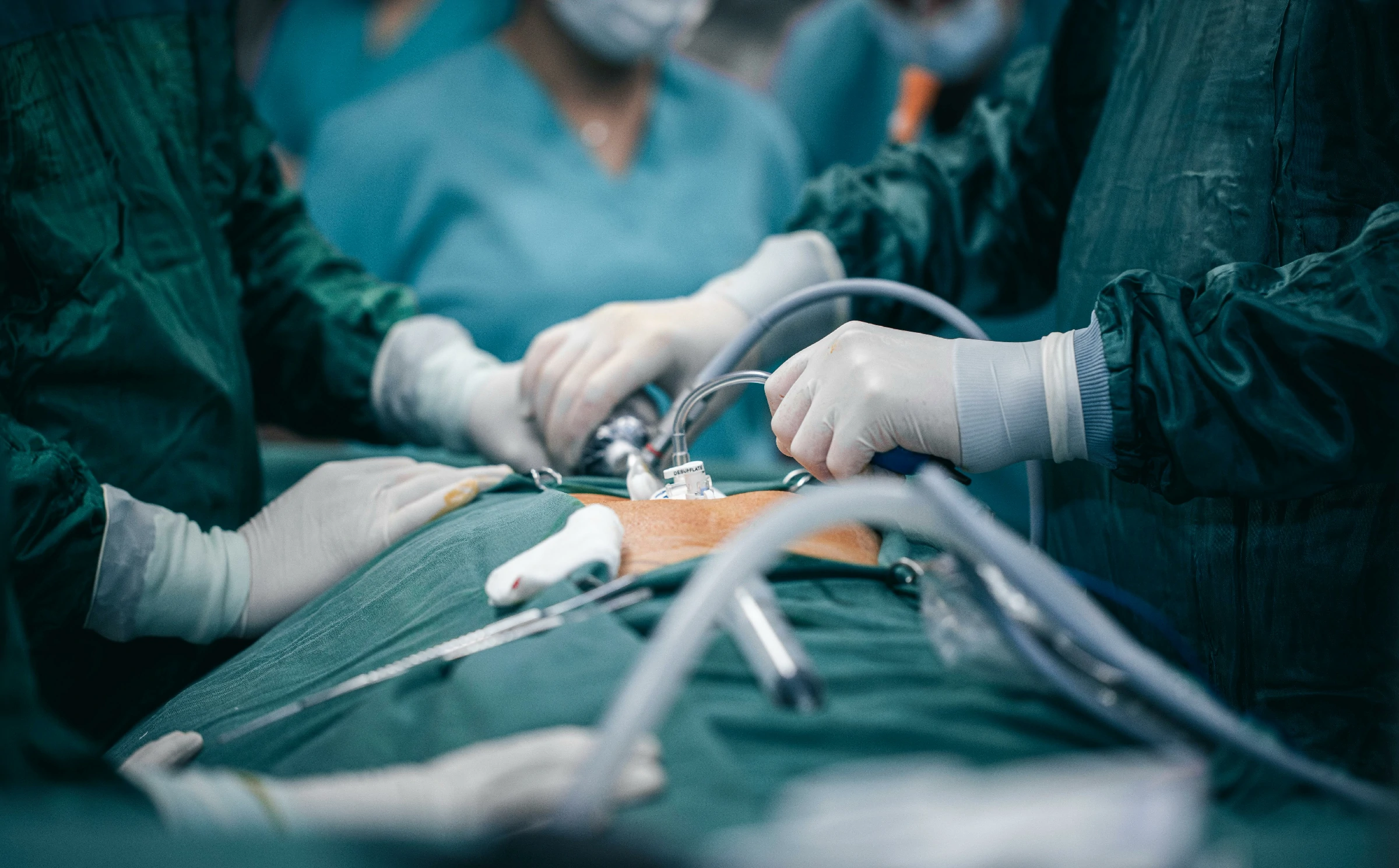
Not every case of inner elbow pain needs a formal workup, but persistent or worsening pain deserves an accurate diagnosis. Golfers elbow surgery is rarely the first step in golfers elbow treatment. The vast majority of cases improve with rest, bracing, and targeted exercises, and surgery becomes a genuine conversation only once that conservative path has been fully explored.
So what does that mean in practice. Effective golfers elbow treatment almost always starts with the simplest intervention that's likely to work, then escalates step by step only if the tendon isn't responding. Patients who start treatment early, before the tendon degeneration becomes chronic, tend to have the shortest and most straightforward recoveries.
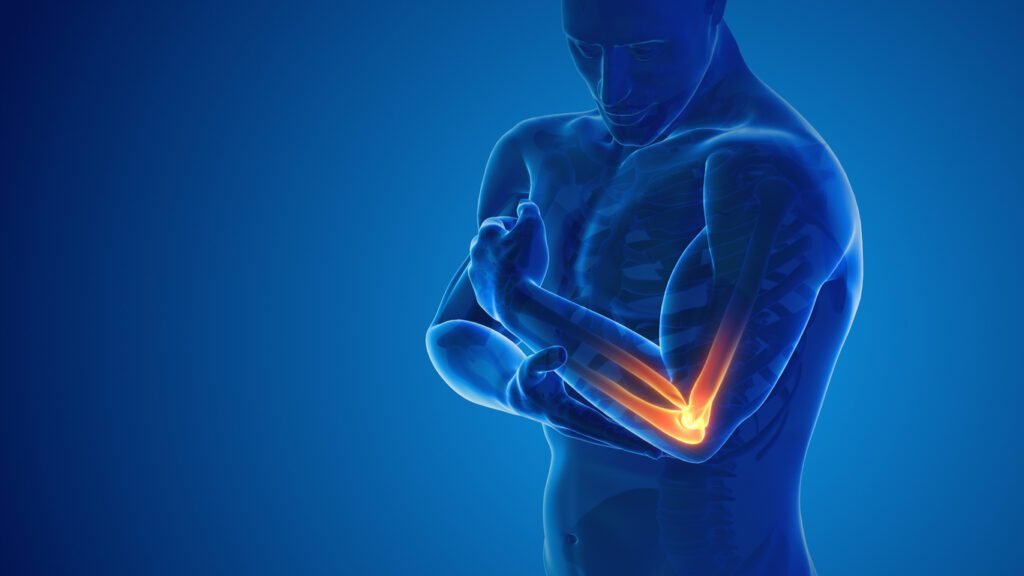
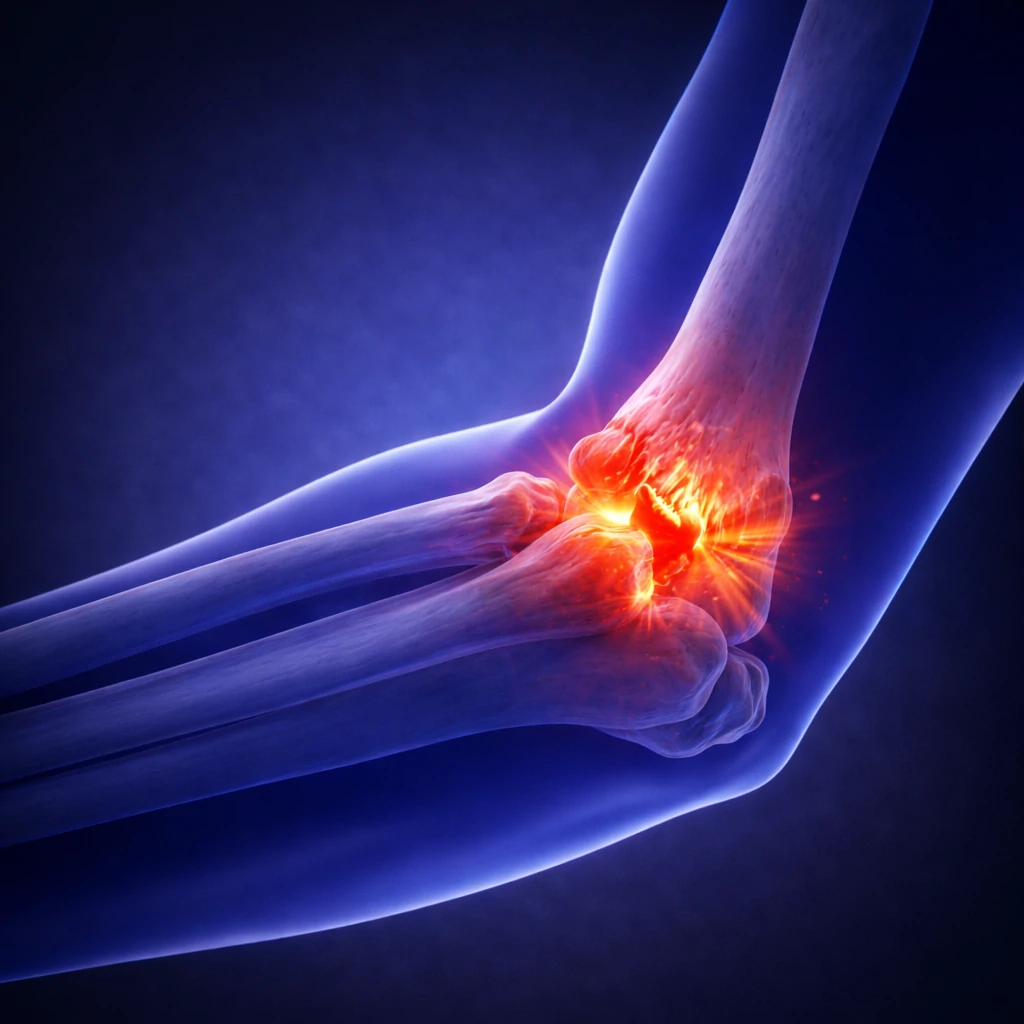
Inflammation of the tendons on the inner elbow, where the wrist flexor muscles attach to the bone.
Tennis elbow affects the outer elbow tendons; golfers elbow affects the inner side, though both share similar repetitive-strain causes.
Golfers elbow symptoms typically build gradually rather than appearing overnight, and they tend to center on the inner elbow and forearm:
A deep ache or tenderness on the bony bump at the inside of the elbow, often worsening with gripping.
Reduced grip strength, making it harder to shake hands, hold a racket, or carry groceries.
Elbow stiffness that's most noticeable first thing in the morning or after periods of rest.
Discomfort that spikes when flexing the wrist against resistance or turning a doorknob.
Some patients notice tingling radiating into the ring and little fingers if nearby nerve tissue is irritated.
Repeated load, mechanics and recovery all influence tendon health.

Identifying which of these factors applies to you is a useful first step before golfers elbow treatment even begins, since addressing the underlying cause, whether that's technique, workload, or recovery time, is what keeps the condition from simply coming back after symptoms settle.
Finding the right source of pain changes the path to recovery.
Tenderness over the medial epicondyle, pain with resisted wrist flexion
Pain reproduced when the wrist is flexed against resistance with the elbow extended
Confirms tendon thickening, tearing, or inflammation in real time
Used for persistent or severe cases to assess the full extent of tendon damage
Ordered if numbness or tingling suggests ulnar nerve involvement
An accurate diagnosis at this stage shapes everything that follows. Golfers elbow treatment built on the wrong diagnosis, say, treating a nerve entrapment as simple tendon inflammation, often stalls out regardless of how diligently it's followed, which is why Dr. Usama Saleh confirms the exact source of pain before recommending a plan.
Most mild cases of golfers elbow settle down with rest and home care, but certain signs call for a professional evaluation rather than waiting it out:
Arrange an EvaluationPain has persisted for more than four to six weeks despite rest and activity modification.
Grip strength has noticeably declined, affecting daily tasks or work.
Numbness or tingling has appeared in the ring and little fingers.
Pain is present even at rest, not only with activity.
Symptoms keep returning despite completing a course of physical therapy.
You're considering golfers elbow surgery and want a second opinion before committing.
Golfers elbow treatment is almost always staged, starting conservative and escalating only if symptoms don't respond:
Avoiding the aggravating grip or swing pattern while inflammation settles, typically for 2 to 4 weeks.
Eccentric strengthening exercises and a counterforce brace to offload the tendon during activity.
Corticosteroid or PRP injections for persistent cases; golfers elbow surgery reserved for the small minority who don't improve.
| Treatment | Best For | Recovery |
|---|---|---|
| Rest and Bracing | Mild, early-stage cases | 2 to 4 weeks |
| Physical Therapy | Persistent cases needing structured strengthening | 6 to 12 weeks |
| PRP or Corticosteroid Injection | Cases not responding to therapy alone | 4 to 8 weeks |
| Golfers Elbow Surgery | Chronic cases unresponsive to 6+ months of conservative care | 3 to 6 months |
Targeted exercises are often the single most effective conservative treatment for golfers elbow. Consistency matters more than intensity:
Wrist flexor stretch: extend the arm, gently pull the hand back with the opposite hand, and hold for 20 to 30 seconds.
Eccentric wrist curls: slowly lower a light weight through wrist flexion, focusing on the lengthening phase of the movement.
Isometric holds: press the palm against a fixed surface without moving the wrist, building tendon tolerance without strain.
Grip strengthening: squeeze a soft ball or grip trainer for short, controlled repetitions.
Forearm pronation and supination: rotate the forearm slowly with a light weight to build balanced strength.
These exercises should be pain-free or only mildly uncomfortable. Sharp pain during any exercise is a signal to scale back and consult a physical therapist before continuing. Exercise therapy like this forms the backbone of most successful golfers elbow treatment plans, and skipping it in favor of rest alone is one of the most common reasons recovery stalls.
Chronic tendon degeneration that becomes progressively harder to treat without surgery.
Persistent grip weakness that interferes with work and daily tasks.
Compensatory strain patterns in the shoulder or wrist from favoring the painful elbow.
Ulnar nerve irritation if inflammation and swelling persist near the nerve pathway.
Reduced range of motion from prolonged stiffness and guarding.
None of these outcomes are inevitable. Starting golfers elbow treatment promptly, rather than waiting to see if the pain simply goes away, is the single biggest factor in avoiding them.
Golfers elbow is frequently mistaken for other sources of elbow or forearm pain, and getting the diagnosis right the first time saves patients months of ineffective treatment. Dr. Usama Saleh's approach to golfers elbow treatment focuses on confirming exactly which tendon is involved before recommending a treatment path.
Careful distinction between golfers elbow, tennis elbow, and nerve-related causes of elbow pain.
Advanced training in upper extremity conditions beyond standard orthopedic residency.
Surgery is only discussed after a genuine trial of non-surgical care has been exhausted.
Two decades of orthopedic surgical and non-surgical practice.
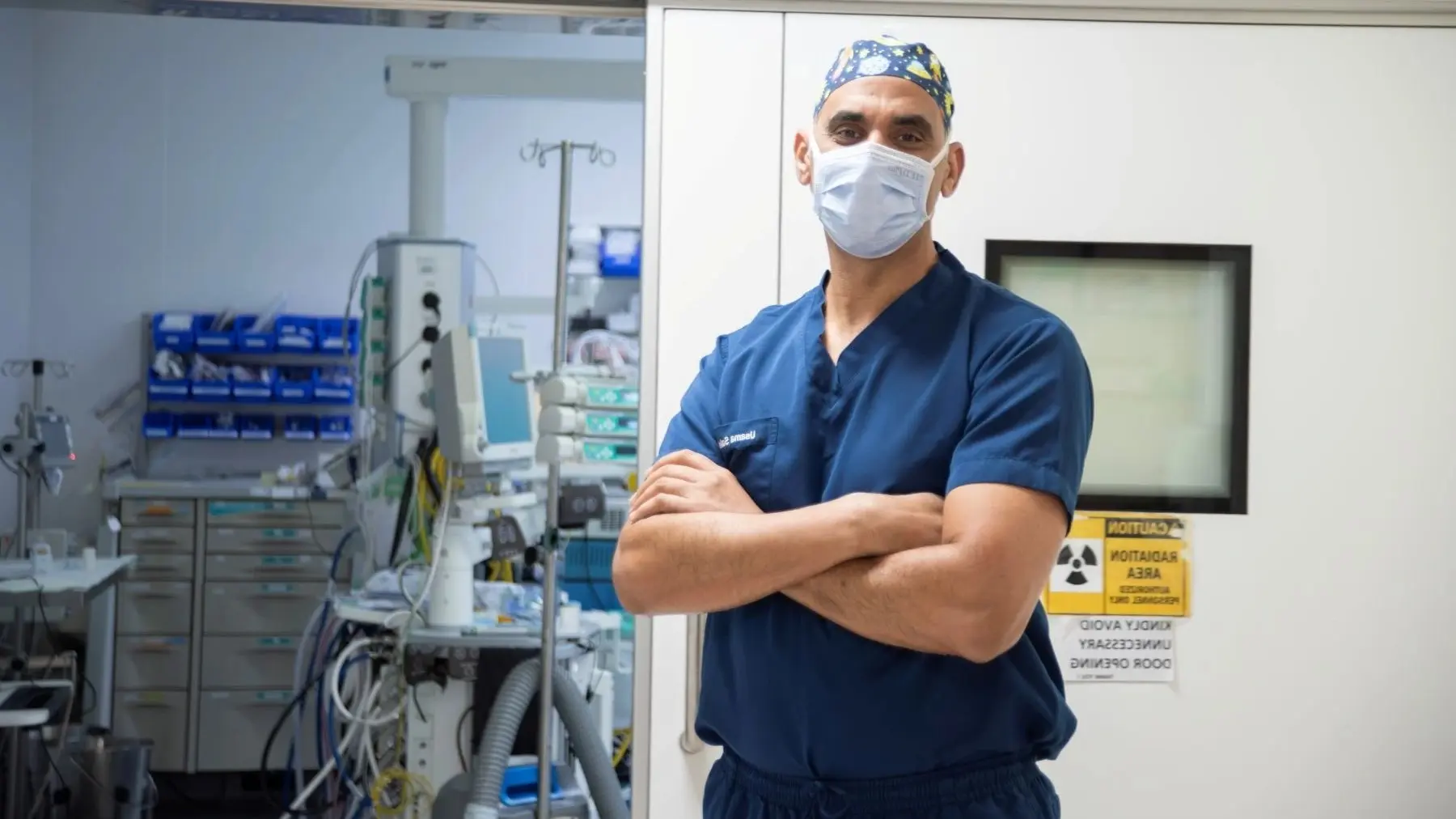
Dr. Usama Saleh treats golfers elbow patients from across Dubai at his Sheikh Zayed Road clinic, with many patients traveling from Downtown Dubai, Business Bay, Dubai Marina, and Jumeirah. Golfers elbow treatment in Dubai, from bracing and physical therapy through to golfers elbow surgery when genuinely needed, is delivered at a MOSH licensed facility with full sterile surgical standards.
Clear answers before your consultation.
Golfers elbow affects the tendons on the inner side of the elbow, while tennis elbow affects the outer side. Both are caused by repetitive strain and share similar treatment approaches, but the exact location of pain differs.
Yes, the large majority of golfers elbow cases resolve with rest, bracing, and physical therapy. Golfers elbow surgery is reserved for the small number of cases that don't respond after 6 or more months of consistent conservative treatment.
A counterforce brace worn just below the elbow redistributes load away from the inflamed tendon during activity. Your physical therapist or doctor can recommend the right fit and positioning for your specific case.
Mild cases often improve within 2 to 4 weeks of rest and activity modification. More persistent cases requiring physical therapy typically take 6 to 12 weeks, and surgical recovery runs 3 to 6 months.
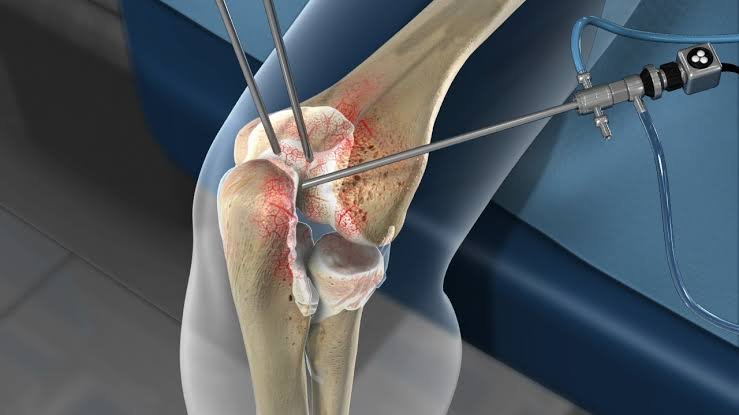
Golfers elbow surgery is typically a relatively minor outpatient procedure, often performed through a small incision or arthroscopically, with most patients going home the same day.
Heavy gripping activities, weightlifting exercises that load wrist flexion, and repetitive swinging motions should be avoided or modified until symptoms improve, since they can aggravate the irritated tendon.
Recurrence is possible, particularly if the underlying activity or technique that caused it isn't adjusted. Continuing a maintenance exercise program after recovery significantly reduces the risk of it returning.
Cost depends on which stage of treatment is needed, from physical therapy through to surgery in persistent cases. The clinic provides a written cost breakdown after the consultation confirms your treatment plan.
Continue exploring elbow care, procedures and overuse conditions.
Get an accurate diagnosis and a conservative-first treatment plan tailored to your activity level.
Book a Consultation