Life After ACL Surgery: 10 Tips for a Strong Recovery

← Back to All Blogs
recovery time after acl surgery
Table of Contents

(Complete Recovery Time After ACL Surgery Guide in Dubai – Treatment, Surgery & Rehabilitation Timeline)

Recovering from an ACL tear is a marathon—not a sprint. Whether your injury happened on the football pitch, during a workout, or simply from a sudden twist, the road back to full strength requires patience, structure, and expert guidance.

This comprehensive guide breaks down everything you need to know about life after ACL surgery:

  • The full 9–12 month recovery timeline
  • What to expect at each milestone
  • How to prevent re-injury
  • Expert tips to rebuild confidence and strength
  • When you can run, train, and return to sports

Let’s walk through the journey step-by-step so you know exactly what to expect and how to optimize your recovery.

Understanding ACL Injuries & When Surgery Is Needed

The ACL (Anterior Cruciate Ligament) is the key stabilizer of the knee. Once torn, it doesn’t heal on its own — which is why reconstruction surgery is often necessary, especially for people who want to return to an active lifestyle.

Common Causes of ACL Tears

Most ACL tears happen due to:

  • Sudden direction changes
  • Pivoting while the foot is planted
  • Awkward landings from jumps
  • Stopping abruptly
  • Direct collision (less common)

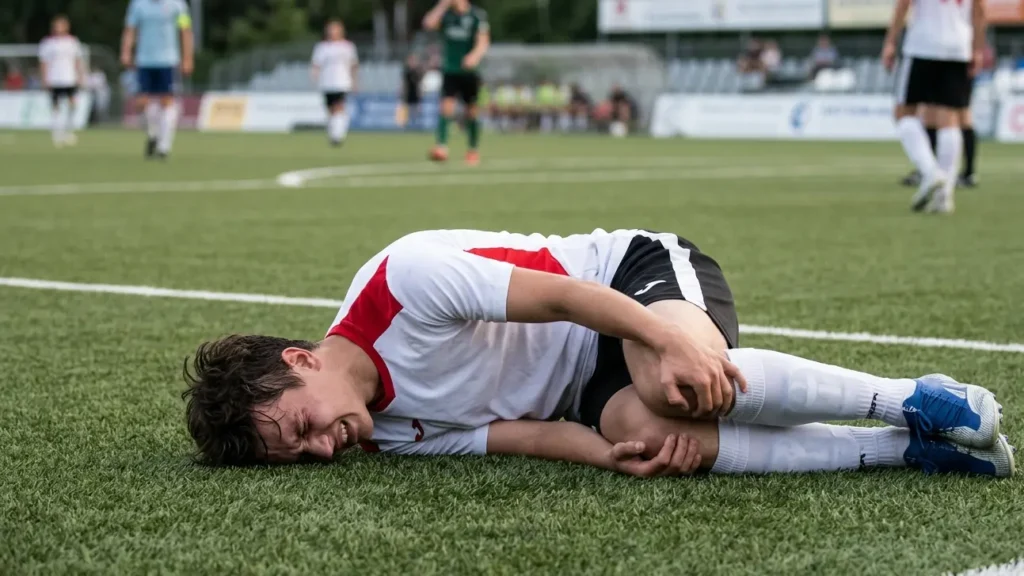
Studies show nearly 70% of ACL tears are non-contact injuries, often simply from twisting the knee at the wrong angle.

Common Causes of ACL Tears

Types of ACL Reconstruction

Your surgeon will choose the graft type that fits your lifestyle, activity level, and knee anatomy:

  • Autograft: Uses your own tissue (hamstring, patellar, or quadriceps tendon).
  • Allograft: Uses donor tissue (usually ideal for less active individuals).

Each option has its pros and cons—and your surgeon will guide you to the best choice based on your goals.

Factors That Affect Recovery Time After ACL Surgery

Recovery is not one-size-fits-all. Timing depends on:

  • Graft type
  • Strength before surgery
  • Rehabilitation consistency
  • Age & overall health
  • Psychological readiness
  • Swelling control
  • Lifestyle demands

The Recovery Time After ACL Surgery: Month-by-Month Guide (9–12 Months)

ACL rehabilitation is structured and broken into milestones. Below is the full roadmap:

Milestone 1: Days 1–14 — Control Pain, Swelling & Protect the Graft

Your Priorities

  • Reduce swelling
  • Manage pain
  • Gentle, safe early motion
  • Protect the new ACL graft

What You’ll Be Doing

  • Using ice every 2–3 hours
  • Elevating the leg above heart level
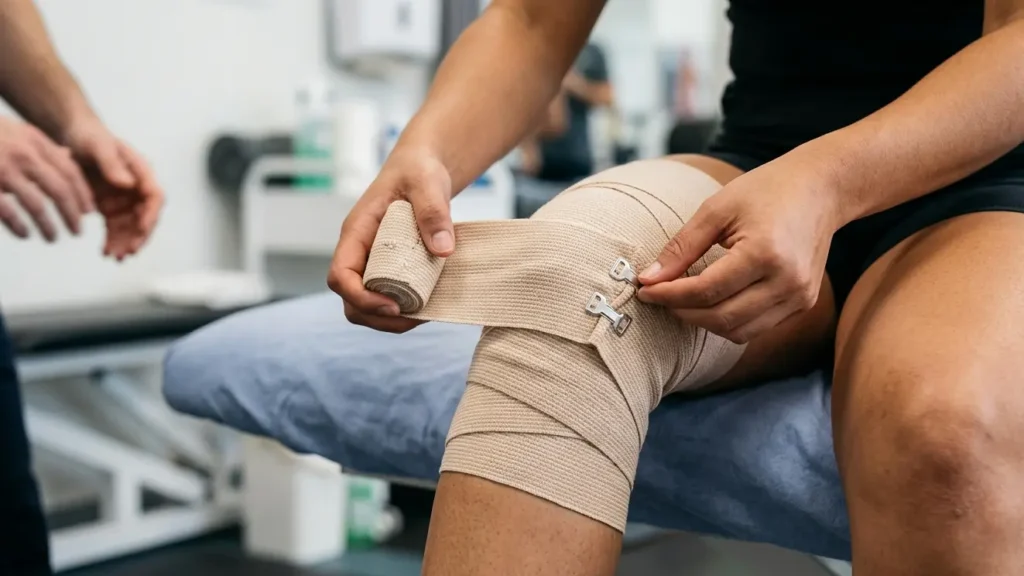
  • Wearing compression bandages
  • Using crutches
  • Performing gentle exercises (quad sets, heel slides)

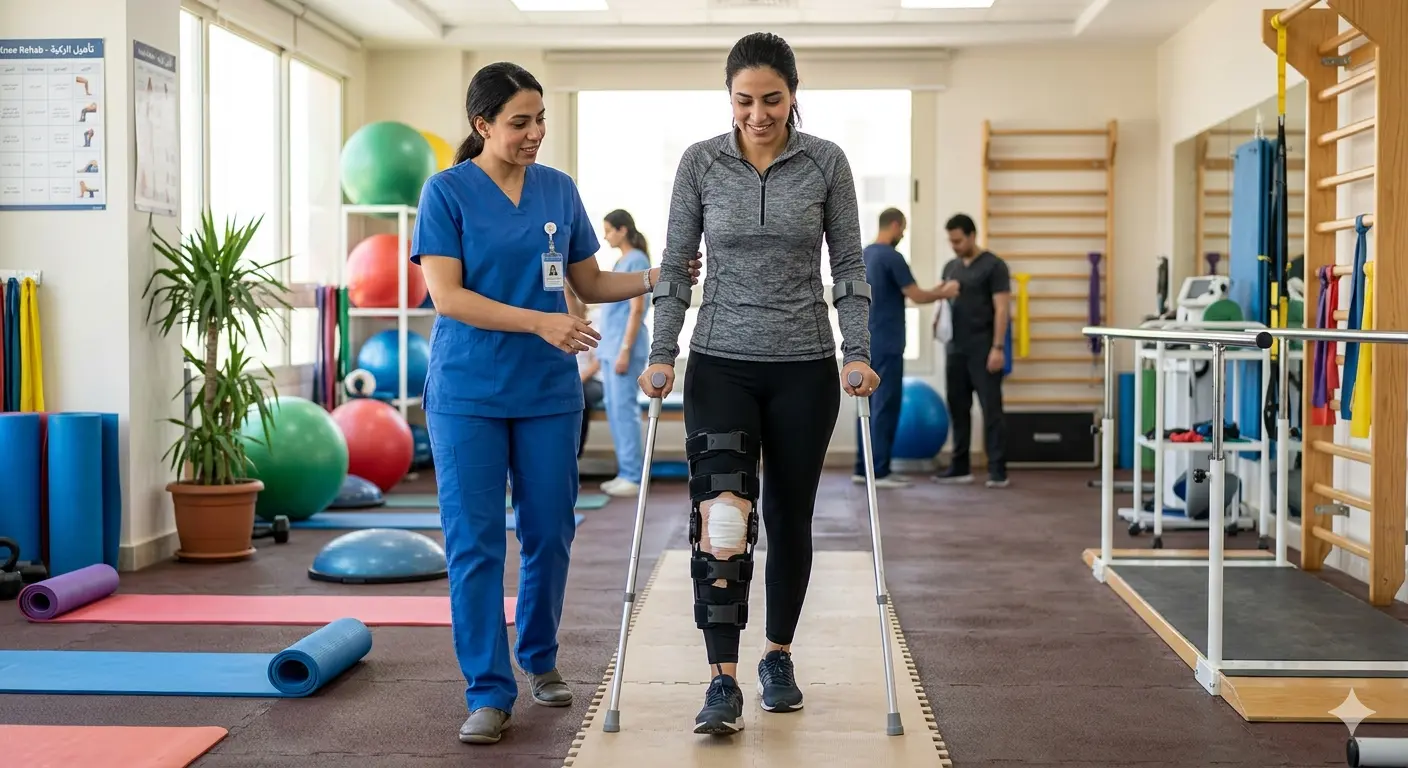
Your first physiotherapy sessions teach you how to stand, walk, and move safely without stressing your new graft.

acl knee swelling compression bandages

Milestone 2: Weeks 2–4 — Restore Motion & Activate the Muscles

Goals

  • 0°–90° knee flexion
  • Strong quadriceps activation
  • Begin partial weight-bearing

Therapy Includes:

  • Heel slides
  • Wall slides
  • Straight-leg raises
  • Electrical stimulation (if quads are weak)

Most patients begin weaning off crutches in Week 3–4 depending on strength and control.

Milestone 3: Weeks 4–6 — Walking Normally Again

A major milestone: walking without assistance.

Focus

  • Normalize gait
  • Improve balance
  • Adjust or discontinue knee brace (if used)

Your physiotherapist will teach you to correct limping and rebuild confidence while walking.

knee acl surgery recovery time

Milestone 4: Months 2–3 — Build Foundational Strength

Now the real strengthening begins.

Progressive Resistance Training

Exercises include:

  • Leg press
  • Hamstring curls
  • Quad strengthening
  • Hip strengthening
  • Core stabilization

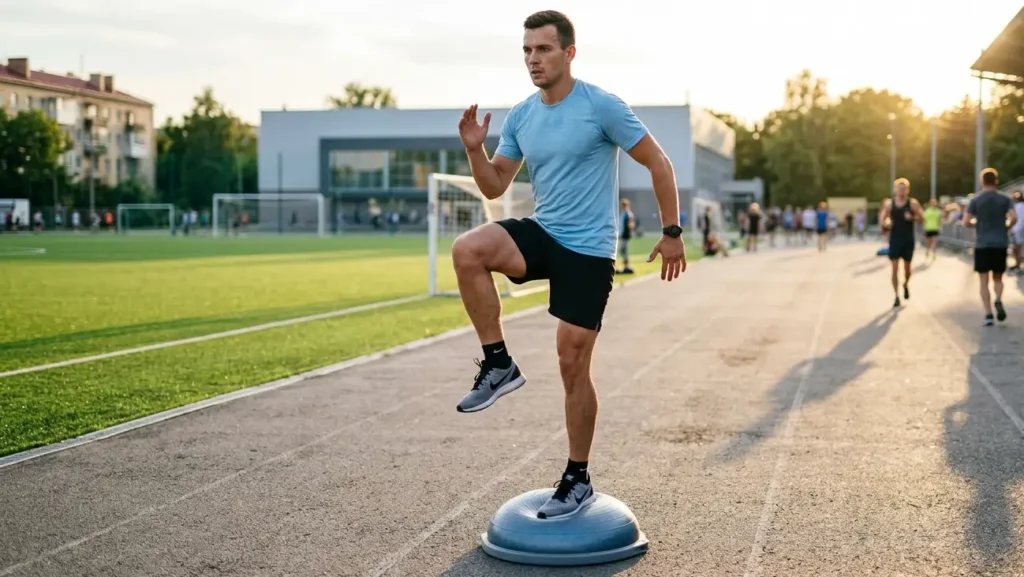
Balance & Proprioception

To prevent re-injury, you’ll work on:

  • Single-leg stands
  • Balance board drills
  • Step-downs
  • Controlled squats

Swelling and pain must be monitored closely — they’re signs you may need to slow down.

Milestone 5: Months 3–6 — ACL Graft Healing & Controlled Activity

This period is all about graft maturation. The ligament goes through three phases:

  • Weakening phase (0–6 weeks)
  • Revascularization phase (6–12 weeks)
  • Remodeling & strengthening phase (3–6 months)

    Safe Activity Progression

    • More intense strength training
    • Controlled low-impact cardio
    • Light jogging (if cleared)
    • Higher balance challenges

    Avoid pivoting, twisting, or explosive movements.

    running after acl surgery

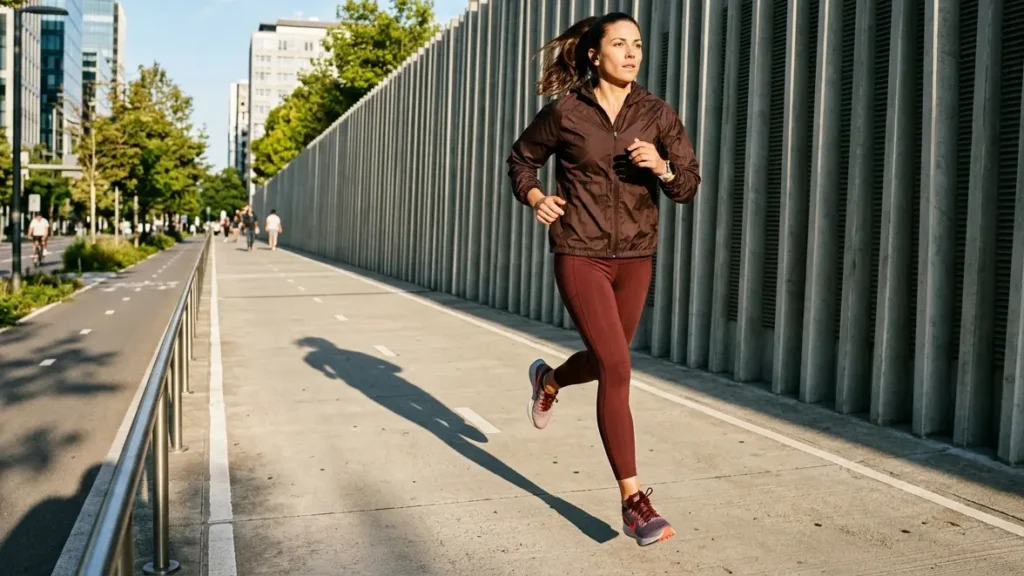
    Milestone 6: Months 4–6 — Return to Running

    Before running, patients must pass:

    • Strength testing
    • Hop control testing
    • Pain & swelling check
    • Proper landing mechanics

    Running begins on a treadmill, then progresses outdoors.

    Milestone 7: Months 6–9 — Sport-Specific Training

    This stage is personalised for your sport:

    • Football players → cutting, sprinting, agility drills
    • Basketball players → jumping, landing, lateral motion
    • Tennis players → acceleration & deceleration drills

    Milestone 8: Months 6–9 — Psychological Readiness

    Fear of re-injury is common.

    Sports psychologists and physiotherapists help rebuild confidence with:

    • Exposure training
    • Mental readiness assessments
    • Movement retraining

    Milestone 9: Months 9–12 — Return-to-Sport Testing

    You must meet objective medical criteria, not just “feeling ready.”

    Tests evaluate:

    • Quad & hamstring strength
    • Agility
    • Hop performance
    • Movement quality
    • Balance
    • Overall knee stability

    Only once all metrics fall within the safe range can you return to sports.

    knee stability after acl reconstruction surgery

    Milestone 10: Life After ACL Recovery — Staying Strong for Years

    Your new lifestyle should include:

    • Regular strength training
    • Flexibility work
    • Neuromuscular movement training
    • Conditioning
    • Maintaining a healthy body weight

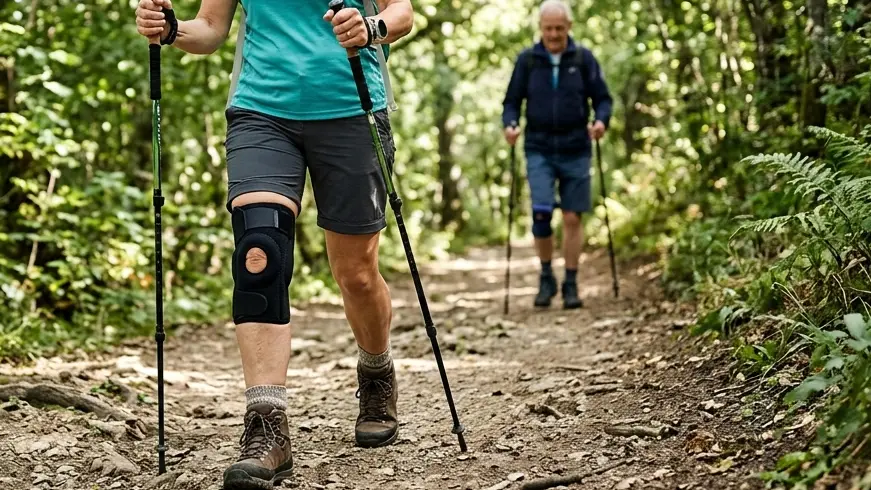
    Long-term knee care protects your graft and improves overall function.

    Discover more about the knee treatments that Dr Usama Saleh provides in Dubai and what conditions it treats.

    FAQs about recovery time after acl surgery

    How long does it take to fully recover from ACL surgery?

    Most patients recover in 9–12 months, depending on rehab consistency and graft healing.

    Typically 4–6 months, if strength testing meets safe criteria.

    Usually 9–12 months, after passing return-to-sport testing.

    Because the new ligament needs months to mature, strengthen, and stabilize.

    Treatment, Surgery & ACL Recovery in Dubai – With Dr. Usama Saleh

    If you’re navigating ACL recovery in Dubai, choosing the right orthopedic surgeon makes all the difference.

    Dr. Usama Saleh, Consultant Orthopedic Surgeon, is known for:

    • Expertise in ACL reconstruction using advanced minimally invasive techniques
    • Precision graft selection tailored to athletes and active individuals
    • Evidence-based rehabilitation protocols
    • Comprehensive follow-up care until full recovery

    Whether you’re an athlete returning to competition or someone simply wanting to walk, train, and live pain-free again — Dr. Usama provides world-class treatment rooted in clinical excellence and compassionate care.

    Book your consultation with Dr. Usama Saleh today to start your ACL recovery journey with confidence.

    Why Choose Dr. Usama Saleh for ACL Surgery & Recovery in Dubai?

    Recovering from an ACL tear is not just about repairing a ligament — it’s about getting your life, movement, confidence, and strength back. And that requires the right surgeon guiding you through every stage of your journey.

    Dr. Usama Saleh, Consultant Orthopedic & Sports Medicine Surgeon in Dubai, is widely recognized for his expertise in knee ligament injuries, advanced arthroscopic techniques, and personalized rehabilitation pathways. He has treated athletes, active adults, and patients from all walks of life — each with unique goals, sports demands, and recovery expectations.

    What Makes Dr. Usama Different?

    • Precision Surgical Techniques
      Dr. Usama uses the latest minimally invasive ACL reconstruction methods — ensuring smaller incisions, less pain, and faster recovery.
    • Tailored Graft Selection for Your Lifestyle
      Whether you’re a footballer, runner, CrossFit athlete, or simply someone who enjoys an active lifestyle, your graft choice matters. Dr. Usama individualizes every surgical plan to match your activity level and long-term goals.
    • Evidence-Based Rehabilitation Protocols
      Your recovery doesn’t end in the operating room. Dr. Usama works closely with leading physiotherapy teams in Dubai to ensure your rehabilitation is structured, progressive, and optimized for strength, balance, and confidence.
    • Consistent Follow-Up & Genuine Patient Care
      Patients repeatedly highlight Dr. Usama’s approachability, clear communication, and genuine interest in their well-being. He makes sure you understand every step — from the first consultation to your return to running or sports.

    Your ACL Surgery Journey Deserves Expert Care

    An ACL tear can feel overwhelming, but with the right surgeon and the right plan, you can return stronger than before.

    If you’re dealing with knee pain, instability, swelling, or you’re preparing for ACL surgery, don’t wait. Early assessment and guided rehabilitation dramatically improve your long-term outcomes.

    Book Your Consultation with Dr. Usama Saleh

    Take the first step toward a stable, strong, pain-free knee.

    Book an appointment with Dr. Usama Saleh and get a personalized treatment and recovery plan tailored just for you.

    Your journey back to movement starts today — let’s rebuild your strength, confidence, and performance together.

    Book an Appointment with Dr. Usama Saleh

    Contact Form dr
    Patient Connection Hub Assess your pain