early symptoms of arthritis in knees – 5 Signs to Watch

← Back to All Blogs
early symptoms of arthritis in knees

The knee is one of the most hardworking joints in the human body. From navigating the bustling malls of Dubai to morning jogs along Jumeirah Beach, your knees bear the brunt of every move you make. However, when a subtle ache turns into a persistent stiffness, it might be more than just fatigue. Understanding the early symptoms of arthritis in knees is the first step toward reclaiming your mobility and preventing long-term joint damage.

In this guide, we will explore everything you need to know about knee arthritis, from identifying the first warning signs to finding the most advanced treatments available in the UAE under the expertise of Dr. Usama Saleh.

What is Arthritis in the Knee Joint?

Arthritis is not a single disease; it is an informal way of referring to joint pain or joint disease. When it affects the knee, it involves the inflammation and gradual breakdown of the tissues that cushion the joint.

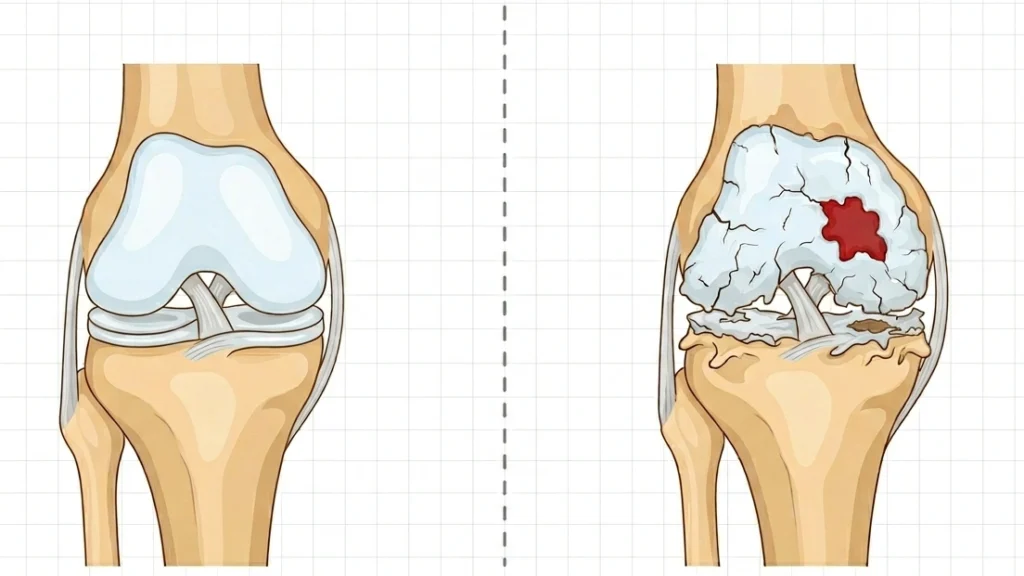
The knee joint is where the thigh bone (femur), shin bone (tibia), and kneecap (patella) meet. In a healthy knee, these bones are capped with slippery articular cartilage that allows them to glide smoothly against each other. When arthritis sets in, this cartilage thins or wears away, leading to bone-on-bone friction, pain, and swelling.

arthritis in knee

What Types of Arthritis Occur in Your Knee?

While there are over 100 types of arthritis, three main types most commonly affect the knee:

  1. Osteoarthritis (OA): This is the “wear and tear” variety and the most common type. It occurs when the protective cartilage wears down over time, usually due to aging or repetitive stress.
  2. Rheumatoid Arthritis (RA): An autoimmune disorder where the body’s immune system mistakenly attacks the synovial membrane (the lining of the joint), causing chronic inflammation and potential joint deformity.
  3. Post-Traumatic Arthritis: This develops after a knee injury, such as a ligament tear or a bone fracture. Even if the injury heals, the joint may wear out faster over time.

What Causes Arthritis in the Knee?

The onset of knee arthritis is rarely caused by a single factor. Instead, it is usually a combination of biological and environmental triggers:

  • Mechanical Wear: Years of high-impact activity can gradually thin the cartilage.
  • Autoimmune Responses: In the case of RA, genetics play a significant role in how the immune system behaves.
  • Metabolic Issues: Conditions like gout, which result from uric acid crystals depositing in the joint, can lead to arthritic damage.
what causes arthritis in the knee​

Risk Factors for Developing Arthritis of the Knee

Living in a fast-paced environment like Dubai can influence certain risk factors. Common contributors include:

  • Age: The risk increases as you get older, typically becoming more apparent after age 50.
  • Weight: Excess body weight puts significant pressure on the knees. Every pound of weight loss can reduce the load on your knee joints by fourfold.
  • Genetics: A family history of joint issues can make you more susceptible.
  • Gender: Women are statistically more likely to develop osteoarthritis than men.
  • Repetitive Stress Injuries: Jobs or sports that require frequent kneeling, squatting, or lifting heavy weights.

Recognizing the Early Symptoms of Arthritis in Knees

Identifying early symptoms of arthritis in knees is crucial for early intervention. If you notice the following, it is time to consult a specialist:

  • Gradual Increase in Pain: It often starts as a “niggle” that comes and goes, usually after periods of inactivity or intense use.
  • Morning Stiffness: Feeling like your knees are “locked” or stiff for the first 30 minutes after waking up.
  • Crepitus: A grinding, popping, or snapping sound when you move your knee.
  • Weather Sensitivity: Many patients in Dubai notice increased discomfort during changes in humidity or when transitioning from extreme outdoor heat to high-powered indoor air conditioning.
  • Reduced Range of Motion: Difficulty fully straightening or bending the leg.
knee arthritis symptoms

Rheumatoid Arthritis in Knees: Specific Symptoms

Unlike osteoarthritis, which might only affect one knee, Rheumatoid arthritis symptoms often appear symmetrically (in both knees). You may also experience:

  • Systemic fatigue.
  • Prolonged morning stiffness lasting more than an hour.
  • A “spongy” feeling in the joint due to fluid buildup.

When Should You See a Doctor for Your Knee Pain?

Do not wait until the pain becomes debilitating. You should seek a professional consultation if:

  • The pain interferes with your daily activities or sleep.
  • The knee looks deformed or “bowed.”
  • You experience sudden swelling or redness.
  • Home remedies (like rest and ice) no longer provide relief.

Visit the patient connection hub section to learn more about your condition and connect with Dr Usama Saleh.

arthritis in knees pain relief​

How to Diagnose Arthritis in the Knee?

A precise diagnosis is the cornerstone of effective treatment. When you visit a clinic in Dubai, the diagnostic process typically involves:

  • Physical Examination: Assessing gait, range of motion, and localized tenderness.
  • Knee Arthritis MRI: An MRI provides a detailed 3D image of soft tissues, allowing the doctor to see cartilage loss, ligament tears, or bone marrow edema that an X-ray might miss.
  • Ultrasound for Knee Arthritis: This is an excellent, non-invasive tool used to detect inflammation (synovitis) and fluid collection in real-time.
  • X-rays: The standard first step to check for “joint space narrowing” or bone spurs (osteophytes).

Try the online pain assessment quiz to rate your pain and provide Dr Usama Saleh with valuable information about your condition to help diagnose and fix your problem.

Effective Early Knee Arthritis Treatment

The goal of early treatment is to manage pain and slow the progression of the disease.

Knee Arthritis Medication

Pharmacological interventions vary based on the severity:

  • Analgesics: Over-the-counter pain relievers like acetaminophen.
  • NSAIDs: Non-steroidal anti-inflammatory drugs to reduce both pain and swelling.
  • Topical Creams: Gels containing diclofenac applied directly to the joint.
  • Corticosteroid Injections: Powerful anti-inflammatories injected directly into the knee for rapid relief.

Knee Arthritis Surgeries

If conservative methods fail, surgical options are considered:

  • Arthroscopy: A minimally invasive procedure to “clean out” debris or repair torn cartilage.
  • Osteotomy: Realigning the bones to shift weight away from the damaged side of the knee.
  • Knee Replacement (Arthroplasty): Total or partial replacement of the joint with prosthetic components.
knee arthritis surgery

What Not to Do with Knee Arthritis?

Managing arthritis is as much about what you stop doing as what you start doing:

  • Don’t ignore the pain: Pushing through sharp pain can cause further structural damage.
  • Avoid high-impact sports: Avoid running on hard pavement or jumping exercises if your knees are flared up.
  • Don’t stay sedentary: Complete inactivity leads to muscle atrophy, which makes the joint even more unstable.
  • Don’t wear unsupportive shoes: High heels or flat shoes without arch support can worsen knee alignment.

Discover the advanced surgical techniques used by Dr Usama Saleh in Dubai to ensure faster recovery, less scarring, and long-term functioning.

Lifestyle Changes for Arthritis of the Knee

In Dubai’s luxury-oriented lifestyle, it’s easy to become sedentary. Consider these adjustments:

  • Weight Management: Adopting a Mediterranean-style diet (rich in omega-3s and antioxidants) can reduce systemic inflammation.
  • Low-Impact Exercise: Swimming or cycling at the local gym are excellent ways to strengthen the quads without stressing the knee joint.
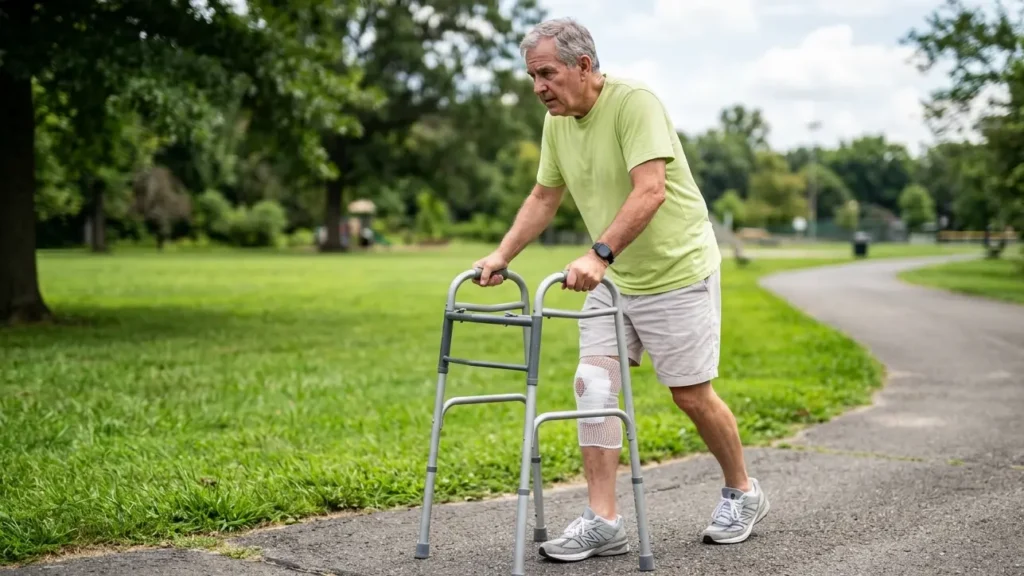
  • Assistive Devices: Using a cane or a specialized knee brace during long walks can provide necessary support.

Discover more about the surgical and non-surgical knee treatments offered by Dr Usama Saleh in Dubai.

knee arthritis exercises

How to Prevent and Reduce the Risk of Getting Arthritis in the Knee

  1. Maintain a Healthy BMI: Keep your weight within a healthy range to protect your joints.
  2. Stay Hydrated: Cartilage is largely made of water; staying hydrated is essential for joint lubrication.
  3. Proper Ergonomics: Use ergonomic setups at work and ensure you use proper form when lifting heavy objects.
  4. Strengthen Supporting Muscles: Focus on your hamstrings and quadriceps to take the load off the bone structure.

Read more about Dr Usama Saleh’s case studies and real patients’ results in Dubai after successful treatment journey with him.

Why Should You Choose Dr. Usama Saleh?

When it comes to knee pain treatment in Dubai, experience and precision matter. Dr. Usama Saleh is recognized as a leading authority in orthopedic care, specializing in both conservative management and advanced surgical interventions for knee arthritis.

With a patient-centric approach, Dr. Usama Saleh utilizes the latest diagnostic technologies, including high-resolution ultrasound for knee arthritis and specialized knee arthritis MRI protocols, to create a personalized recovery plan. His commitment to restoring mobility and enhancing quality of life makes him the premier destination for anyone struggling with joint pain in the UAE.

Experience the Best Knee Care in Dubai!
If you are tired of living with discomfort, it’s time to take action. Dr. Usama Saleh offers cutting-edge solutions tailored to the unique needs of the Dubai community.
Book Your Consultation with Dr. Usama Saleh Today.

Dr Usama Saleh orthopedic surgeon

FAQs About early symptoms of arthritis in knees

What is Stage 1 arthritis in the knee?

Stage 1 is the “doubtful” stage. It is characterized by very minor wear of the cartilage and the potential growth of small bone spurs. You may not feel much pain at this stage, but early intervention here can prevent progression.

The most telling signs are persistent stiffness (especially in the morning), swelling after activity, and a “crunching” sensation in the joint. A definitive diagnosis requires an X-ray or MRI by a specialist like Dr. Usama Saleh.

The RICE method (Rest, Ice, Compression, Elevation) is effective for flare-ups. Additionally, using heat packs can help loosen stiff muscles, and incorporating anti-inflammatory spices like turmeric into your diet may offer mild relief.

Absolutely. With early detection of the early symptoms of arthritis in knees, proper weight management, physical therapy, and the right medical guidance, most people continue to lead active, fulfilling lives.

Conclusion about early symptoms of arthritis in knees

Understanding the early symptoms of arthritis in knees is the key to maintaining an active lifestyle in a vibrant city like Dubai. Whether it’s through knee arthritis medication, lifestyle adjustments, or advanced surgical care, you don’t have to let joint pain hold you back.

By choosing an expert like Dr. Usama Saleh, you are opting for a path of excellence, compassion, and long-term joint health. Take the first step today—your knees will thank you.

Book an Appointment with Dr. Usama Saleh

Contact Form dr

Powered by ICONCLY Medical.

Copyright © 2026. All rights reserved.

Patient Connection Hub Assess your pain