
Ayurvedic Treatment for Shoulder Pain in Dubai with Dr Usama
Suffering from stiff, aching joints? Discover how authentic ayurvedic treatment for shoulder pain in Dubai restores mobility naturally with Dr Usama.
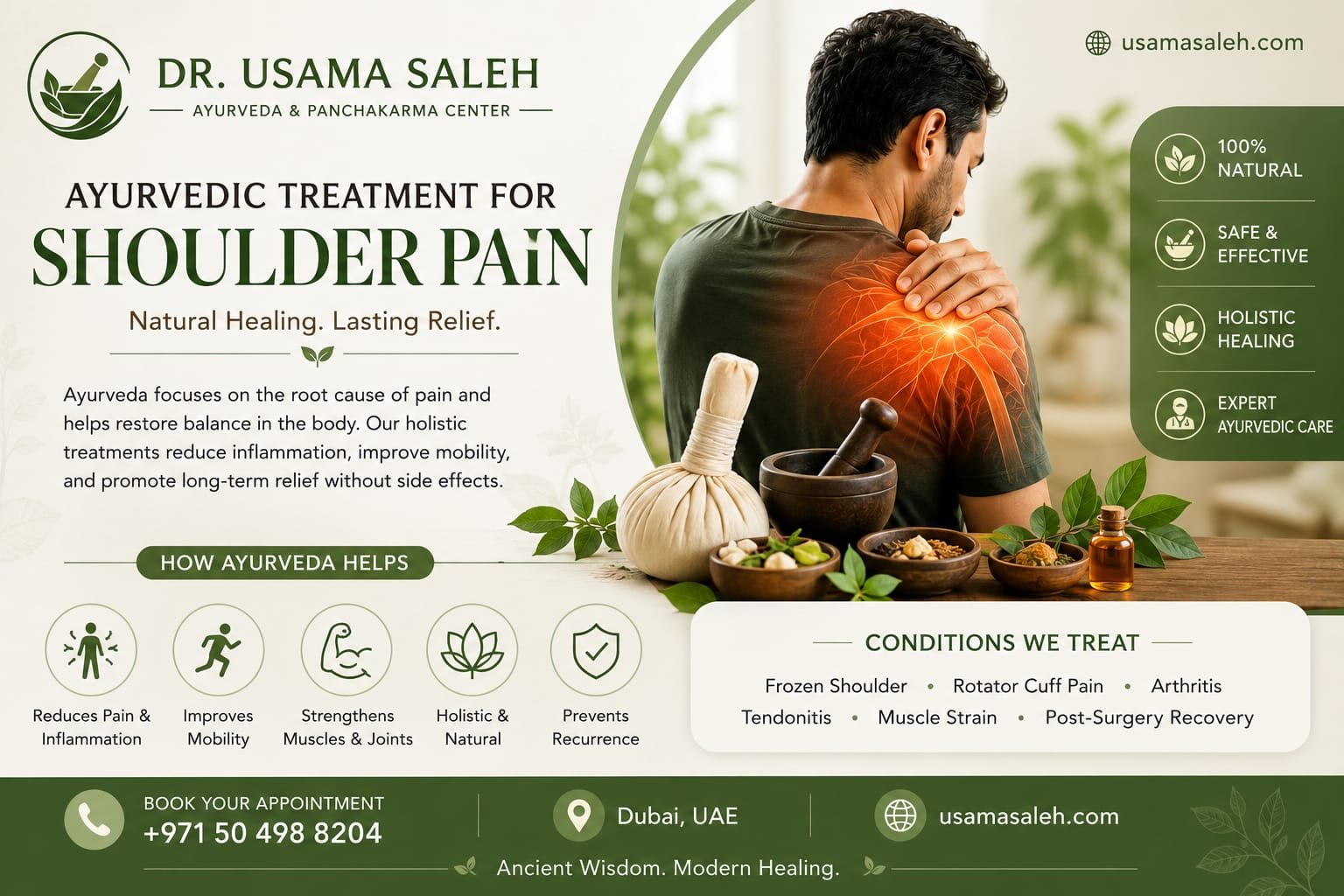
Waking up with a stiff, aching shoulder can change the trajectory of your entire day. Whether it is a sharp pinch when you reach for an overhead shelf, a dull ache while working at your desk, or a persistent throbbing that keeps you awake at night, shoulder discomfort disrupts your life. In a bustling, fast-paced city like Dubai, where long working hours and high-stress routines are common, joint and muscle complications are increasingly frequent. While conventional medicine often relies on immediate painkillers or invasive interventions, many individuals are turning to holistic alternatives. Seeking an ayurvedic treatment for shoulder pain provides a time-tested, natural route to permanent healing by addressing the root causes of inflammation and joint degeneration rather than merely masking the symptoms.
When you experience localized stiffness or radiating discomfort, finding a reliable shoulder pain treatment becomes a top priority. In the field of natural healing and orthopedic wellness, Dr. Usama Saleh stands out as a premier guide for patients seeking to combine clinical excellence with holistic recovery strategies. Understanding how your body retains stress and imbalances is the first step toward lasting relief.
Understanding Shoulder Pain
The shoulder is the most mobile joint in the human body, structured as a ball-and-socket mechanism that allows your arm to rotate, lift, and swing in multiple directions. However, this incredible range of motion comes at a cost: the joint is inherently unstable and highly dependent on a complex network of muscles, tendons, and ligaments to stay in place. When any component of this delicate system undergoes trauma, overuse, or systemic imbalance, pain is the immediate red flag.
In the language of ancient holistic medicine, the human body is governed by three fundamental energies or doshas: Vata (air and space), Pitta (fire and water), and Kapha (earth and water). The musculoskeletal system, particularly movement within the joints, is heavily regulated by Vata dosha. When Vata becomes aggravated due to poor posture, stress, exhausting routines, or improper dietary habits, it dries up the lubricating synovial fluid within the joint capsule. This leads to friction, metabolic waste accumulation (known as Ama), and subsequent tissue degeneration, making an authentic ayurvedic treatment for shoulder pain a highly effective method to restore balance and rehydrate the joint tissues.
Shoulder Pain Types and Associated Symptoms
Shoulder issues rarely present themselves in a single, uniform way. Depending on the underlying structures involved, you may experience varying types of discomfort:
- Rotator Cuff Tendonitis: This involves inflammation of the tendons that help move your shoulder. It typically presents as a dull ache deep in the shoulder, which worsens when lifting your arm or reaching behind your back.
- Bursitis: The bursa is a fluid-filled sac that cushions the joint. When irritated, it causes localized swelling and a sharp, pinching sensation during simple movements.
- Frozen Shoulder (Adhesive Capsulitis): Characterized by severe stiffness and a progressive, dramatic loss of active and passive range of motion. The joint capsule thickens and tightens, making it feel completely locked.
- Osteoarthritis: The gradual breakdown of protective cartilage within the shoulder joint, leading to a deep, grinding ache and chronic stiffness during weather changes or early mornings.
If you are suffering from radiating discomfort that travels up toward the neck or down between the shoulder blades, seeking a targeted shoulder blade pain treatment can help isolate whether the issue originates from muscular strain, poor thoracic alignment, or cervical nerve compression. Recognizing these specific symptoms early helps prevent a minor strain from developing into a chronic, debilitating condition.
Causes of Shoulder Pain
Living in a modern urban environment like Dubai exposes our bodies to specific lifestyle hazards that can compromise joint integrity. The most frequent causes of shoulder distress include:
- Repetitive Micro-Trauma and Overuse: Continuous overhead activities, heavy lifting at the gym without proper form, or repetitive sports movements can create microscopic tears in the tendons.
- Prolonged Sedentary Desk Work: Sitting for eight to ten hours a day in front of a computer encourages a forward-slumped posture. This rounds the shoulders, compresses the joint space, and strains the surrounding musculature.
- Age-Related Degeneration: As time progresses, the natural lubrication within our joints decreases, making the cartilage thinner and more susceptible to wear and tear.
- Systemic Toxins and Poor Circulation: From a holistic perspective, poor digestion leads to the creation of toxic metabolic byproducts (Ama). These toxins travel through the bloodstream and settle into weak joints, triggering inflammatory responses and accelerating frozen shoulder symptoms.
Benefits of Ayurvedic Treatment for Shoulder Pain over Conventional Treatment
When looking for an effective shoulder joint pain treatment, conventional protocols typically start with Non-Steroidal Anti-Inflammatory Drugs (NSAIDs), progress to corticosteroid injections, and potentially end with surgical intervention. While these methods offer rapid temporary relief, they carry potential downsides, such as gastrointestinal irritation, joint tissue weakening from repeated steroid use, and long surgical rehabilitation periods.
Choosing an ayurvedic treatment for shoulder pain offers distinct therapeutic advantages:
|
Feature
|
Conventional Treatment
|
Ayurvedic Treatment
|
|---|---|---|
|
Primary Focus
|
Symptom suppression & inflammation masking
|
Root cause elimination & dosha balancing
|
|
Side Effects
|
Risk of gastric ulcers, kidney strain, or tissue wear
|
Deeply nourishing, non-toxic, and rejuvenating
|
|
Long-Term Utility
|
High dependency on recurring medication
|
Promotes permanent joint tissue repair and mobility
|
|
Approach
|
Generalized protocols based on symptoms
|
Highly customized therapies tailored to body type
|
By utilizing biological herbs, therapeutic oils, and gentle detoxification pathways, this natural methodology works in harmony with your body’s innate healing intelligence to rebuild joint health from within.
Can You Depend on Ayurvedic Treatment for Shoulder Pain?
A common question among patients in Dubai is whether a natural, holistic system can truly resolve deep-seated orthopedic issues. The answer lies in the clinical success of comprehensive management plans. For mild to moderate conditions—including early-stage degenerative arthritis, repetitive strains, bursitis, and lifestyle-induced stiffness—holistic therapies are fully capable of resolving the issue independently.
For complex, severe structural issues such as full-thickness rotator cuff tears or advanced joint destruction, a collaborative approach is ideal. Integrating specialized natural therapies alongside modern rehabilitative diagnostics ensures maximum recovery. Under the expert structural guidance of Dr. Usama Saleh, patients receive an integrated perspective that honors both ancestral healing systems and modern biomechanics to achieve complete pain resolution.
Targeted Ayurvedic Treatment for Shoulder Pain
Holistic therapies rely on specialized physical modalities to dislodge toxins, soothe irritated nerves, and deliver deep cellular nourishment to the shoulder complex.
When undergoing an ayurvedic treatment for shoulder pain, several core external therapies are commonly utilized:
- Abhyanga: Full-body or localized therapeutic massage using warm, herb-infused oils specific to your constitution. This stimulates blood circulation, calms the nervous system, and flushes metabolic waste from muscle fibers.
- Podikizhi (Powder Bolus Massage): Warm poultices filled with specialized herbal powders are rhythmically dabbed over the shoulder. This process is exceptionally effective for reducing inflammatory swelling and melting away deep tissue stiffness.
- Elakizhi (Leaf Bolus Massage): Fresh medicinal leaves with anti-inflammatory properties are fried in herbal oils, tied into muslin bags, and applied to the joint. It deeply rejuvenates strained muscles and enhances flexibility.
- Greeva/Pristha Basti: A localized retaining wall made of black gram dough is constructed over the neck or upper back region and filled with warm medicated oil. This provides prolonged thermal therapy that nourishes damaged discs and nerves, offering an excellent alternative framework for comprehensive shoulder blade pain treatment.
At-Home Management for Shoulder Pain
While professional clinical therapies provide deep rejuvenation, consistent daily self-care at home accelerates your recovery. If you are wondering how to manage your symptoms safely on a day-to-day basis, consider these simple, natural home care routines:
- Warm Herbal Compresses: Apply a warm compress infused with Epsom salts or ginger paste to the affected shoulder for 15 to 20 minutes daily to relax tight muscles.
- Self-Massage (Seva): Gently apply warm sesame oil or Mahanarayan oil to the joint in circular motions before taking a warm bath. This simple act keeps the Vata dosha grounded and prevents the joint from locking up.
- Rest and Unloading: Avoid lifting heavy objects or sleeping directly on the painful side, which can further compress the inflamed bursa.
Exercises for Shoulder Pain
Movement is medicine, provided it is controlled, gentle, and non-impactful. When dealing with restricted mobility, structural exercises can gradually re-establish your range of motion without flaring up underlying inflammation:
- Pendulum Stretch: Lean forward, resting your unaffected hand on a table. Let your painful arm hang down freely. Gently swing the arm in small circles using the momentum of your torso. Perform 10 circles in each direction to safely decompress the joint space.
- Towel Stretch: Hold a small hand towel behind your back with both hands. Use your healthy arm to gently pull the painful arm upward, stretching the internal rotation of the shoulder. Hold for 10 seconds.
- Wall Crawls: Stand facing a wall at arm’s length. Place your fingertips on the wall and slowly walk them upward as high as comfortable. This provides safe traction for a stiff shoulder joint.
What to Avoid to Prevent Shoulder Pain
Preventing joint degeneration requires eliminating habits that aggravate internal dryness and physical strain. To protect your musculoskeletal health, avoid the following:
- Cold and Raw Diets: Excessive consumption of raw salads, iced drinks, and frozen foods increases internal dryness, aggravating Vata dosha and reducing joint lubrication.
- Sudden Jerky Movements: Avoid lifting heavy weights abruptly at the gym without a proper, thorough warm-up sequence.
- Poor Ergonomics: Never slouch forward while using laptops or mobile phones, as this posture strains the upper back muscles and can trigger chronic upper back discomfort requiring intensive shoulder pain treatment.

Diet and Lifestyle Tips for Shoulder Pain
To permanently settle your doshas and maintain healthy joints, align your daily nutrition and routines with anti-inflammatory principles:
- Favor Warm, Hydrating Foods: Consume freshly cooked meals, warm soups, stews, and grains prepared with healthy fats like Ghee (clarified butter) or sesame oil to lubricate the body internally.
- Incorporate Anti-Inflammatory Spices: Add therapeutic amounts of turmeric, fresh ginger, garlic, and black pepper into your cooking to naturally eliminate systemic toxins (Ama).
- Stay Hydrated: Drink warm or room-temperature water throughout the day. Avoid carbonated, sugary beverages that deplete vital minerals from bone tissues.
When to Consult a Specialist Doctor Like Dr. Usama Saleh in Dubai for Your Shoulder Pain
While natural lifestyle adjustments and holistic treatments provide incredible restorative benefits, certain clinical presentations demand immediate medical evaluation. If your shoulder pain is the result of an acute, high-impact traumatic injury, or if you experience an absolute inability to lift your arm, a sudden structural deformity, or severe nocturnal pain that does not respond to rest, specialized diagnostic investigation is essential.
In these instances, consulting a highly qualified orthopedic specialist like Dr. Usama Saleh in Dubai ensures that structural issues, such as complex joint dislocations or full-thickness tendon ruptures, are accurately diagnosed using advanced modern imaging technologies. Recognizing when to bridge holistic care with focused clinical interventions is crucial for safeguarding your long-term mobility.
Why Should You Choose Dr. Usama Saleh for Treating Your Shoulder Pain
Navigating joint discomfort requires a practitioner who looks beyond individual symptoms to evaluate your entire structural alignment and lifestyle. Dr. Usama Saleh is highly regarded across the UAE for delivering compassionate, highly individualized orthopedic insights. By combining precise modern diagnostic protocols with a deep respect for comprehensive, non-invasive therapeutic recoveries, his clinical approach aligns perfectly with patients who want to restore their mobility safely and organically. Choosing Dr. Usama Saleh means receiving a customized recovery roadmap designed to address the unique root causes of your discomfort, allowing you to return to an active, pain-free life in Dubai.
Discover True Joint Rejuvenation and Lasting Relief
You do not have to let chronic joint stiffness dictate your lifestyle, restrict your physical activities, or limit your career productivity. Embracing a comprehensive, deeply restorative ayurvedic treatment for shoulder pain can help you break free from temporary fixes and rebuild your musculoskeletal health naturally.
To explore a personalized therapeutic strategy designed for your specific structural needs, we invite you to take the first proactive step toward full recovery. Visit the official website of Dr. Usama Saleh today to discover a comprehensive suite of patient-centered wellness resources, expert advice, and advanced therapeutic approaches tailored to restore your comfort.
Conclusion
Overcoming chronic joint issues requires a mindful shift from quick, short-term suppression to deep, long-term cellular rejuvenation. By understanding the underlying energetic imbalances that contribute to your symptoms, choosing nutrient-rich therapeutic oil modalities, and committing to supportive movement patterns, you can successfully revitalize your shoulder function. If you are ready to experience optimal orthopedic wellness under an expert, compassionate clinical lens, connect with the specialized care team at the official clinic of Dr. Usama Saleh to schedule your detailed structural consultation and begin your journey toward a vibrant, completely pain-free life.
FAQs
How to cure frozen shoulder quickly?
While a true frozen shoulder naturally progresses through distinct structural phases (freezing, frozen, and thawing) that require time to fully resolve, you can significantly accelerate recovery by combining warm herbal oil therapies like Podikizhi with daily gentle pendulum exercises. This dual approach melts away localized tissue deep within the joint capsule while safely preserving your existing range of motion.
How to treat shoulder pain at home?
You can effectively manage mild shoulder discomfort at home by applying warm sesame oil to the area using gentle circular motions, followed by a warm herbal steam compress. Incorporating anti-inflammatory kitchen spices like turmeric and ginger into your meals helps lower internal inflammation levels naturally.
What is the root cause of shoulder pain?
From a holistic medical perspective, the true root cause of chronic joint discomfort is an accumulation of toxic metabolic waste (Ama) paired with an aggravated Vata dosha. This combined imbalance reduces the joint’s natural lubricating fluids, creating localized friction, tissue inflammation, and subsequent structural stiffness.
How do you treat shoulder pain naturally?
Treating shoulder discomfort naturally involves a multi-faceted approach: undergoing targeted professional external therapies like Abhyanga and specialized oil bastis, performing gentle flexibility exercises, consuming a warm anti-inflammatory diet, and maintaining excellent daily workplace posture.
References
- Mahima Pandey, Meenu Mishra, Sanjay Srivastava. A Literary Review on Tamaka Shwasa (Bronchial Asthma). J Ayu Int Med Sci. 2023;8(1):107-117.
- Kalaivanan. J, Soumya E.A. Ayurvedic Management of Tamaka Swasa w.s.r to Bronchial Asthma. International Journal of Ayurveda and Pharma Research. 2022;10(Suppl 1):17-20.
- Pravin, M., Vedika, A., K. S, P., & S., R. (2015). An Evidence Based Review on Ayurvedic Management of Tamaka Shwasa (Bronchial Asthma). International Journal of Ayurveda and Pharma Research, 3(2).
- Momin Jasmin Begam et al. Ayurvedic Management of Bronchial Asthma – A Case Study. International Ayurvedic Medical Journal. 2020.
- Patel, Vishal; Patel, Madhavi; Desai, Viral. (2013). Asthma Therapy in Ayurveda: An Ancient Scientific Approach.
Related Articles

Orthocure medical center: Dubai Locations, Care & Reviews | Key Facts
Written by The Project Team, medical content reviewer and healthcare subject matter expert,...
Read article
Orthocure Dubai: Clinics, Insurance, and Specialist Guide | Key Facts
Clinically compiled and reviewed by The Project Team, medical content reviewers and healthcare...
Read article
Podiatrist Dubai: Foot Specialists, Orthotics & Care Guide | Key Facts
Persistent foot discomfort, arch strain, or sharp heel pain can rapidly limit your...
Read article
Plantar Fasciitis Treatment: Complete Relief & Recovery Guide
Plantar Fasciitis Treatment: Complete Clinical Guide to Heel Pain Relief Clinically reviewed by...
Read article
Orthopedic Abu Dhabi: Top Specialist and Surgical Care Guide
Orthopedic Abu Dhabi: Expert Guide to Specialists, Surgery, and Joint Care Published by...
Read article
Good orthopedic doctor in Dubai: How to Choose a Top Specialist
Selecting a good orthopedic doctor in Dubai: Credentials, Specialties, and Care Pathways Written...
Read article