Common Causes of Hip Pain in Women: How to Find Relief

← Back to All Blogs
hip pain in women

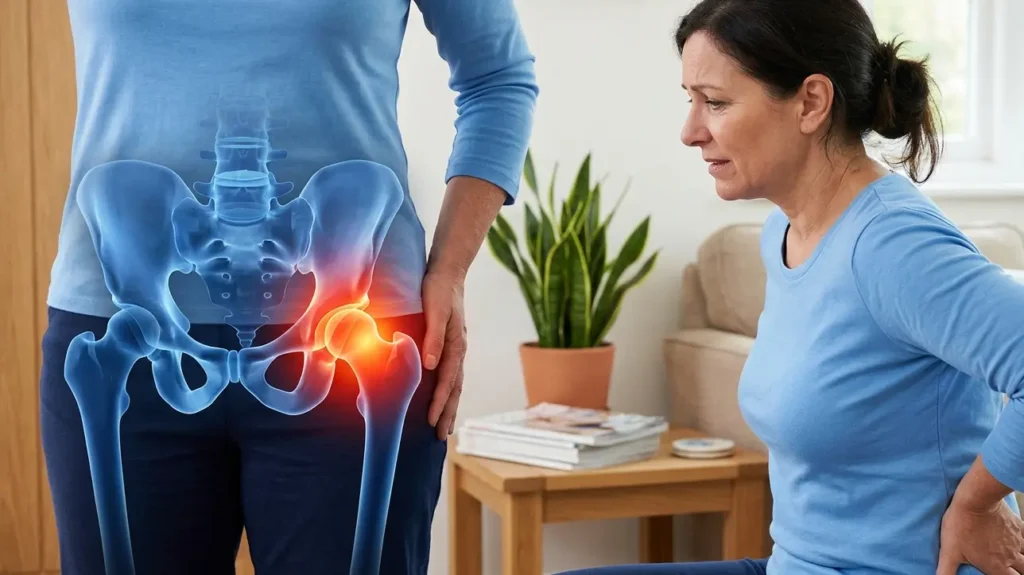
Hip pain in women is a common yet complex issue that affects women across all stages of life. Whether it is a sharp ache during a morning jog in Dubai Marina or a dull soreness that lingers after a long day at the office, hip discomfort can significantly impact your quality of life. Understanding the root cause is the first step toward reclaiming your mobility and comfort.

Why Hip Pain is Unique in Women

Women are anatomically and hormonally predisposed to certain types of hip issues. The female pelvis is broader than the male pelvis, which changes the alignment of the femur (thigh bone) and puts different types of stress on the hip joints, ligaments, and tendons. Furthermore, hormonal fluctuations throughout life, from menstruation to pregnancy and menopause, play a pivotal role in joint laxity and bone density.

When we discuss hip pain in women, we aren’t just looking at a single joint; we are looking at a complex intersection of the musculoskeletal system, reproductive health, and lifestyle factors. Addressing this pain requires a specialized approach that considers these unique female biological traits.

Why Hip Pain is Unique in Women

What is Hip Pain in Woman?

Clinically, hip pain refers to any discomfort felt in or around the hip joint. However, patients often describe “hip pain” when the issue actually stems from the lower back, the pelvic floor, or the upper thigh.

True hip pain (intra-articular) is typically felt deep in the groin or the front of the hip. Discomfort on the outside of the hip, the upper buttock, or the outer thigh is usually caused by issues with muscles, ligaments, and tendons (extra-articular). Identifying the exact location of the pain is the first clue in determining whether the issue is related to the joint itself or the soft tissues surrounding it.

Common Symptoms Associated with Hip Pain in Women

Symptoms associated with hip pain in woman vary based on the underlying cause, but women commonly report:

  • Groin Pain: This is the most telltale sign of a hip joint issue.
  • Stiffness: Especially after waking up or sitting for long periods.
  • Limited Range of Motion: Difficulty putting on socks or getting out of a car.
  • Clicking or Popping: A “snapping” sensation during movement.
  • Referred Pain: Aching that radiates down to the knee or into the lower back.
  • Tenderness: Sensitivity when lying on the side of the affected hip.
Symptoms Associated with Hip Pain in Women

What Causes Hip Pain in Females?

There is rarely a single cause for hip discomfort. Instead, it is often a combination of wear-and-tear and specific conditions:

  1. Bursitis: Inflammation of the fluid-filled sacs (bursa) that cushion the hip joint. This often causes pain on the outer hip.
  2. Tendinitis and Gluteal Tendinopathy: Overuse of the tendons, common in active women or those who have recently increased their exercise intensity.
  3. Labral Tears: A tear in the ring of cartilage (labrum) that follows the outside rim of the hip joint socket.
  4. Osteoarthritis: The “wear and tear” of the protective cartilage.
  5. Pelvic Floor Dysfunction: In some cases, tension in the pelvic floor muscles can manifest as hip or groin pain.

What Can Cause Hip Pain in a Young Woman?

In younger, active populations, hip pain is frequently linked to Femoroacetabular Impingement (FAI), where the bones of the hip are abnormally shaped. Because they do not fit together perfectly, the hip bones rub against each other, causing damage to the joint. Young athletes in Dubai often experience this due to high-impact sports or repetitive pivoting movements.

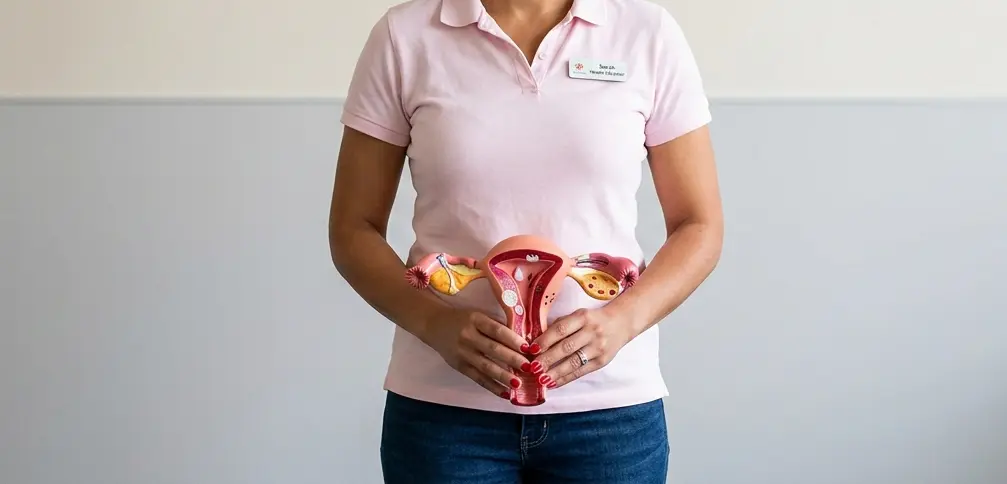
The Connection Between Menopause and Hip Pain

As women approach and enter menopause, the drop in estrogen levels can lead to a variety of musculoskeletal changes. Estrogen helps maintain bone density and protects joint cartilage.

Hip pain in women after menopause is often linked to an increased risk of osteoporosis or more rapid progression of osteoarthritis. Furthermore, the loss of estrogen can lead to “menopausal tendinopathy,” where tendons become less resilient and more prone to inflammation. For many, hip pain in women over 50 is not just a sign of aging but a specific physiological shift that requires targeted hormonal and physical management.

The Connection Between Menopause and Hip Pain

Options of Hip Pain Treatment in Female

Treatment of hip pain in women is never a one-size-fits-all solution. Depending on the diagnosis, options include:

  • Conservative Management: This includes rest, ice, and activity modification. Avoiding “heavy” movements that aggravate the joint is crucial in the early stages.
  • Physical Therapy: Strengthening the “glute” muscles and core to take the pressure off the hip joint.
  • Medications: Anti-inflammatories to manage swelling and pain.
  • Injections: Corticosteroid or hyaluronic acid injections can provide significant relief for inflammation or lubricating the joint.
  • Minimically Invasive Surgery: If conservative methods fail, arthroscopy can repair labral tears or shave down bone impingements.

Exercises for Hip Pain in Women

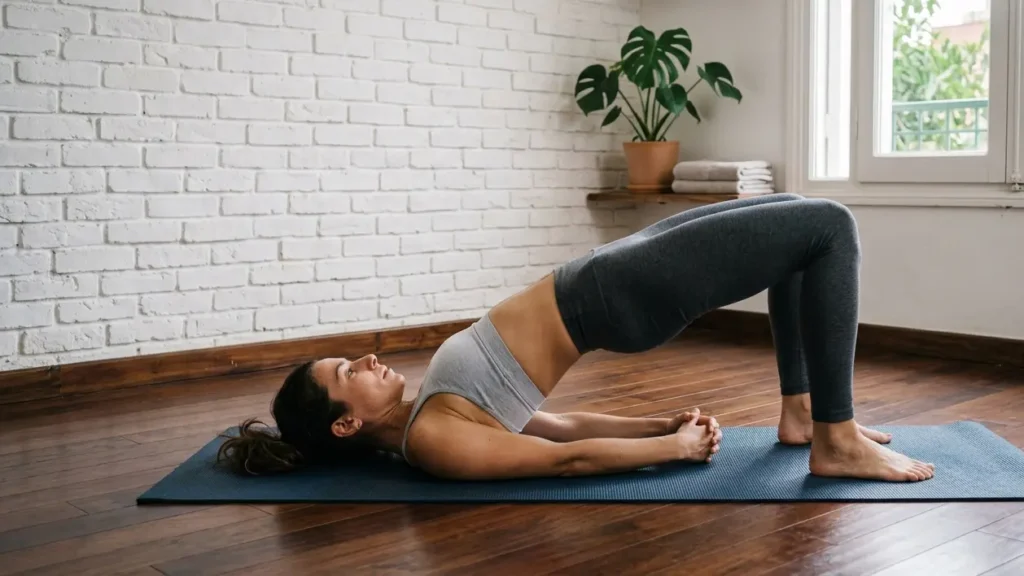
Targeted movement is often the best medicine for hip pain in women. Focus on:

  • Clamshells: To strengthen the hip abductors.
  • Bridges: To activate the gluteus maximus.
  • Bird-Dog: To improve core stability and reduce lower back strain.
  • Water Aerobics: Excellent for those in the UAE who want low-impact movement during the hotter months.
Exercises for Hip Pain in Women

Prevention of Hip Pain Problems

Preventing hip issues starts with lifestyle adjustments:

  • Maintain a Healthy Weight: Excess weight puts direct pressure on the weight-bearing joints of the hip.
  • Proper Footwear: Ensure your shoes provide adequate arch support, especially if you spend a lot of time walking on hard surfaces.
  • Ergonomics: If you work at a desk, ensure your hips are slightly higher than your knees to reduce strain.
  • Flexibility: Regular stretching of the hip flexors can prevent the “tightness” that often leads to secondary pain.

How Do I Tell if My Hip Pain is Serious? (When to Call the Doctor)

While many aches resolve with rest, certain “red flags” indicate you need a specialist’s opinion:

  • Inability to bear weight on the leg.
  • Pain that occurs at night or while resting.
  • Sudden swelling or intense bruising.
  • Signs of infection (fever, redness, warmth).
  • A joint that looks deformed or “out of place.”

How Can Dr. Usama Saleh Help You?

Navigating hip discomfort requires a specialist who understands the nuances of the female anatomy. On Dr. Usama’s website, you can find resources dedicated to advanced orthopedic care tailored to the specific needs of women in the UAE.

Dr. Usama Saleh utilizes a combination of clinical expertise and the latest diagnostic imaging to pinpoint the exact cause of hip pain in women. Whether you are dealing with a sports injury, age-related degeneration, or post-menopausal joint changes, the goal is to provide a path to recovery that avoids unnecessary surgery whenever possible. By focusing on patient education and personalized rehabilitation plans, Dr. Usama ensures that every woman receives the authoritative and empathetic care she deserves.

Book Your Consultation Today

If you are tired of living with limitations, it is time to seek professional advice. You can visit Dr. Usama’s website to learn more about the specialized treatments offered or to schedule a comprehensive evaluation at the clinic. Don’t let hip pain dictate your lifestyle. Take the first step toward a pain-free future today.

hip dislocation orthopedic surgeon

FAQs about hip pain in women

How to stop hip pain?

Stopping hip pain usually requires a “P.R.I.C.E” approach (Protection, Rest, Ice, Compression, Elevation) for acute injuries. For chronic pain, a combination of physical therapy, weight management, and anti-inflammatory treatment is most effective.

Red flags include the inability to move your leg or hip, inability to bear weight, sudden intense pain, fever alongside joint pain, or the hip appearing deformed.

Osteoarthritis is the most common, but hip pain can also be an early sign of rheumatoid arthritis, ankylosing spondylitis, or even certain types of referred pain from pelvic inflammatory disease.

Vitamin D deficiency is a major contributor to bone and joint pain, as it is essential for calcium absorption. Low levels of Vitamin B12 can also cause nerve-related pains that may be felt in the hip area.

This typically refers to Grade 4 Osteoarthritis, where the cartilage has completely worn away, leading to “bone-on-bone” contact, significant deformity, and severe loss of mobility.

Yes, low-impact movement like swimming or cycling can help lubricate the joint and strengthen supporting muscles, which actually reduces pain over time compared to total inactivity.

Conclusion about hip pain in women

Living with hip pain in women can be a frustrating experience, but it is not a journey you have to take alone. From understanding the impact of hormonal changes to implementing the right exercises for hip pain in women, there are numerous ways to manage and overcome these challenges. By seeking early intervention and visiting Dr. Usama’s website for expert guidance, you can ensure your bone and joint health remains a priority. Remember, movement is life. Staying proactive about your orthopedic health is the best way to ensure you keep moving comfortably for years to come.

Book an Appointment with Dr. Usama Saleh

Contact Form dr
Patient Connection Hub Assess your pain