Hip Joint Inflammation Treatment: Guide To Recovery With Dr. Usama Saleh

← Back to All Blogs
hip joint inflammation treatment

Hip pain can be more than just a minor inconvenience; it can fundamentally alter how you experience life in a vibrant city like Dubai. Whether it’s difficulty walking through the Dubai Mall or discomfort during your morning jog along the Marina, hip joint inflammation is a condition that demands professional attention and a clear path to recovery.

Understanding your options for hip joint inflammation treatment is the first step toward reclaiming your mobility. In this guide, we will explore everything from the biological causes of hip distress to the most advanced non-surgical and surgical interventions available today.

What is Hip Joint Inflammation?

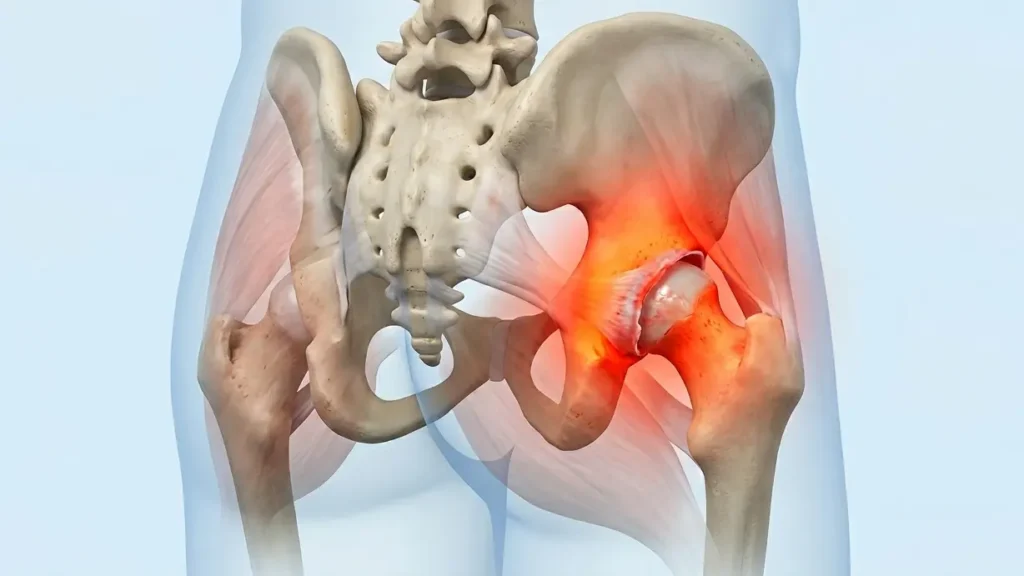
At its core, hip inflammation (often referred to medically as bursitis, tendinitis, or arthritis) occurs when the body’s immune response is triggered within the hip socket. The hip is a “ball-and-socket” joint where the head of the femur (thigh bone) fits into the acetabulum of the pelvis.

The hip joint articular surfaces are covered with a smooth tissue called hyaline cartilage. This cartilage allows the bones to glide against each other without friction. When inflammation occurs, this smooth environment is disrupted, leading to swelling, heat, and pain. If left untreated, chronic inflammation can begin to wear away the protective cartilage, leading to more severe degenerative conditions.

What is Hip Joint Inflammation

What Causes Hip Arthritis?

While “arthritis” is a broad term, it essentially refers to the inflammation of the joints. Several factors contribute to the development of this condition in the hip:

  1. Wear and Tear (Osteoarthritis): The most common cause, where the cartilage cushioning the joint gradually thins over time.
  2. Autoimmune Responses: Conditions like Rheumatoid Arthritis cause the immune system to attack the joint lining.
  3. Post-Traumatic Stress: Previous injuries, such as a hip fracture or labral tear, can lead to inflammation years later.
  4. Avascular Necrosis: A loss of blood supply to the bone tissue, often causing the bone to collapse and the joint to become severely inflamed.
  5. Genetics and Anatomy: Some individuals are born with hip dysplasia, where the socket doesn’t fully cover the ball, causing uneven wear.

Hip Arthritis Stages and Types

Understanding the progression of the disease helps in selecting the right hip joint inflammation treatment.

  • Stage 1 (Minor): Slight bone spur growth; usually asymptomatic.
  • Stage 2 (Mild): The joint space begins to narrow, and patients may feel occasional stiffness after long periods of inactivity.
  • Stage 3 (Moderate): Cartilage erosion is visible on X-rays. Pain becomes a frequent companion during daily activities.
  • Stage 4 (Severe): This is the most advanced stage. The joint space is nearly gone, leading to “bone-on-bone” friction. You might wonder how painful is stage 4 hip osteoarthritis, it is often described as a constant, debilitating ache that limits almost all significant movement.
How is Hip Inflammation Diagnosed

Symptoms of Hip Joint Inflammation

How do you know if your discomfort is actually hip inflammation? Look for these key indicators:

  • Groin Pain: Surprisingly, hip pain is most often felt in the groin or the front of the thigh rather than on the outer hip.
  • Stiffness: Difficulty putting on socks or shoes in the morning.
  • Decreased Range of Motion: A noticeable “click” or “grinding” sensation (crepitus) when moving the leg.
  • Referred Pain: Pain that radiates down to the knee.
  • The “C” Sign: Patients often grab their hip with their hand in a C-shape to describe where the deep-seated pain is located.

How is Hip Inflammation Diagnosed?

A precise diagnosis is the cornerstone of effective recovery. When visiting a specialist in Dubai, you can expect a multi-faceted approach:

  1. Clinical Examination: The doctor will check your gait (how you walk) and the flexibility of the joint.
  2. The Hip Arthritis Test: Also known as the “Faber test” or “Patrick’s test,” where the leg is flexed and rotated to see if it elicits pain in the sacroiliac joint or hip.
  3. Imaging: X-rays are the standard for viewing bone spurs and joint space. For soft tissue issues like bursitis, an MRI may be required.
  4. Laboratory Tests: Blood work can rule out systemic inflammatory conditions like gout or rheumatoid arthritis.
How is Hip Inflammation Diagnosed

Comprehensive Hip Joint Inflammation Treatment Options

The goal of modern orthopedics is to reduce pain while preserving as much of the natural joint as possible.

Physical Therapy and Hip Joint Exercise

Physical therapy is often the first line of defense. A specialized hip joint exercise program focuses on:

  • Strengthening the Gluteal Muscles: Stronger “glutes” take the pressure off the hip joint.
  • Flexibility: Stretching the hip flexors and hamstrings to improve mobility.
  • Hydrotherapy: Utilizing the resistance of water to exercise without the impact of gravity, a popular option in many Dubai wellness centers.

Lifestyle Modification

Small changes can yield significant results in hip joint inflammation treatment:

  • Weight Management: Reducing body weight significantly lowers the load placed on the hip with every step.
  • Activity Adjustment: Switching from high-impact sports (like running on concrete) to low-impact activities (like cycling or swimming).

Injection and Infusion

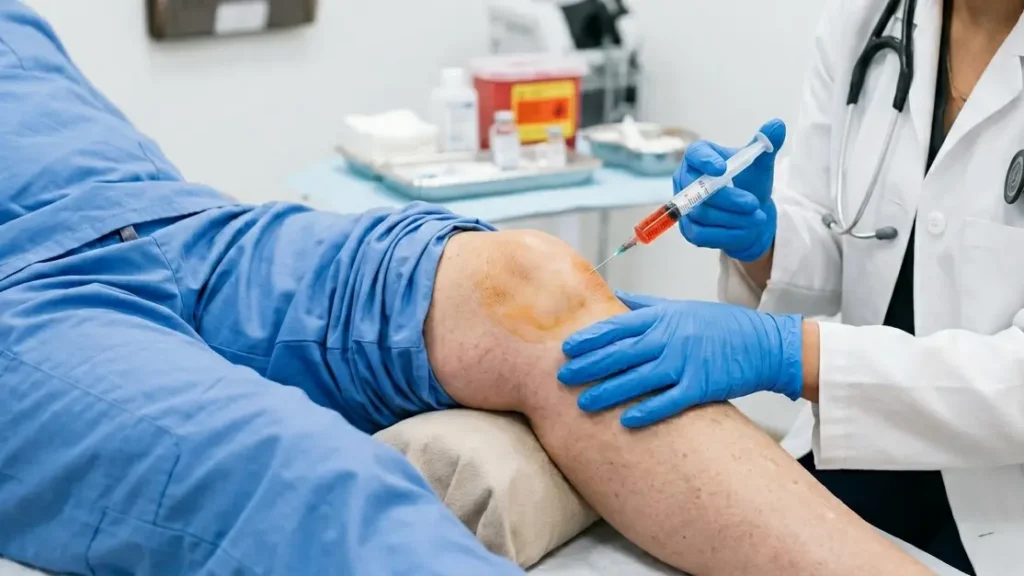
When oral medications aren’t enough, targeted injections can provide localized relief:

  • Corticosteroids: Powerful anti-inflammatories injected directly into the joint.
  • Hyaluronic Acid: Acting as a “lubricant” for the joint surfaces.
  • Platelet-Rich Plasma (PRP): A regenerative approach using the patient’s own blood cells to promote healing.

Dietary Supplements

While not a “cure,” certain supplements support joint health:

  • Glucosamine and Chondroitin: The building blocks of cartilage.
  • Omega-3 Fatty Acids: Natural anti-inflammatories found in fish oil.
  • Turmeric/Curcumin: Known for its potent ability to reduce systemic inflammation.

Pain Medications

Over-the-counter options like Ibuprofen or Naproxen are frequently used. However, long-term use should always be monitored by a physician to avoid gastrointestinal or renal side effects.

Hip Joint arthritis Treatment

Surgical Options: When is it Time?

If conservative methods fail, surgery may be the most effective hip joint inflammation treatment.

  • Hip Arthroscopy: A minimally invasive “keyhole” surgery to repair labral tears or remove loose bone fragments.
  • Hip Arthritis Surgery (Total Hip Arthroplasty): In advanced cases, the damaged bone and cartilage are replaced with prosthetic components. Modern techniques used by experts like Dr. Usama Saleh allow for faster recovery times and more natural joint feel.

Many patients successfully find treatment for hip arthritis without surgery by combining therapy, injections, and lifestyle changes, delaying the need for a replacement by years or even decades.

Prevention of Hip Inflammation

Prevention is always better than cure. To protect your hips:

  • Maintain a healthy BMI.
  • Wear supportive footwear, especially if you spend a lot of time walking on the hard surfaces common in urban Dubai.
  • Incorporate strength training into your weekly routine to support the skeletal structure.
Prevention of Hip Inflammation

When Should You Call Your Doctor?

You should seek professional advice if:

  1. The pain prevents you from sleeping.
  2. You have a limp that doesn’t improve with rest.
  3. The joint looks deformed or you cannot bear weight on the leg.
  4. You experience sudden swelling or warmth around the joint.

Expert Orthopedic Care in Dubai

Living with chronic pain is not a necessity. In a city at the forefront of medical innovation, you have access to world-class care. Whether you are looking for a non-invasive hip joint inflammation treatment or require a complex surgical consultation, choosing a specialist who understands both the clinical and personal aspects of recovery is vital.

Dr. Usama Saleh specializes in providing patient-centered orthopedic solutions tailored to the active lifestyle of UAE residents. By combining advanced diagnostic tools with a compassionate approach, the goal is always to get you back to the activities you love.

Book Your Consultation!
Don’t let hip pain dictate your schedule. Visit the Dr. Usama Saleh website today to learn more about our services or to schedule an appointment at our Dubai clinic. Your journey toward a pain-free life starts with a single conversation.

Dr Usama Saleh orthopedic surgeon

Common Questions About Hip Joint Inflammation Treatment

Can hip inflammation go away?

Yes, acute inflammation caused by overuse or minor injury often resolves with rest, ice, and physical therapy. However, chronic inflammation caused by arthritis typically requires ongoing management to prevent progression.

Non-steroidal anti-inflammatory drugs (NSAIDs) like naproxen or ibuprofen are generally considered the most effective for immediate relief. For long-term management, your doctor may suggest targeted injections.

Pain while standing often indicates that the joint or surrounding tendons are struggling to support your body weight. This can be a sign of either hip bursitis or early-stage osteoarthritis.

During pregnancy, the body releases a hormone called relaxin, which loosens the ligaments in the pelvis to prepare for childbirth. This extra laxity, combined with the change in the center of gravity, can lead to significant hip strain and inflammation.

Pain at night is often a symptom of bursitis (inflammation of the fluid-filled sacs) or advanced arthritis. Pressure from lying on the affected side or the lack of movement causing the joint to “stiffen” are common triggers.

Final thoughts on hip joint inflammation treatment

Finding the right hip joint inflammation treatment is a journey that requires patience, the right information, and expert guidance. From understanding the delicate balance of the hip joint articular surfaces to implementing a dedicated hip joint exercise routine, every step you take brings you closer to mobility.

If you are currently struggling with persistent discomfort, remember that options like treatment for hip arthritis without surgery are highly effective when started early. We encourage you to reach out to a professional who can provide a roadmap tailored to your specific needs. For more information and resources on maintaining joint health, explore the Dr. Usama Saleh website and take the first step toward a more active, pain-free future in Dubai.

Book an Appointment with Dr. Usama Saleh

Contact Form dr
Patient Connection Hub Assess your pain