ACL Reconstruction Surgery in Dubai | Dr. Usama Saleh
Arthroscopic ACL Reconstruction with Personalised Graft Selection and Structured Return to Sport | Medcare MOSH, Sheikh Zayed Road, Dubai
That sudden pop during a pivot, the knee buckling under you, the swelling that follows within hours. A torn anterior cruciate ligament ends games and disrupts lives, and for active people it rarely heals on its own. ACL reconstruction surgery rebuilds the torn ligament using a graft, restoring the stability you need to run, pivot, and play with confidence again.
More than 85% of patients return to their chosen sport after expert reconstruction and structured rehabilitation. Dr. Usama Saleh, a fellowship-trained orthopedic and sports surgeon with 23 years of experience, performs arthroscopic ACL reconstruction surgery in Dubai at Medcare Orthopaedics and Spine Hospital (MOSH), Sheikh Zayed Road. Your graft is chosen for your sport, your anatomy, and your goals.
Experience Built Around Sports Knee Surgery
Dr. Usama Hassan Saleh is an orthopedic and sports surgeon with 23 years of arthroscopic ACL reconstruction experience in Dubai and the UAE. His practice focuses on graft selection, anatomic reconstruction, combined ligament and meniscal surgery, and criteria based return to sport.
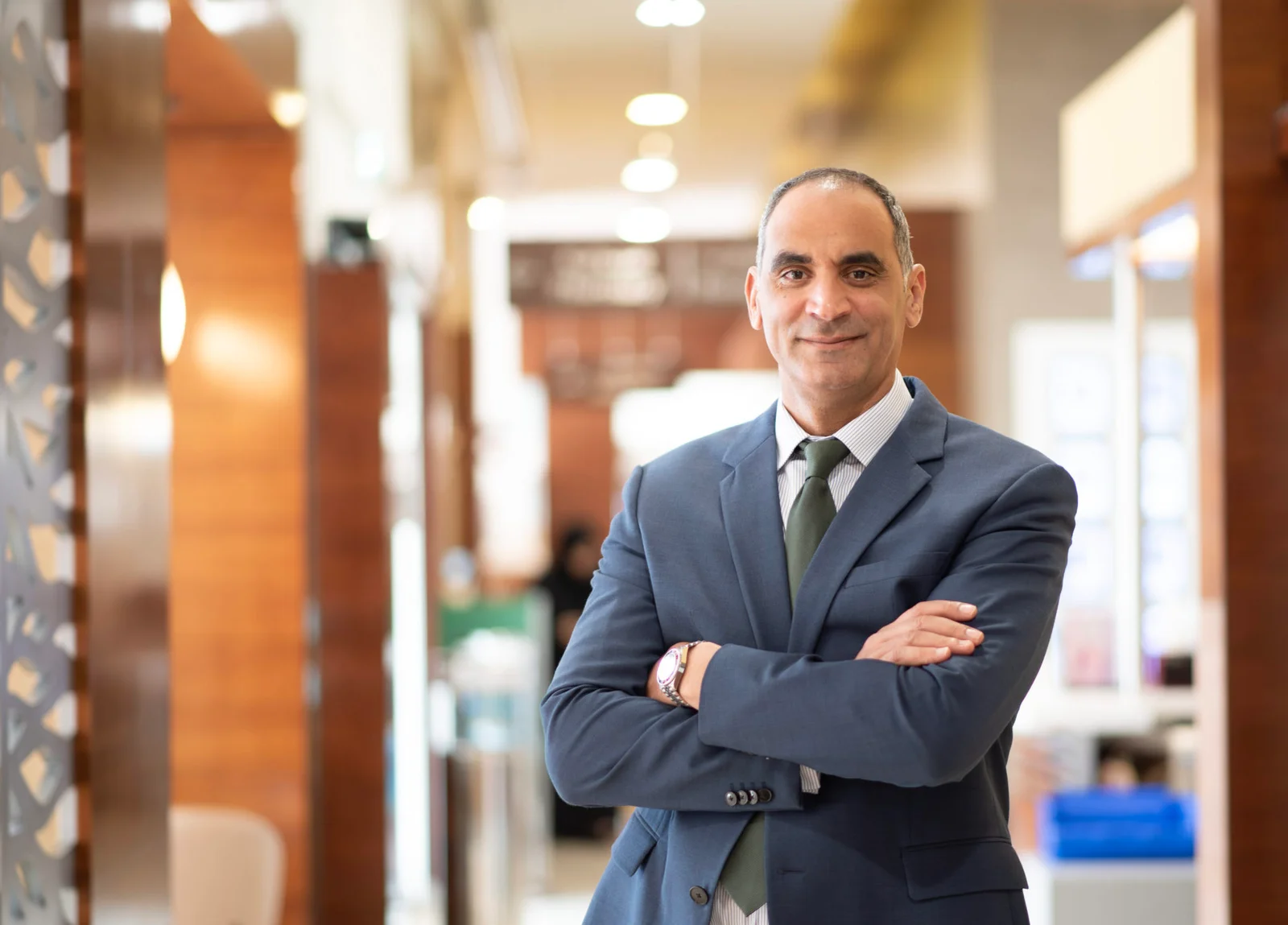
MD, PhD, MRCS UK
Egyptian Board Certified and Arab Board Certified with a patient focused surgical approach.
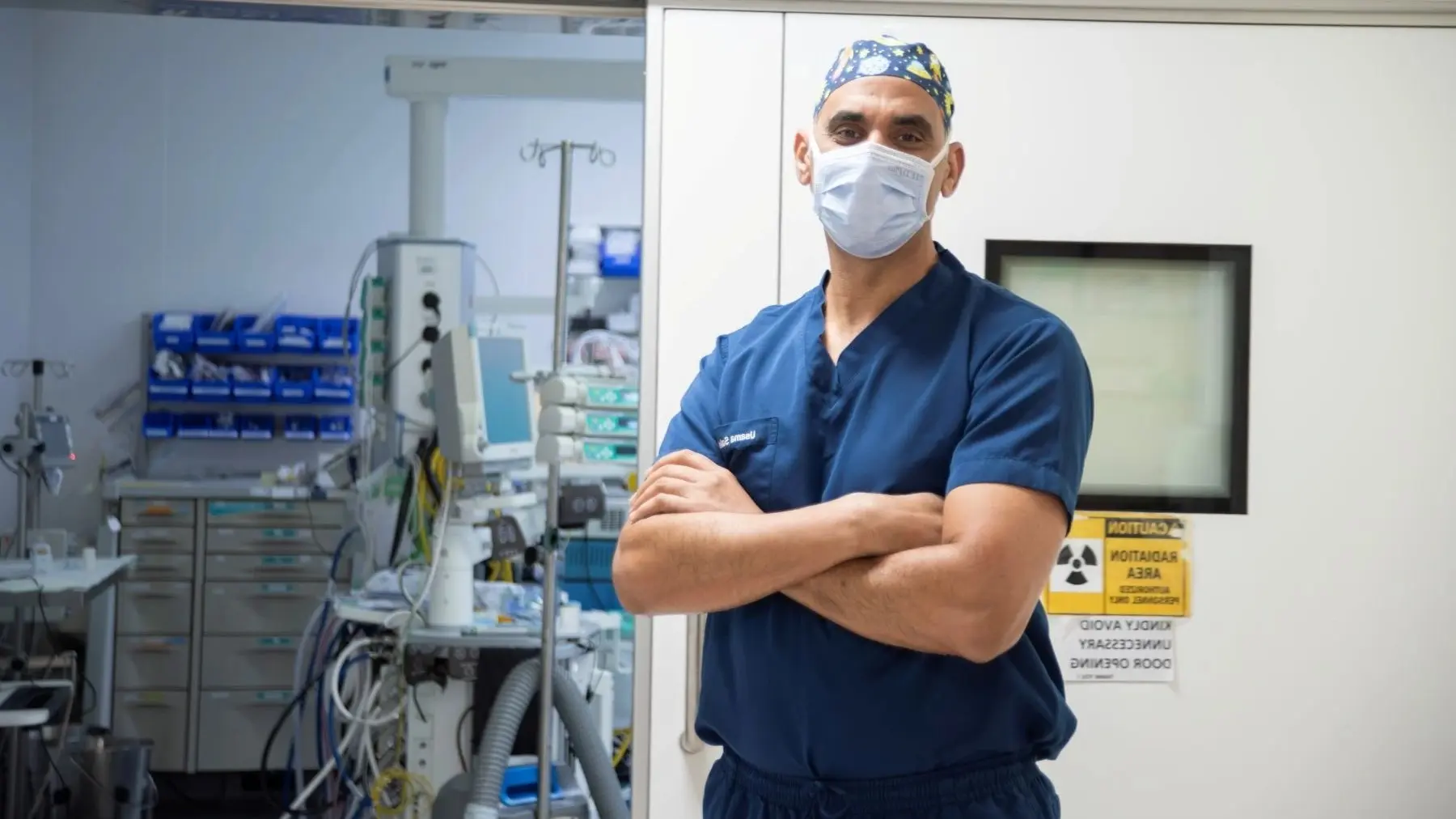
23 Years of ACL and Sports Knee Surgery
Primary reconstruction, revision surgery, meniscal repair, and complex knee instability management.
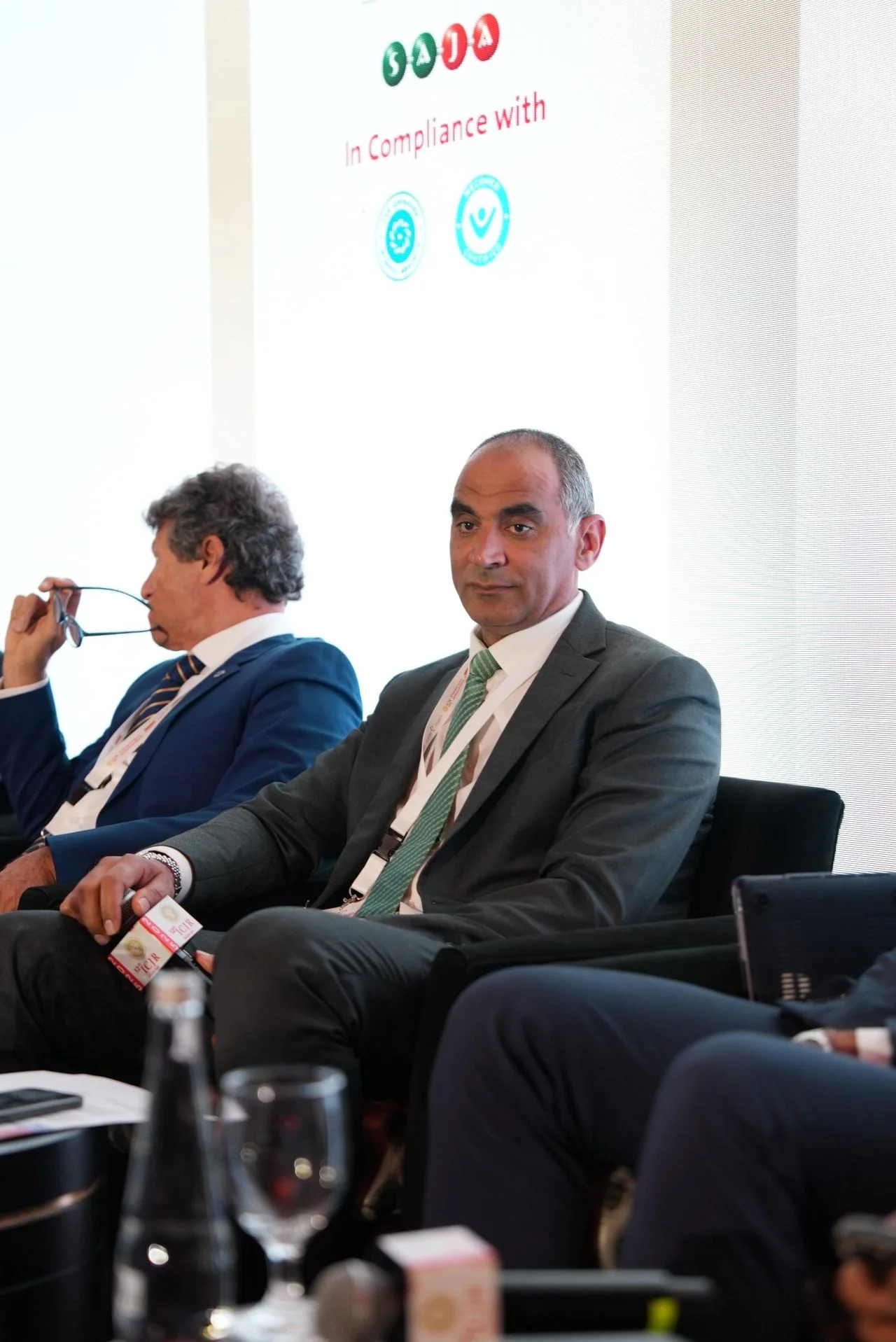
University of Toronto Fellowship
Advanced orthopedic surgery training with a focus on reconstruction and precise arthroscopic technique.
MD, PhD, MRCS UK | Egyptian Board Certified | Arab Board Certified
Specialist in personalised graft selection, anatomic ACL reconstruction, and structured return to sport rehabilitation at Medcare MOSH Dubai.
What Is ACL Reconstruction Surgery?
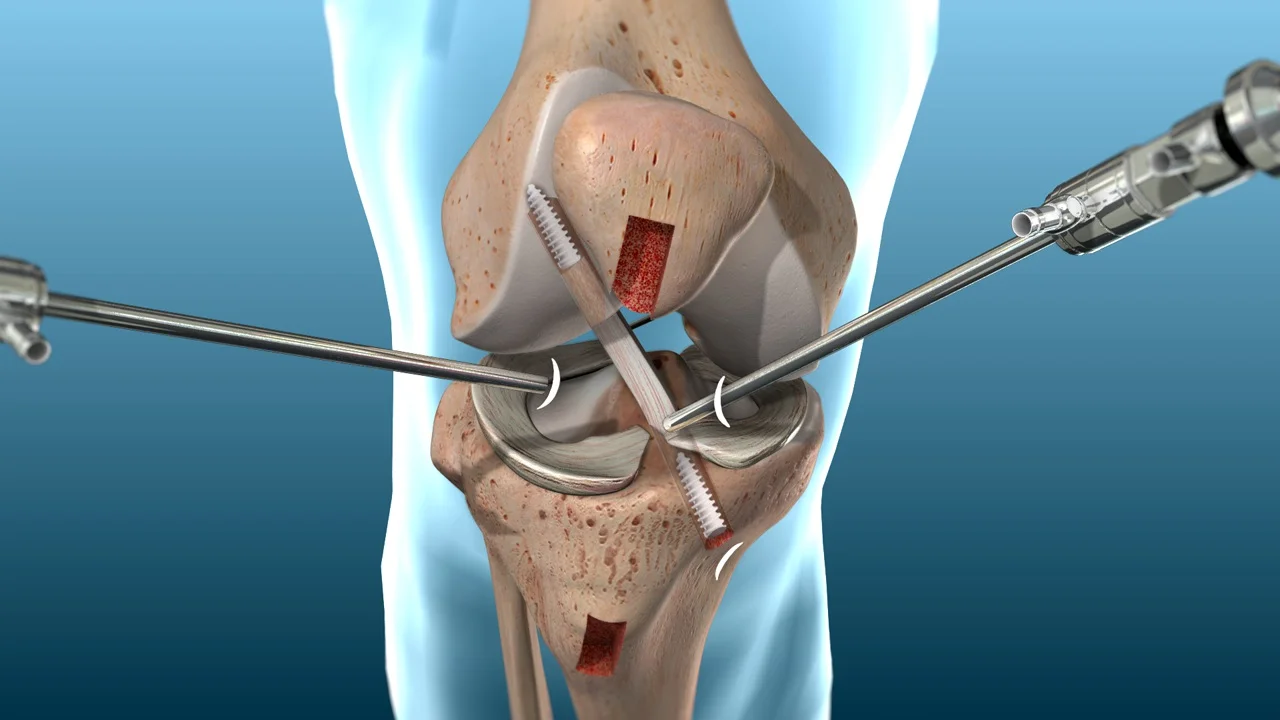
ACL reconstruction surgery is an arthroscopic keyhole procedure in which a torn anterior cruciate ligament is replaced with a tendon graft to restore knee stability and control.
The ACL is one of the four main ligaments stabilizing the knee. Its specific role is to prevent the shinbone, or tibia, from sliding forward and rotating abnormally relative to the thighbone, or femur. When the ACL tears completely, the damaged ends cannot usually be stitched back together reliably because they do not heal. For active people, the standard treatment is therefore reconstruction: creating a new ligament from a tendon graft.
The graft is most commonly taken from the patient’s own body as an autograft, using the hamstring tendons, patellar tendon as a bone-tendon-bone block, or quadriceps tendon. In selected cases, tissue from a donor, known as an allograft, may be used. The graft is passed through precisely drilled tunnels in the femur and tibia, positioned where the original ACL attached, and fixed securely to take over its stabilizing role.
Over the following months, the graft undergoes a biological process called ligamentization, gradually maturing into a functioning ligament. The graft passage, tunnel drilling, and fixation are all performed through small arthroscopic portals using a camera, without a large open incision.
This provides the standard benefits of arthroscopic surgery, including less pain, smaller scars, faster early recovery, and same-day discharge. Most ACL reconstructions are completed in 60 to 90 minutes as day-case surgery at Medcare MOSH, Dubai.
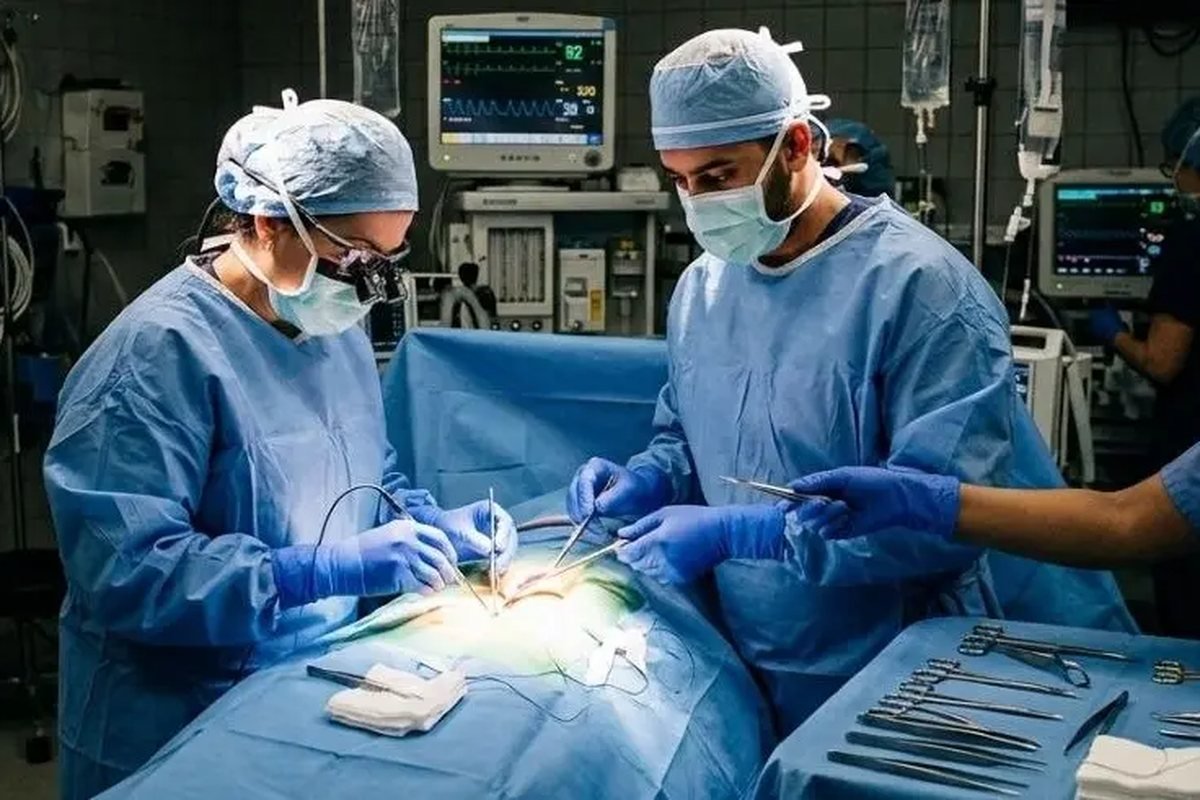
Compare ACL Graft Options and Choose the Right Fit
There is no single best graft for every patient. Select a graft card to compare source, strength, harvest considerations, re tear risk, and the patients who benefit most.
Hamstring Autograft
The gracilis and semitendinosus tendons are prepared into a multi strand graft. This option is suitable for many active patients and usually causes only mild temporary hamstring weakness.
Patellar Tendon BTB Autograft
The central third of the patellar tendon is harvested with bone blocks. It provides strong bone to bone healing and the lowest re tear risk in many high demand athlete groups.
Quadriceps Tendon Autograft
The quadriceps tendon provides a large and strong graft. It is useful when a robust graft diameter is important, particularly in revision reconstruction and larger patients.
Allograft
A prepared donor tendon avoids graft harvest from the patient. Incorporation is slower and the re tear rate is higher in young athletes, so it is reserved for selected indications.
Who Needs ACL Reconstruction Surgery?
The decision depends more on what you want to do with your knee than on the tear alone. A stable straight line lifestyle can sometimes be managed without reconstruction, while cutting and pivoting sport usually demands reliable rotational stability.
Good Candidates for Reconstruction
- Complete ACL tear confirmed on MRI and clinical examination
- Active patient planning to return to pivoting or cutting sport
- Repeated episodes of the knee giving way during activity
- Combined ACL and meniscal or collateral ligament injury
- Younger patient at risk of progressive meniscal and cartilage damage
May Be Managed Without Reconstruction
- Older or lower demand patient with no daily instability
- Partial ACL tear with a stable knee on examination
- Patient comfortable avoiding pivoting and cutting sport
- Patient unable to commit to the 9 to 12 month rehabilitation programme
Build the Best Starting Point Before ACL Reconstruction
Prehabilitation Is Critical
The knee should have settled swelling, near full range of motion, and good quadriceps activation before surgery. Operating on a swollen and stiff knee increases the risk of post operative stiffness.
Consultation and Imaging
MRI confirms the ACL tear and identifies meniscal or cartilage injury. Graft choice is agreed with you. Anesthesia assessment and insurance pre authorisation are completed before the surgical date.
Two Weeks Before
Stop NSAIDs 7 days before surgery. Stop antiplatelet and blood thinning medicines only according to Dr. Usama's instructions. Stop smoking for at least 4 weeks.
Day Before Surgery
Do not eat or drink after midnight. Shower with standard soap. Prepare loose clothing and confirm your designated driver for discharge.
Day of Surgery
Arrive at Medcare MOSH 1.5 to 2 hours before the scheduled time. Bring photo ID, insurance card, and a medication list. Expect 4 to 6 hours in total.
How ACL Reconstruction Is Performed Step by Step
Move through the surgical sequence in a three dimensional stage. The carousel can advance automatically and pauses whenever you interact with it.
Anesthesia
General anesthesia is combined with a femoral or adductor canal nerve block providing 12 to 24 hours of pain control. The patient is positioned on the back with the operative leg supported for controlled knee movement.
15 to 20 minutesDiagnostic Arthroscopy
The arthroscope enters through standard portals and the entire knee is assessed. The ACL tear is confirmed, and associated meniscal tears or cartilage damage are treated in the same procedure when required.
About 10 minutesGraft Harvest
The selected graft is harvested and prepared. Hamstring grafts use the gracilis and semitendinosus tendons. BTB grafts use the central patellar tendon with bone blocks. Allografts are prepared and sized without a harvest incision.
15 to 20 minutesTunnel Drilling
Precise femoral and tibial tunnels are drilled at the original ACL attachment points. Anatomic placement is the most important technical factor for restoring natural function and reducing re tear risk.
About 15 minutesGraft Passage and Fixation
The graft passes through the tibial tunnel, across the joint, and into the femoral tunnel. Fixation commonly uses an interference screw on the tibial side and a suspensory device on the femoral side.
15 to 20 minutesClosure and Dressing
The joint is irrigated, portals and the harvest site are closed with absorbable sutures, and a compressive dressing is applied. A hinged knee brace is fitted before the patient leaves the theatre.
About 10 minutesReal People. Real Transformations.
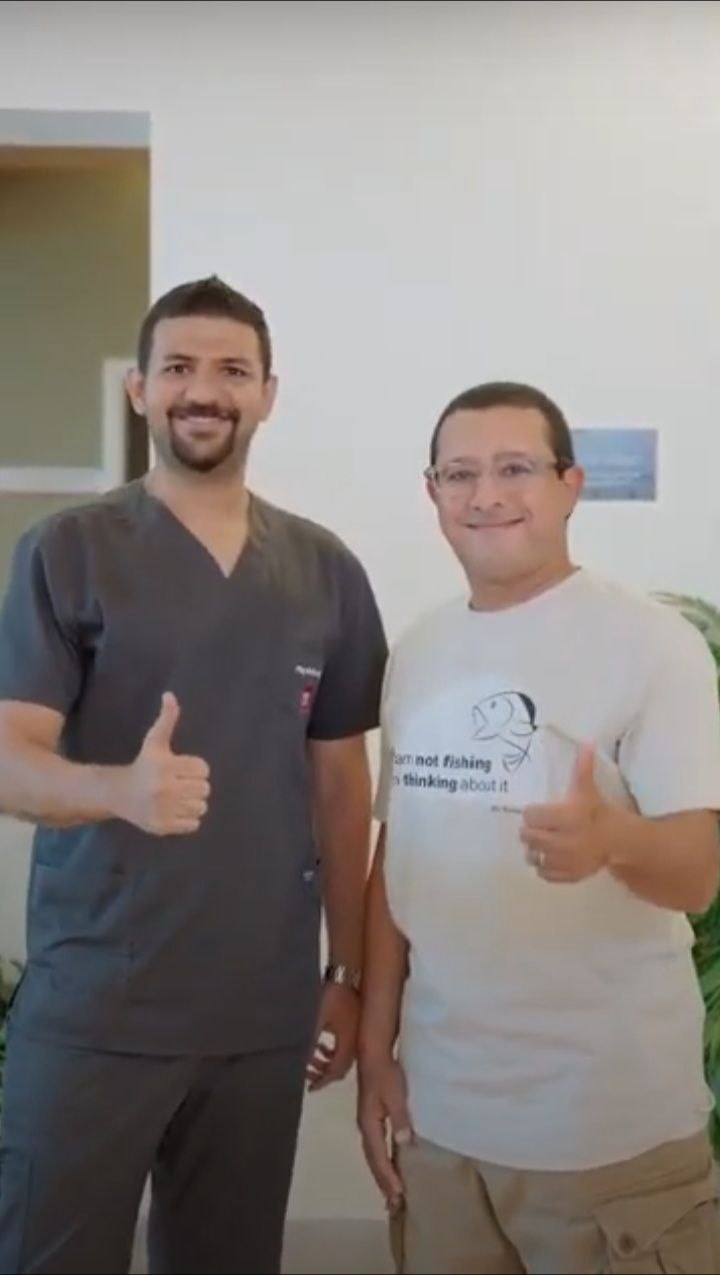
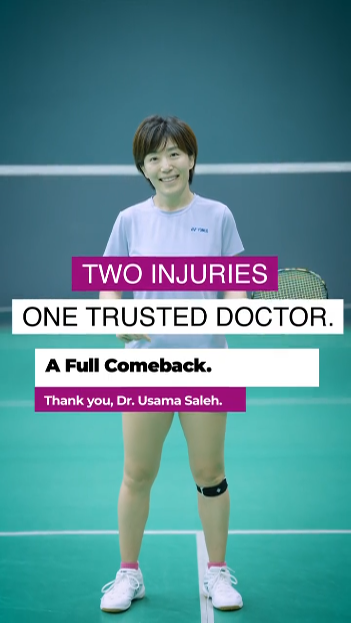
I had Achilles tendon surgery earlier this year, and I couldn’t be more grateful for the care I received from Dr. Usama Hassan Saleh and his team. From the first consultation to the post-surgery follow-ups, everything was handled with professionalism, skill, and genuine compassion. The recovery process was smooth thanks to the clear guidance and support provided. I’m now fully recovered and almost back to my regular activities—truly thankful for the excellent care!
Dr. Usama is a great asset to the hospital, i was lucky enough that he did my operation and the amount of care and experience he has is priceless . A big thank as well to nurse Merin for her care, smile and professionalism. I am glads to be a patient for dr. Usama clinic :)
Local Guide
I have been using Dr. Usama medical advisory and treatment for over 3 years now for various skeletal and tendon issues I have had and every time I visit I am always being provided with top notch medical guidance, and treatment plans that has been proven most useful and reliable. On the other hand, his patient management and personal involvement are always great to have and very assuring.
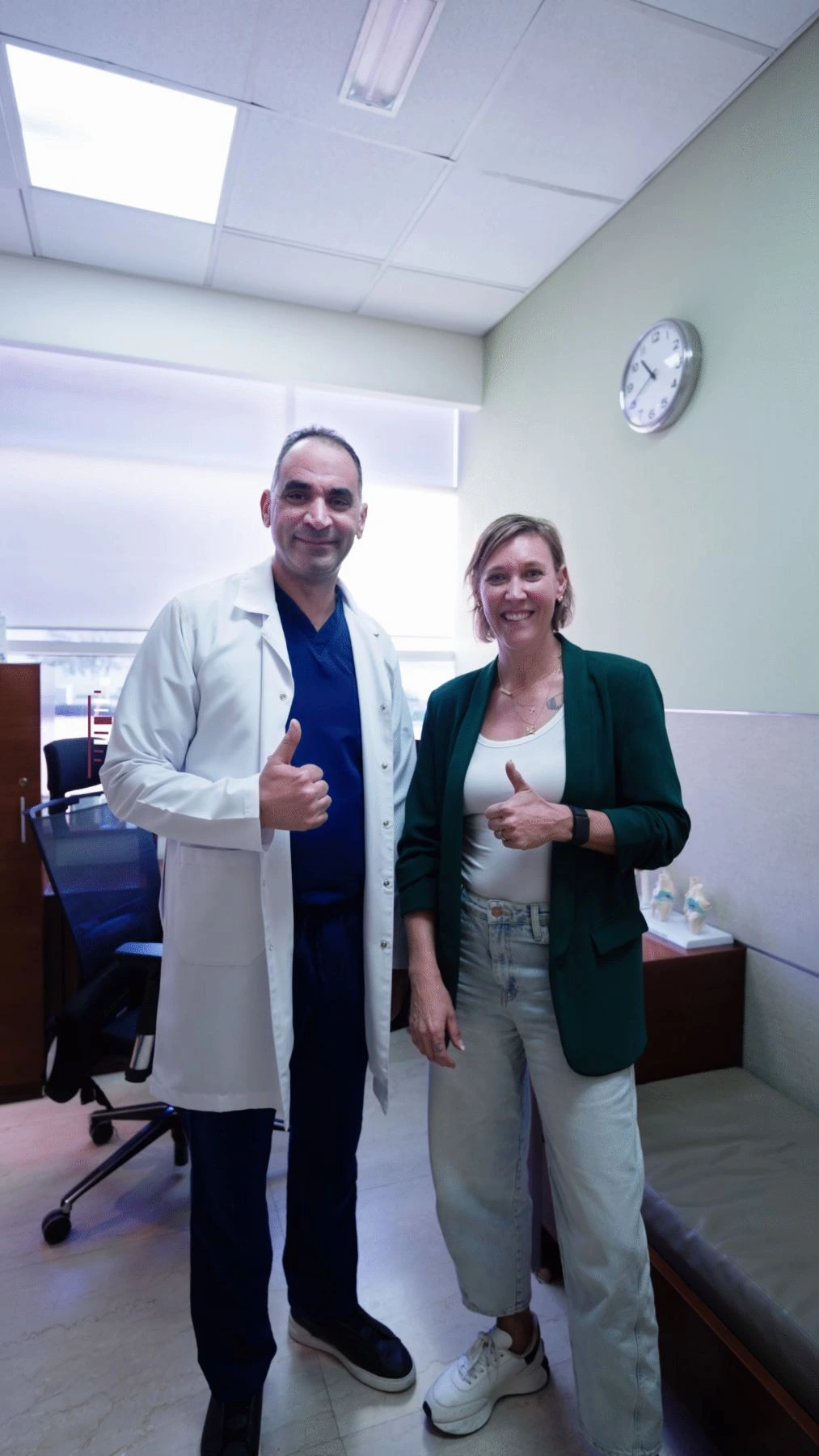
I had my meniscus repair surgery with Dr Usama. Alhumdulillah from the get go he was honest and geniune about the whole process and recovery. Today I'm able to walk long distances and lift again with no pain. Hoping to run again soon inshallah.
Dr Usama Saleh is so professional and amazing everything with him went smoothly from before the surgery he prepared me mentally and after the surgery too, I highly recommend him to anybody having ACL or ligament or a shoulder problem now I’m 3 weeks after the surgery and my recovery process is faster because of the way he sitting my mind Thank you dr Usama and Medcare for the special treatment
Dr. Usama is amazing! He fixed my shoulder after spotting an MRI issue others missed, adjusting my physio for great results. He also performed flawless meniscus surgery on my knee, and his post-op care ensured a smooth recovery. When a minor issue arose later, he resolved it instantly. Grateful for his expertise and dedication—highly recommend!
Thank you Dr. Osama Hassan for your care and attention. Happy Eid.
Ma Shaa Allah Expert doctor with humanity manner Appreciate his work
Best doctor I've ever seen, highly recommend. He is very honest which is hard to find nowadays.


Risks Compared With Expected Outcomes
ACL reconstruction is one of the most successful and studied procedures in sports orthopedics. The comparison below presents risk honestly while showing the functional outcomes most patients can expect.
Surgical Risks
Expected Outcomes
Recovery and Return to Sport on a Moving Timeline
The graft is weakest between 6 and 12 weeks while it remodels. Rehabilitation protects the graft, rebuilds strength, and prepares the knee for safe return to sport.
Drag or swipe horizontally to explore every phase0 to 2
Protect and Activate
Use a hinged brace and crutches, control swelling with ice and elevation, restore full passive extension, activate the quadriceps, and walk with partial weight bearing as comfortable.
2 to 6
Restore Motion
Progress to full weight bearing, reduce crutch use, restore full range of motion, strengthen the quadriceps and hamstrings, and begin stationary cycling. Desk work often resumes in 1 to 2 weeks and driving in 4 to 6 weeks.
2 to 5
Strength and Control
Closed chain strength work, balance training, neuromuscular control, swimming, and cycling are introduced. Straight line jogging may begin around month 3 to 4 when strength criteria are met.
5 to 9
Sport Specific Progression
Running progression, agility, plyometrics, and sport specific drills begin. Cutting and pivoting return under supervision only after strength and control standards are passed.
Specialist Decisions at Every Stage of ACL Reconstruction
Fellowship Trained Sports Knee Surgeon
Advanced training at the University of Toronto provided subspecialty expertise in arthroscopic ACL reconstruction, graft selection, anatomic tunnel placement, and combined ligament and meniscal surgery.
Personalised Graft Selection
Hamstring, BTB, quadriceps tendon, and allograft options are selected according to sport, age, anatomy, previous surgery, and return goals.
Anatomic Reconstruction Technique
Graft tunnels are placed at the original attachment points to restore natural knee motion and resist re tear.
Integrated Return to Sport Rehabilitation
Dr. Usama works with the Medcare MOSH physiotherapy team to provide structured rehabilitation and objective return testing.
23 Years of Sports Knee Surgery in Dubai
Experience includes primary reconstruction, revision surgery, and combined ACL, meniscal, and collateral ligament injuries.
Honest Conservative First Assessment
Not every ACL tear requires surgery. Patients receive a clear recommendation based on instability, sport, rehabilitation commitment, and long term goals.
Why Choose Dr. Usama Saleh for ACL Reconstruction Surgery in Dubai?
Successful ACL reconstruction depends on more than replacing the torn ligament. It requires the right graft, accurate tunnel placement, careful management of associated injuries, and a rehabilitation plan built around your sport, anatomy, and long-term goals.
Fellowship-Trained Sports Knee Surgeon
Advanced fellowship training at the University of Toronto provided subspecialty expertise in arthroscopic ACL reconstruction, graft selection, anatomic tunnel placement, and combined ligament and meniscal surgery. This level of training supports the technical precision required for anatomic ACL reconstruction.
Personalised Graft Selection
There is no single best graft for every patient. Dr. Usama selects between hamstring autograft, patellar tendon BTB autograft, quadriceps tendon, and allograft based on your sport, age, anatomy, and goals—and explains exactly why. A competitive 22-year-old footballer and a recreational 45-year-old skier require different decisions.
Anatomic Reconstruction Technique
One of the most important technical factors in ACL reconstruction is positioning the graft tunnels at the anatomic attachment points of the original ligament. Anatomic placement helps restore natural knee movement and rotational stability. Dr. Usama uses an anatomic single-bundle technique guided by arthroscopic landmarks.
Integrated Return-to-Sport Rehabilitation
Surgery is only part of the recovery process. Dr. Usama works with the Medcare MOSH physiotherapy team to provide structured, criteria-based rehabilitation with objective return-to-sport testing. The goal is to return when your knee is genuinely ready, rather than relying only on the number of months since surgery.
23 Years of Sports Knee Surgery in Dubai
More than two decades of treating footballers, padel and tennis players, rugby players, runners, and recreational athletes across Dubai. Primary ACL reconstruction, revision surgery, and combined ACL injuries involving the meniscus or collateral ligaments are all part of Dr. Usama’s sports knee practice.
Honest, Conservative-First Assessment
Not every ACL tear requires surgery. Dr. Usama gives each patient a clear assessment of whether reconstruction is genuinely necessary for their goals or whether structured physiotherapy may be the better path. Patients proceed to surgery only when it offers a meaningful benefit for stability, activity, and long-term function.
The final recommendation is based on knee stability, associated meniscal or ligament injuries, sporting demands, age, anatomy, and your expectations for returning to activity.
ACL Reconstruction Surgery in Dubai: Getting Athletes Back to Sport
Dubai is a city built around active living, and the ACL often pays the price. Football leagues across Jumeirah and Sports City, the booming padel courts of Business Bay and JBR, basketball, rugby with Dubai clubs, martial arts, and ski trips all generate the pivoting and cutting injuries that can tear the anterior cruciate ligament.
Dr. Usama reconstructs ACLs for athletes of every level across Dubai, from weekend players to competitive sportspeople determined to return to their game. His approach combines personalised graft selection, anatomic reconstruction, and structured return-to-sport rehabilitation.
Dr. Usama performs ACL reconstruction surgery for patients from across Dubai, including Jumeirah, Dubai Marina, JBR, Downtown, Business Bay, Al Barsha, Sports City, and DIFC. Patients also travel from Abu Dhabi and across the UAE for specialist sports knee surgery.
Serving athletes and active patients across:Frequently asked questions
Need something cleared up? Here are our most frequently asked questions.
Recovery is a phased process over 9 to 12 months for return to pivoting sports. You will be walking with crutches within days, off crutches and driving by 4 to 6 weeks, and back to desk work within 1 to 2 weeks. Light straight-line jogging usually begins around 3 to 4 months once strength criteria are met. Running progression, agility, and sport-specific training follow through months 5 to 9. Return to competitive pivoting sports (football, padel, and basketball) is typically 9 to 12 months, governed by the biological maturation of the graft and objective strength and function testing rather than the calendar. Lower-demand activities like cycling and swimming resume much sooner, around 2 to 3 months.
There is no single best graft for every patient. Hamstring autograft is the most commonly used and offers low harvest morbidity and reliable strength, suiting most active patients. A patellar tendon (bone-tendon-bone) autograft offers the lowest re-tear rate and bone-to-bone healing, making it a strong choice for high-demand competitive pivoting athletes, at the cost of some front-of-knee and kneeling discomfort. Quadriceps tendon autograft is useful for larger patients and revision cases. Allograft (donor tissue) avoids harvest morbidity but has a higher re-tear rate in young athletes, so it is reserved for older or lower-demand patients, revision surgery, or multi-ligament reconstruction. Dr. Usama selects the graft based on your sport, age, anatomy, and goals.
ACL reconstruction is recommended when a complete ACL tear is causing instability and you want to return to a pivoting or cutting sport, or when the knee repeatedly gives way during daily activities. It is also recommended when the ACL tear is combined with a repairable meniscal tear, because a stable knee protects the meniscal repair. Reconstruction is particularly important in younger patients, where a chronically unstable knee accelerates meniscal and cartilage damage over time. Surgery is not always necessary: an older or lower-demand patient with no instability in daily life and no desire to play a pivoting sport can often be managed successfully with structured physiotherapy alone. Dr. Usama gives an honest assessment of whether you genuinely need reconstruction.
Yes. Most patients can walk with crutches and partial weight-bearing on the same day as ACL reconstruction surgery. A hinged knee brace is worn initially to protect the graft. Crutches are typically used for the first 1 to 2 weeks for comfort and safety, then weaned as quadriceps control and confidence return. Full weight-bearing without crutches is usually achieved by 2 to 4 weeks. If a meniscal repair was performed at the same time as the ACL reconstruction, the weight-bearing and brace protocol may be more restricted to protect the meniscal repair, and Dr. Usama will give you specific instructions at discharge.
ACL reconstruction restores a stable knee in more than 90% of patients. Around 80 to 90% return to some level of sport, and 65 to 75% return to their exact pre-injury competitive level, with the gap often related to psychological readiness rather than the knee itself. The graft re-tear rate is 5 to 10% overall, higher in young athletes returning to pivoting sports and lower with autograft than allograft in this group. Success is strongly influenced by two factors within your control: anatomic surgical technique and disciplined, criteria-based rehabilitation. Returning to sport before passing objective strength and function testing is the most avoidable cause of re-tearing.
ACL reconstruction surgery in Dubai typically costs AED 35,000 to 55,000, including the surgeon fee, anesthesia, graft, operating theater, and day-case facility. Combined procedures (ACL plus meniscal repair) may add to this. Consultation costs AED 400 to 800 and a pre-operative MRI AED 1,200 to 2,500. Most major UAE insurance plans, including Daman, DHA, Cigna, AXA, Bupa, MetLife, GlobeMed, NAS, and NextCare, cover medically necessary ACL reconstruction for a confirmed tear with instability. Pre-authorization is obtained by the Medcare MOSH team before any surgical date is confirmed, and a transparent cost estimate is provided upfront.
An autograft uses tendon from your own body, most commonly the hamstring tendons, the patellar tendon (as a bone-tendon-bone graft), or the quadriceps tendon. An allograft uses tendon from a tissue donor. The main advantage of an autograft is a lower re-tear rate, particularly in young, active patients returning to pivoting sports, because your own tissue incorporates and remodels more reliably. The trade-off is harvest site effects such as mild temporary hamstring weakness or front-of-knee discomfort. Allograft avoids any harvest site effects and shortens surgery slightly but incorporates more slowly and carries a higher re-tear rate in young athletes, so it is generally reserved for older or lower-demand patients, revision surgery, and multi-ligament reconstruction. For most active Dubai patients, Dr. Usama favors autograft.
Return to pivoting and cutting sports after ACL reconstruction is typically 9 to 12 months. This timeline is not arbitrary: the graft is biologically weakest between 6 and 12 weeks as it remodels, and full maturation (ligamentization) takes the better part of a year. Returning early is the most common avoidable cause of graft re-tearing. Crucially, return is based on objective criteria, not the calendar: quadriceps strength above 90% of the other leg, hop test symmetry above 90%, no swelling, and psychological readiness to compete. Lower-demand straight-line activities such as cycling and swimming resume much sooner, around 2 to 3 months. Dr. Usama uses return-to-sport testing with the Medcare MOSH physiotherapy team before clearing any patient.
Related Conditions and Treatments
Explore related knee conditions, arthroscopic procedures, ligament injury care, and rehabilitation services connected to ACL reconstruction and returning safely to sport.
Knee Treatment Hub
Explore the complete overview of knee conditions, diagnostic services, non-surgical care, arthroscopic procedures, ligament reconstruction, and rehabilitation in Dubai.
ACL and Meniscus Tears
Learn about ACL tear symptoms, diagnosis, knee instability, and combined meniscal injuries that may occur with an ACL tear.
Arthroscopic Knee Surgery
Discover the minimally invasive keyhole technique used during ACL reconstruction and other diagnostic and surgical knee procedures.
Knee Instability and Ligament Injuries
Explore MCL, PCL, and LCL injuries, including combined ligament damage that may occur alongside an ACL tear.
Sports Physical Therapy
Structured ACL prehabilitation, post-operative recovery, strength progression, and criteria-based return-to-sport rehabilitation.
Sports Injuries Hub
View the complete sports injury treatment overview, including diagnosis, rehabilitation, and surgical care for active patients and athletes in Dubai.

Take control of your health, mobility, and quality of life.
Your First Step Toward a Stronger Tomorrow Starts Now:
Book your personal consultation with Dr. Usama Saleh today and begin your journey to a better you.
Thank you — your message was sent.
Knee Treatment and Clinic Directory
Access Dr. Usama Saleh’s knee treatments, related orthopedic services, appointment pages, Medcare MOSH location, contact details, and accepted insurance networks from one organised directory.
Knee Conditions and Procedures
Orthopedic Services
Meet, Book and Contact
Medcare MOSH
Sheikh Zayed Road, Dubai, UAE
erhan