Dislocated Hip Symptoms: 6 Common Signs & Pain Levels

← Back to All Blogs
dislocated hip symptoms

Hip injuries can be frightening, especially when the pain is intense and movement becomes nearly impossible. Understanding the signs of dislocated hip symptoms is critical for early diagnosis and effective treatment. Whether caused by trauma, sports injuries, or underlying joint issues, a hip dislocation requires immediate attention from a qualified orthopedic specialist.

If you’re living in Dubai and experiencing hip discomfort, this guide will help you recognize warning signs, understand treatment options, and know when to seek expert care, especially from trusted professionals like Dr. Usama

What Is Hip Dislocation?

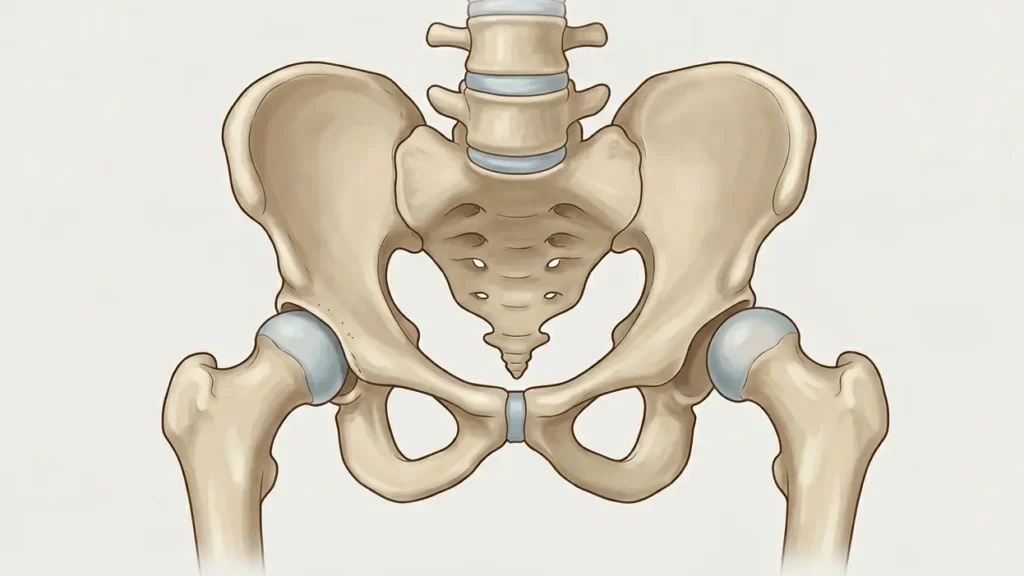
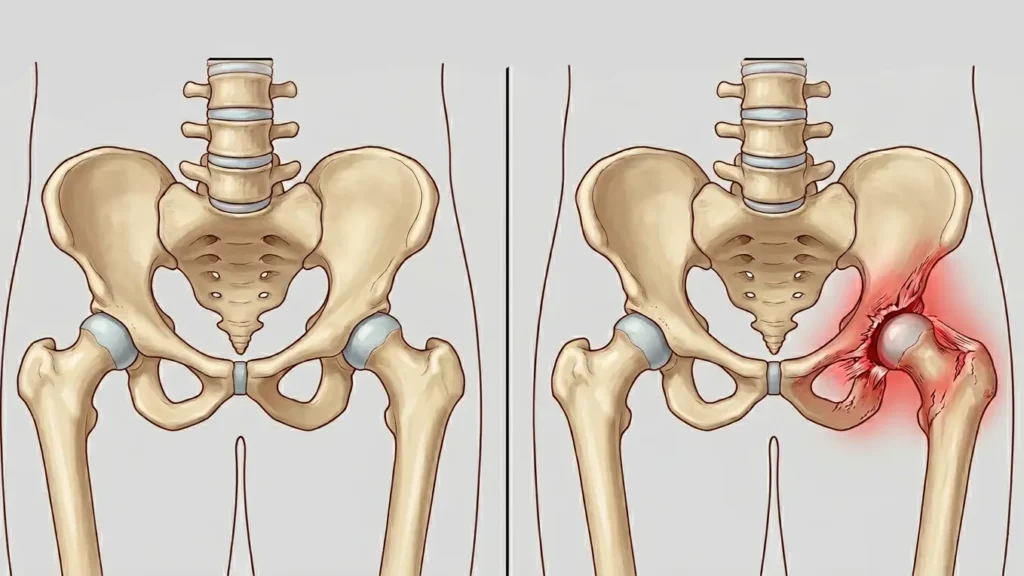
A hip dislocation occurs when the ball of your thigh bone (femoral head) is forced out of its socket (acetabulum) in the pelvis. This joint is one of the most stable in the body, so dislocation typically requires significant force, such as:

  • Car accidents
  • Falls from height
  • High-impact sports injuries

There are two main types:

  • Posterior dislocation (most common): The femoral head moves backward
  • Anterior dislocation: The femoral head moves forward

Recognizing the signs of dislocated hip symptoms early can prevent long-term complications such as nerve damage or arthritis.

What Is Hip Dislocation

What Is the Outlook for a Hip That Has Been Dislocated?

The prognosis largely depends on:

  • How quickly the hip is repositioned
  • The severity of the injury
  • Associated fractures or soft tissue damage

In many cases, patients recover well with prompt treatment. However, delayed care may lead to:

  • Chronic instability
  • Joint stiffness
  • Osteoarthritis
  • Reduced mobility

Early recognition of signs of dislocated hip symptoms plays a key role in achieving a full recovery. Patients in Dubai have access to advanced orthopedic care, making timely intervention more accessible than ever.

What Is a Partial Dislocation of the Hip?

A partial dislocation, also known as hip subluxation, occurs when the femoral head is only partially out of the socket. This condition can be more subtle and harder to detect than a full dislocation.

Common partially dislocated hip symptoms

  • Mild to moderate hip pain
  • A feeling of instability or “slipping”
  • Limited range of motion
  • Clicking or popping sensations

Unlike a full dislocation, the signs of dislocated hip symptoms in subluxation may not be immediately obvious, which can delay diagnosis.

What Causes Hip Dislocation?

Hip dislocation typically results from high-impact trauma, but there are several possible causes:

1- Traumatic Causes

  • Car accidents (most common)
  • Falls from height
  • Sports injuries

2- Non-Traumatic Causes

  • Congenital hip disorders
  • Previous hip replacement surgery
  • Connective tissue disorders

3- Risk Factors

  • Weak hip muscles
  • Previous dislocations
  • Certain medical conditions affecting joint stability

Understanding the causes helps in identifying the signs of dislocated hip symptoms and seeking timely care.

What Are the Symptoms of Hip Dislocation?

Recognizing symptoms early can prevent complications. The signs of dislocated hip symptoms can vary depending on whether the dislocation is partial or complete.

Key Hip Dislocation Signs

  • Severe hip pain (often sudden and intense)
  • Inability to move the leg
  • Visible deformity in the hip joint
  • Leg appears shorter or rotated
  • Swelling and bruising
  • Numbness or tingling (if nerves are affected)

Dislocated Hip Pain Scale

Pain is typically rated high, often 8 to 10 on the pain scale, especially in complete dislocations. Even partially dislocated hip symptoms can cause persistent discomfort.

Dislocated Pelvis Symptoms

In severe trauma cases, you may also experience:

  • Pelvic instability
  • Lower back pain
  • Difficulty standing or walking

These symptoms often overlap with the signs of dislocated hip symptoms, making professional diagnosis essential.

How Is a Dislocated Hip Treated?

A dislocated hip is a medical emergency. Attempting how to fix a dislocated hip yourself is extremely dangerous and can lead to permanent damage.

1- Immediate Treatment

  • Reduction procedure: A doctor manually repositions the hip
  • Sedation or anesthesia may be required
  • Imaging tests (X-ray, MRI) to confirm alignment

2- Post-Reduction Care

  • Rest and limited movement
  • Use of crutches or braces
  • Pain management medications

Hip Dislocation Treatment Options

  • Physical therapy
  • Surgical intervention (if bones or ligaments are damaged)
  • Rehabilitation programs

Hip Dislocation Exercises

Once healing begins, specific exercises help restore strength and mobility:

  • Gentle range-of-motion exercises
  • Strengthening the hip and core muscles
  • Balance and stability training

Proper treatment ensures that the signs of dislocated hip symptoms do not progress into chronic issues.

How Long Does It Take to Recover from a Dislocated Hip?

Recovery time varies based on the severity of the injury and the treatment approach.

Typical Dislocated Hip Recovery Time

  • Mild cases (subluxation): 4–6 weeks
  • Moderate dislocation: 6–12 weeks
  • Severe cases or surgery: 3–6 months or more

Factors Affecting Recovery

  • Age and overall health
  • Timeliness of treatment
  • Adherence to rehabilitation

Ignoring the signs of dislocated hip symptoms can significantly delay recovery and increase the risk of complications.

Read more about Dr Usama Saleh’s case studies and real patients’ results after a successful treatment journey with him.

Book an Appointment with Dr. Usama

If you’re experiencing any signs of dislocated hip symptoms, don’t wait for the condition to worsen. Early diagnosis can make all the difference.

Dr. Usama, a leading orthopedic specialist, provides advanced care tailored to your needs.

  • Accurate diagnosis using modern imaging
  • Personalized treatment plans
  • Comprehensive rehabilitation support

Book your consultation today!
Take the first step toward pain-free movement with Dr. Usama Saleh now.

hip dislocation orthopedic surgeon

FAQs about dislocated hip symptoms

What does a slightly dislocated hip feel like?

A slightly dislocated hip (subluxation) often feels like instability in the joint. You may notice mild pain, a slipping sensation, or difficulty with certain movements. These subtle signs of dislocated hip symptoms can easily be overlooked.

Look for key indicators such as severe pain, inability to move the leg, or visible deformity. If your leg appears rotated or shorter, these are strong signs of dislocated hip symptoms that require immediate medical attention.

In rare cases, especially with partial dislocations, symptoms may be mild. However, most dislocations are painful and obvious. Ignoring early signs of dislocated hip symptoms can lead to long-term joint damage.

Several conditions can mimic hip dislocation, including:

  • Muscle strains
  • Hip fractures
  • Sciatica
  • Arthritis

A proper medical evaluation is essential to distinguish these from the signs of dislocated hip symptoms.

Not necessarily. While hip pain is a major symptom, it can result from many conditions. However, if the pain is severe and accompanied by immobility or deformity, it may indicate signs of dislocated hip symptoms.

You’ll typically experience:

  • Sudden, intense pain
  • Inability to bear weight
  • Abnormal leg positioning

These are classic signs of dislocated hip symptoms and should prompt immediate medical care.

Final thoughts on dislocated hip symptoms

Understanding the signs of dislocated hip symptoms is essential for protecting your mobility and overall quality of life. From severe pain and immobility to subtle instability in partial dislocations, recognizing these symptoms early can prevent serious complications.

If you’re in Dubai and suspect a hip issue, don’t delay. Trust experienced professionals like Dr. Usama at Dr. Nidhal’s clinic for accurate diagnosis and effective treatment.

Take action today!
Book your consultation and start your journey to recovery.

Book an Appointment with Dr. Usama Saleh

Contact Form dr
Patient Connection Hub Assess your pain