
Rotator Cuff Repair Surgery Dubai: Restore Shoulder Strength & Function
Minimally Invasive Arthroscopic Rotator Cuff Repair | Same-Day Surgery | 85-95% Success Rate
Suffering from a torn rotator cuff and persistent shoulder pain? Rotator cuff repair surgery performed by an expert rotator cuff surgeon in Dubai can restore full strength and eliminate pain permanently. Dr. Usama Saleh, fellowship-trained at the University of Toronto with 23+ years of experience, specializes in advanced arthroscopic rotator cuff repair through just 3-4 tiny incisions. This minimally invasive shoulder surgery delivers faster recovery, minimal scarring, and outstanding long-term outcomes. Whether your rotator cuff tear is from injury or degeneration, arthroscopic rotator cuff surgery is performed as a same-day outpatient procedure so you return home the same day.
What Is Rotator Cuff Repair Surgery?
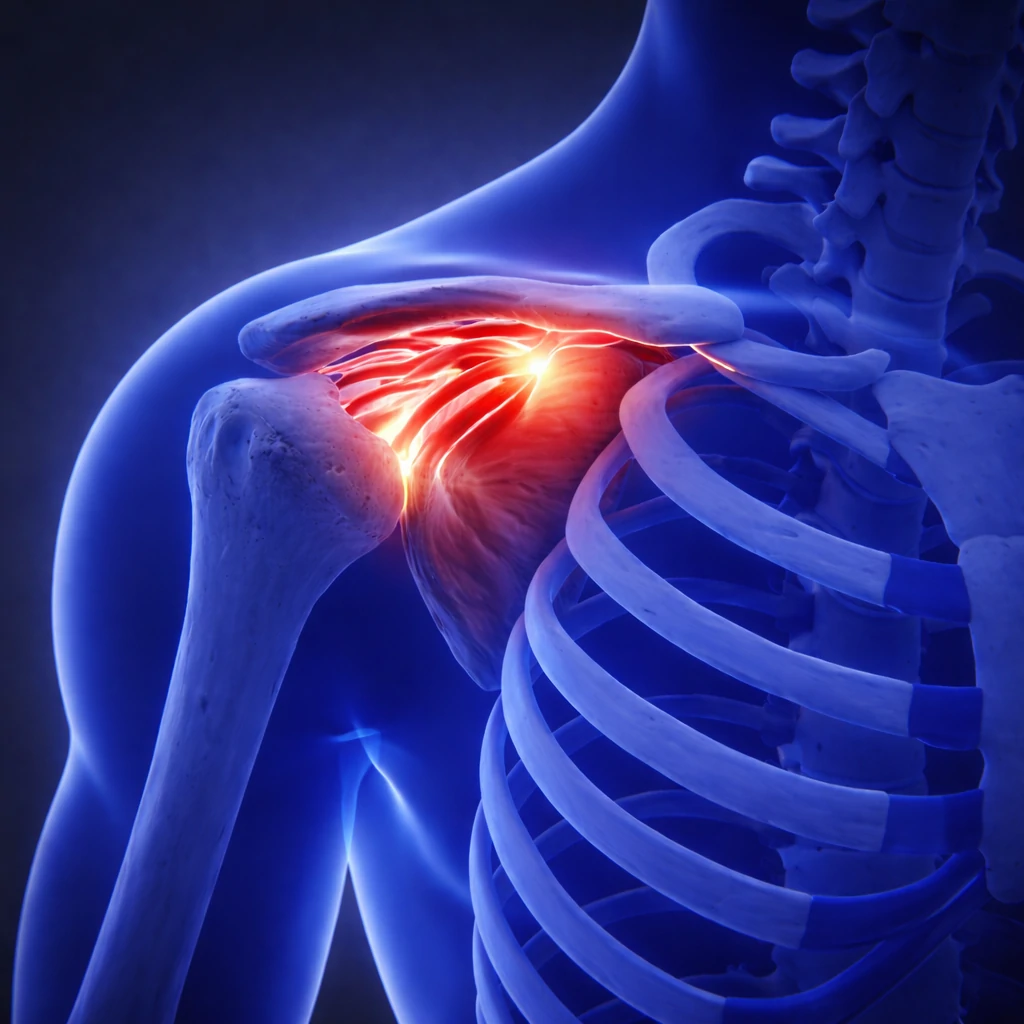
Rotator cuff repair surgery is a procedure that reattaches torn rotator cuff tendons back to the bone. The rotator cuff, four muscles and tendons stabilizing your shoulder, can tear from injury, repetitive strain, or degeneration, causing pain, weakness, and functional loss. As a specialist rotator cuff surgeon in Dubai, Dr. Usama performs arthroscopic rotator cuff surgery through 3-4 tiny incisions using a high-definition camera. The rotator cuff repair technique secures the torn tendon to bone with strong suture anchors, allowing biological healing over 3-6 months. This same-day outpatient shoulder rotator cuff surgery replaces the need for large open incisions, hospital stays, or prolonged recovery.
When Is Rotator Cuff Repair Surgery Needed?
Not every rotator cuff tear requires rotator cuff surgery. Dr. Usama evaluates each patient carefully before recommending surgery.
Surgery Typically Recommended When:
Conservative treatment failed after 3-6 months · Complete full-thickness tears · Large/massive tears (3cm+) · Acute tear in active individual · Significant weakness affecting daily life · Progressive tear enlargement on imaging · Persistent pain despite all treatments · Occupation or sport requires full overhead strength
→ Early surgery = better tissue quality & outcomes
Surgery May NOT Be Needed When:
Partial-thickness tears responding to therapy · Small tears (<1cm) in less active patients · First attempt, conservative care should be tried · Very chronic tears with severe fatty infiltration · Significant medical conditions making surgery high-risk · Symptoms tolerable and function acceptable at current activity level
→ Dr. Usama always recommends conservative first
Evaluation covers: tear size and location on MRI, muscle quality and fatty infiltration (Goutallier grading), physical strength and ROM testing, your activity goals and occupation, response to previous treatments, smoking status, and overall health.
What Causes Rotator Cuff Tears?
Understanding what causes rotator cuff tears helps guide both treatment and prevention strategies.
How Is Rotator Cuff Repair Surgery Performed?
Understanding how is rotator cuff surgery performed reduces anxiety and sets realistic expectations. Dr. Usama performs arthroscopic shoulder surgery rotator cuff repair in 95%+ of cases, through 3-4 tiny incisions with high-definition visualization.
Step 1 - Anaesthesia & Positioning (15-20 min)
General anaesthesia + interscalene nerve block numbing shoulder 12-18hrs post-op. Beach-chair or lateral positioning. Surgical site marked and sterilized.
Step 2 - Portal Creation & Diagnostic Arthroscopy (10-15 min)
3-4 small incisions created. Arthroscope inserted for systematic HD inspection of the rotator cuff tear, bicep tendon, labrum, and cartilage surfaces. Confirms surgical plan.
Step 3 - Joint Preparation (15-20 min)
Inflamed bursa removed. Bone spurs shaved (subacromial decompression). Frayed tear edges debrided. Bone footprint roughened, the bleeding surface is critical for suture anchor rotator cuff repair biological healing.
Step 4 - Rotator Cuff Repair Technique (30-45 min)
Tendon mobilized. Suture anchors inserted into bone (2-8 anchors depending on tear size). High-strength sutures passed through tendon and tied using arthroscopic knot-tying. Single-row or double-row rotator cuff repair technique used based on tear.
Step 5 - Associated Pathology (10-20 min if needed)
Bicep tendon treated (tenotomy or tenodesis). Labral tears repaired. AC joint arthritis treated if indicated. All pathology addressed in one arthroscopic rotator cuff surgery session.
Step 6 - Closure (10 min)
Final inspection confirms secure repair and full passive motion. Incisions closed with absorbable sutures or surgical glue. Waterproof dressings applied. Arm placed in immobilisation sling for home.
Small–Medium Tears
60–90 minutes
Large–Massive Tears
90–120 minutes
Complex / Revision
120–150 minutes
Benefits of Rotator Cuff Repair Surgery
Small Tears (<1cm)
90-95% success
Medium Tears (1-3cm)
85-90% success
Large Tears (3-5cm)
75-85% success
Massive Tears (5cm+)
65-80% success
Risks & Possible Complications
Dr. Usama believes in full transparency about rotator cuff surgery risks and complications. Overall serious complication rate is under 3-5% for arthroscopic repairs by experienced surgeons.
Recovery Timeline Overview:
Rotator Cuff Repair Failure Rate (5-20%)
Tendon may fail to heal to bone or re-tear after healing. Higher with large/massive tears, smokers (smoking doubles re-tear risk), poorly controlled diabetes, age over 65, non-compliance with restrictions.
Rotator Cuff Surgery Infection (<1%)
Rare with arthroscopic technique and sterile protocols. Minimized through prophylactic antibiotics and antibacterial skin preparation. Treated with antibiotics.
Stiffness / Frozen Shoulder (5-10%)
Post-operative stiffness from scar tissue. More common in diabetics. Prevented through early physical therapy. Treated with aggressive stretching or, rarely, manipulation under anaesthesia
Rotator Cuff Surgery Complications Minimised By:
Careful patient selection · Meticulous 23-year arthroscopic technique · Mandatory smoking cessation · Diabetes pre-op optimization · Structured rehab protocol · Close post-op follow-up
Recovery & Rehabilitation After Rotator Cuff Repair Surgery
Rotator cuff repair recovery follows a structured 4-phase protocol. Rotator cuff surgery recovery time depends on tear size, tissue quality, age, and rehabilitation compliance.
|
Activity
|
Return Timeline
|
Notes
|
|---|---|---|
|
Driving after rotator cuff surgery
|
2-6 weeks
|
Off narcotics, out of sling, full arm control
|
|
Return to work after rotator cuff surgery
|
2-6 weeks (desk) / 3-6 months (manual)
|
Depends on job demands
|
|
Golf after rotator cuff surgery
|
3-4 months
|
Start with chipping, progress gradually
|
|
Swimming after rotator cuff surgery
|
4-5 months
|
Freestyle last most rotator cuff demand
|
|
Tennis after rotator cuff surgery
|
4-6 months
|
Groundstrokes before serving
|
|
Contact sports
|
6-9 months
|
Rotator cuff surgery athletes need sport clearance
|
|
Rotator cuff surgery over 60 / elderly
|
Standard timeline, progress may be slower
|
Age alone does not prevent excellent outcomes
|
Rotator cuff surgery recovery timeline: how long rotator cuff surgery recovery takes is individual, Dr. Usama provides a personalised timeline at your consultation.
Why Choose Dr. Usama Saleh
For Rotator Cuff Repair Surgery In Dubai
Best Shoulder Doctor Dubai — Fellowship-Trained
23+ Years as Dubai's Shoulder Specialist Doctor
Expert in How to Treat Rotator Cuff Tear — All Options
Honest — Surgery Only When Truly Needed
Frequently asked questions
Need something cleared up? Here are our most frequently asked questions.
Most arthroscopic rotator cuff repairs take 60-90 minutes for small to medium tears, 90-120 minutes for large or massive tears, and 120-150 minutes for complex revision cases. Total time at the surgical centre including preparation and recovery monitoring is approximately 3-4 hours before same-day discharge
Rotator cuff surgery success rate ranges from 90-95% for small tears to 65-80% for massive tears. Non-smokers with good tissue quality consistently achieve the highest healing rates. Dr. Usama's fellowship training and arthroscopic expertise achieve outcomes at the top of published success rate ranges for all tear sizes.
Rotator cuff surgery recovery time: sling at 4-6 weeks, desk work at 2-6 weeks, full unrestricted activities at 6-12 months. How long rotator cuff surgery recovery takes depends on tear size, tissue quality, age, and rehabilitation compliance. Dr. Usama provides a personalised rotator cuff surgery recovery timeline at consultation.
For appropriately selected patients: yes. 85-95% achieve significant pain relief, most regain 85-100% of normal strength, 90%+ return to prior activities, and 90-95% report they would do it again. Rotator cuff surgery is worth it when you have a repairable tear, have given conservative treatment a fair trial, and your function demands a strong shoulder. Dr. Usama ensures you are the right candidate before recommending surgery.
Rotator cuff surgery cost in Dubai ranges from AED 30,000-60,000 for standard arthroscopic repairs. Rotator cuff surgery insurance coverage applies when medically necessary most major UAE insurers including Daman, DHA, Cigna, AXA, and Bupa cover it. Our team verifies your rotator cuff surgery insurance coverage and obtains pre-authorisation before surgery.
Driving after rotator cuff surgery is possible at 2-4 weeks for left shoulder (automatic car), 4-6 weeks for right shoulder. You must be off narcotic medications, out of the sling, and have full arm control to steer and react safely. Dr. Usama provides individual clearance based on your recovery progress.
Sleeping after rotator cuff surgery requires a reclined position for 4-6 weeks a recliner is ideal, otherwise use a wedge pillow at 45 degrees. Lying flat increases pressure on the repair and pain. Ice every 2 hours for 20 minutes significantly reduces swelling during early recovery.
Yes. Rotator cuff surgery over 60 and rotator cuff surgery elderly patients achieve excellent outcomes age alone is not a contraindication. Success rates are slightly lower for very large tears in elderly patients due to tissue quality, but pain relief and functional improvement are well-documented across all ages. Dr. Usama evaluates each case individually.
Related Conditions & Procedures
Related Conditions
Rotator Cuff Tear Treatment full conservative and surgical overview, Shoulder Impingement Relief bone spur compression treated simultaneously Shoulder Instability Treatment recurrent dislocations Bicep Tendonitis Treatment often coexists with rotator cuff tears
Related Procedures
Shoulder Arthroscopy the minimally invasive technique used Shoulder Stabilization Surgery for instability cases Subacromial Decompression bone spur removal often done simultaneously Shoulder Treatment Dubai comprehensive hub page
